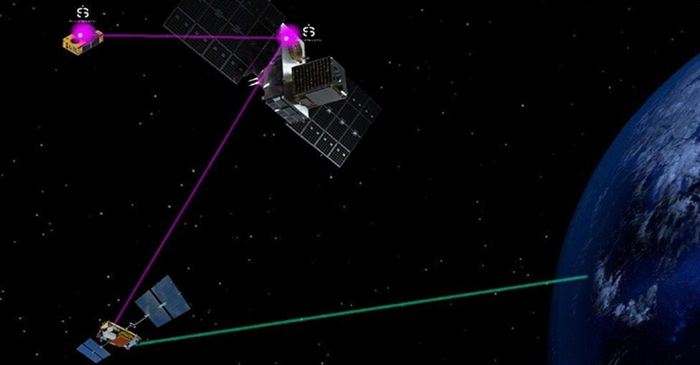
Solstar Space is advancing space-based networking and communications technologies designed to support human spaceflight, satellite operations, lunar exploration and future deep-space missions. Headquartered in Santa Fe, the company is developing integrated communications solutions intended to provide persistent connectivity between astronauts, spacecraft, payloads and mission operators across Low Earth Orbit (LEO), lunar orbit, the lunar surface and future beyond-Earth missions. As commercial space stations, lunar exploration programs, orbital servicing missions and autonomous spacecraft operations continue to expand, the demand for reliable space networking infrastructure is increasing significantly.

Solstar Space is focusing on communications systems specifically engineered for the environmental and operational requirements of space missions, including radiation tolerance, low size-weight-power (SWaP) architecture, secure communications and interoperability with existing satellite constellations. The company’s portfolio includes radiation-hardened WiFi access points, narrowband and broadband space communicators and integrated network and communications services designed to support both government and commercial space missions. Solstar Space is building communications technologies intended to support continuous connectivity for spacecraft, habitats, astronauts, payloads, rovers and autonomous systems operating across multiple orbital and lunar environments. The company’s networking strategy is centered on extending internet-like communications capabilities into space while enabling more flexible and connected mission operations. The company states that the networking solutions are being designed for operations in Low Earth Orbit, suborbital missions, lunar orbit and lunar surface environments. These systems are also intended to support future deep-space operations beyond Earth and the Moon as long-duration exploration missions become increasingly viable. The technologies are being engineered to support communications between astronauts and Earth, spacecraft-to-spacecraft connectivity, remote spacecraft management, payload operations, telemetry transfer and real-time mission data exchange. The systems are designed to integrate with commercial satellite constellations and emerging space networking architectures. The company is positioning the communications infrastructure to support future lunar exploration systems, including integration with programs such as Lunar Gateway and evolving lunar networking ecosystems like LunaNet.

Among Solstar Space’s key technologies is the in-development radiation-hardened WiFi Access Point, a wireless networking node specifically engineered for spacecraft and lunar operations. The system is designed to provide wireless communications throughout spacecraft interiors and operational environments while maintaining low volume, low weight and minimal power consumption to reduce spacecraft resource impact. Solstar states that the WiFi node is fully customizable to accommodate varying mission requirements and operational criticality levels. The access point is intended for deployment across a wide range of applications, including government and commercial space stations, crew capsules, habitats, lunar landers, rovers and space suits. The company also notes that the platform is engineered to support human spaceflight missions, where reliable onboard wireless communications and data transfer capabilities are essential for crew operations and spacecraft functionality. In lunar environments, the WiFi access point is being designed to support networking for habitats, rovers, astronauts and mission systems operating on the lunar surface. Solstar also highlights compatibility considerations for integration with broader lunar communications architectures such as LunaNet. Beyond internal spacecraft communications, the wireless infrastructure is expected to support interaction with onboard payloads, scientific experiments, astronaut health monitoring systems and operational telemetry systems. The platform’s radiation-hardened architecture is intended to improve resilience in harsh orbital and lunar radiation environments.
Solstar Space is also developing the Deke Space Communicator, a narrowband bi-directional communications system designed for persistent low-bandwidth connectivity with space-based assets. The Deke platform is intended to support applications including remote spacecraft command and control, management of orbital payloads and experiments, astronaut medical monitoring and Internet of Things (IoT) connectivity for space infrastructure. The communicator is engineered to integrate into spacecraft and satellites prior to launch, including SmallSats, launch vehicles, Earth observation satellites and space stations. The system enables two-way communications between orbiting assets and internet-connected devices located anywhere on Earth or in space. The Deke communicator provides existing commercial satellite constellations to maintain communications links while minimizing infrastructure complexity. The company states that the communicator is optimized for narrowband satellite communications while incorporating encryption and authentication protocols intended to improve cybersecurity and data protection. The low SWaP design also makes the platform suitable for spacecraft and missions where mass, volume and power consumption are tightly constrained. Solstar emphasizes that the Deke system is designed specifically for human spaceflight and long-duration orbital operations where continuous telemetry, monitoring and operational control are critical.
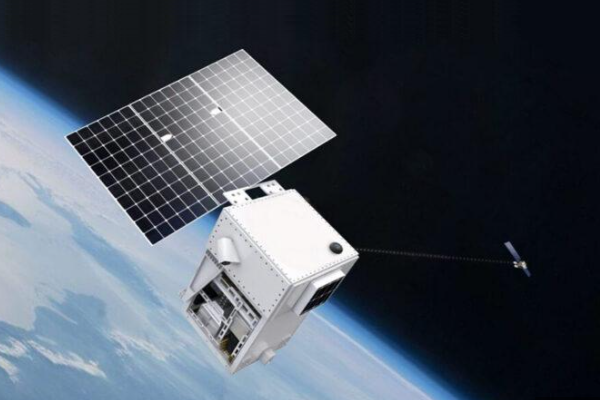
For missions requiring higher bandwidth communications, Solstar Space is developing the Slayton Space Communicator, a broadband bi-directional data relay system engineered to support high-speed communications between space assets and Earth-based operators. The Slayton system is designed to provide continuous broadband internet connectivity for spacecraft, satellites and space stations while supporting applications such as live video streaming, video conferencing, rapid Earth observation data transfer, payload monitoring and spacecraft management. Unlike narrowband systems primarily focused on telemetry and command functions, Slayton is intended to support significantly larger data transfers and more advanced operational applications. This includes the immediate downlink of Earth observation imagery, continuous payload monitoring and high-speed communications between astronauts and mission control teams. The platform also supports communications between spacecraft and orbital infrastructure, enabling networking between satellites, stations and other space-based assets. Solstar states that the system is engineered for human spaceflight environments and can support video communications between space crews, Earth operators and other spacecraft. As commercial orbital operations expand and future lunar missions require more advanced communications capabilities, broadband connectivity systems such as Slayton are expected to become increasingly important for real-time operational awareness and mission support.

Solstar Space is developing integrated network and communications services intended to provide persistent connectivity between Earth-based operators and orbital assets. The company’s service architecture is designed to integrate with commercial satellite constellations while enabling continuous communications links for satellites, spacecraft, payloads and crewed systems. Solstar’s service offerings include both broadband and narrowband connectivity options, as well as WiFi-enabled operational networks for spacecraft and lunar environments. The communications services are intended to support voice, video, telemetry, operational data transfer and spacecraft-to-spacecraft communications. Solstar also notes that the flexible service plans are being developed to accommodate different mission types, operational scales, and customer requirements across government, commercial, scientific and exploration missions. A major focus of the company’s communications services is enabling operational continuity during space missions by providing persistent communications access between astronauts, mission control centers, orbital platforms and lunar assets. Solstar Space is positioning the communications technologies to support this transition by developing systems designed specifically for the operational realities of space environments. The company’s focus on radiation-hardened WiFi systems, persistent satellite communications, spacecraft networking and integrated communications services reflects broader industry efforts to establish scalable digital infrastructure for future space exploration and commercial activity.
About Solstar Space
Solstar Space is a space communications company headquartered in Santa Fe focused on developing networking and connectivity solutions for spacecraft, satellites, lunar systems and human spaceflight missions. The company is developing communications technologies designed to support operations in Low Earth Orbit (LEO), suborbital missions, lunar orbit, the lunar surface and future deep-space missions. Solstar Space’s portfolio includes radiation-hardened WiFi access points, the Deke narrowband space communicator, the Slayton broadband space communicator and integrated space network and communications services. These technologies are designed to support spacecraft communications, payload operations, astronaut connectivity, telemetry transfer, remote command and control and onboard networking for orbital and lunar environments. The company’s communications systems are engineered to integrate with commercial satellite constellations and support applications including spacecraft-to-spacecraft communications, Earth observation data transfer, astronaut health monitoring, payload management and video communications between space-based assets and Earth operators. Solstar Space is also developing networking technologies for government and commercial space stations, lunar habitats, rovers, landers and crewed spacecraft. The solutions are designed with low size, weight and power (SWaP) characteristics and are intended to support reliable communications in spaceflight and lunar mission environments.