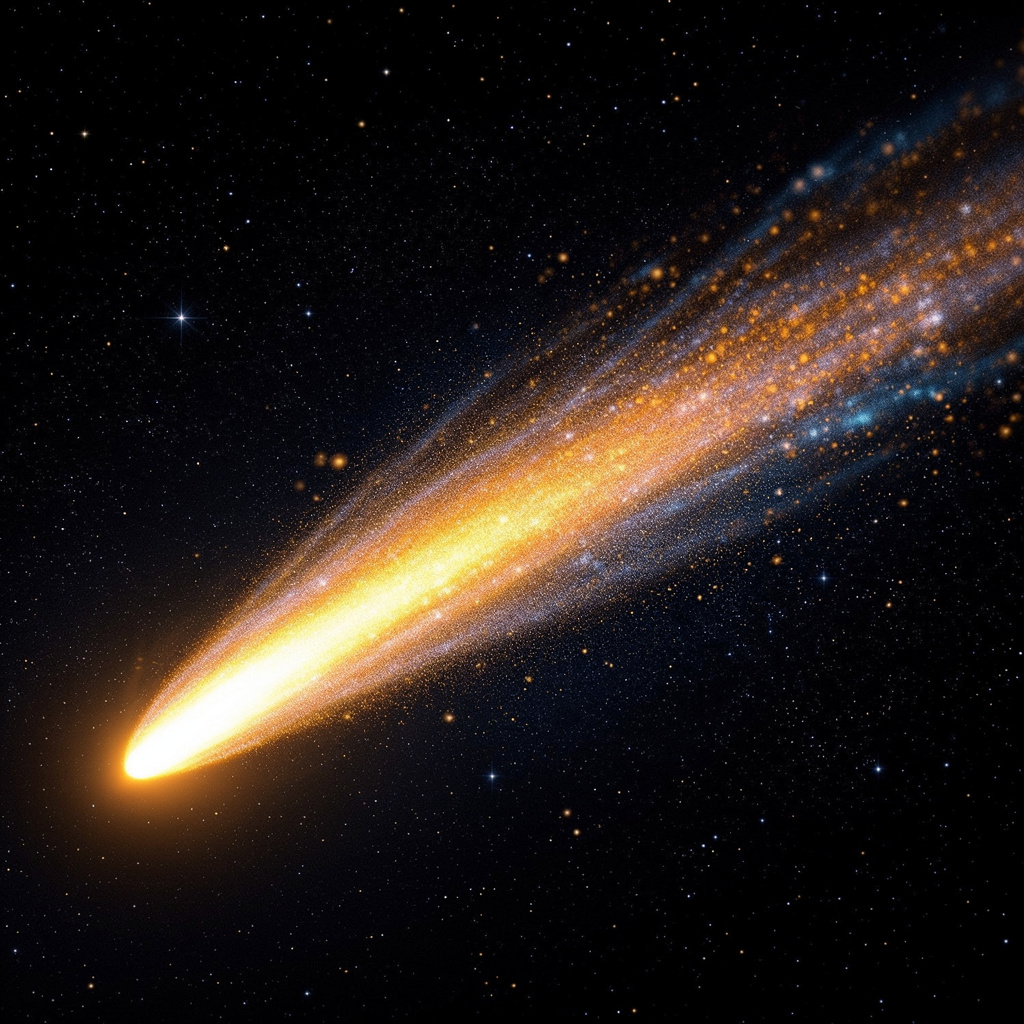
3I/ATLAS joins a short list of confirmed interstellar visitors, following the objects designated ‘Oumuamua and 2I/Borisov. The methane detection marks the first time Webb has been used to characterize the composition of an interstellar comet in this manner.
The Webb telescope provided the spectral data used in the analysis. The presence of methane in the comet’s composition is the basis for the conclusion that its origin lies outside our solar system, suggesting it formed in a colder or otherwise distinct stellar environment. The detection gives astronomers a direct chemical sample from another star system, something the brief record of interstellar object discoveries has made possible only in recent years.
The source material does not specify which research team conducted the analysis, whether the result has completed peer review, or which stellar region or system 3I/ATLAS is thought to have originated from. Those details remain unconfirmed in available reporting.
Each interstellar object detected transiting through this solar system carries a chemical record of where it formed. A methane signature in 3I/ATLAS, if the result holds under further scrutiny, would represent a rare direct measurement of chemistry from a separate stellar neighborhood, expanding what can be inferred about planetary and small body formation in other star systems.
Confirmation of the peer review status of this result, and identification of the team behind the Webb analysis, are the immediate outstanding questions. Further characterization of 3I/ATLAS as it remains within observational range will determine how much additional compositional data can be extracted before the opportunity closes.