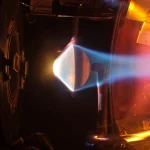
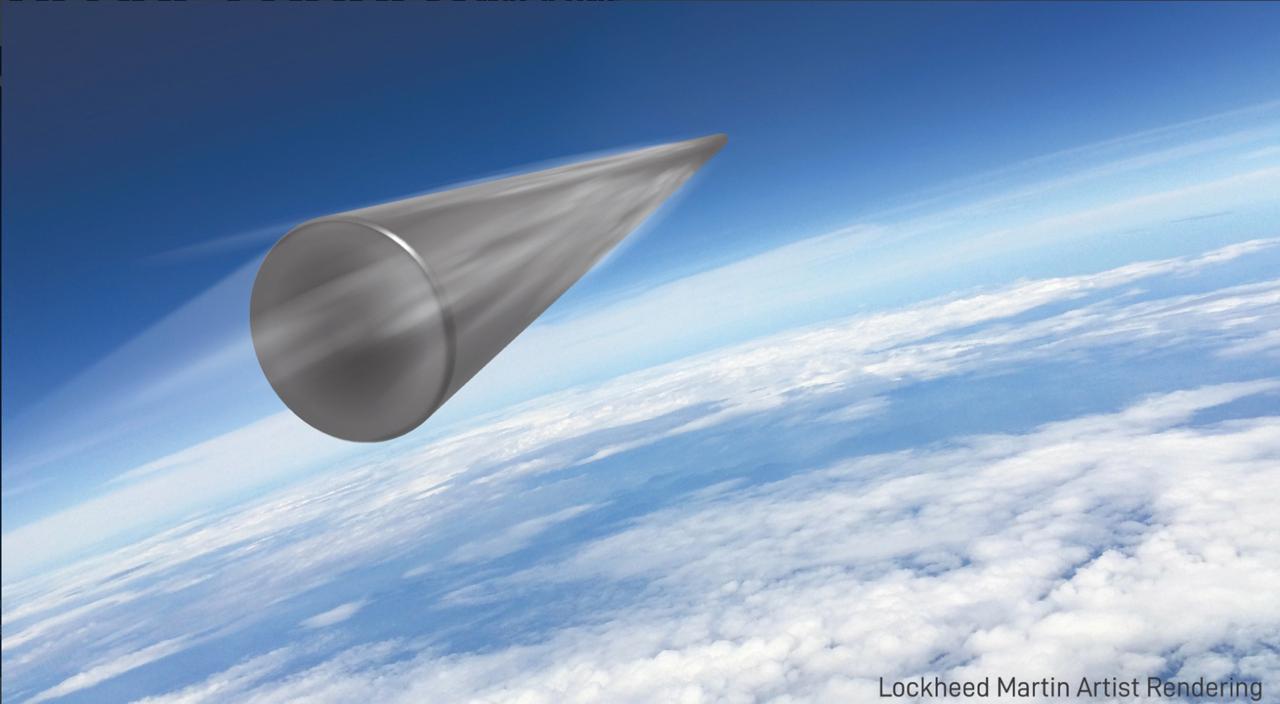
The reentry-vehicle test follows the Air Force’s decision to erect an inert version of its LGM-35A Sentinel ICBM at Vandenberg, announced September 14. At the time, officials confirmed they still expect to finish restructuring the long-troubled Sentinel program by the end of the period they had targeted.
The Air Force Nuclear Weapons Center managed the October 9 test. The developmental reentry vehicle flew on a Minotaur I rocket from Vandenberg Space Force Base in California. The launch supports the broader Sentinel ICBM modernization program.
The test underscores Vandenberg’s dual role as a Space Force base supporting both orbital launch activity and strategic-weapons work. Sentinel has been among the most over-budget modernization efforts in the U.S. arsenal, and reentry-vehicle testing serves as a concrete demonstration of progress amid continuing cost concerns.
For a program under intense budget scrutiny, each completed milestone carries weight. Reentry-vehicle testing provides a tangible sign that the Sentinel effort is advancing, buying the program additional political runway as officials work to complete the planned restructuring.
The Air Force has said it still expects to finish restructuring the Sentinel program on schedule, and the service previously indicated a first test is planned for 2027. Those dates and the pace of further reentry-vehicle and missile testing remain the key markers to watch.