On Thursday, October 22, 2026, satellite navigation developer Xona Space Systems announced it has secured $250 million in a Series D funding round at a post-money valuation of $2.45 billion.
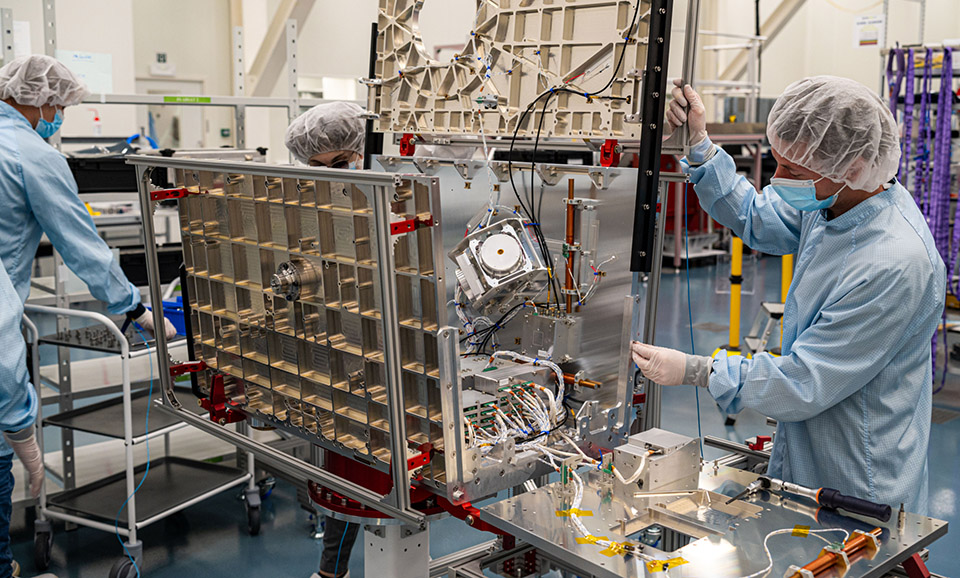
Led by Future Ventures co-founder and longtime SpaceX board member Steve Jurvetson, an early investor in the company, the capital injection brings Xona’s cumulative funding to $570 million to scale production of its low Earth orbit (LEO) positioning, navigation, and timing (PNT) constellation.
Capital Scaling and Production Facility Lineage
The financing follows seven months after Xona closed its $170 million Series C round to transition from orbital prototyping to serial satellite manufacturing at its Burlingame, California facility. Commercial momentum accelerated after the FCC authorized Xona Space Systems for full commercial Pulsar LEO constellation deployment in August, granting regulatory market access to operate a commercial navigation network alongside sovereign Global Positioning System (GPS) infrastructure. The system advances on-orbit pathfinding conducted since the launch of the Pulsar-0 demonstration satellite in 2025.
Pulsar Constellation Signal Architecture and Resilience
Xona’s Pulsar network is engineered to operate as a commercial complement and resilient backup to legacy Medium Earth Orbit GPS broadcasts. Operating from low Earth orbit, the spacecraft broadcast navigation signals up to 100 times stronger than conventional GPS transmissions, enabling signal penetration through buildings and dense urban terrain while delivering centimeter-level positioning accuracy. To defend against electronic warfare, spoofing, and signal manipulation, Pulsar incorporates proprietary encrypted authentication directly into its broadcast data streams.
Bandwagon-5 Deployment and Operational Horizon
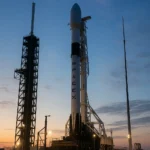
The funding coincides with the initial orbital deployment of Xona’s first block of six production-class Pulsar navigation satellites, launched on Tuesday, October 20, aboard SpaceX’s Bandwagon-5 rideshare mission from Cape Canaveral Space Force Station. Xona will direct the Series D proceeds to expand serial assembly lines, targeting a production capacity of 50 satellites annually by the end of 2027 as it prepares to initiate commercial navigation services in 2027.