
Author: starpathwp-production
-
ISRO’s Chandrayaan-3 Propulsion Module Moved to Earth’s Orbit from Lunar Orbit
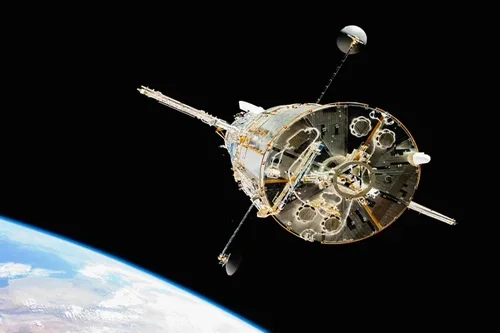
In another unique experiment, like the hop experiment on the Vikram Lander, the Propulsion Module (PM) of Chandrayaan-3 was moved from an orbit around the Moon to an orbit around Earth. The primary objective of the ISRO’s Chandrayaan-3 mission was to demonstrate a soft landing near to lunar south polar region and perform experiments using…
-

Telespazio, Hughes Europe Partner to Launch Government Satellite Services
Telespazio and Hughes Europe will collaborate to launch new connectivity services through Eutelsat’s Konnect VHTS (K-VHTS) satellite. Hughes and Telespazio announced the partnership, Dec. 11. The collaboration between Telespazio and Hughes Europe aims to enable governments to use modern applications and provide online services to their citizens. The agreement will see the two companies take…
-
ULA’s first mission with its Vulcan rocket slides to January launch window
ULA’s Vulcan rocket sits at the pad at Space Launch Complex 41 (SLC-41) ahead of the start of a wet dress rehearsal tanking test on Friday, Dec. 8, 2023. Image: ULA Update: Added additional context from social media posts from Tory Bruno confirming that the launch will move to January. The debut of United Launch…
-

Space Explored Podcast 71: Lets talk seriously about the Artemis Program
Subscribe: Spotify Apple Podcasts Overcast PausePlay% buffered00:0047:01UnmuteMuteDisable captionsEnable captionsSettingsCaptionsDisabledQualityundefinedSpeedNormalCaptionsGo back to previous menuQualityGo back to previous menuSpeedGo back to previous menu0.5×0.75×Normal1.25×1.5×1.75×2×4×PIPExit fullscreenEnter fullscreenPlay The Space Explored Podcast is hosted by Editor-in-Chief Seth Kurkowski and YouTuber Jared Sanders, who discuss the last week’s biggest stories with a main deep dive topic. Recorded Tuesdays and released Thursday,…
-
Hubble back in service after gyro scare—NASA still studying reboost options
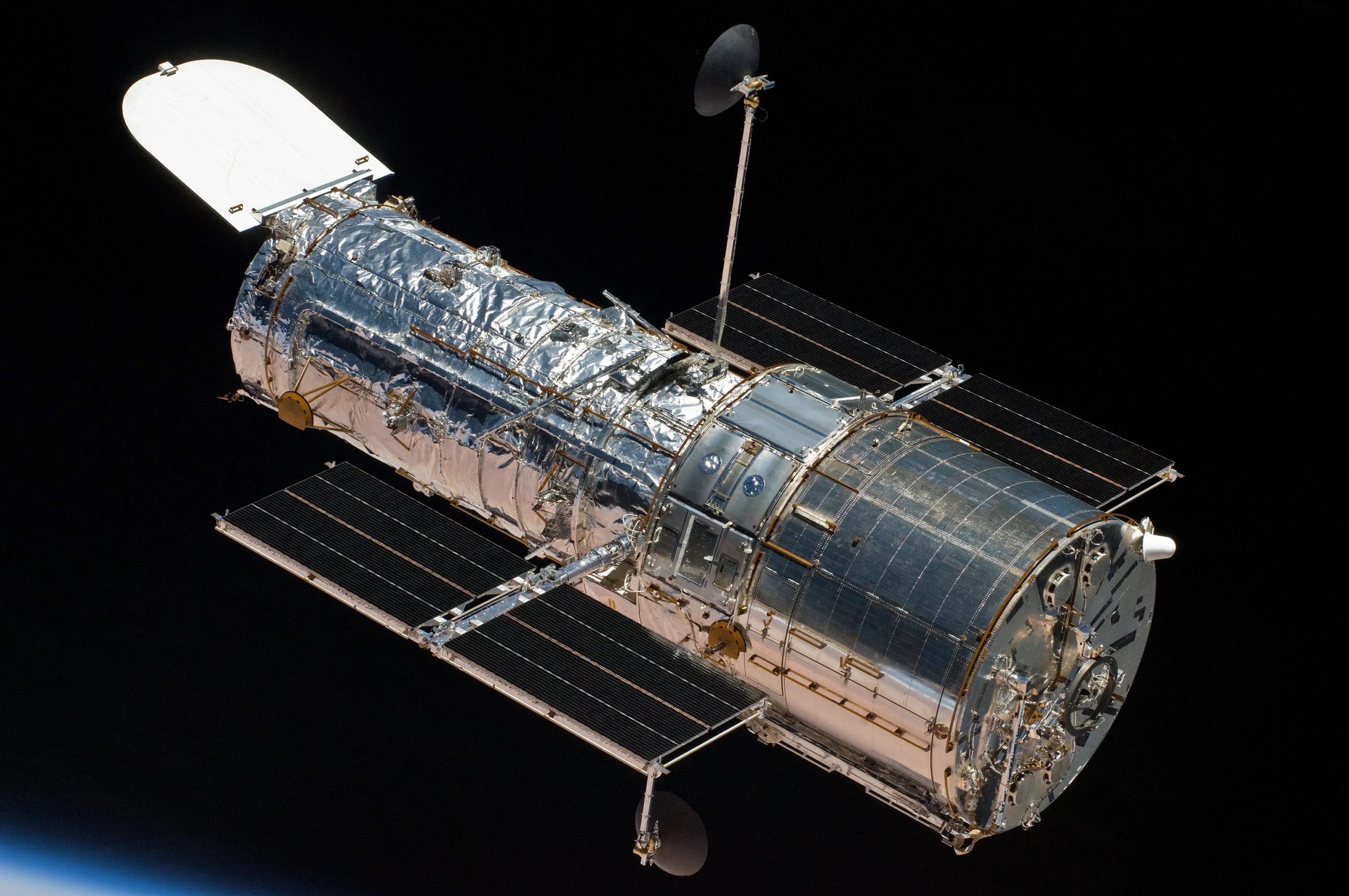
The Hubble Space Telescope resumed science observations on Friday after ground teams spent most of the last three weeks assessing the performance of a finicky gyroscope, NASA said. The troublesome gyroscope is a critical part of the observatory’s pointing system. Hubble’s gyros measure how fast the spacecraft is turning, helping the telescope aim its aperture…
-
NASA’s Psyche captures its “first light,” continues testing other instruments
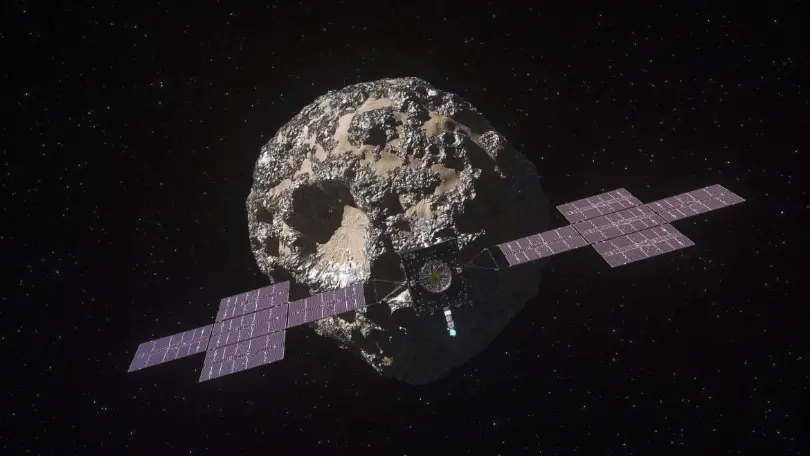
On Dec. 4, the cameras of NASA’s Psyche spacecraft took their first images 26 million kilometers away from Earth. This milestone, called “first light,” was one of many the agency needed to complete on its way to its destination, a metallic asteroid called 16 Psyche. The spacecraft is set to reach this asteroid in the…
-
All signs point to NASA’s Psyche mission performing well in space
Psyche starts to gather early scientific data Launched on October 13 on a SpaceX Falcon Heavy rocket, NASA’s latest science probe, Psyche, is now on its way to meet its target, also named Psyche. While it still has a ways to go, teams on the ground have been hard at work getting the spacecraft ready…
-

Daily Telescope: Seeing stars with an iPhone in the bottom of the Grand Canyon
Welcome to the Daily Telescope. There is a little too much darkness in this world and not enough light, a little too much pseudoscience and not enough science. We’ll let other publications offer you a daily horoscope. At Ars Technica, we’re going to take a different route, finding inspiration from very real images of a…
-

Rocket Lab Signs Deal to Launch Earth Observation Satellite for KAIST
Rocket Lab USA, one of the global leaders in launch services and space systems, announced it has signed a launch services agreement to launch an Earth observation satellite for the Korea Advanced Institute of Science and Technology (KAIST) on a rideshare mission in the first half of 2024. KAIST’s NeonSat-1 will be the primary payload…
-

Eutelsat OneWeb Partners with Imperial College London for Space Weather Monitoring Research
Eutelsat OneWeb, part of Eutelsat Group, the world’s first GEO-LEO satellite operator, has collaborated with Imperial College London to explore harnessing the power of its LEO satellite constellation to enable global space weather monitoring to help protect satellite operations as well as power, communications, navigation and transport systems. The changing conditions in near-Earth space, known…