
Author: starpathwp-production
-

Space Is the Best Offset Strategy
In the logic of national security, an offset strategy is the decisive move: a technological or organizational advantage that neutralizes an adversary’s numerical or geographic strength. The nuclear deterrent of the 1950s and precision-guided munitions of the 1970s were classic examples. Today, as conventional warfare devolves into industrial scale attrition, the conclusion is unavoidable: space…
-

The Seismic Shifts in the Satellite Communications Landscape are Far From Over
The satellite communications market has evolved rapidly over the past four years. As SpaceX’s Starlink has racked up not just hundreds, but even thousands of Low Earth Orbit (LEO) satellites (recently surpassing 10,000 satellites), several mergers have taken place, including Eutelsat/OneWeb and Viasat/Inmarsat in 2023, SES and Intelsat in 2024, and Lynk Global/Omnispace in 2025.…
-
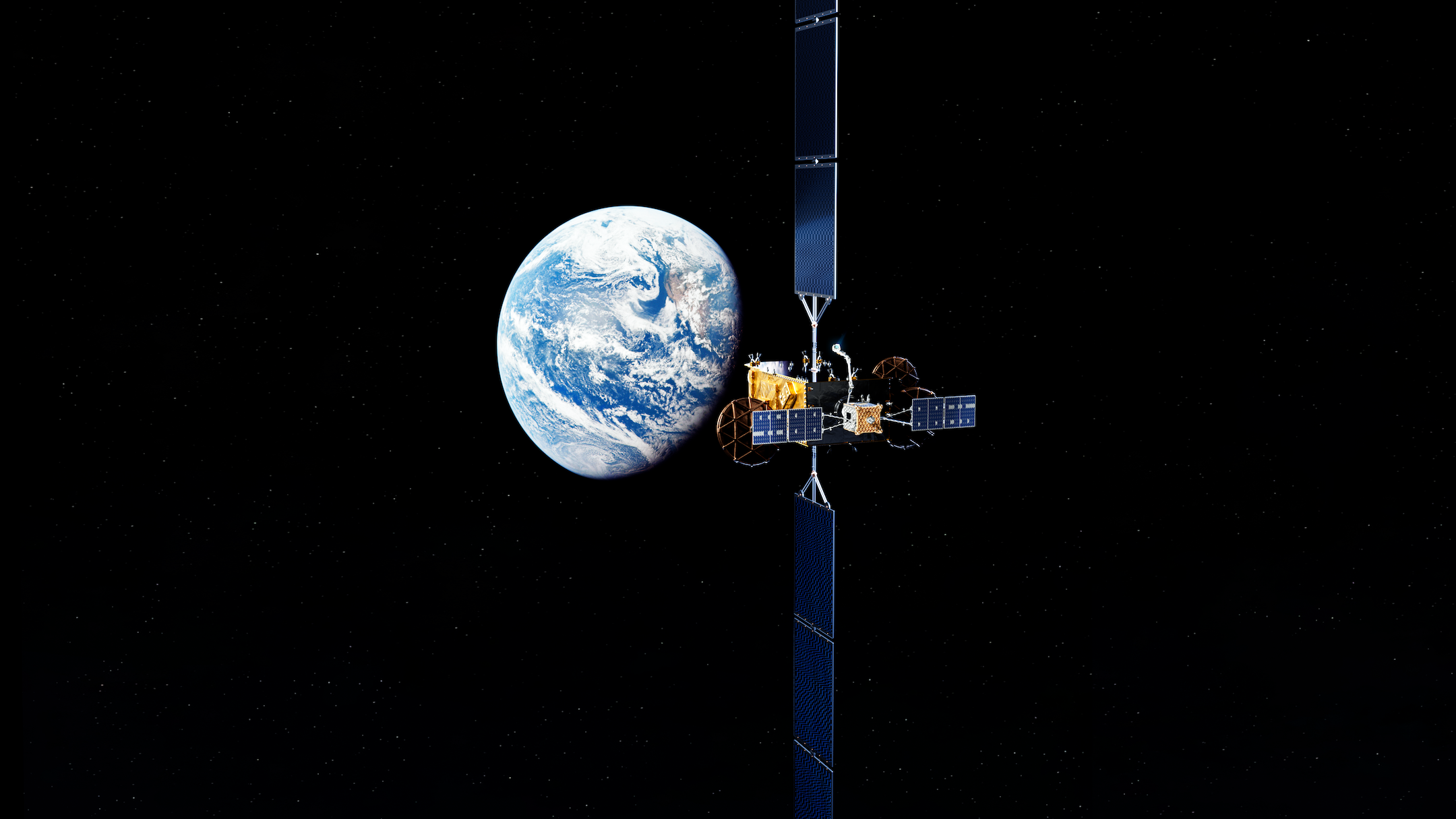
On-Orbit Services Startup Starfish Space Raises $110M to Execute Missions, Boost Production
Starfish Space on Tuesday said it has raised about $110 million in a Series B round that will be used to execute orbital servicing missions already on contract, boost production of its Otter service spacecraft and add employees. The investment was led by Point72 Ventures and brings the total raised so far to more than $150 million by…
-
Is Europe Moving Fast Enough to Close its Space Defense Gaps?
Russia is building up its military powers, possibly aiming to attack NATO within the next four years. Europe is responding to the threat, rushing to patch its many defense gaps, including those in space. Still, Europe’s progress may be too slow to get things done in time. Weaponry factories in Russia are running full steam, churning…
-

Cybersecurity in Space is Hard; In Cislunar Space, it’s Really Hard
In space, cybersecurity is hard. Many of the strategies cyber defenders rely on daily to protect terrestrial networks, like centrally managed anomaly detection, regular patching of emergent software vulnerabilities, and replacement of outdated or compromised hardware, are difficult, and sometimes impossible or unaffordable, in orbit. But in cislunar space between the Earth and the Moon,…
-
Automation and Agility: How SSC Space Go Is Designed for the New Age of Ground
SSC Space has a mission to help its customers access space — whether that’s spacecraft operations and engineering, operating the Esrange launch center in Sweden, or its global ground network. With 54 years of operations, SSC Space has deep experience in space missions. Now, the company is expanding its ground systems business with SSC Space…
-
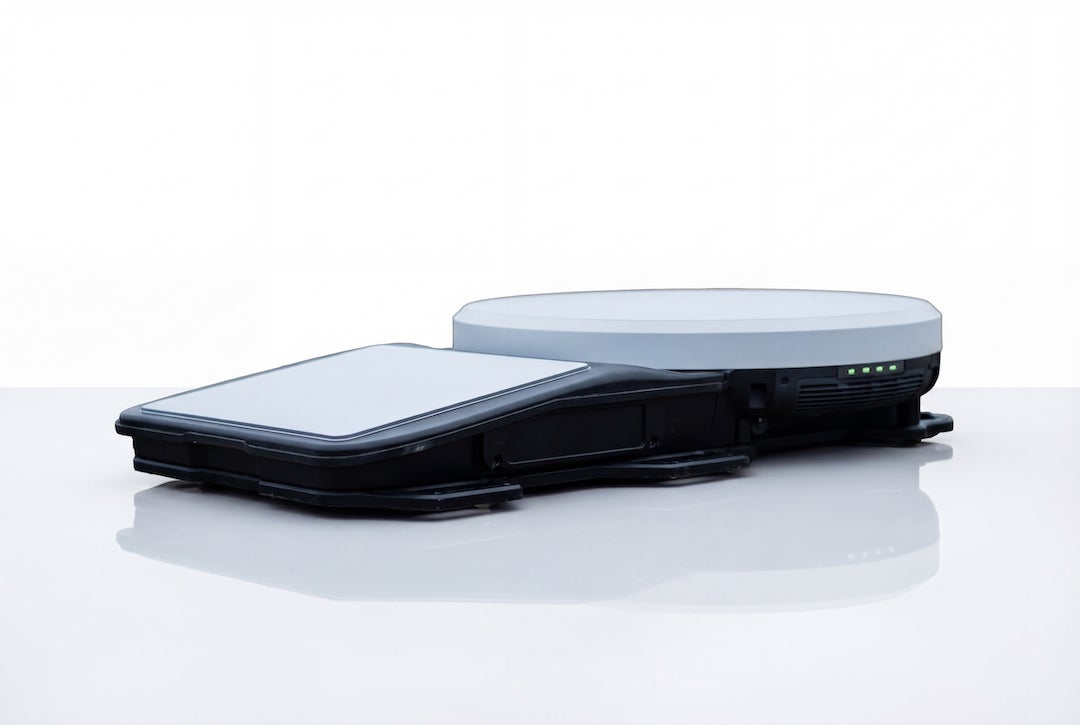
Canadian Navy to Trial All.Space Hydra 4 Terminal
The Royal Canadian Navy (RCN) will test an All.Space Hydra 4 multi-band, multi-orbit mobility terminal to inform short-term satcom architecture decisions. The Hydra 4 mobility terminal is designed to deliver simultaneous connection across military Ka-band, commercial Ka-, Ku-, and L-band. It is designed to operate across Ka-band, as well as with the Starlink constellation and…
-
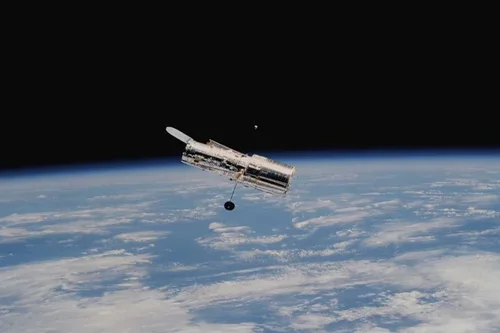
Earthset and eclipse, oh my! NASA releases magnificent images from Artemis mission’s moon flyby
A crescent Earth sinks behind the moon’s disk in a wide-angle version of the Artemis 2 crew’s “Earthset” picture. (NASA Photo) A day after the Artemis 2 mission’s historic lunar flyby, NASA has released a stunning set of high-resolution images documenting Earthset and Earthrise, a solar eclipse that set the moon aglow, and other views…
-
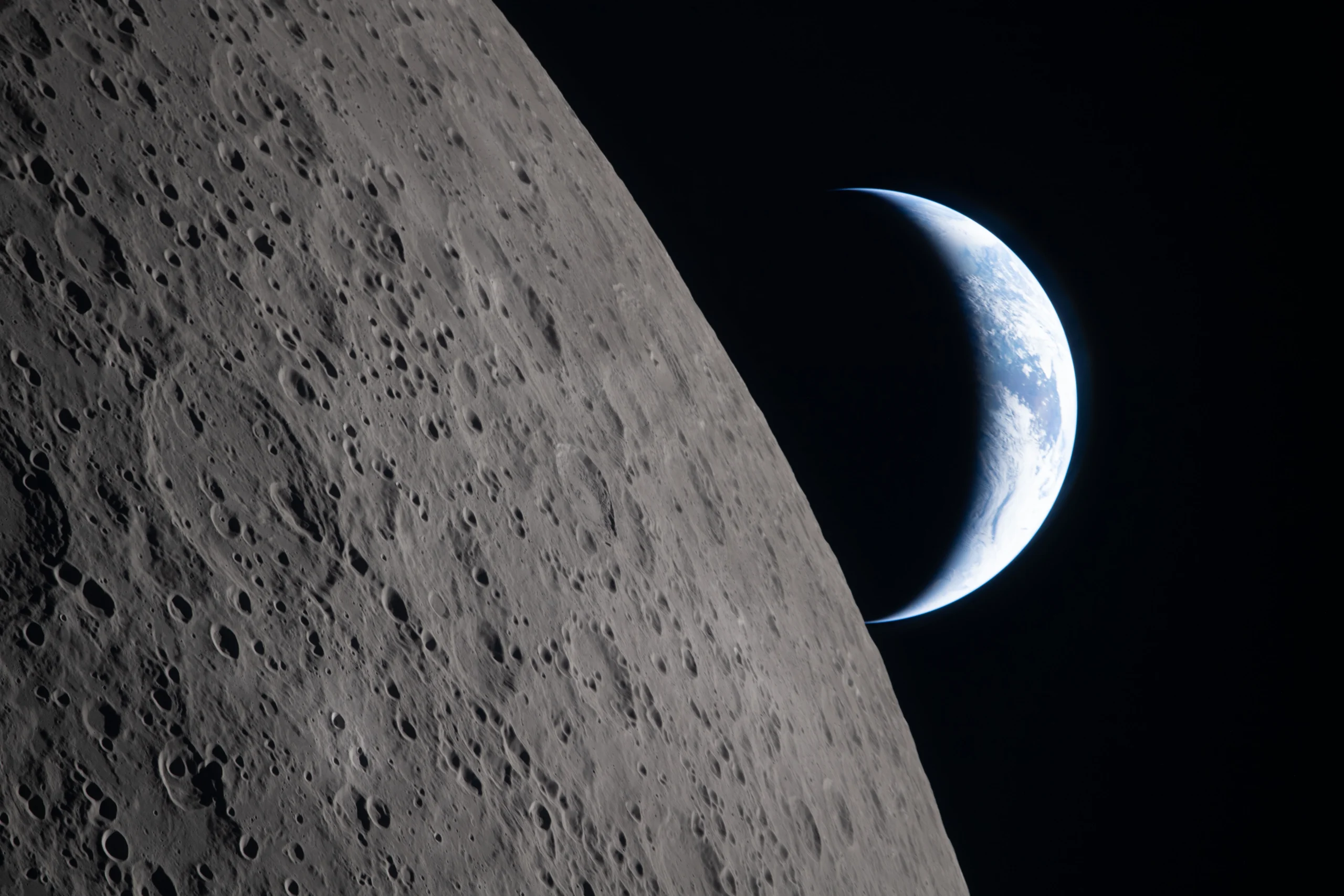
Astronauts set distance record, revealing the Moon as a place to be explored
After staring at the Moon for almost eight hours Monday, the commander of NASA’s Artemis II mission finally ran out of ways to describe what he was seeing. “No matter how long we look at this, our brains are not processing this image in front of us. It is absolutely spectacular, surreal,” said Reid Wiseman,…
-

In-Space Mobility, Maturing From Last Miles to Superhighways
In the late 1960s, NASA began studying the principle of a reusable “space tug” system, as part of the Space Transportation System (STS), then envisioned as a crewed space vehicle with complex robotic limbs for seizing and interacting with spaceborne hardware. The tug, along with the rest of the STS was never funded, but succeeded…