
Author: starpathwp-production
-

What is a Gimbal Axis Angular Range of Control Moment Gyroscope?
Control Moment Gyroscope (CMG) The gimbal axis angular range of a Control Moment Gyroscope (CMG) refers to the maximum angular displacement that the gimbals of the control moment gyroscope can achieve. This range is critical for determining the extent of attitude adjustment the control moment gyroscope can provide, which is crucial for the satellite’s ability…
-
What is ADEOS (Advanced Earth Observing Satellite)?
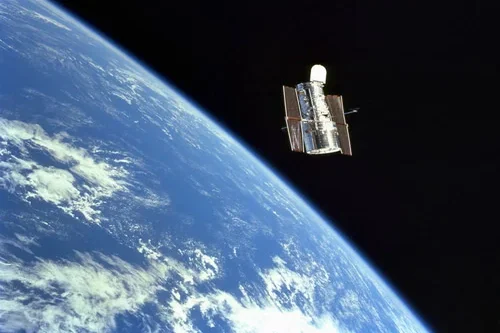
Advanced Earth Observing Satellite (ADEOS) is a Japanese satellite program developed by Japan Aerospace Exploration Agency (JAXA) to monitor Earth’s environment from space. ADEOS was Japan’s first major international satellite dedicated to Earth observation. The ADEOS is also known as “MIDORI” which is a Japanese word that means “Green”. MIDORI was launched from Tanegashima Space…
-

What are Pulse Tube Cryocoolers?
Pulse tube cryocoolers are refrigeration devices that achieve cryogenic temperatures (below 123 K) without moving parts in the cold region, making them reliable and low-maintenance solutions for various applications in science and industry. They are particularly useful in fields such as aerospace, medical imaging, and superconducting technologies. Pulse tube cryocoolers operate on the principle of…
-

What is a Power Processing Unit (PPU) for Thrusters?
A Power Processing Unit (PPU) for thrusters is a critical component in spacecraft propulsion systems. It serves the crucial function of converting the spacecraft’s primary electrical power—typically generated by solar panels or onboard batteries—into the specific forms and levels required to operate the thrusters effectively. This conversion is crucial for maintaining the required thrust levels,…
-
What is a Pointing Accuracy of a ADCS System?
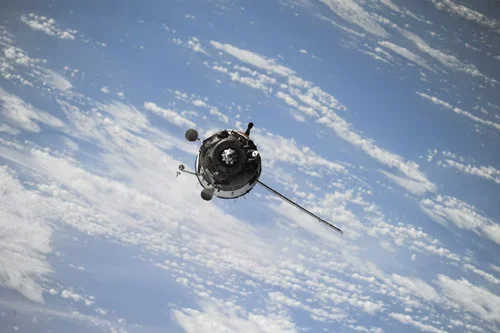
ADCS System Pointing accuracy refers to the ability of a satellite’s Attitude Determination and Control System (ADCS) to precisely orient and maintain its intended direction in space. This is crucial for tasks such as imaging, communication, and scientific observation, where the satellite’s instruments must be accurately aligned with specific targets or regions. The pointing accuracy…
-
What is a Payload Mass of a Satellite Bus?
The payload mass of a satellite bus refers to the weight of the instruments and equipment that the satellite is designed to carry and deploy in space. This includes scientific instruments, communication devices, sensors, cameras, and other mission-specific hardware. Payload mass is the total weight of the functional components that the satellite carries to perform…
-
What is Data Acquisition Rate of Earth/Horizon Sensor?
The data acquisition rate of an Earth/Horizon sensor refers to the frequency at which the sensor collects and processes data about the Earth’s horizon. This rate is crucial for the accurate and timely determination of a satellite’s orientation relative to Earth, ensuring that the satellite maintains its intended attitude for communication, imaging, and other missions.…
-
What is a Payload Peak Power of a Satellite Bus?
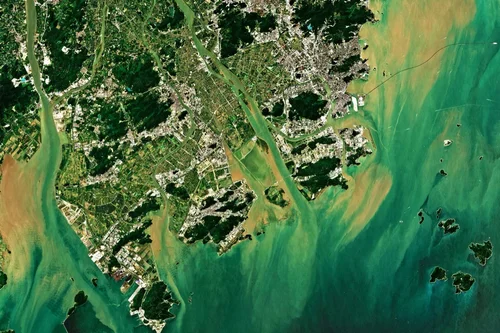
The payload peak power of a satellite bus is a crucial parameter in satellite design and operation. The peak power refers to the highest power level that the payload requires during its most intensive operational phases. This value is critical for designing the satellite’s power subsystem, ensuring it can handle peak loads without interruption. It…
-
What are Stirling Cryocoolers?
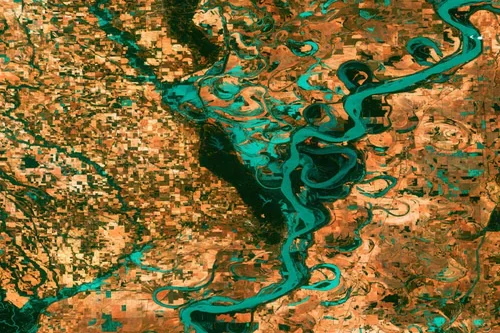
Stirling cryocoolers are advanced refrigeration systems designed to achieve cryogenic temperatures, typically below 120 Kelvin (-153.15°C). They operate based on the Stirling cycle, which involves cyclic compression and expansion of a working gas (usually helium) to produce cooling. These cryocoolers are known for their high efficiency, reliability, and ability to achieve very low temperatures, making…
-
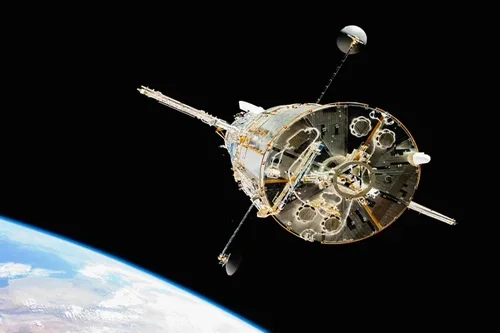
What is CALIPSO (Cloud-Aerosol Lidar and Infrared Pathfinder Satellite)?
The CALIPSO mission (Cloud-Aerosol Lidar and Infrared Pathfinder Satellite Observations) represents a collaboration between NASA and the French space agency CNES. Launched on April 28, 2006, the satellite was conceived to enhance the understanding of the role clouds and aerosols play in Earth’s climate system and air quality. Aerosols tiny particles like dust, smoke, and…