
Tag: asteroid
-
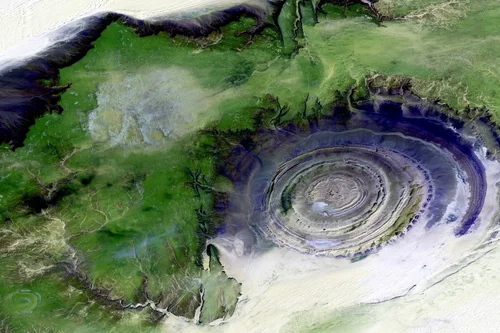
Tianwen-2 Reaches Kamo’oalewa at 20 km After 400-Day Transit
Has China’s Tianwen-2 Reached Asteroid Kamoʻoalewa? Yes — and the first close-up image has already rewritten what planetary scientists thought they knew about it. China’s Tianwen-2 sample return spacecraft arrived at near-Earth asteroid 469219 Kamoʻoalewa (2016 HO3) on July 6, 2026, establishing a 20-kilometer station point after a transit of approximately 1 billion kilometers across…
-
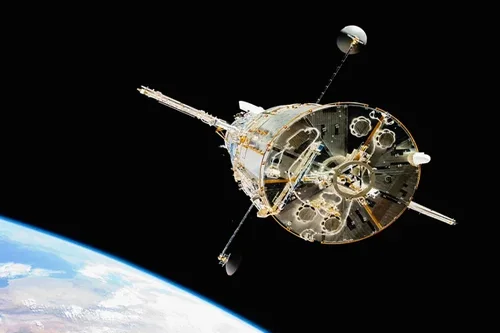
Rubin Observatory team discovers 11,000 new asteroids, with help from University of Washington software
A model of the inner solar system shows asteroids discovered by the Rubin Observatory in light teal. Previously known asteroids are dark blue. The model highlights almost 12,700 asteroids that the Rubin team has discovered over the course of a year and a half. (Photo: NSF–DOE Vera C. Rubin Observatory / NOIRLab / SLAC /…
-
A private space company has a radical new plan to bag an asteroid
It may sound fanciful, but a Los Angeles-based company says it has conceived of a plan to fly out to a smallish, near-Earth asteroid, throw a large bag around it, and bring the body back to a “safe” gathering point near our planet. The company, TransAstra, said Wednesday that an unnamed customer has agreed to…
-

Rubin Observatory spots an asteroid that spins fast enough to set a record
An artist’s conception zeroes in on a main-belt asteroid called 2025 MN45, which makes a full rotation in less than two minutes. (Credit: NSF-DOE Vera C. Rubin Observatory / NOIRLab / SLAC / AURA / P. Marenfeld) Astronomers say they’ve found an asteroid that spins faster than other space rocks of its size. The asteroid,…
-
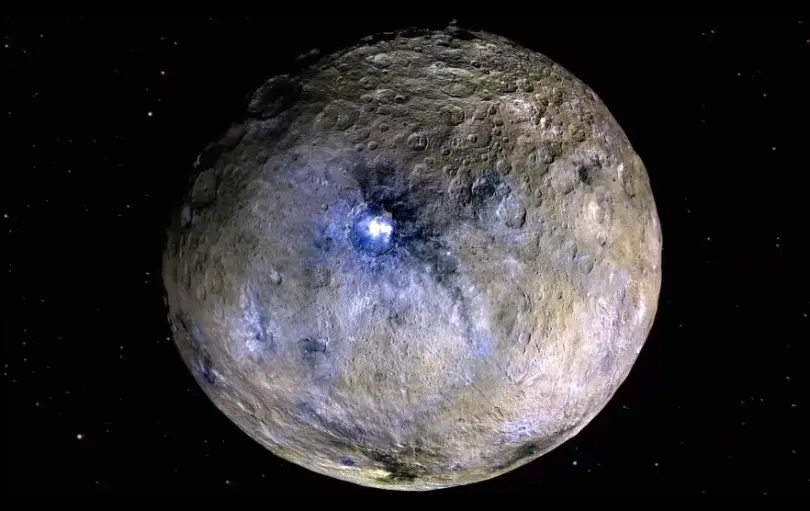
Data from NASA’s Dawn reveals chemical energy source on Ceres
Using data from NASA’s now-retired Dawn spacecraft, scientists have found that Ceres, a dwarf planet and the largest object in the asteroid belt, may have once had a lasting source of chemical energy. The Dawn data revealed evidence of molecules needed to fuel microbial metabolisms on Ceres. While the finding doesn’t confirm that microorganisms existed…
-
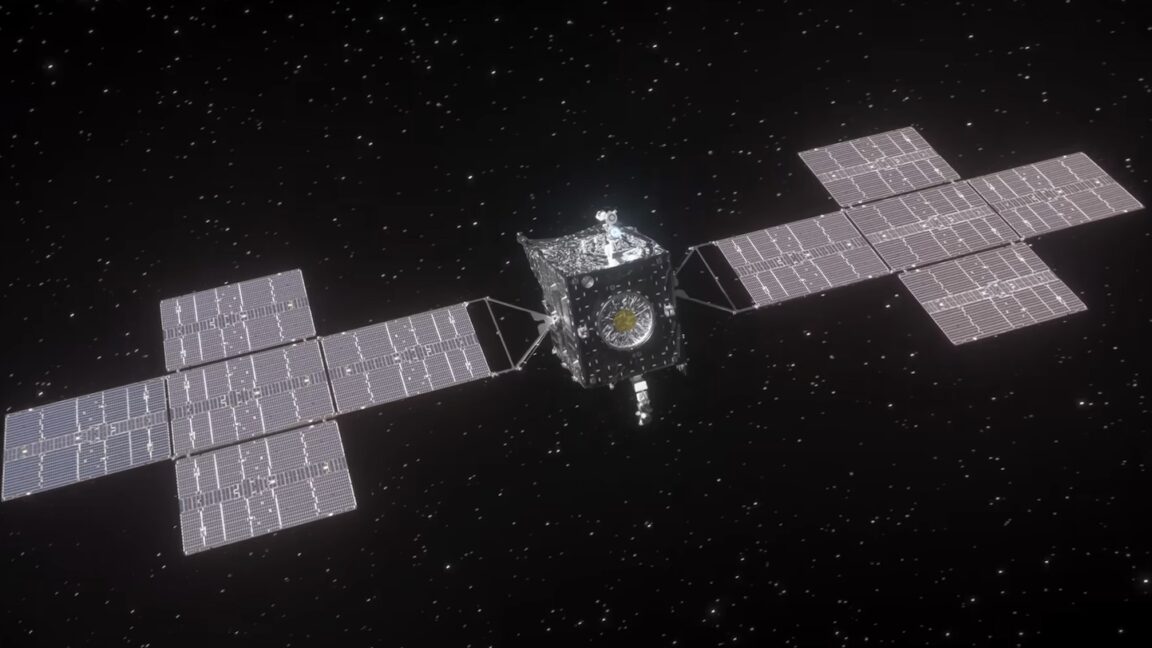
Psyche keeps its date with an asteroid, but now it’s running in backup mode
A NASA spacecraft bound for an unexplored metal-rich asteroid has reignited its plasma thrusters, continuing its cruise deeper into the Solar System after switching to a backup fuel line. The $1.4 billion Psyche mission, built to explore an asteroid with the same name, has four electric thrusters fueled by xenon gas. Psyche’s solar-electric propulsion system…
-
China launches the Tianwen-2 asteroid sample return mission
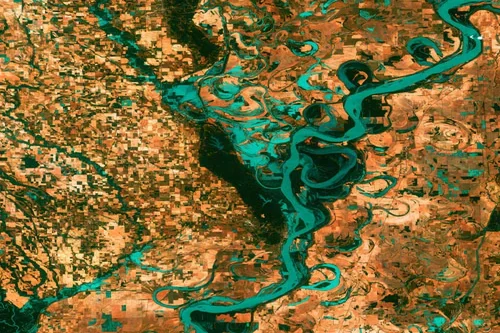
The Chinese space program is preparing to join the Japan Aerospace Exploration Agency (JAXA) and NASA in returning samples from an asteroid to Earth. The Tianwen-2 probe and its Chang Zheng 3B/E (CZ-3B/E) rocket launched successfully from Launch Complex 2 (LC-2) at the Xichang Satellite Launch Center in southwest China on Wednesday, May 28, at…
-
NASA’s Psyche spacecraft hits a speed bump on the way to a metal asteroid
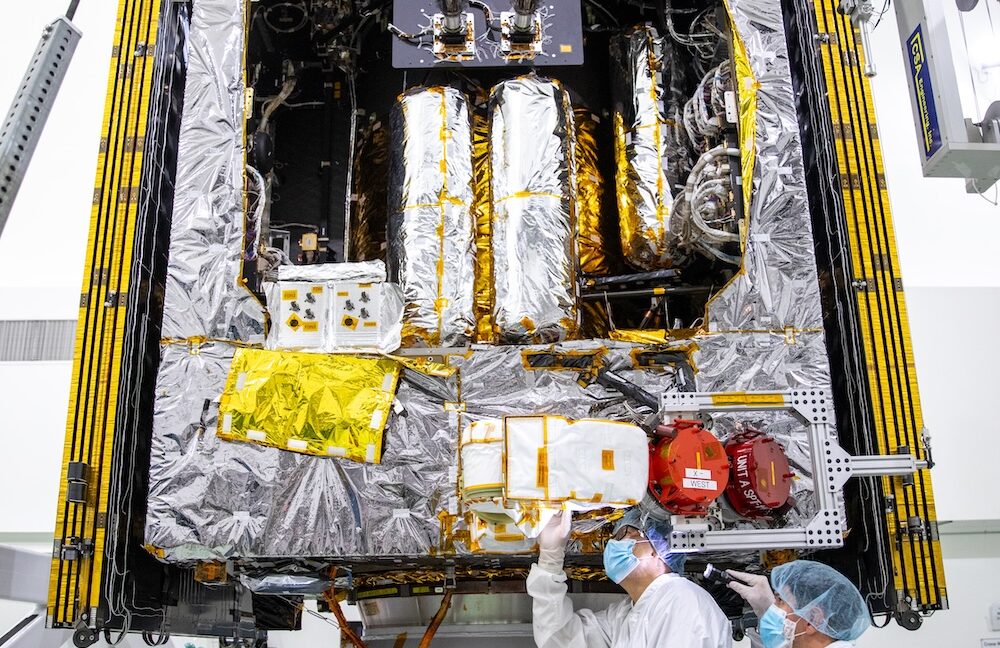
NASA’s Psyche spacecraft, located nearly 150 million miles from Earth on the way to an unexplored metal asteroid, has stopped firing its engines after detecting a problem in its propulsion system. NASA published an update Tuesday revealing that the robotic spacecraft shut off its plasma thrusters earlier this month. The news wasn’t widely shared until…
-
Asteroid 2024 YR4 is going to miss Earth, but the story doesn’t end there
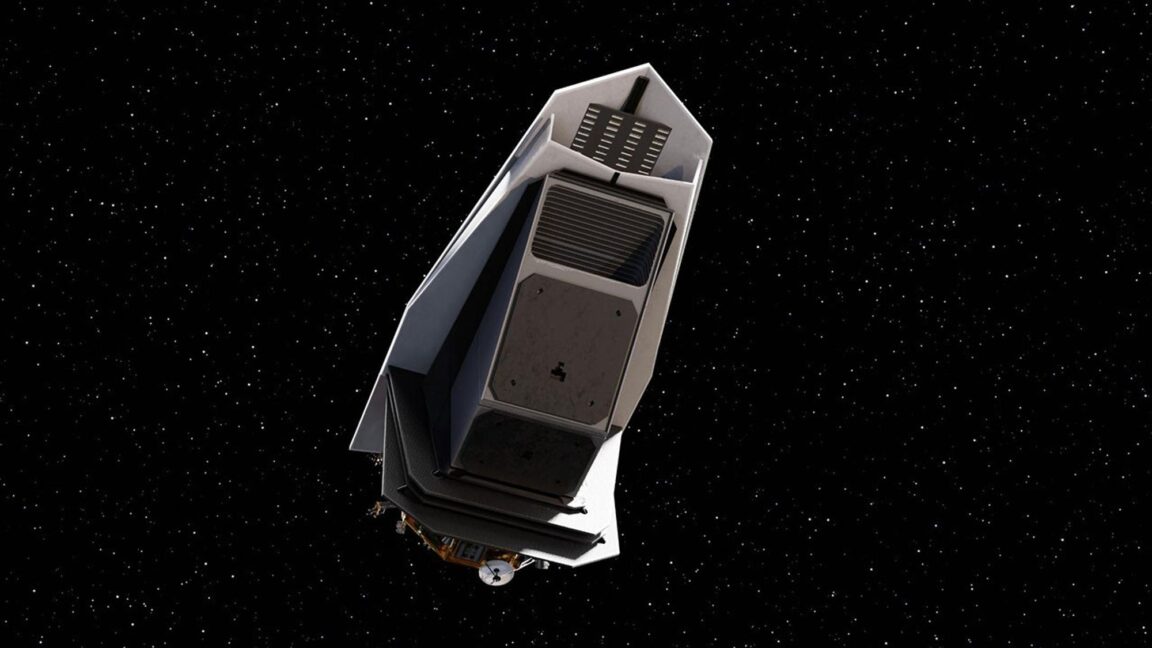
It was only a few days ago that a certain fear-mongering website named, ahem, Ars Technica published an article about the prospect of a killer asteroid striking the planet Earth in the year 2032. At the time, the odds of a small asteroid first discovered late last year—and designated 2024 YR4—hitting us were non-negligible. There…
-
The odds of a city-killer asteroid impact in 2032 keep rising. Should we be worried?
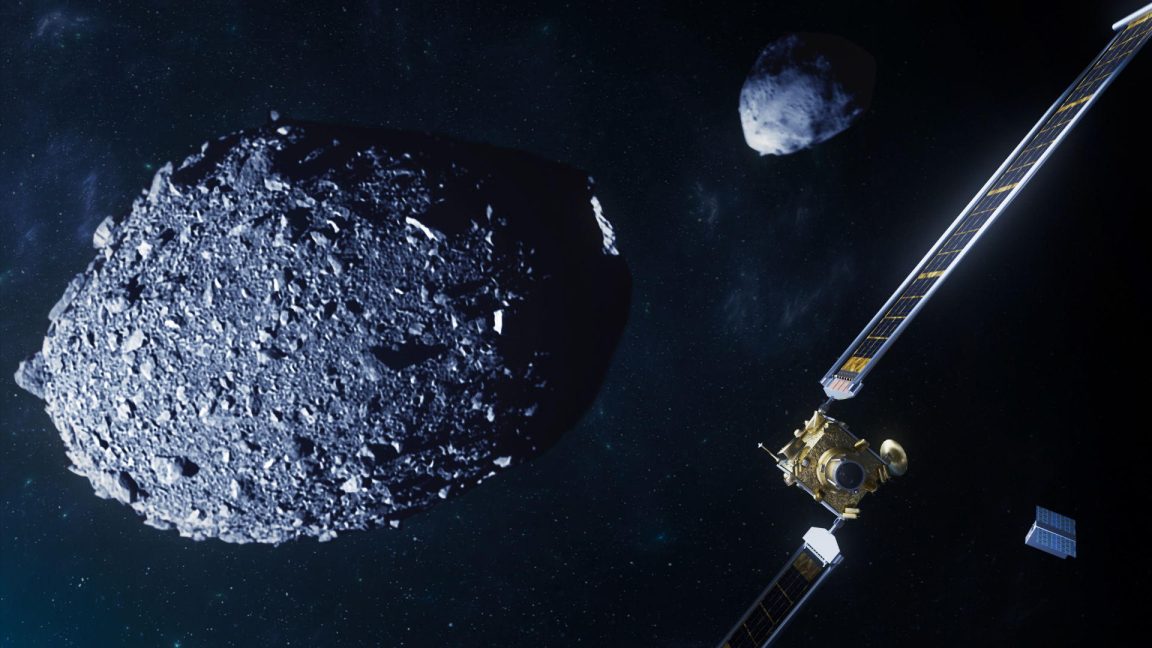
An asteroid discovered late last year is continuing to stir public interest as its odds of striking planet Earth less than eight years from now continue to increase. Two weeks ago, when Ars first wrote about the asteroid, designated 2024 YR4, NASA’s Center for Near Earth Object Studies estimated a 1.9 percent chance of an…