
Tag: Commercial Spaceflight
-
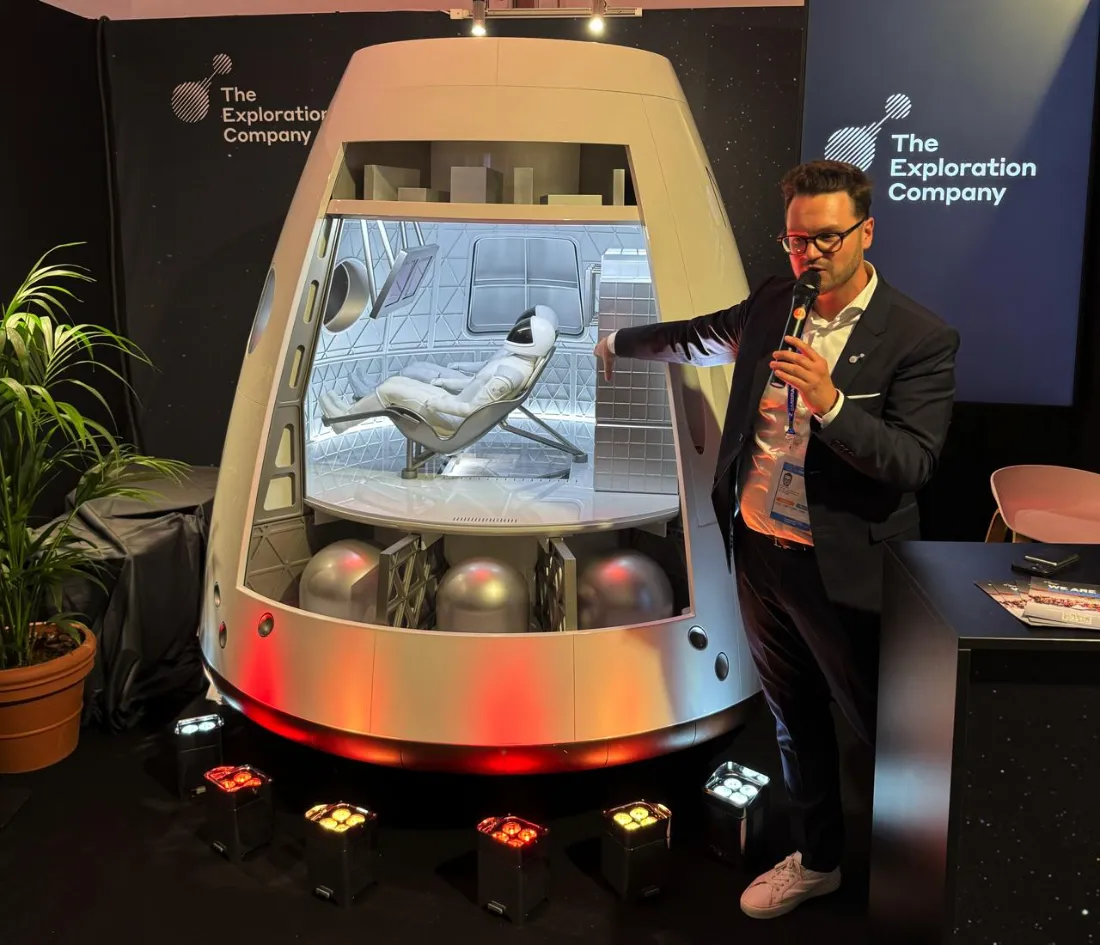
The Exploration Company Raises $450 Million for Nyx Space Capsule and Storm Rocket Engine
European space logistics startup The Exploration Company has raised $450 million (€387 million) in Series C funding to advance its reusable Nyx cargo capsule and Storm rocket engine. Announced on September 8, the financing brings the company’s total funding since its establishment in 2021 to approximately $680 million. The round was co-led by U.S. venture…
-
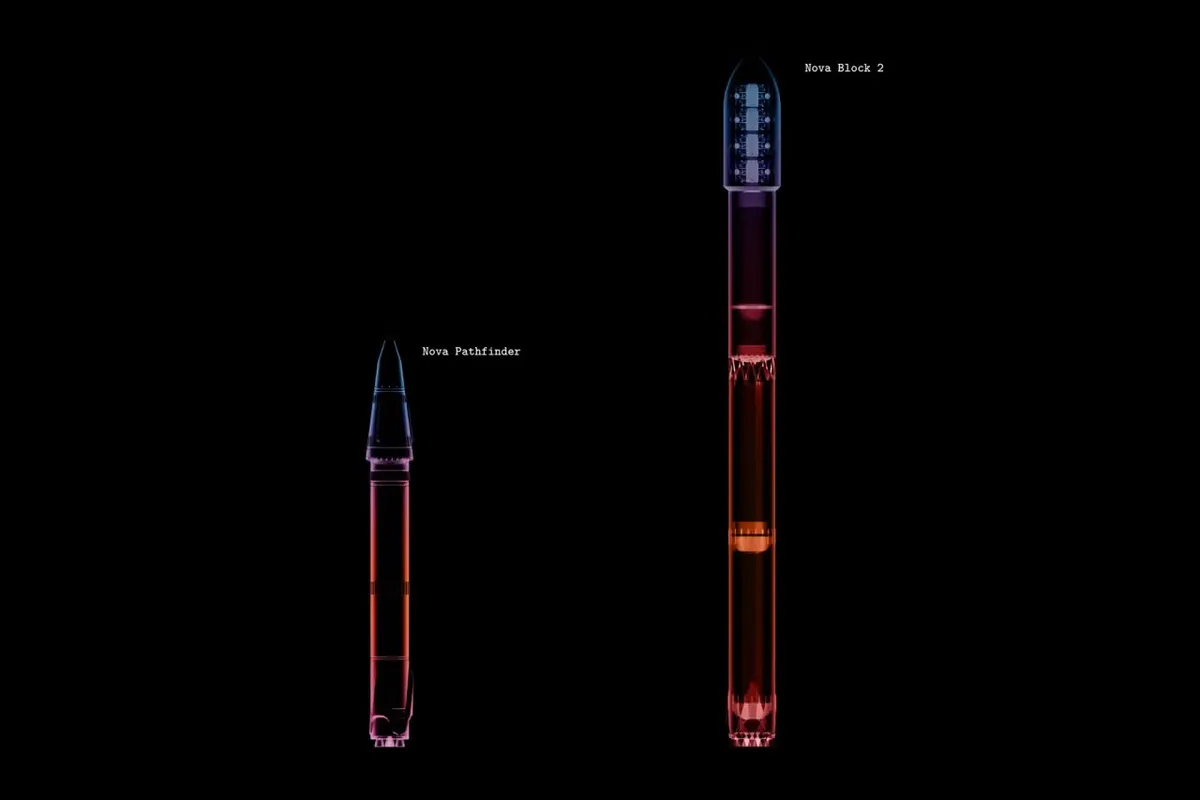
Stoke Space Raises $1 Billion, Targets Early 2027 Debut for Fully Reusable Nova Rocket
Stoke Space announced on September 8 that it completed the initial closing of a $1 billion Series E financing round, bringing its total capital raised to $2.3 billion. The Kent, Washington-based company will use the funding to prepare its fully reusable Nova Pathfinder rocket for a first orbital launch in early 2027, expand production and…
-
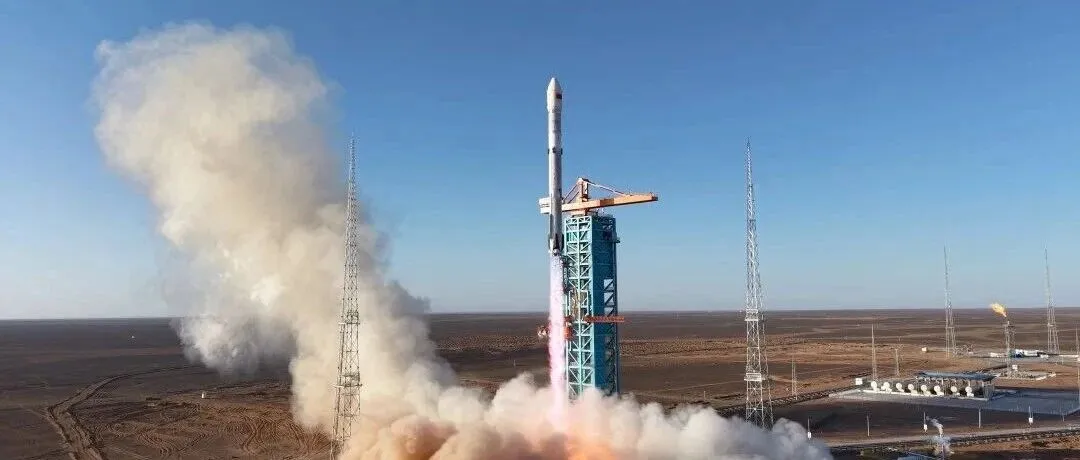
China’s Private Rockets Accelerate Toward Orbit: Who Has Made It—and Who Is Next in Line
On September 1, PALLAS-1 Y1 lifted off from Jiuquan. Galactic Energy is no longer a company with only small solid-fueled rockets: its 52-meter-tall, medium-to-heavy liquid launch vehicle, powered by seven clustered liquid oxygen/kerosene engines, has now completed its first orbital flight. PALLAS-1 Y1 lifts off. Image source: Galactic Energy website, September 2, 2026. Less than…
-
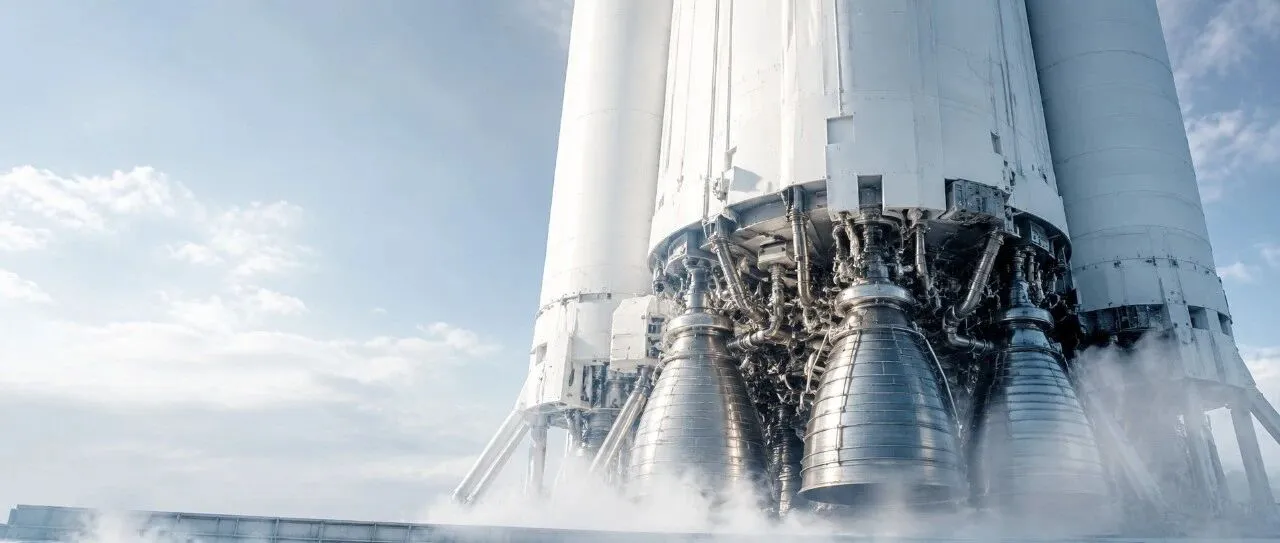
PALLAS-1 Completes Successful Maiden Flight: Why Did Galactic Energy Stick With LOX/Kerosene?
On the morning of September 1, PALLAS-1 Y1 lifted off from Jiuquan and successfully entered its planned orbit. For Galactic Energy, the mission marked not only the debut of a new launch vehicle, but also the company’s transition from small solid-fuel rockets to a medium-lift liquid-fuel rocket. The rocket also embodies a choice that is…
-
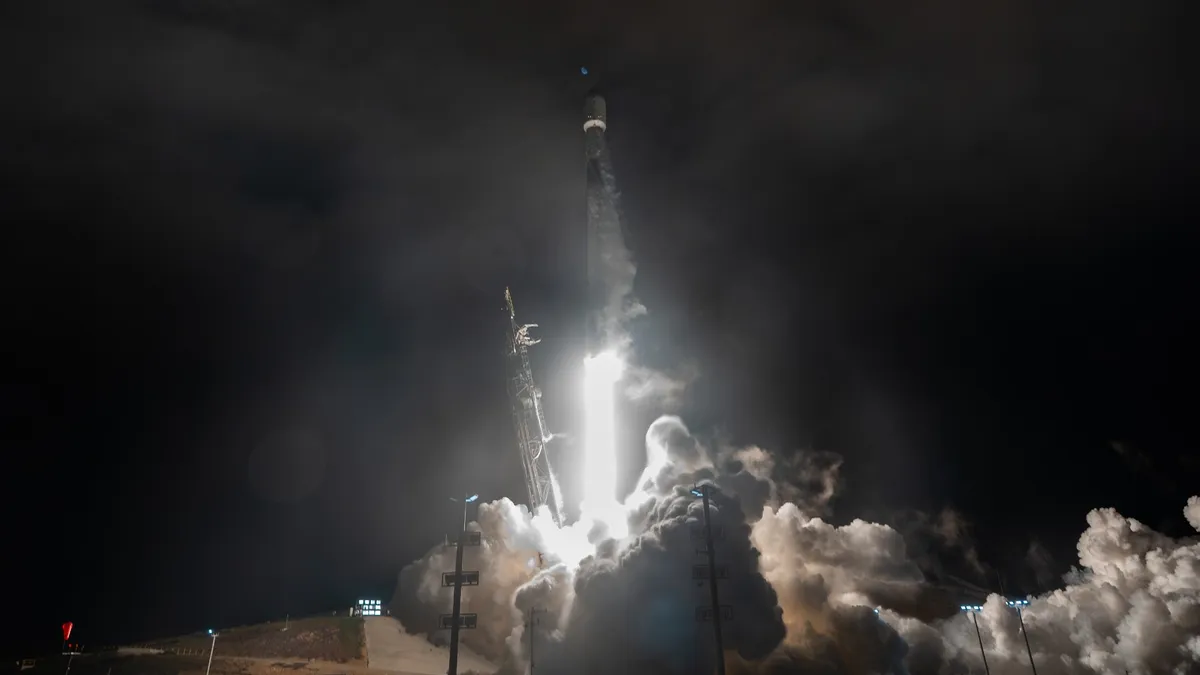
SpaceX Launches 27 Starlink Satellites as Falcon 9 Booster Completes 35th Flight (Video)
A SpaceX Falcon 9 launched 27 Starlink satellites from Space Launch Complex 4 East (SLC-4E) at Vandenberg Space Force Base in California on Sept. 2, 2026 at 1:42 a.m. PT (4:42 a.m. ET). Credit: SpaceX SpaceX launched 27 Starlink broadband satellites from California on September 2, extending the company’s low Earth orbit communications network while…
-
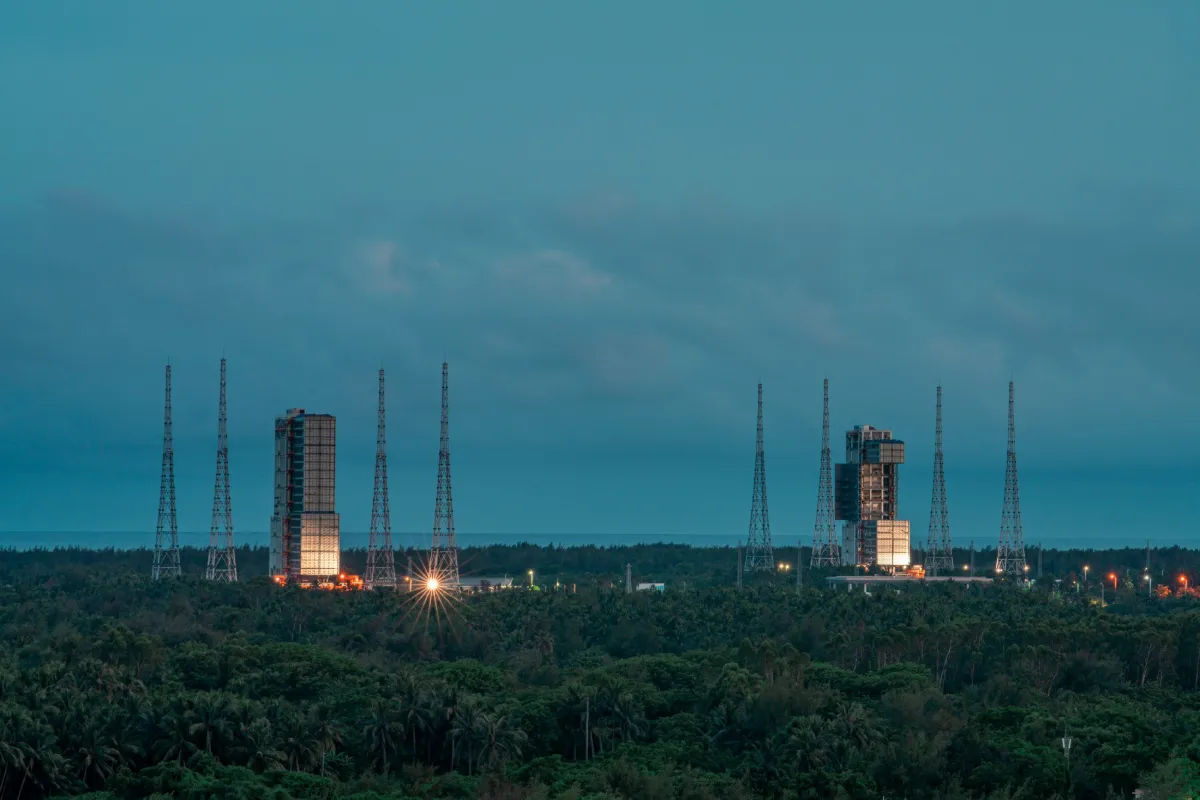
Hainan Could Become the Hub of China’s Commercial Space Future
The global launch industry is entering a new phase, one defined less by whether rockets can reach orbit and more by how quickly launch capacity can scale. Firefly Aerospace CEO Jason Kim recently pointed to a widening imbalance between the number of satellites waiting to fly and the amount of launch capacity available to carry…
-
China’s Satellite Market: Where the Value Flows — Market Share, Core Advantages and Moats
According to publicly available information, six of the eight winning bidders for ground terminal contracts under the Spacesail constellation have adopted chip solutions from Zhirong Technology. Among the potential suppliers for the GW constellation (Guowang), several have likewise chosen Zhirong Technology’s Ka-band solutions. Zhirong’s positioning differs from that of Chengchang Technology. Chengchang has staked its…
-
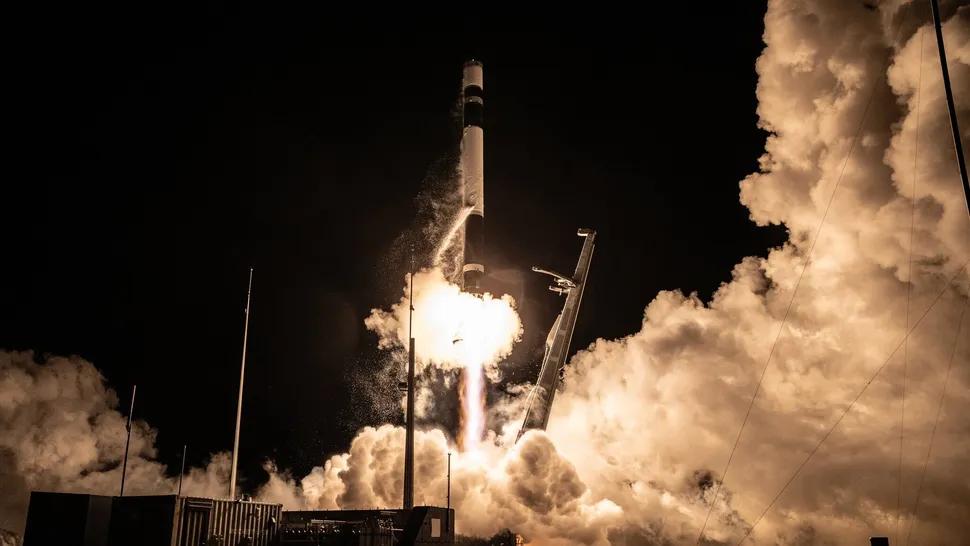
Rocket Lab Targets Sept. 2 Launch for Synspective’s 11th StriX Radar Satellite
Rocket Lab is preparing to launch another synthetic aperture radar satellite for Japanese Earth observation company Synspective, extending one of the small-launch sector’s largest dedicated constellation deployment campaigns. The Electron rocket is scheduled to lift off from Rocket Lab Launch Complex 1 on New Zealand’s Mahia Peninsula during a window opening at 11:00 UTC on…
-
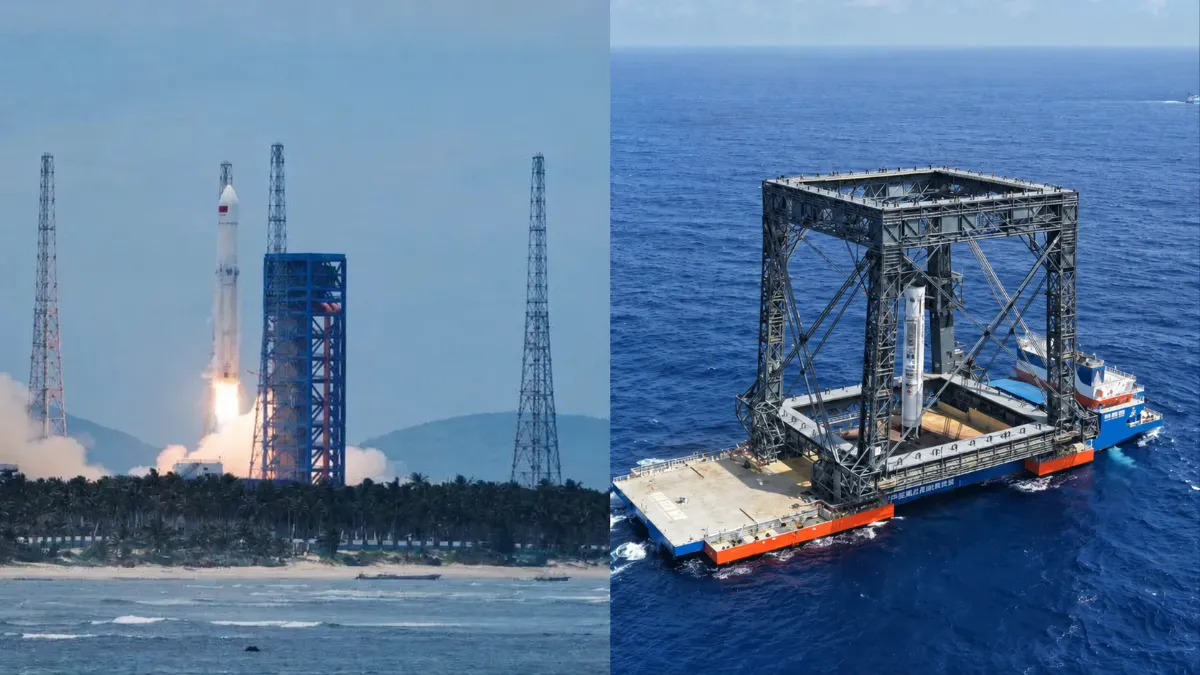
Six Key Metrics for Assessing China’s Reusable Rockets
China’s reusable-rocket race has reached a turning point. With the Long March-10B completing an offshore net-capture recovery and Zhuque-3 Y2 landing its first stage on deployable legs, the country has demonstrated that it can recover intact boosters from orbital-class missions. But landing a rocket is not the same as reusing it—and reuse does not automatically…
-
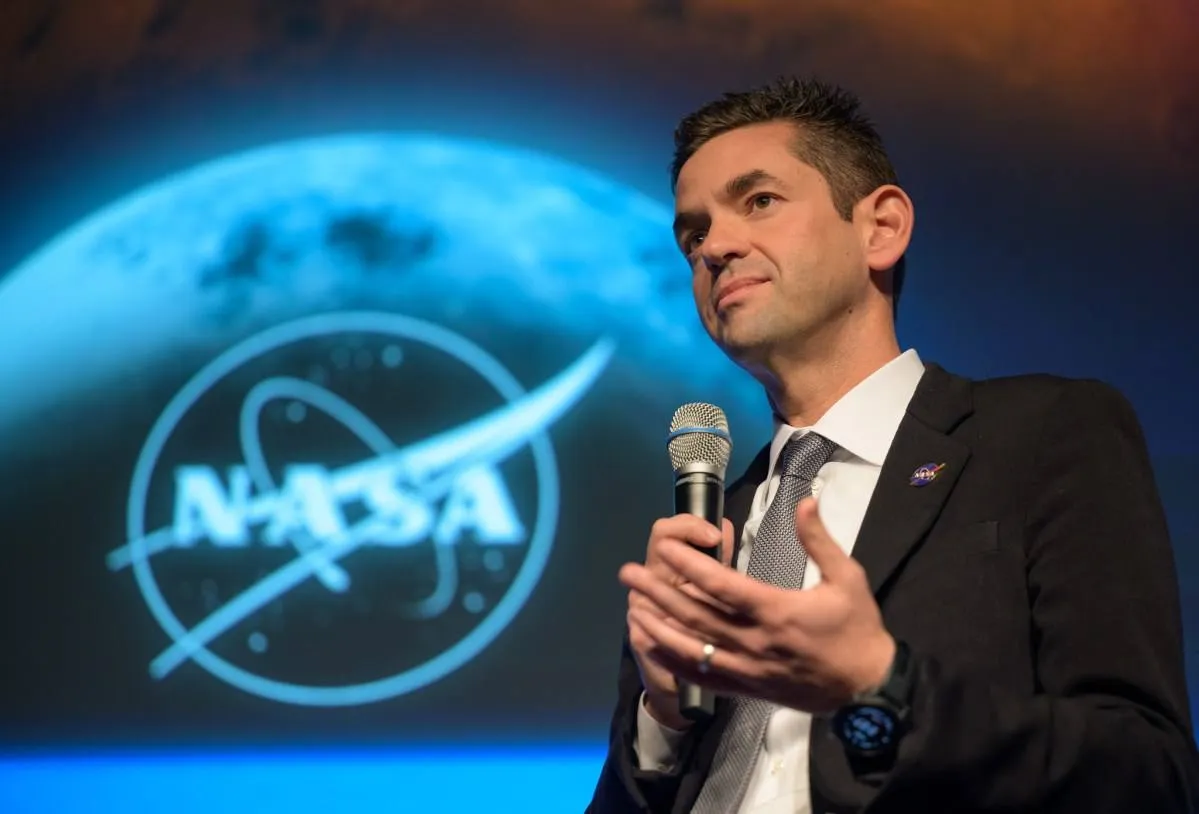
NASA Chief Floats Orbital Data Centers as AI Infrastructure Push Extends Into Space
NASA Administrator Jared Isaacman has publicly endorsed the idea of placing data centers in orbit, arguing that space-based computing infrastructure could eventually address growing concerns over the energy consumption, land use, and local opposition associated with terrestrial AI facilities. Speaking on a recent podcast appearance, Isaacman suggested that future data centers could take advantage of…