
Tag: dark energy
-
NASA Powers Up Roman’s 300-Megapixel Camera, Checks Coronagraph Systems
NASA has activated the 300-megapixel Wide Field Instrument aboard the Nancy Grace Roman Space Telescope and completed initial checks of its Coronagraph Instrument, confirming that both payloads survived launch and are operating in space. The commissioning milestones, including activation of Roman’s 18 infrared detectors on September 11, keep the observatory on schedule to release its…
-
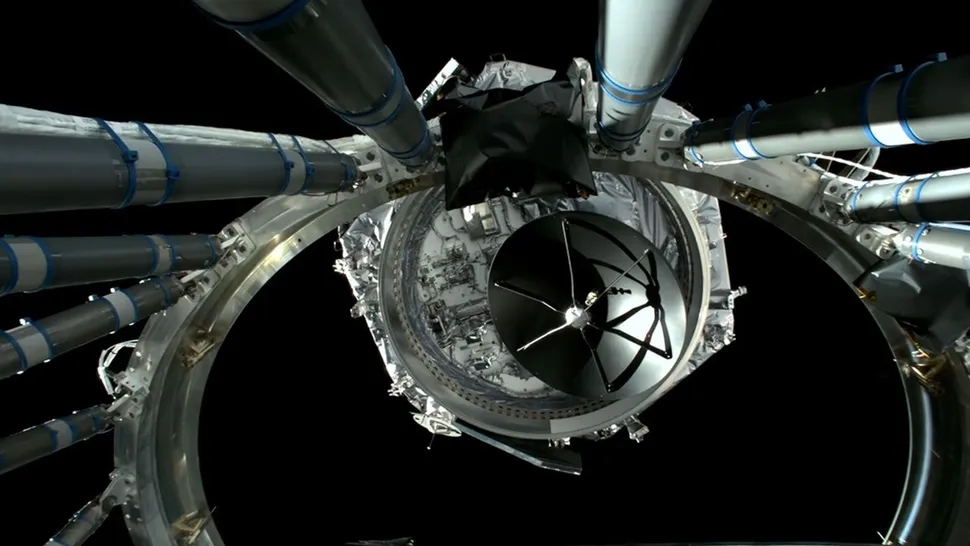
NASA Powers On Roman Space Telescope Instruments During Journey to L2
Roman is still traveling to its destination in space, with NASA gradually powering on and checking its instruments along the way. NASA has activated the Nancy Grace Roman Space Telescope’s 300-megapixel Wide Field Instrument and completed initial checks of its Coronagraph Instrument, the agency said Sept. 15. The observatory, launched Aug. 30 on a SpaceX…
-
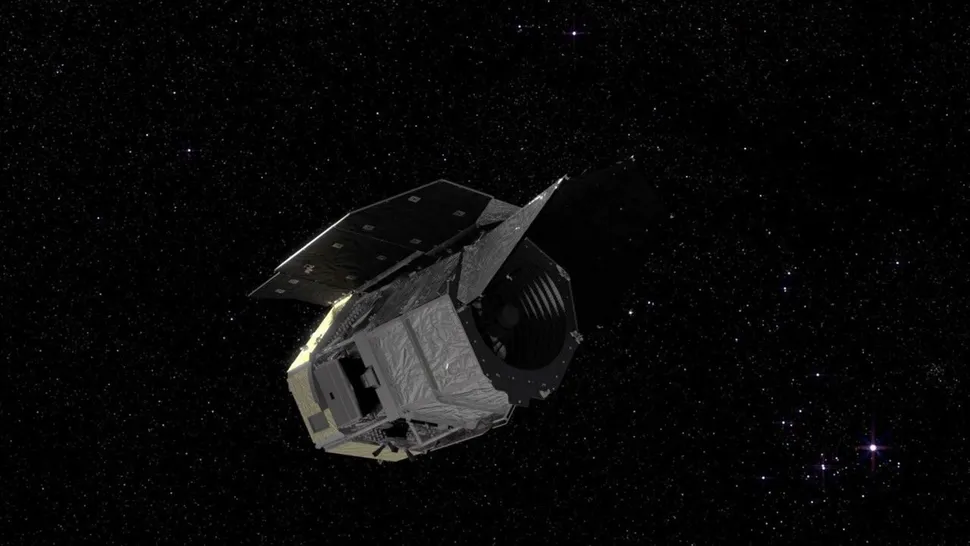
NASA’s Roman Space Telescope Fuel Savings Extend Potential Mission Life to 22 Years
NASA’s Nancy Grace Roman Space Telescope could support at least 22 years of science operations—more than double its original 10-year fuel budget—after a highly accurate trajectory-correction burn used less than one-tenth of the propellant allocated for the maneuver, the agency announced September 14. Roman launched at 7:26 a.m. EDT on August 30 aboard a SpaceX…
-

NASA’s Roman Space Telescope Launches on Falcon Heavy to Map Two Billion Galaxies
NASA’s Nancy Grace Roman Space Telescope launched aboard a SpaceX Falcon Heavy on August 30, beginning a three-month journey to a gravitationally stable observing location nearly one million miles from Earth. The rocket lifted off at 7:26 a.m. EDT from Launch Complex 39A at NASA’s Kennedy Space Center in Florida. Roman separated from Falcon Heavy’s…
-
Roman Space Telescope Launches September, 8 Months Early
Will the Roman Space Telescope Launch on Schedule? NASA announced today that the Nancy Grace Roman Space Telescope will launch in September 2026, eight months ahead of its original May 2027 schedule and coming in under its $4.2 billion cost cap. The wide-field infrared observatory, designed to investigate dark energy and hunt for exoplanets, represents…
-

ESA reveals Euclid’s first five images
The European Space Agency (ESA) has released the first full-color images from Euclid, the agency’s latest space telescope designed to study the nature and distribution of dark matter and dark energy in the universe. During a video broadcast on Nov. 7, scientists, engineers, and agency officials unveiled the telescope’s first five images. The images reveal…
-
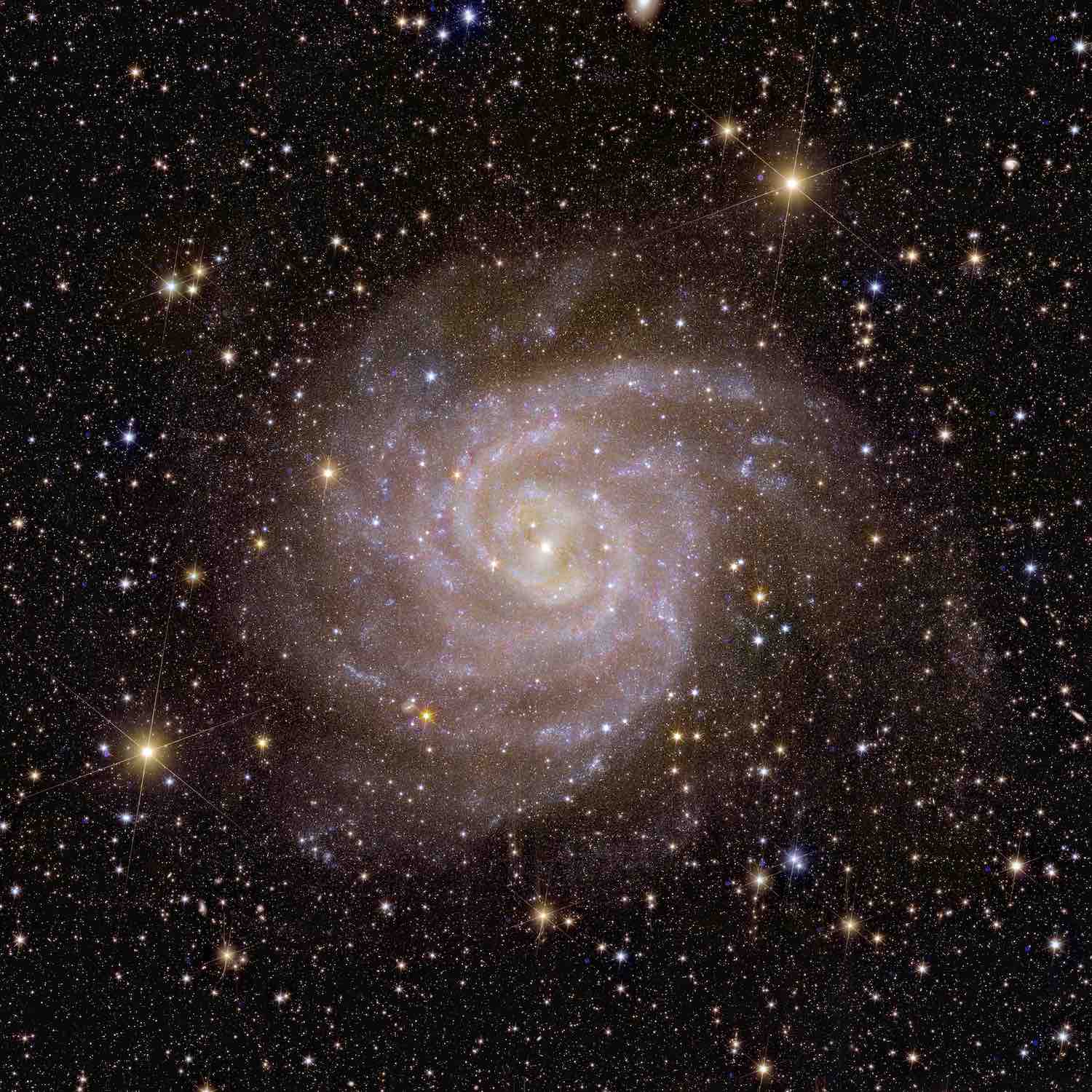
Scientists show off the wide vision of Europe’s Euclid space telescope
The European Space Agency released the first five science images from the Euclid space telescope Tuesday, showing how the wide-angle observatory will survey familiar cosmic wonders like galaxies and stars to study the unseen dark energy and dark matter that dominate the Universe. Stationed nearly a million miles (1.5 million kilometers) from Earth, Euclid will…
-
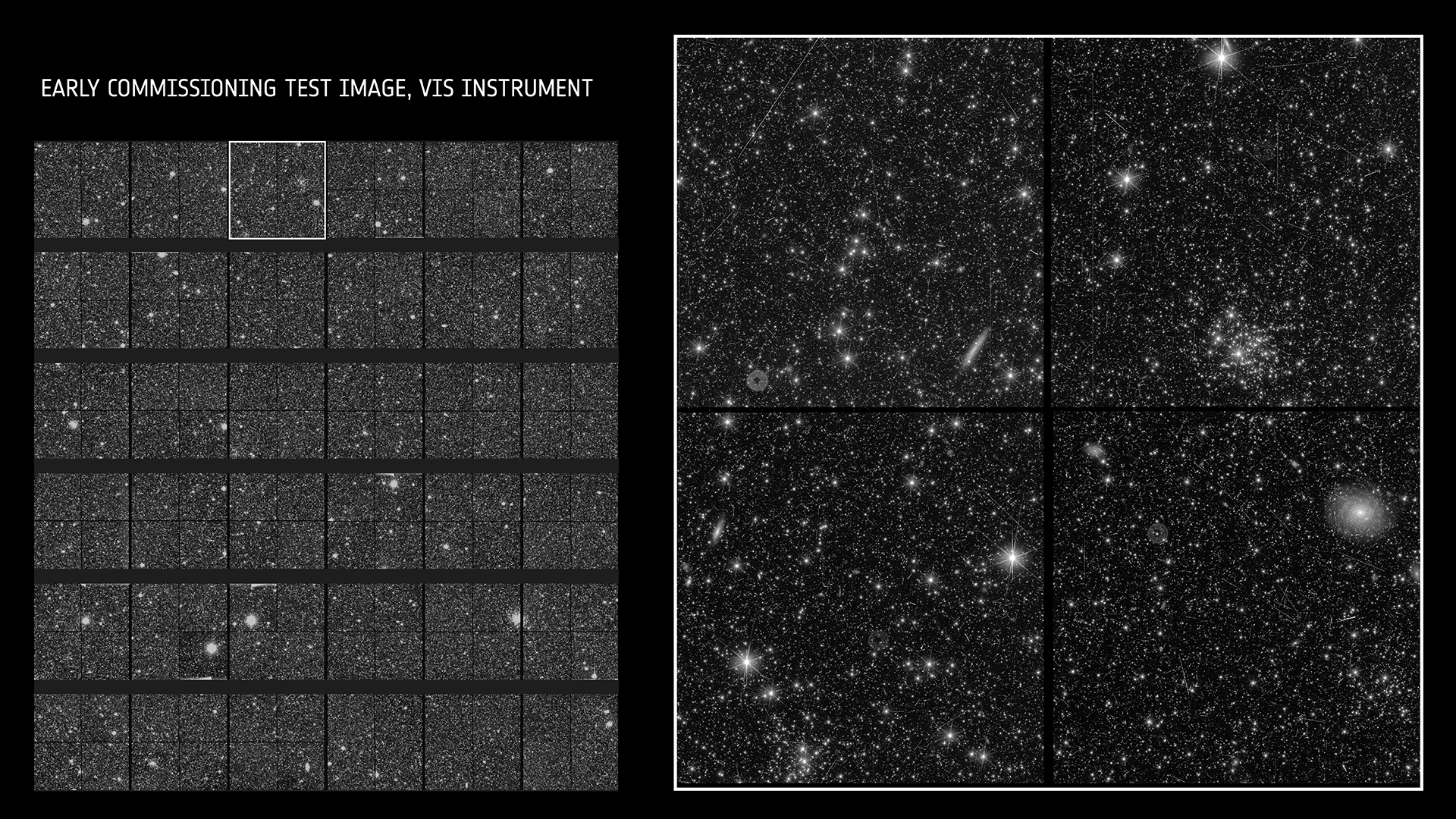
Europe turns its new $1.5 billion space telescope on, and happily it works
Nearly one month after launching into space, a European telescope has begun taking its first images and data of the Universe. And to the delight of scientists at the European Space Agency, everything seems to be working rather well. As part of the months-long commissioning phase, both the telescope’s visual and infrared-light cameras have started…
-
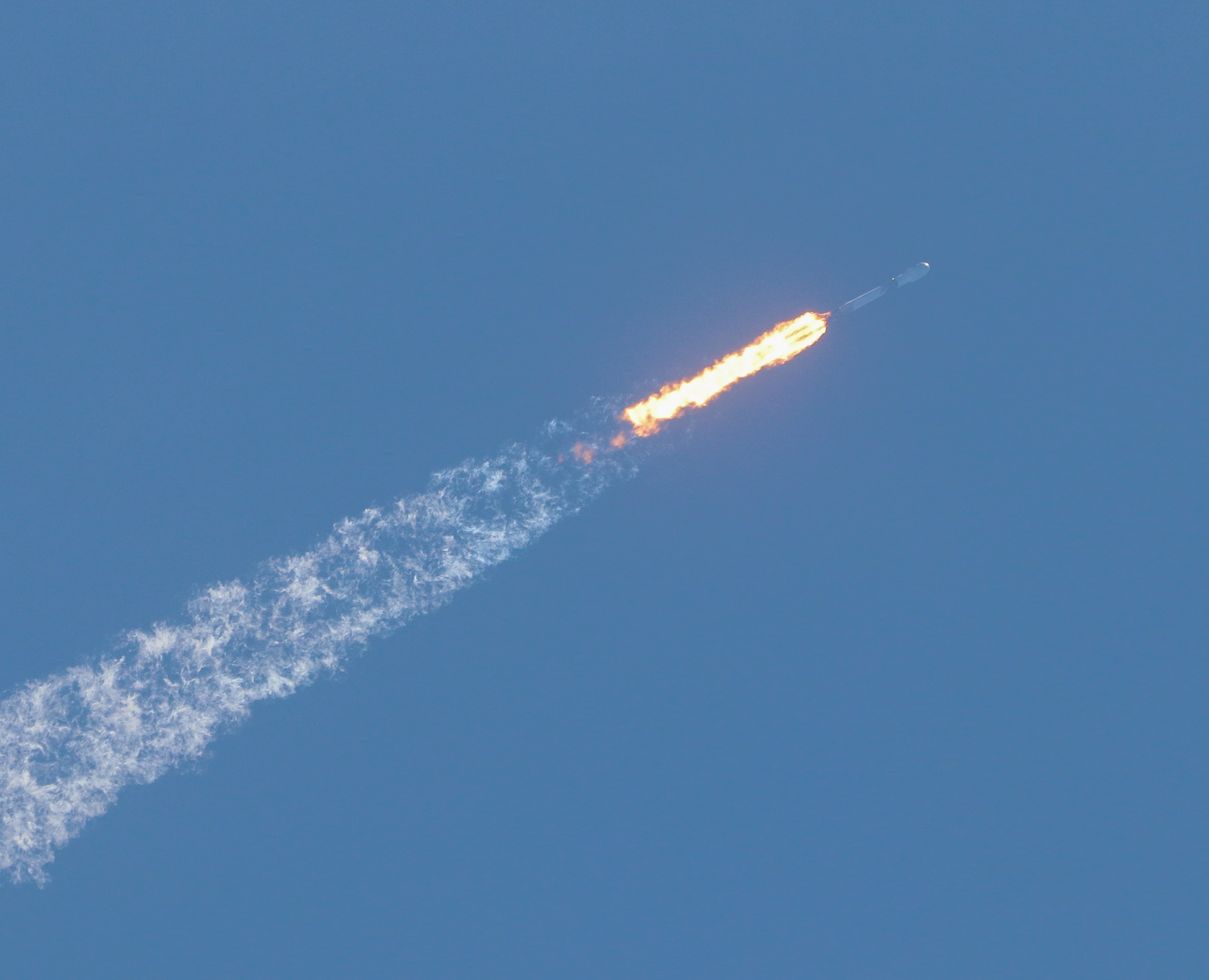
SpaceX launches groundbreaking European dark energy mission
A European Space Agency telescope launched Saturday on top of a SpaceX Falcon 9 rocket from Florida to begin a $1.5 billion mission seeking to answer fundamental questions about the unseen forces driving the expansion of the Universe. The Euclid telescope, named for the ancient Greek mathematician, will observe billions of galaxies during its six-year…
-
SpaceX launches ESA’s Euclid Telescope to explore the dark universe
SpaceX launched its 45th mission of the year, carrying the Euclid telescope from the European Space Agency (ESA). Liftoff was Saturday, July 1, at 11:12 AM EDT (15:12 UTC) from Space Launch Complex 40 (SLC-40) in Florida. ESA’s Euclid will observe a large portion of the sky and deep into the past of the universe…