
Tag: ESA
-
LIGO goes to space: ESA to proceed with LISA gravitational wave detector
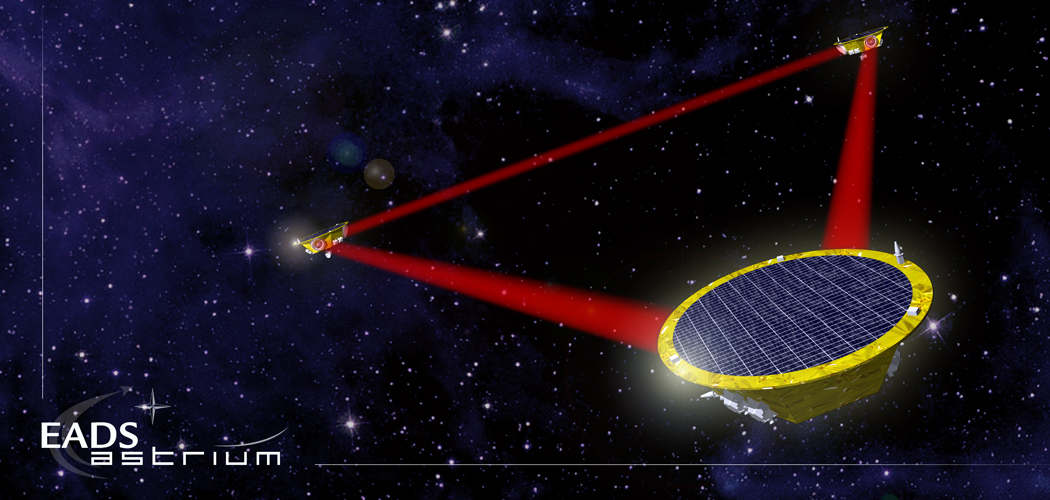
On Thursday, the European Space Agency’s Science Programme Committee gave the go-ahead to the Laser Interferometer Space Antenna, or LISA project. This would mean the construction of the mission’s three spacecraft could begin as early as a year from now. While the interferometer would follow the same basic principles as the ground-based LIGO (Laser Interferometer…
-
Axiom and SpaceX are disrupting Europe’s traditional pathway to space
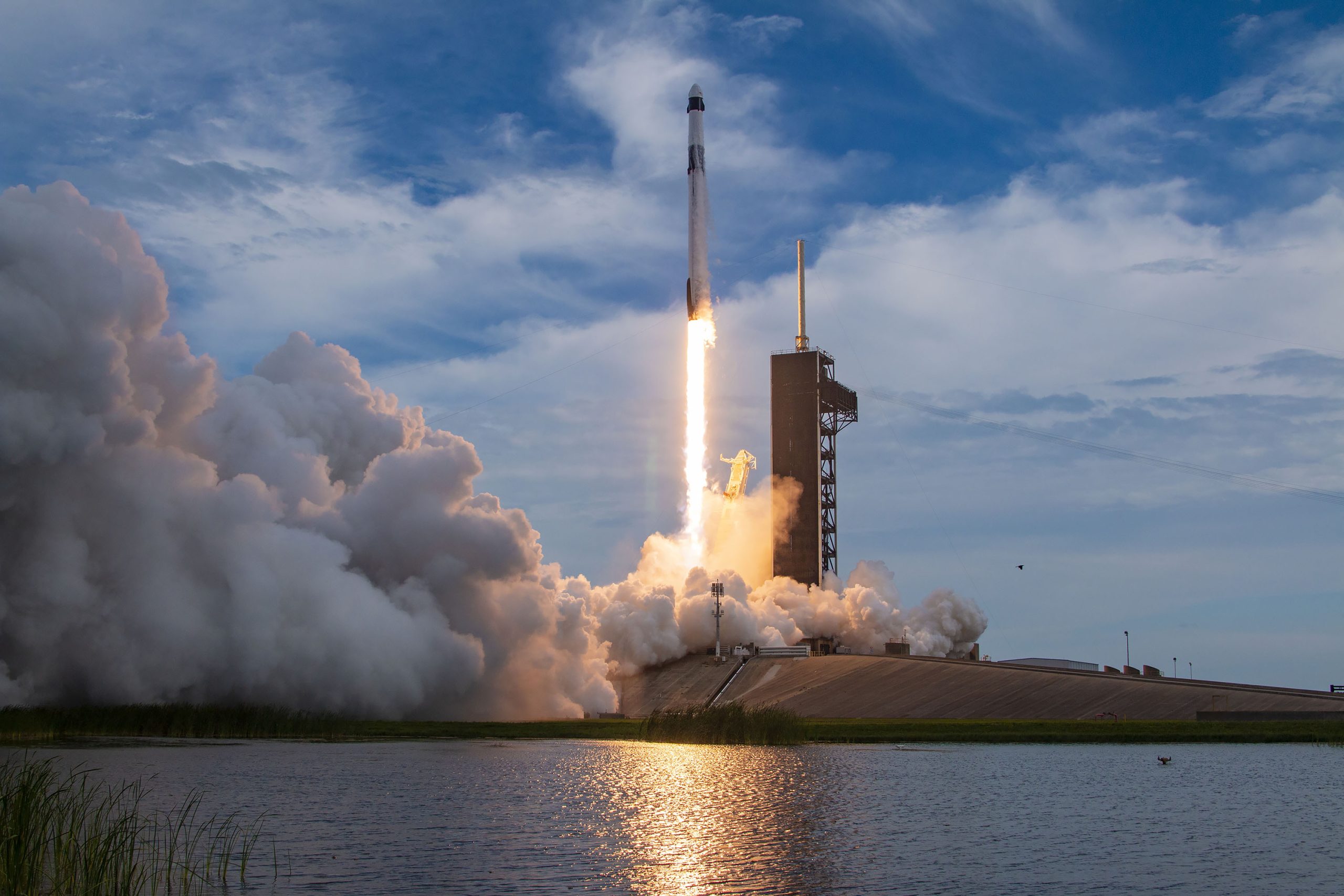
The European Space Agency’s (ESA) has a deal with Axiom Space to get more Europeans in orbit. But does the partnership benefit European taxpayers who fund the agency’s operations? On Wednesday, January 17, the third privately funded mission by US commercial spaceflight company Axiom Space is set to lift off from Kennedy Space Center in…
-
Webb discovers potential aurorae on brown dwarf
Silently floating through the universe are cosmic objects that are both too large to be planets and too small to be stars. Called brown dwarfs, these substellar objects are among the most captivating objects in the universe, and their low surface temperatures mean that most of the light they emit is infrared and thus can…
-
“We are worried,” says European rocket chief at prospect of launch competition
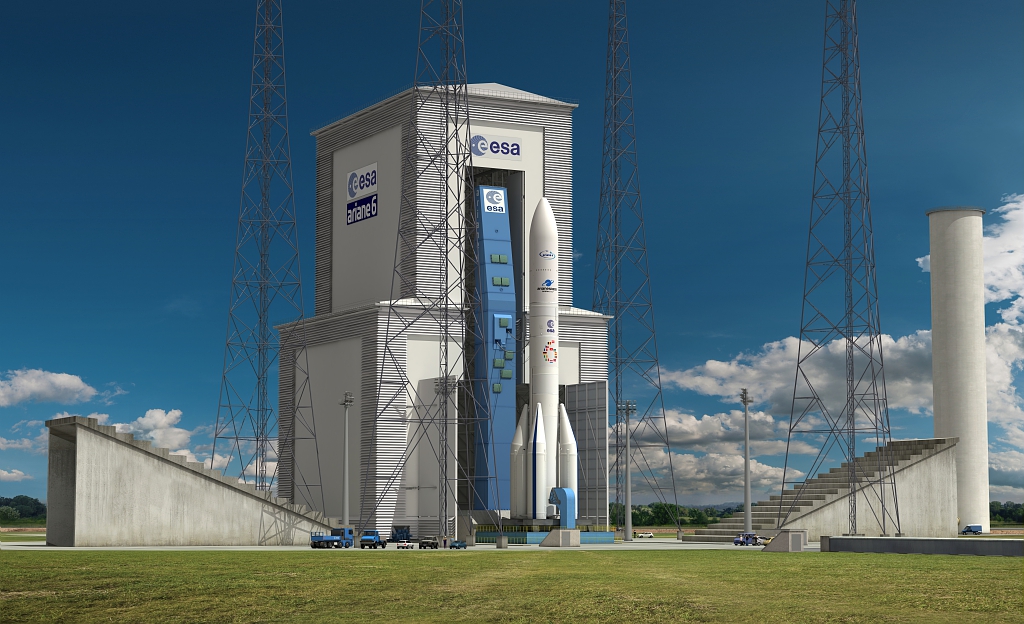
There is “no guarantee” France’s ArianeGroup will continue to be Europe’s rocket launch company of choice, according to the head of the European Space Agency, after ESA member states agreed to introduce more competition to the market. Josef Aschbacher, the agency’s director-general, told the Financial Times that the decision at its space summit in Seville…
-
New survey: Nearly 30% of ESA workers experience workplace harassment
According to a new internal survey conducted by the European Space Agency’s (ESA) staff association, about 30 percent of ESA’s employees have either experienced or witnessed harassment in the workplace. The survey, published internally on December 6 and seen by Ars Technica, confirms the findings of our recent investigation into allegations of harassment and bullying…
-
30 years after its first repair mission, Hubble continues to observe the cosmos
30 years ago, on the very early morning of Dec. 2, 1993, the Space Shuttle Endeavour and the STS-61 crew launched on a high-stakes mission to repair the Hubble Space Telescope. 30 years after the successful flight, which enabled Hubble to finally fulfill its promise to revolutionize our view of the Universe, the veteran observatory…
-
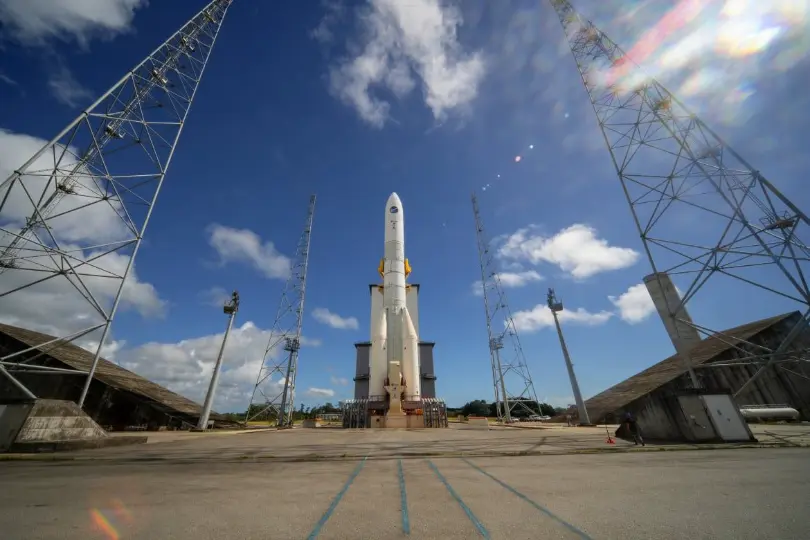
ESA sets launch date for Ariane 6 for summer of 2024
The long-awaited maiden flight of Ariane 6 is scheduled to take place between June 15 and July 31, 2024, European Space Agency (ESA) Director General Josef Aschbacher announced at a press conference on Thursday. This followed a successful hot-fire test of the Vulcain 2.1 core stage engine of the new European launcher on its launch…
-
ESA Director General: Ariane 6 aiming for summer 2024 debut
The Ariane 6 rocket photographed at dusk in French Guiana. During a briefing on Thursday, Nov. 30, ESA officials discussed a summer timeframe for the first launch of the rocket. Image: ESA Lengthy delays for the debut of Europe’s future flagship rocket may have an end in sight. During a briefing with press on Thursday,…
-
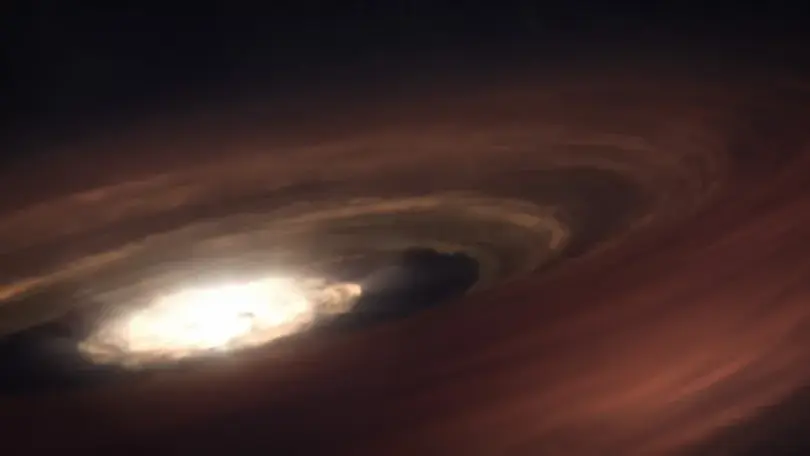
Webb detects neon in young star system, provides insight into planet formation
In 2008, observations from NASA’s now-retired Spitzer infrared space telescope hinted at the presence of neon within the protoplanetary disk of Sun-like star SZ Chamaeleontis (SZ Cha). However, Spitzer’s instruments could not confirm whether this reading was correct. Over a decade after Spitzer’s results were published, the joint NASA, European Space Agency, and Canadian Space…
-
ESA reveals Euclid’s first five images
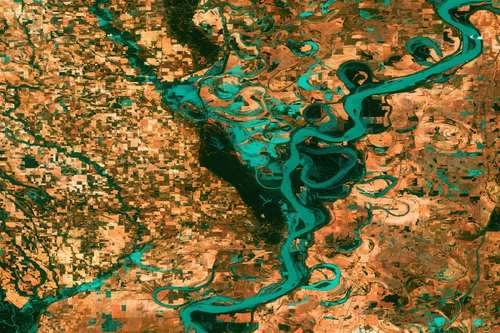
The European Space Agency (ESA) has released the first full-color images from Euclid, the agency’s latest space telescope designed to study the nature and distribution of dark matter and dark energy in the universe. During a video broadcast on Nov. 7, scientists, engineers, and agency officials unveiled the telescope’s first five images. The images reveal…