
Tag: GOES
-

Video: Replay of Atlas 5’s launch with GOES-S weather satellite
NOAA’s GOES-S weather satellite, the latest in a series of meteorological observatories dating back to 1975, lifted off Thursday from Cape Canaveral aboard a United Launch Alliance Atlas 5 rocket. The 197-foot-tall (60-meter) rocket launched at 5:02 p.m. EST (2202 GMT) from Cape Canaveral’s Complex 41 launch pad, and headed east atop 2.1 million pounds…
-

Atlas 5 rocket launches GOES-S satellite to watch Western weather and wildfires
The GOES-S satellite is launched by an Atlas 5 rocket. (NASA via YouTube) A next-generation GOES-S weather satellite, the second of its kind, rose into orbit at 2:02 p.m. PT (5:02 p.m. ET) today from Cape Canaveral Air Force Station in Florida atop a United Launch Alliance Atlas 5 rocket. NASA assisted with the preparations…
-
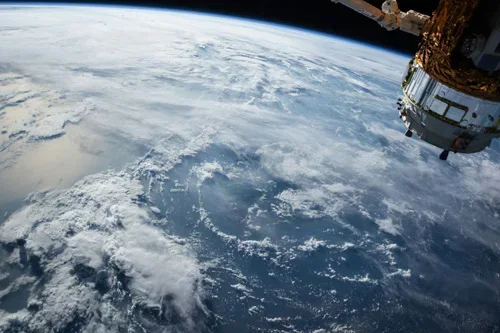
ULA Atlas V successfully launches with GOES-S
United Launch Alliance’s Atlas V rocket has deployed an advanced weather satellite for the US National Oceanic and Atmospheric Administration Thursday. The mission to deploy the GOES-S satellite began with liftoff from the Cape Canaveral Air Force Station at the opening of a two-hour window at 17:02 Eastern Time (22:02 UTC). GOES-S is the second…
-

Second of NOAA’s “high-definition” weather satellites ready for launch
Artist’s concept of the GOES-S satellite in orbit. Credit: Lockheed Martin The second satellite in a quartet of new NOAA weather observatories is awaiting liftoff Thursday aboard a United Launch Alliance Atlas 5 rocket, heading for a position 22,000 miles from Earth to scan the western United States and Pacific Ocean for typhoons, wildfires and…
-
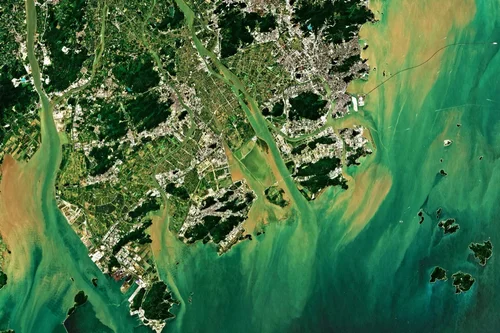
Atlas 5/GOES-S launch timeline
This is the launch timeline to be followed by the Atlas 5 rocket’s ascent into orbit from Cape Canaveral with the GOES-S weather satellite. Launch is scheduled for Thursday during a two-hour window opening at 5:02 p.m. EST (2202 GMT). The 197-foot-tall rocket will arc to the east from Florida’s Space Coast on its second…
-

Atlas 5 launch on track for Thursday, SpaceX mission expected to slip
EDITOR’S NOTE: Updated at 9 a.m. EST (1400 GMT), 2 p.m. EST (1900 GMT), 5 p.m. EST (2200 GMT) and 8:30 p.m. EST Tuesday (0130 GMT Wednesday). File photo of a Falcon 9 rocket at Cape Canaveral’s Complex 40 launch pad. Credit: SpaceX A United Launch Alliance Atlas 5 rocket is set to roll to…
-
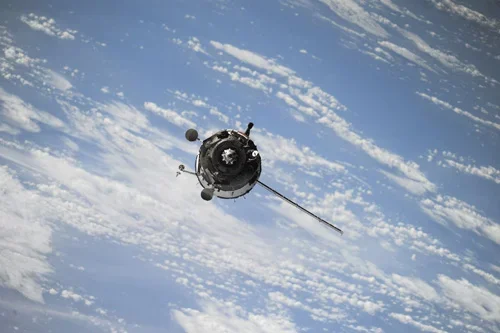
Photos: Atlas 5 rocket and GOES-S weather satellite assembled for launch
Technicians around Cape Canaveral spent the last four weeks assembling a United Launch Alliance Atlas 5 rocket and preparing a Lockheed Martin-built NOAA weather satellite for liftoff March 1. The photos on this page show the Atlas 5’s first stage, powered by a Russian-made RD-180 engine, being lifted atop a mobile platform inside ULA’s Vertical…
-
GOES-S weather observatory hoisted atop Atlas 5 rocket
NOAA’s GOES-S weather satellite. Credit: NASA/Kim Shiflett NOAA’s next geostationary weather satellite, GOES-S, was raised on top of an Atlas 5 launcher Friday at Cape Canaveral in preparation for liftoff March 1 to keep watch over the Pacific Ocean and the Western United States. Fully fueled for a planned 15-year mission in space, the roughly…
-
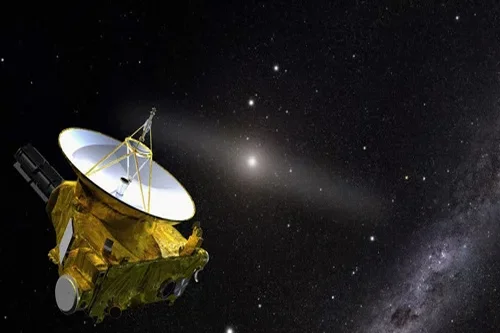
GOES-S weather satellite arrives in Florida for launch preparations
The GOES-S satellite, seen here inside its shipping container, arrived at its Florida launch base Monday. Credit: NASA/Leif Heimbold NOAA’s latest weather satellite, a new-generation geostationary observatory named GOES-S, landed at the Kennedy Space Center’s former space shuttle runway Monday aboard a U.S. Air Force transport jet, ready to begin final preparations for launch March…
-
America’s newest weather satellite sends glorious pictures of Earth (and the moon)
This composite color full-disk image from GOES-16, focusing on North and South America, was acquired at 10:07 a.m. PT on Jan. 15. (NOAA / NASA Photo) Two months after its launch, the National Oceanic and Atmospheric Administration’s GOES-16 weather satellite is sending back its first images – and they’re spectacular. GOES-16 is watching the Western Hemisphere…