
Tag: ISS
-
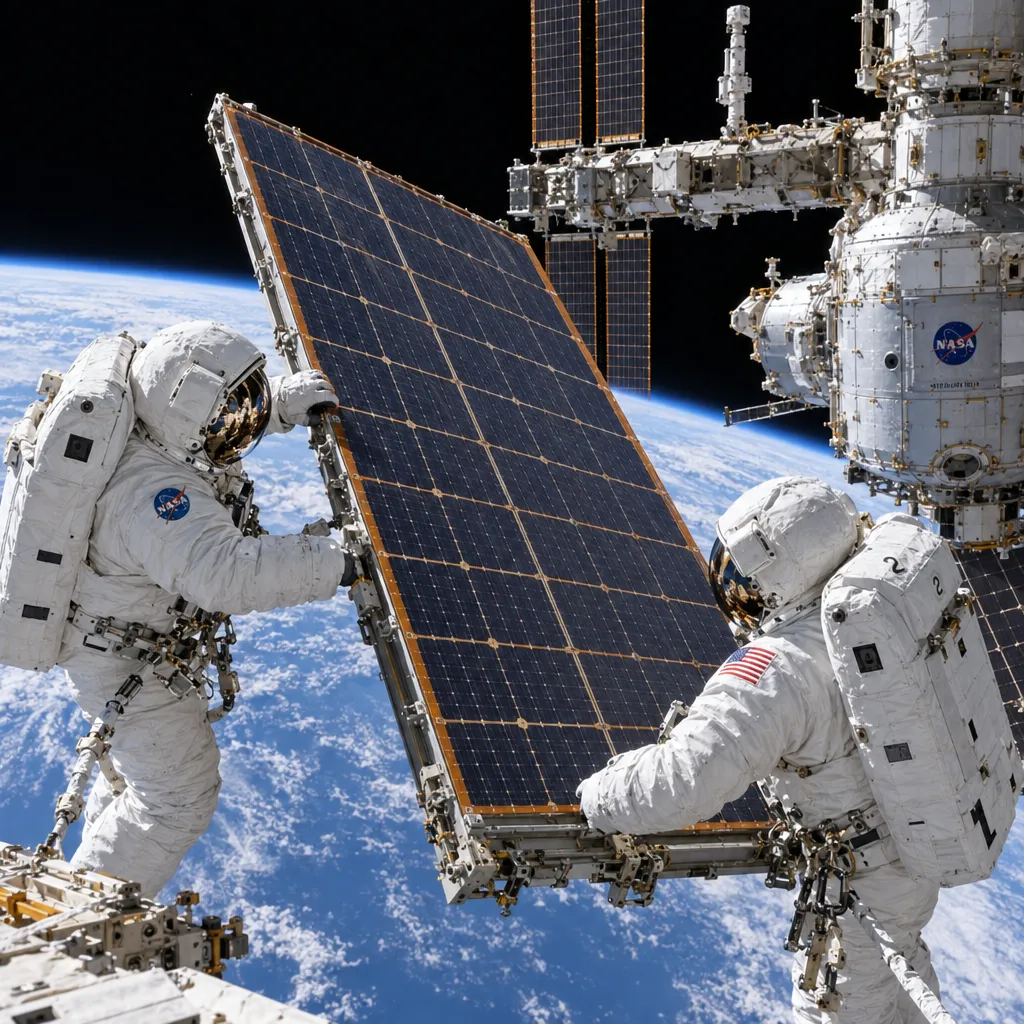
Astronauts Install Seventh Upgraded Solar Array, Setting Up Final ISS Power Boost
The eight IROSA arrays will raise the station’s available power from 160 kilowatts to about 215 kilowatts, with each new array generating roughly 8 kilowatts. Rather than replacing the station’s eight original solar wings, delivered by space shuttles between 2000 and 2009 and designed to last 15 years, NASA chose to mount the smaller IROSAs…
-
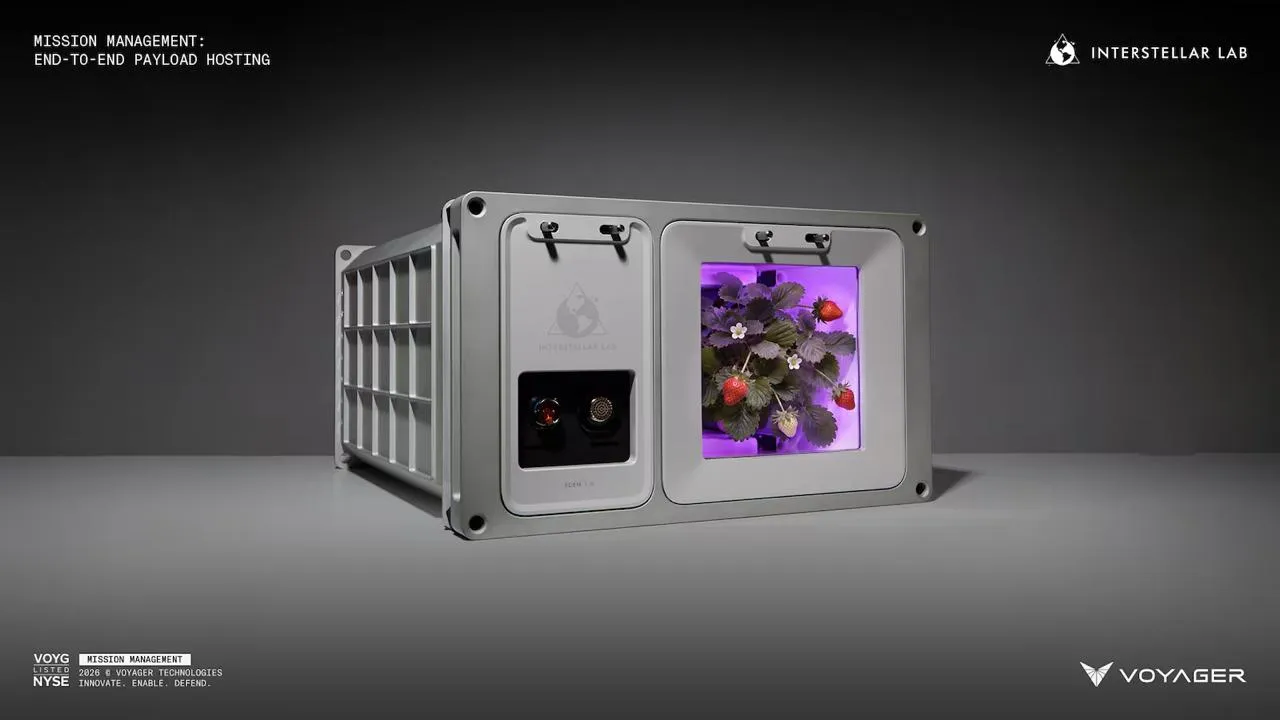
Voyager to Manage Interstellar Lab’s Plant-Growth Payload on the ISS
The deal positions Voyager as an ISS-era services integrator, taking on the practical work of flying another company’s experiment while it develops the capabilities it will need to run a free-flying station. For Interstellar Lab, the arrangement offers a route to flight without building station-operations expertise in-house. Under the agreement, Voyager will oversee payload preparation,…
-
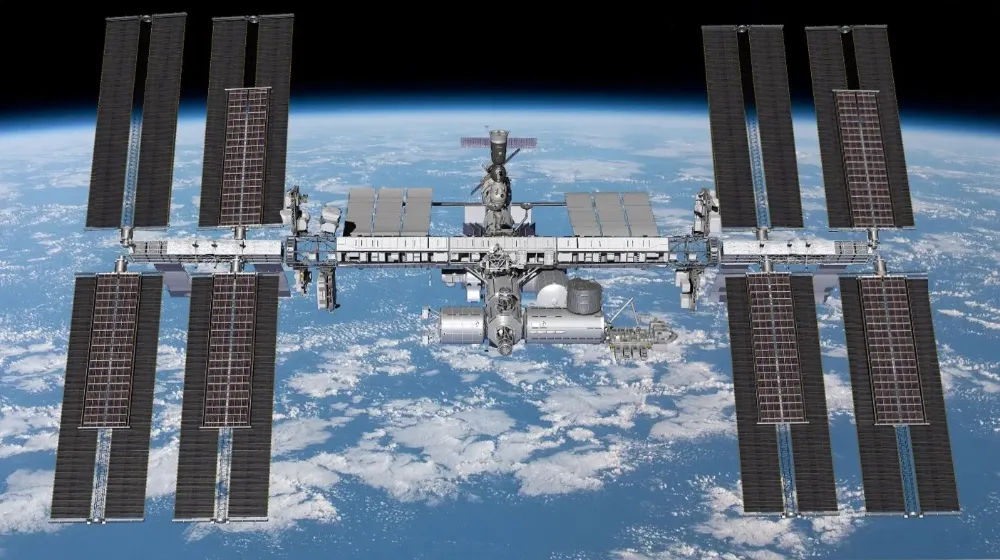
Powering Orbital Computing: From Watts to Megawatts
If chips are the bricks and data centers are the buildings, power is one of the essential utilities that makes them work. Computing ultimately comes down to watts: keeping a 700-watt GPU running in orbit requires an entire engineering system, from solar-array orientation and battery chemistry to bus voltage. Moving from watts to megawatts means…
-
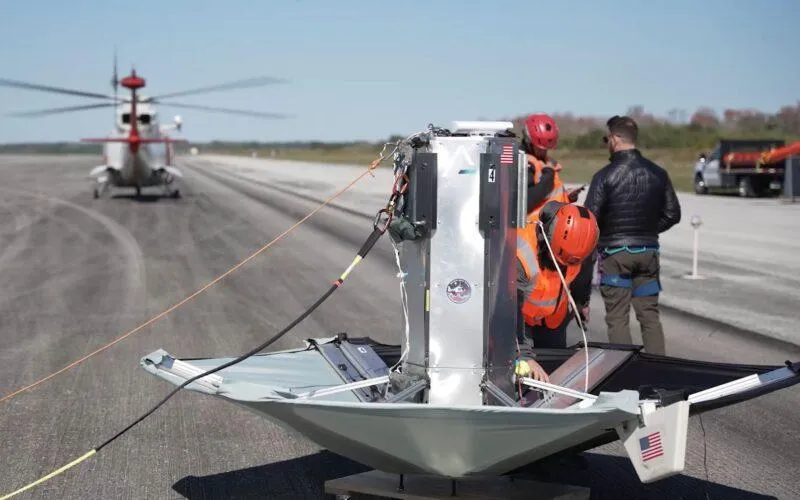
Redwire Launches Final ROSA Wings to ISS, Capping Multi-Year Power Overhaul
The modernization program replaces the performance lost by the station’s original legacy solar panels, which have degraded over years of service. The new ROSA wings roll out over those original arrays, boosting the available power supply. Redwire, which describes itself as a leader in space infrastructure for the next-generation space economy, has characterized the campaign…
-
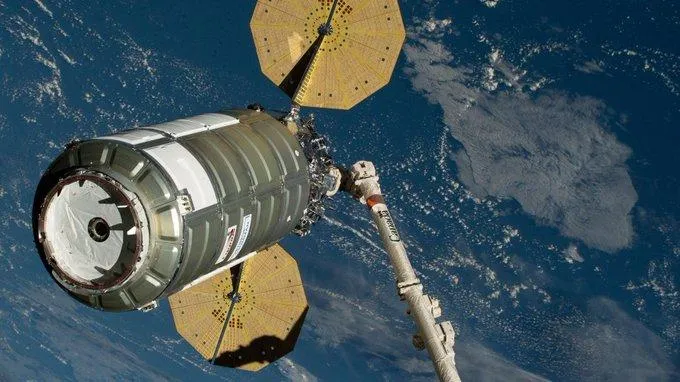
Cygnus XL Departs International Space Station for Destructive Re-Entry
The departure marks the end of a mission that began earlier this year. Cygnus XL launched April 11 on a SpaceX Falcon 9 rocket from Space Launch Complex 40 at Cape Canaveral Space Force Station in Florida. It was installed on the station’s Unity module on April 13 after being maneuvered into position by the…
-
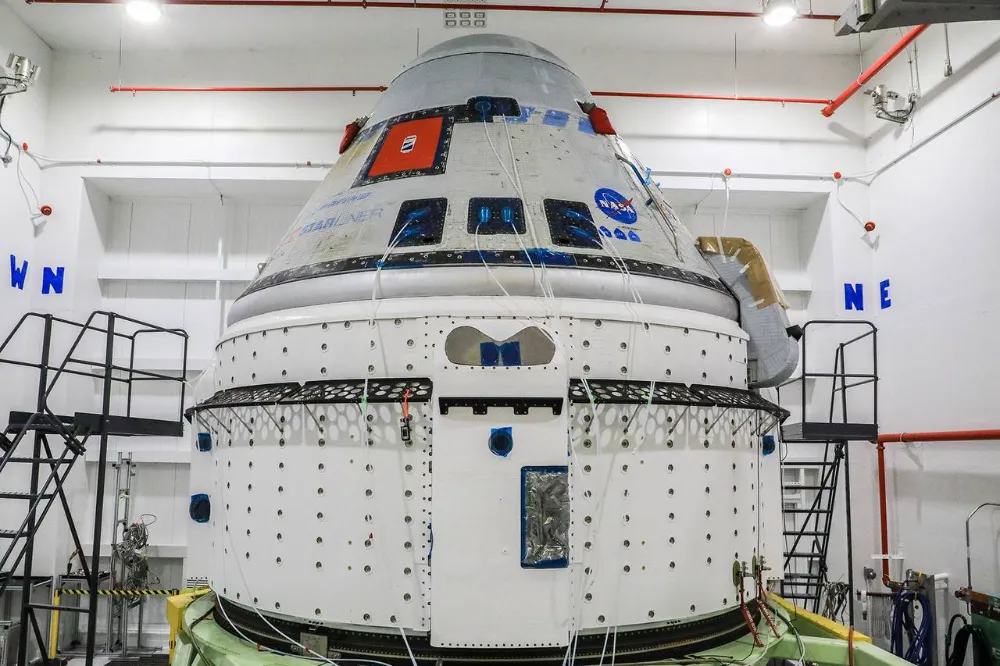
NASA and Boeing Restore Two Starliner Missions, Set December Launch Window for Uncrewed Flight
The contract modification follows two years of joint work to address technical issues identified during the investigation of the 2024 Crew Flight Test. NASA and Boeing described the modification as reflecting a safety-first partnership and a continued commitment to Starliner as a long-term human spaceflight provider to the ISS and future low Earth orbit destinations.…
-
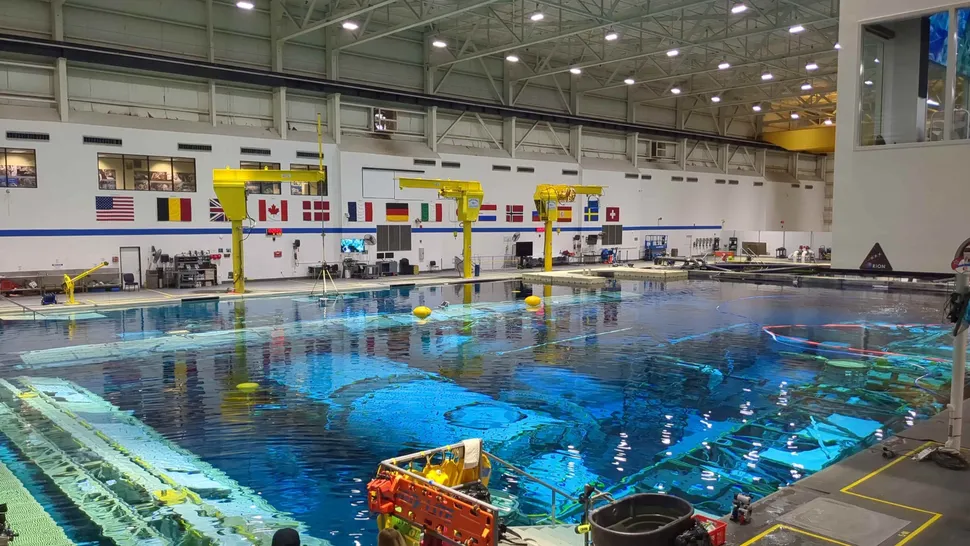
NASA’s Astronaut Training Hub Prepares for the Post-ISS Era as Commercial Space Stations Near Reality
NASA’s Johnson Space Center (JSC) in Houston has long served as the nerve center of American human spaceflight, training astronauts for programs ranging from Gemini and Apollo to the Space Shuttle and the International Space Station (ISS). Now, as NASA and its industry partners prepare for the eventual retirement of the ISS around 2030, the…
-

Boeing Starliner-1 Cargo Flight Delayed to Q4 2026
Is Boeing’s Starliner Finally Getting Back to the ISS? Boeing has confirmed in an SEC Form 10-Q filing dated July 28 that it now expects to complete an uncrewed Starliner cargo mission — designated Starliner-1 — no earlier than the fourth quarter of 2026, slipping past a previous expectation of flying both an uncrewed and…
-
ISS Gets 3 Spacewalks in August for Solar Array Prep
Are NASA’s August Spacewalks About Keeping the ISS Alive or Shutting It Down? Three back-to-back extravehicular activities scheduled for August reveal the ISS in a paradoxical operational moment: NASA is simultaneously installing hardware to expand power capacity and running cable work explicitly tied to the station’s future controlled deorbit. The first of the three EVAs…
-
Soyuz MS-28 Returns Expedition 74 After 241 Days
Did Expedition 74 Complete Its 8-Month ISS Mission Successfully? Soyuz MS-28 touched down southeast of Dzhezkazgan, Kazakhstan at 5:27 a.m. CDT on July 26, 2026, closing out a 241-day Expedition 74 mission that sent NASA astronaut Chris Williams and Roscosmos cosmonauts Sergey Kud-Sverchkov and Sergei Mikaev around Earth 3,856 times. The crew departed the International…