
Tag: ISS
-
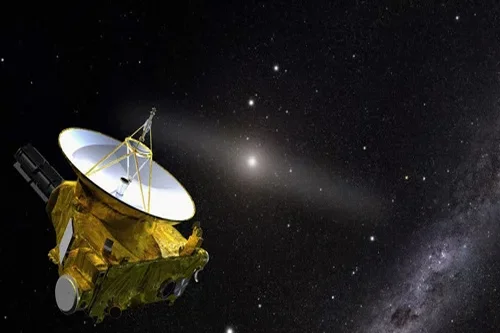
NG-16 arrives at ISS, Northrop Grumman talks Cygnus’ future use
After a 36 hour phasing profile, the S.S. Ellison Onizuka cargo ship, part of Northrop Grumman’s NG-16 mission, has arrived at the International Space Station (ISS). Safely in the grip of Canadarm2, Cygnus was attached to the nadir port of the Unity (Node-1) module for the multi-month cargo delivery and removal process. Speaking before the…
-

Atlas V’s launch of Starliner OFT-2 test flight delayed
Boeing has scrubbed Tuesday’s planned launch of their Starliner spacecraft on its second uncrewed Orbital Test Flight, called OFT-2, aboard United Launch Alliance’s Atlas V rocket. The issue at hand, according to Boeing, related to incorrect valve position indications in the propulsion system. The issues were first detected during checkouts after thunderstorms storms over launch…
-
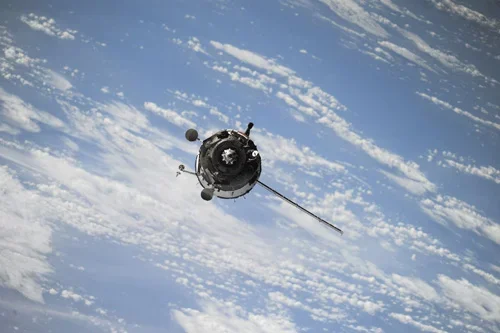
MLM Nauka docks to ISS, malfunctions shortly thereafter
Russia’s Multipurpose Laboratory Module (MLM) Nauka, meaning “science,” has defied the odds to successfully dock to the ISS after a long and arduous journey dating back over 20 years and a problematic propulsion system after launch which had threatened the success of the mission. The docking was not without issue, with Russian cosmonauts noting that…
-
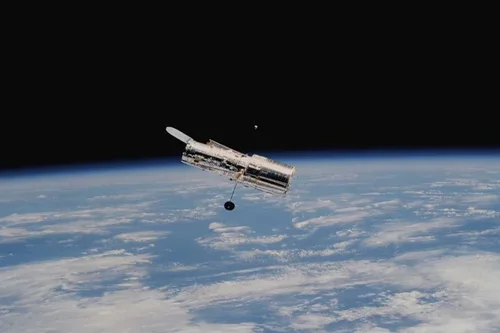
Farewell, Pirs; ISS module decommissioned, destructively reentered
After nearly 20 years in orbit serving as a docking port and airlock for the Russian segment of the International Space Station (ISS), the Pirs module — also called Stykovochny Otsek 1, or Docking Compartment 1 (DC-1) — has become the first habitable element of the station to be decommissioned and permanently removed from the…
-
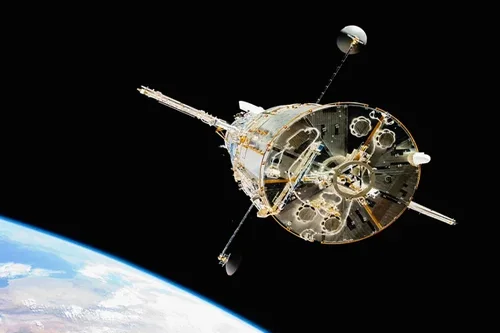
Flight Readiness Review gives green light for Starliner OFT-2
NASA and Boeing have finished the agency Flight Readiness Review (FRR) for the second Orbital Flight Test (OFT-2) of the CST-100 Starliner spacecraft. OFT-2 will demonstrate the changes made to the Starliner spacecraft following the first OFT mission, which was conducted in December 2019. Flight Readiness Review OFT-2 is the third flight of the Boeing…
-

Nauka science module launches to ISS
Good things come to those (modules) that wait. On July 21, at 14:58:25 UTC (10:58:25 EDT), a Proton-M rocket launched from the Baikonur Cosmodrome to take the first Russian ISS module in 11 years to orbit. The moment marked a major milestone for Roscosmos, which was originally slated to launch the module in 2007. After…
-

Dragon Endeavour performs port relocation to clear way for Starliner
The SpaceX Crew Dragon Endeavour vehicle has swapped docking ports aboard the International Space Station in preparation for the upcoming Starliner OFT-2 mission. The 45-minute maneuver began at 10:45 UTC with undocking from the forward port of the Harmony module. After undocking, Endeavour backed away from the ISS to a distance of 220 meters before maneuvering towards…
-
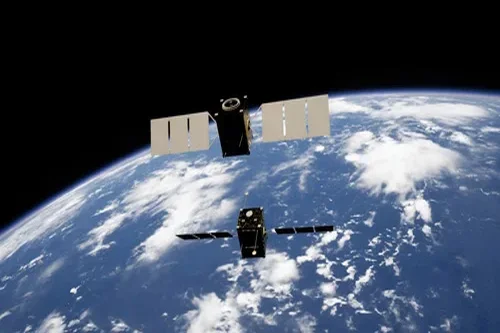
Cargo Dragon splashes down to complete SpaceX CRS-22 mission
The SpaceX CRS-22 mission has come to a close, with Cargo Dragon having departed the International Space Station on Thursday, July 8 after a series of weather delays. NASA and SpaceX teams continued to monitor weather at the landing zones ahead of a successful undocking at 10:45 AM EDT (14:45 UTC). Splashdown occurred Friday evening…
-

Roscosmos Launches Progress MS-17 to ISS
Roscosmos has launched their latest resupply mission to the International Space Station, Progress MS-17. The launch occurred at 23:27 UTC on June 29 from Site 31/6 at the Baikonur Cosmodrome in Kazakhstan. A Soyuz 2.1a launch vehicle was used to launch the Progress MS-17 spacecraft. The mission is known to NASA as Progress 78P, as…
-

ESA/NASA astronauts complete scaled-back spacewalk to install new solar array on ISS
Two astronauts ventured outside the International Space Station (ISS) to attempt to install the first of six new Boeing-built solar arrays — part of a program to increase the station’s electrical power generation capacity as its science and research demands increase and future expansion plans continue. The Extravehicular Activity (EVA) – officially known as US…