
Tag: ISS
-
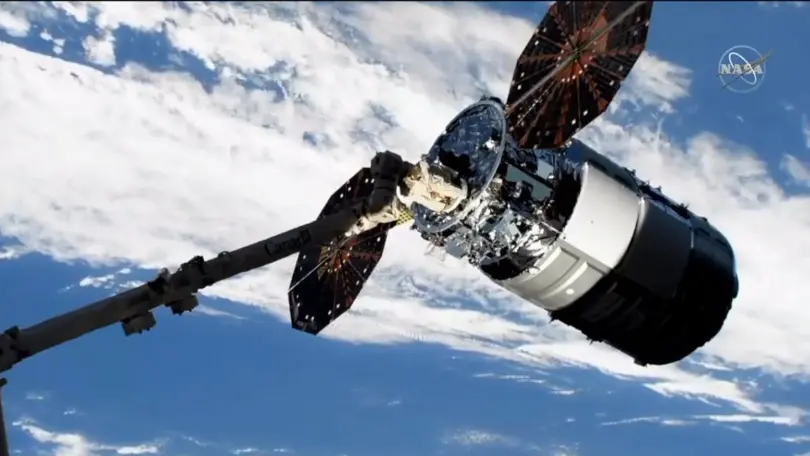
NG-13 Cygnus arrives at Station, quickest back-to-back Cygnus missions
After a two-and-a-half day cruise to the International Space Station, the NG-13 Cygnus resupply craft from Northrop Grumman has arrived at the orbital outpost with a host of scientific experiments and equipment. The arrival comes just 18 days after the previous Cygnus departed the Station and marks the shortest time between two Cygnus missions to…
-
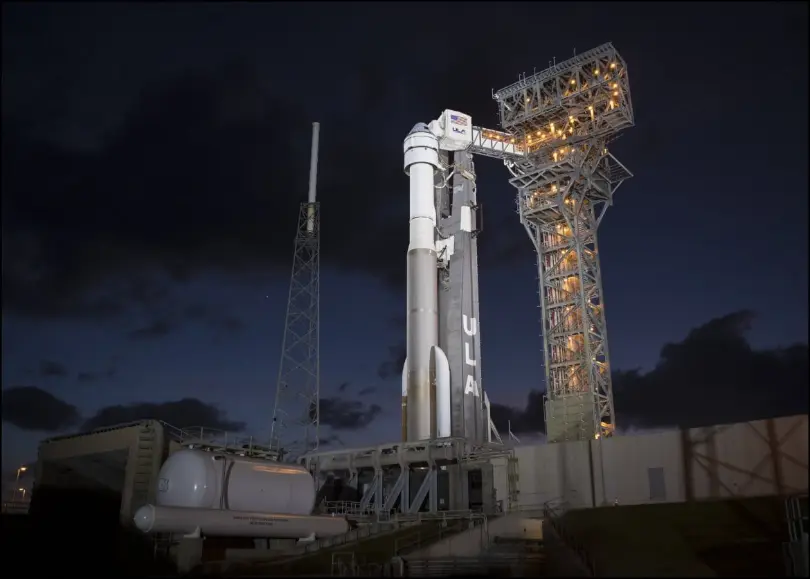
Boeing & NASA admit multiple anomalies on Starliner mission
After saying for weeks the spacecraft and systems performed “as designed” after recovering from a Mission Elapsed Timer issue just 31 minutes after launch and point-blank saying that no other anomalies occurred on the mission, Boeing and NASA have now admitted that two more serious issues — one of which could have led to the…
-
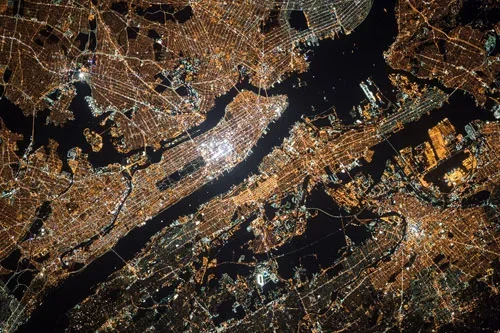
Soyuz MS-13 crew return to Earth
After a record-setting 328 continuous days in space, NASA astronaut Christina Koch returned to Earth Thursday, 6 February, with her European and Russian counterparts Luca Parmitano and Aleksandr Skvortsov, respectively. The trio undocked from the International Space Station aboard the Soyuz MS-13 spacecraft at 00:50 EST (05:50 UTC) before initiating a deorbit burn two and…
-

Soyuz MS-13 crew return to Earth
After a record-setting 328 continuous days in space, NASA astronaut Christina Koch returned to Earth Thursday, 6 February, with her European and Russian counterparts Luca Parmitano and Aleksandr Skvortsov, respectively. The trio undocked from the International Space Station aboard the Soyuz MS-13 spacecraft at 00:50 EST (05:50 UTC) before initiating a deorbit burn two and…
-
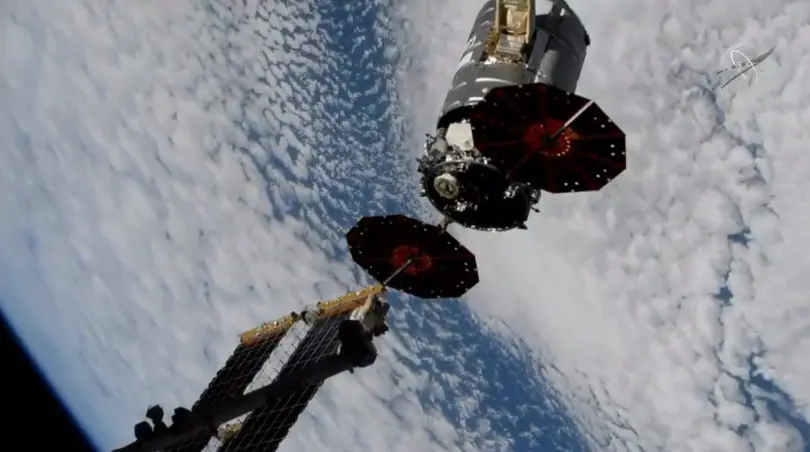
Cygnus NG-12 unberths – heads into post-Station mission extension
Following NASA’s Johnson Space Center’s requested, and the Federal Communications Commission approved, post-Station mission extension, the NG-12 Cygnus spacecraft is now into an extended post-unberthing phase of its mission. Cygnus had a pre-flight approval to perform two weeks of solo flight operations after leaving the Station before destructively re-entering. That solo flight operation has now…
-
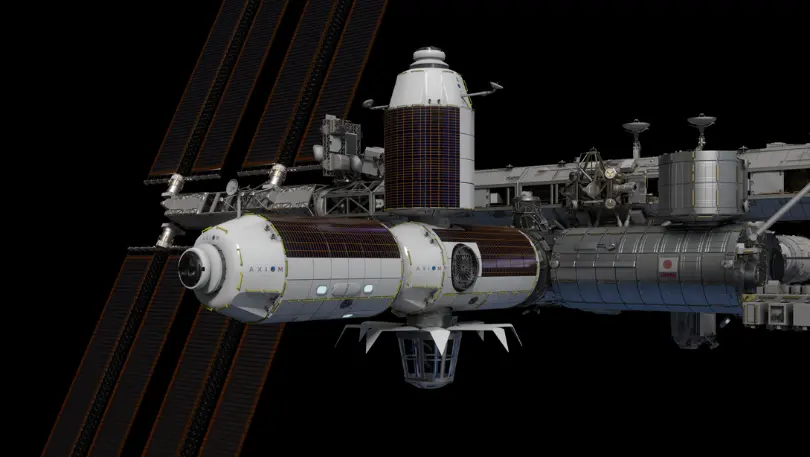
NASA selects Axiom Space to build commercial space station segment
NASA has announced that they have selected Axiom Space, an American company headquartered in Houston, Texas, to design, build and launch three large pressurized modules and a large Earth observation window to the International Space Station (ISS). This partnership between NASA and Axiom is issued under Appendix I of NASA Next Space Technologies for Exploration…
-

NASA/ESA complete challenging Alpha Magnetic Spectrometer repair
NASA and ESA have concluded a series of four spacewalks to repair the Station’s Alpha Magnetic Spectrometer experiment. NASA astronaut Drew Morgan and European Space Agency (ESA) astronaut Luca Parmitano completed the series with the AMS deemed to be in good health. Never designed to be serviceable after it was installed outside the Station in…
-

Multi-spacewalk series to replace Station batteries completed
As has been the process since 2017, the U.S. segment crew aboard the International Space Station worked through a marathon series of five spacewalks to change out another subset of batteries aboard the Station’s Integrated Truss Structure. The first spacewalk (EVA-56) kick-started the series, although a third EVA was delayed until January 15 after the…
-
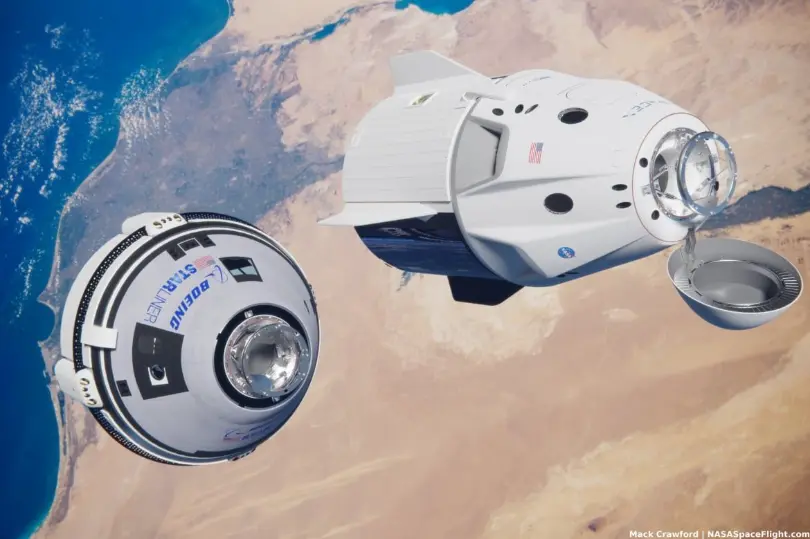
Bridenstine, NASA ASAP provide updates on Commercial Crew Program
NASA’s Commercial Crew Program has made significant progress in recent months towards its first crewed flights. The missions will be the first orbital crewed launches from the United States since the ending of the Space Shuttle program. In two separate statements released on Tuesday, NASA Administrator Jim Bridenstine and the NASA Aerospace Safety Advisory Panel…
-
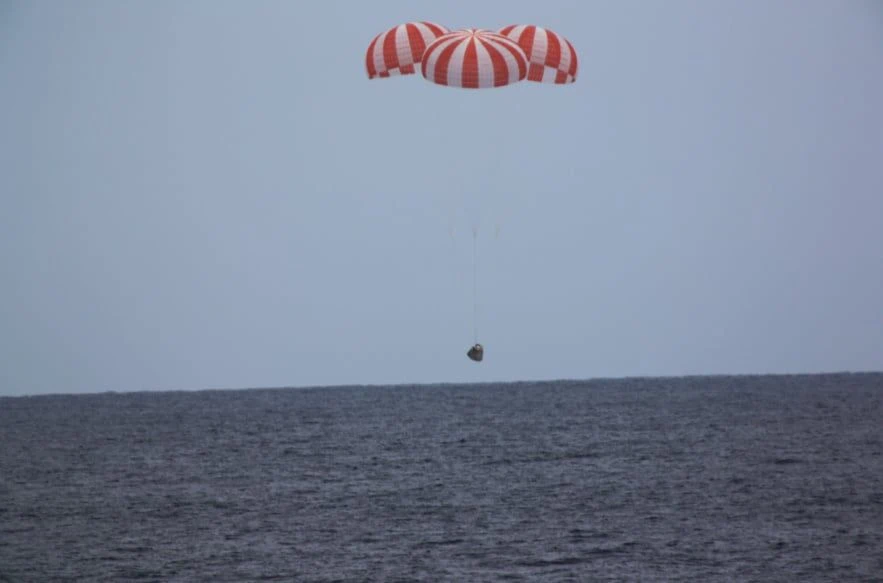
CRS-19 Dragon splashdown following latest ISS resupply mission
SpaceX’s CRS-19 Dragon spacecraft has completed her EOM (End Of Mission) milestones, following unberthing from the International Space Station (ISS) and return to Earth on Tuesday. Dragon’s release from the Space Station Remote Manipulator System (SSRMS) occurred at 10:05 UTC, with a splashdown in the Pacific Ocean at around 15:40 UTC. This mission began with…