
Tag: ISS
-
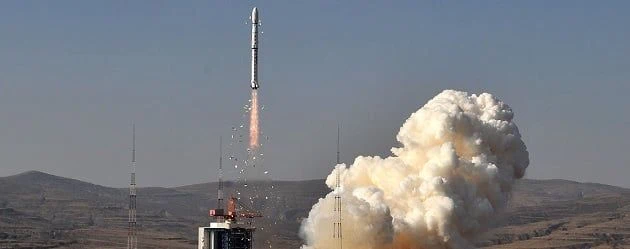
Soyuz TMA-08M docks with ISS just six hours after launch
The Russian Soyuz TMA-08M spacecraft, also known by its US designation of 34S, launched from the Baikonur Cosmodrome in Kazakhstan at 8:43 PM GMT, carrying three new crewmembers for the International Space Station’s (ISS) Expedition 35 crew. The Soyuz then initiate a fast-tracked rendezvous to dock with the ISS just six hours later. Soyuz TMA-08M…
-
Dragon Splashdown concludes SpaceX’s CRS-2 mission
SpaceX’s Dragon spacecraft has successfully splashed down in the Pacific Ocean on Tuesday, following its departure from the International Space Station (ISS). Known as End Of Mission (EOM) operations, Dragon’s safe return completed the second mission under NASA’s Commercial Resupply Services (CRS) contract. SpaceX CRS-2 EOM: *CLICK HERE FOR THE LIVE COVERAGE SECTION FOR UP…
-
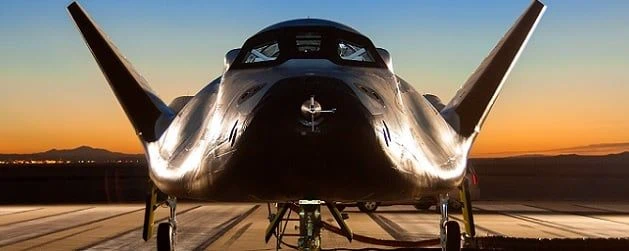
Soyuz TMA-06M safely returns crew to Earth
The Russian Soyuz TMA-06M spacecraft – carrying two Russian cosmonauts and one American astronaut – has successfully landed in Kazakhstan early on Saturday, wrapping up a 4.5 month expedition aboard the International Space Station (ISS). Soyuz TMA-06M: The undocking and landing was originally scheduled to be conducted in the early hours of March 15, but…
-
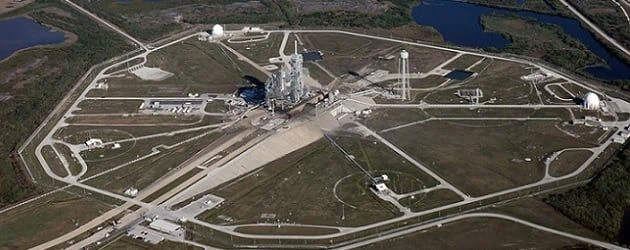
SSRMS removes payload from Dragon trunk to mark new milestone
SpaceX’s CRS-2 (SpX-2) Dragon achieved another milestone on Wednesday, as the Space Station Remote Manipulator System (SSRMS) carefully removed a pair of grapple bars from the spacecraft’s trunk. The robotic operation marked another first – the delivery of unpressurized cargo from a commercial spacecraft to the ISS. CRS-2 Dragon: The SpaceX spacecraft is now enjoying…
-

Resilient CRS-2 Dragon successfully berthed on the ISS
Back to full health, SpaceX’s Dragon spacecraft was captured and then berthed by the Canadarm 2 on the International Space Station (ISS) Sunday morning. Arriving just one day later than planned – due to required troubleshooting with the spacecraft’s propulsion system – Dragon marked its third arrival at the orbital outpost. CRS-2 Status –…
-
SpaceX Dragon to make third ISS visit amid logistics schedule challenges
With less than one week now remaining until the launch of SpaceX’s second operational International Space Station (ISS) resupply mission, preparations to make the orbital outpost ready to receive the Dragon capsule are progressing smoothly. However, resupply flights for the remainder of the year continue to be re-shuffled around a packed and challenging logistics flight…
-
Progress M-18M docks with ISS following same day launch
A Russian Progress resupply vehicle launched from the Baikonur Cosmodrome in Kazakhstan at 2:41 pm UTC on Monday, before docking at the International Space Station (ISS) six hours later. Riding on its Soyuz-U booster, Progress M-18M/50P again demonstrated the fast rendezvous option that will soon be used by crewed Soyuz missions. Progress M-18: Ahead of…
-
Dextre and RRM complete successful satellite refuelling demo
Aboard the International Space Station (ISS) over the past two weeks, Dextre, the Canadian “robotic hand”, and NASA’s Robotic Refuelling Mission (RRM) payload have together made history in proving a vital capability for future space exploration and utilisation – the ability to robotically refuel a satellite in the space environment. The successful demo opens new…
-
Flight of the Antares – Orbital closing in on long-awaited debut
The Antares launch vehicle will soon make its debut flight, ahead of an important year for Orbital’s Commercial Resupply Services (CRS) contract requirements. The test flight of the new launch vehicle will pave the way for a demo mission to the International Space Station (ISS) in May, involving the first use of the Cygnus spacecraft.…
-
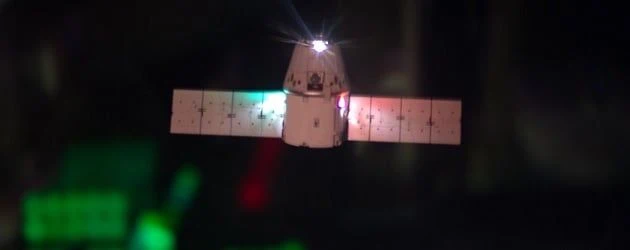
Expanding on Bigelow’s inflatable module for the ISS
NASA managers are set to provide details on the deal they have signed with Bigelow Aerospace for an inflatable module to become part of the International Space Station (ISS). The Bigelow Expandable Activity Module (BEAM) will be a vital testbed for future applications and may ride to the ISS inside the trunk of a SpaceX…