
Tag: JAXA
-
Endeavour moved to 39A as astronauts arrive and Crew-2 mission is cleared for launch
Shane Kimbrough, Megan McArthur, Thomas Pesquet, and Akihiko Hoshide have arrived at the Kennedy Space Center in Florida for their upcoming launch to the International Space Station on the same day their spaceship, the Crew Dragon Endeavour, was moved to its sea-side launch pad. NASA and SpaceX are currently targeting launch of the Crew-2 mission…
-
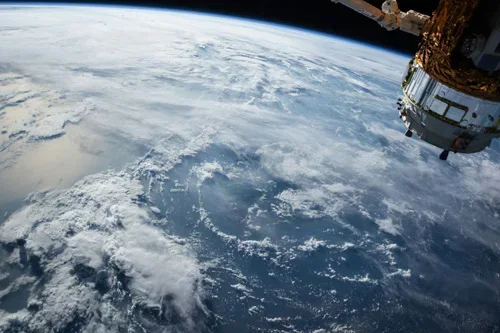
Garbage pallet jettisoned from space station will stay in orbit two-to-four years
A pallet loaded with disused batteries was jettisoned from the International Space Station’s robotic arm Thursday. Credit: NASA NASA ground controllers sent commands to the International Space Station on Thursday for release of a 2.9-ton cargo pallet loaded with old batteries, the most massive object ever jettisoned from the orbiting outpost. The garbage carrier is…
-
Rubins and Noguchi assemble solar array support fixtures outside space station
EDITOR’S NOTE: Updated at 2:30 p.m. EDT (1930 GMT) after end of spacewalk. STORY WRITTEN FOR CBS NEWS & USED WITH PERMISSION Astronaut Soichi Noguchi works outside the International Space Station on Friday. Credit: NASA TV/Spaceflight Now NASA astronaut Kate Rubins and Soichi Noguchi, a Japanese astronaut who last walked in space more than 15 years ago, ventured…
-
Astronauts complete second spacewalk to upgrade Space Station
NASA astronauts Mike Hopkins and Victor Glover have completed their second EVA (extravehicular activity, or spacewalk) outside the ISS in less than one week to continue upgrading the orbital outpost and accomplish miscellaneous tasks during US EVA-70. The duo performed a previous spacewalk last week dedicated largely to communications upgrades for the European Space Agency’s…
-
Scientists thrilled with asteroid treasure returned by Japanese spacecraft
Japanese scientists found black material from asteroid Ryugu inside one of the Hayabusa 2 mission’s collection chambers (color corrected by Spaceflight Now). Credit: JAXA Japanese space agency officials said Tuesday they found a “large number” of pitch black rock and dust particles after opening a capsule returned to Earth earlier this month by the Hayabusa…
-

Japanese asteroid sampling mission on course for return to Earth
Artist’s concept of the Hayabusa 2 spacecraft releasing its sample return capsule. Credit: JAXA/Akihiro Ikeshita Six years after departing Earth, Japan’s Hayabusa 2 spacecraft released a spinning capsule Saturday containing pristine asteroid material for a scorching re-entry and landing in the remote Australian outback, where teams are standing by to retrieve the specimens for analysis.…
-
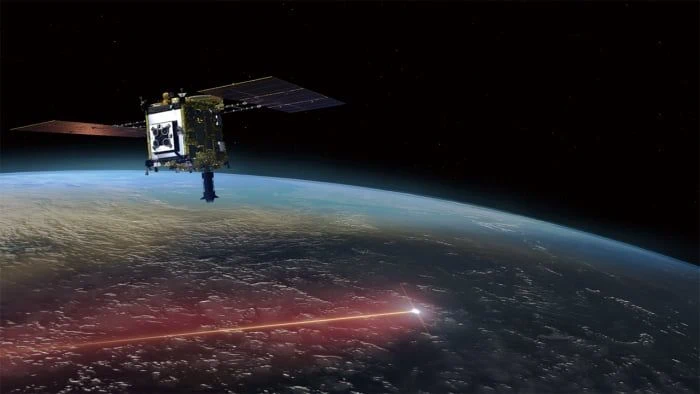
JAXA’s Hayabusa2 asteroid sample return capsule lands in Australia
Hayabusa2’s sample return capsule has landed in Woomera, Australia, today, 5 December — or 6 December local time at Woomera. The exact landing location is now being determined, but a tweet from the mission’s official account says an estimated location of landing has been identified and teams are en route to recover it. The craft…
-

Japanese capsule carrying asteroid rocks lands in Australia after six-year mission
Artist’s concept of the Hayabusa spacecraft releasing it sample return capsule. Credit: JAXA An armored re-entry capsule carrying pristine specimens from an asteroid streaked into Earth’s atmosphere and parachuted to a landing in the Australian outback Saturday, bringing home extraterrestrial rocks that could hold clues to the origin of life on Earth. The Hayabusa 2…
-

Live coverage: Hayabusa 2 asteroid sample return capsule lands in Australia
Live coverage of the return of Japan’s Hayabusa 2 mission to Earth carrying samples collected from asteroid Ryugu. Text updates will appear automatically below. Follow us on Twitter. [tabby title=”Video of sample capsule landing”] [tabby title=”Video of sample capsule separation”] [tabbyending]
-
Japanese data relay satellite launches on H-2A rocket
EDITOR’S NOTE: Updated at 5 a.m. EST (1000 GMT) after confirmation of a successful launch. A Japanese H-2A rocket lifts off from the Tanegashima Space Center on Sunday. Credit: MHI A Japanese satellite designed to relay data and imagery from civilian and military Earth observation spacecraft launched Sunday aboard an H-2A rocket. The dual-use communications satellite…