
Tag: Jet Propulsion Laboratory
-
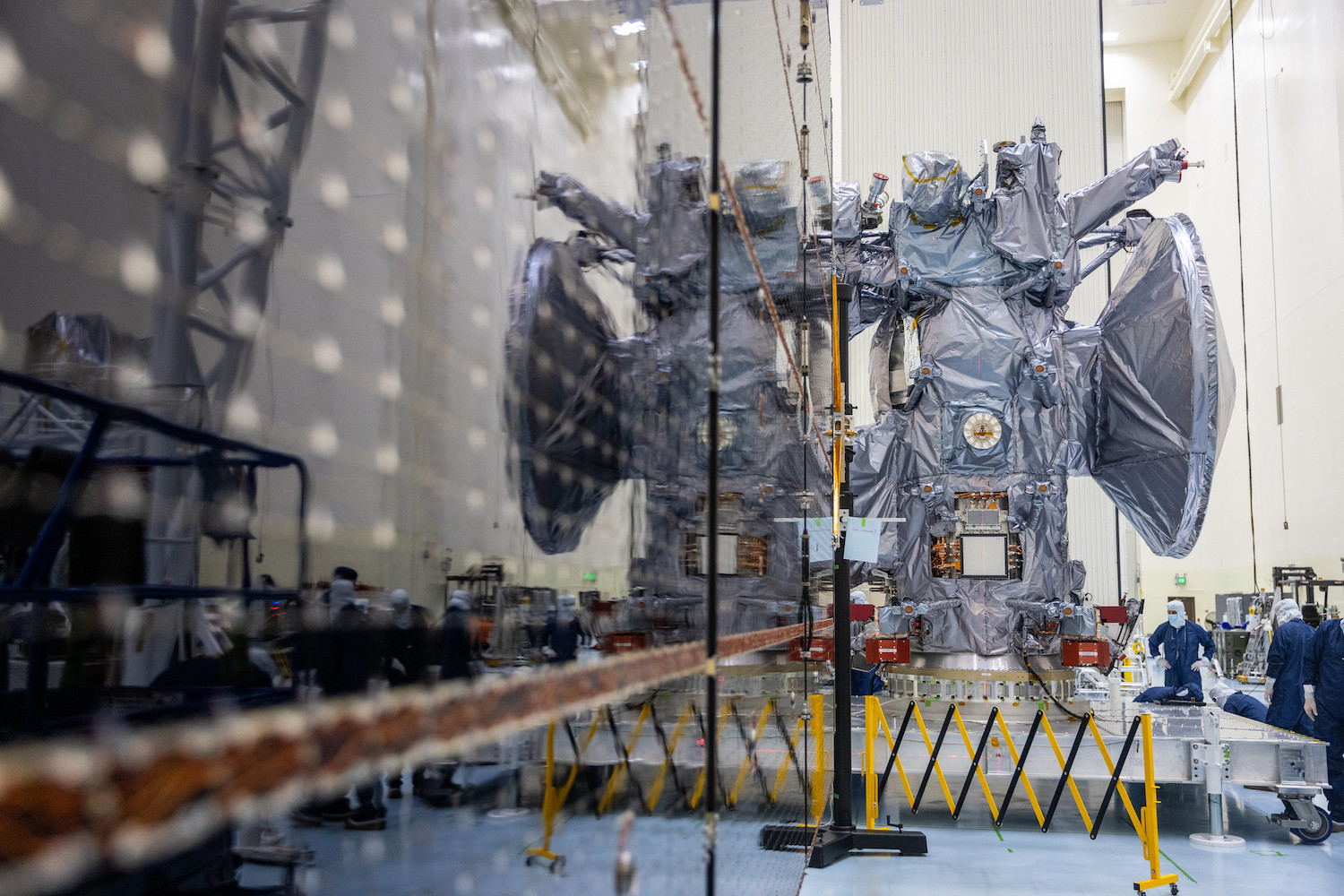
NASA will proceed with final preps to launch Europa Clipper next month
For a while earlier this summer, it looked like NASA’s flagship mission to study Jupiter’s icy moon Europa might miss its launch window this year. In May, engineers raised concerns that transistors installed throughout the spacecraft might be susceptible to damage from radiation, an omnipresent threat for any probe whipping its way around Jupiter. The…
-
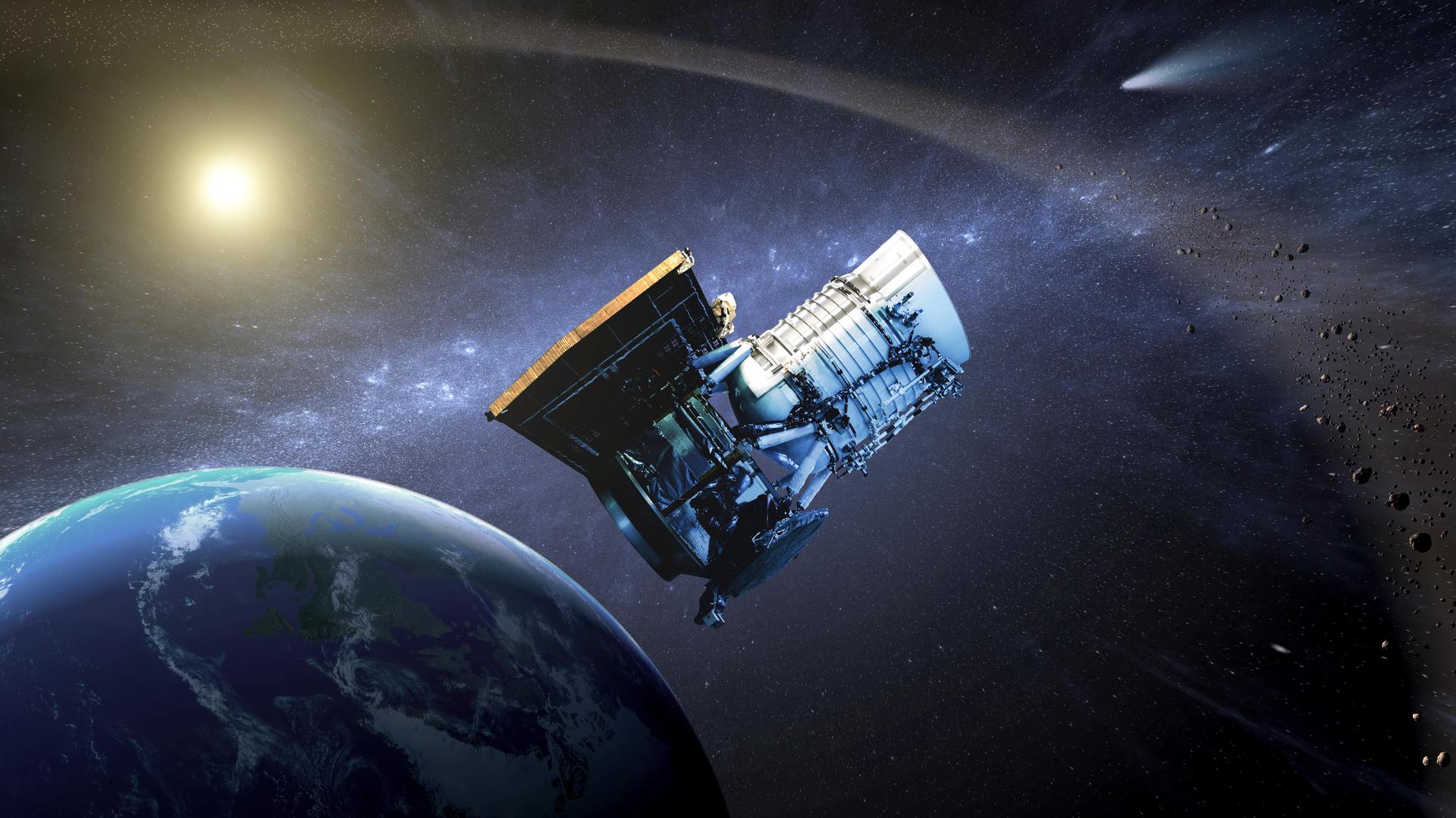
NASA shuts down asteroid-hunting telescope, but a better one is on the way
Last week, NASA decommissioned a nearly 15-year-old spacecraft that discovered 400 near-Earth asteroids and comets, closing an important chapter in the agency’s planetary defense program. From its position in low-Earth orbit, the spacecraft’s infrared telescope scanned the entire sky 23 times and captured millions of images, initially searching for infrared emissions from galaxies, stars, and…
-
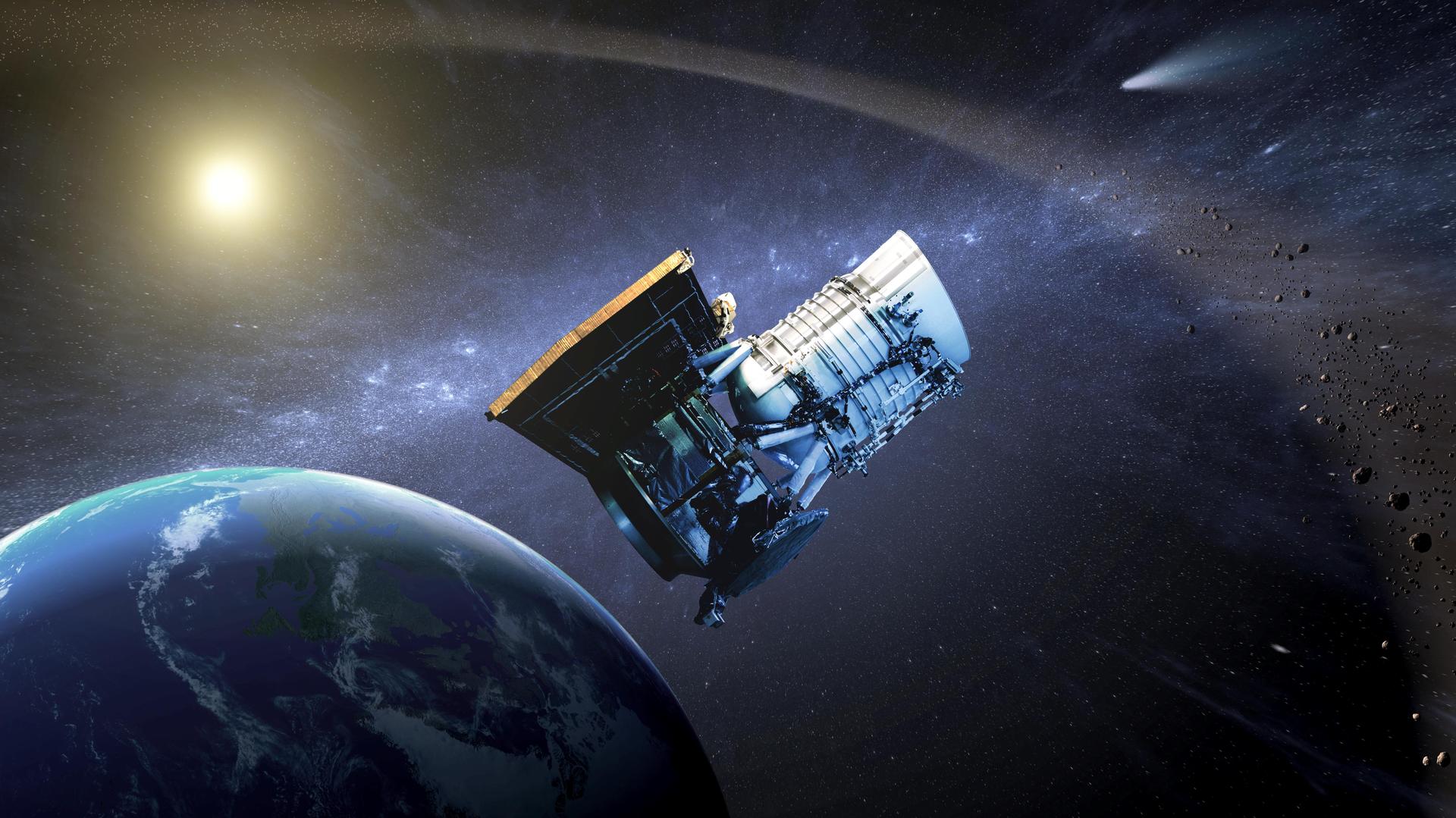
NASA shuts down asteroid-hunting telescope, but a better one is on the way
Last week, NASA decommissioned a nearly 15-year-old spacecraft that discovered 400 near-Earth asteroids and comets, closing an important chapter in the agency’s planetary defense program. From its position in low-Earth orbit, the spacecraft’s infrared telescope scanned the entire sky 23 times and captured millions of images, initially searching for infrared emissions from galaxies, stars, and…
-
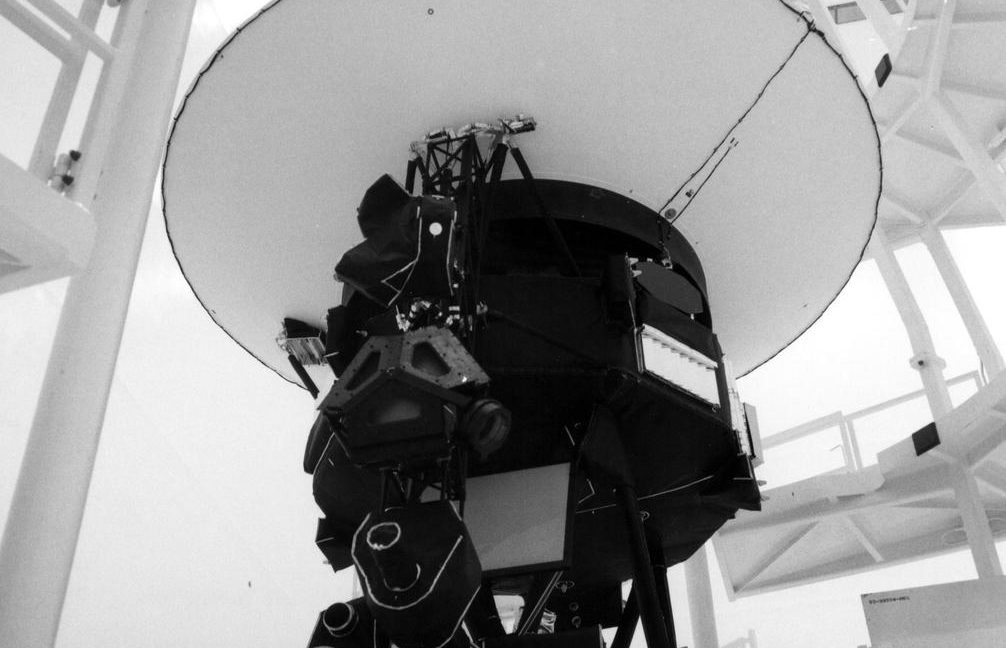
Recoding Voyager 1—NASA’s interstellar explorer is finally making sense again
Engineers have partially restored a 1970s-era computer on NASA’s Voyager 1 spacecraft after five months of long-distance troubleshooting, building confidence that humanity’s first interstellar probe can eventually resume normal operations. Several dozen scientists and engineers gathered Saturday in a conference room at NASA’s Jet Propulsion Laboratory, or connected virtually, to wait for a new signal…
-

As Europa Clipper nears October launch date, scientists anticipate groundbreaking results
Later this year, a SpaceX Falcon Heavy rocket will launch from Launch Complex 39A at the Kennedy Space Center with one of the most highly-anticipated and monumental planetary science missions of the decade — Europa Clipper. The mission will see the spacecraft travel to the smallest of Jupiter’s four Galilean moons, Europa, to investigate the…
-
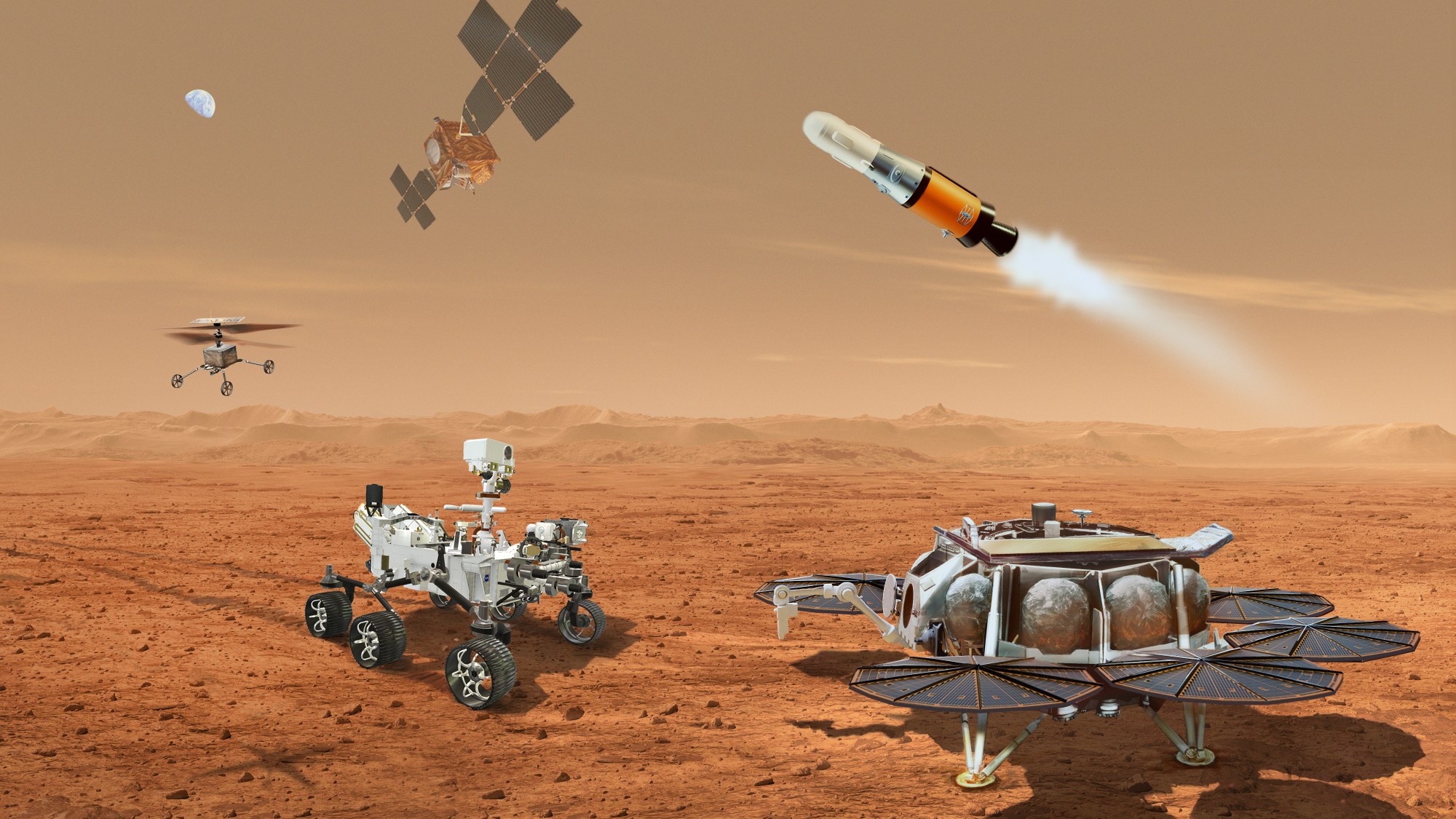
NASA says it needs better ideas on how to return samples from Mars
NASA’s $11 billion plan to robotically bring rock samples from Mars back to Earth is too expensive and will take too long, the agency’s administrator said Monday, so officials are tasking government and private sector engineers to come up with a better plan. The agency’s decision on how to move forward with the Mars Sample…
-
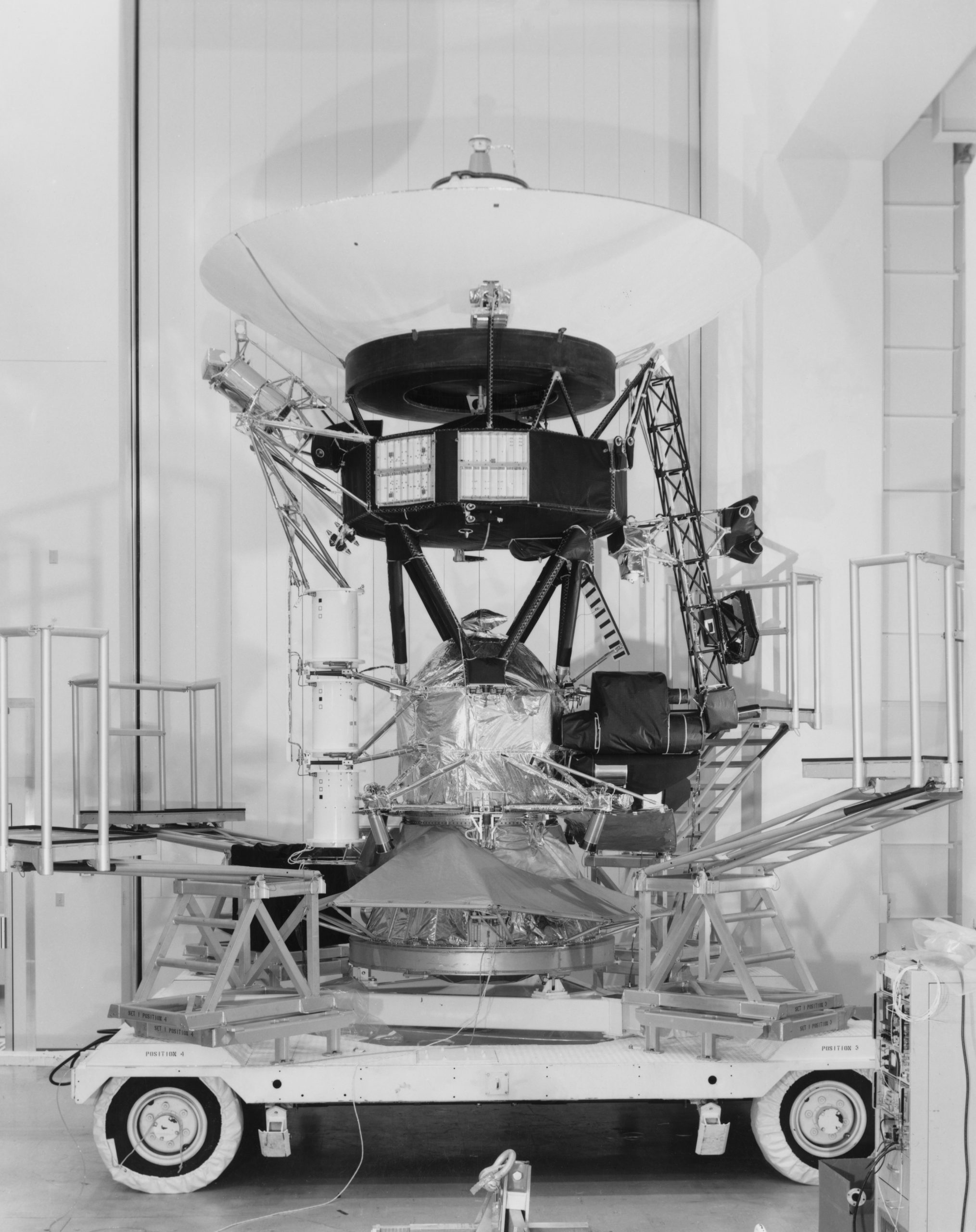
NASA knows what knocked Voyager 1 offline, but it will take a while to fix
Engineers have determined why NASA’s Voyager 1 probe has been transmitting gibberish for nearly five months, raising hopes of recovering humanity’s most distant spacecraft. Voyager 1, traveling outbound some 15 billion miles (24 billion km) from Earth, started beaming unreadable data down to ground controllers on November 14. For nearly four months, NASA knew Voyager…
-
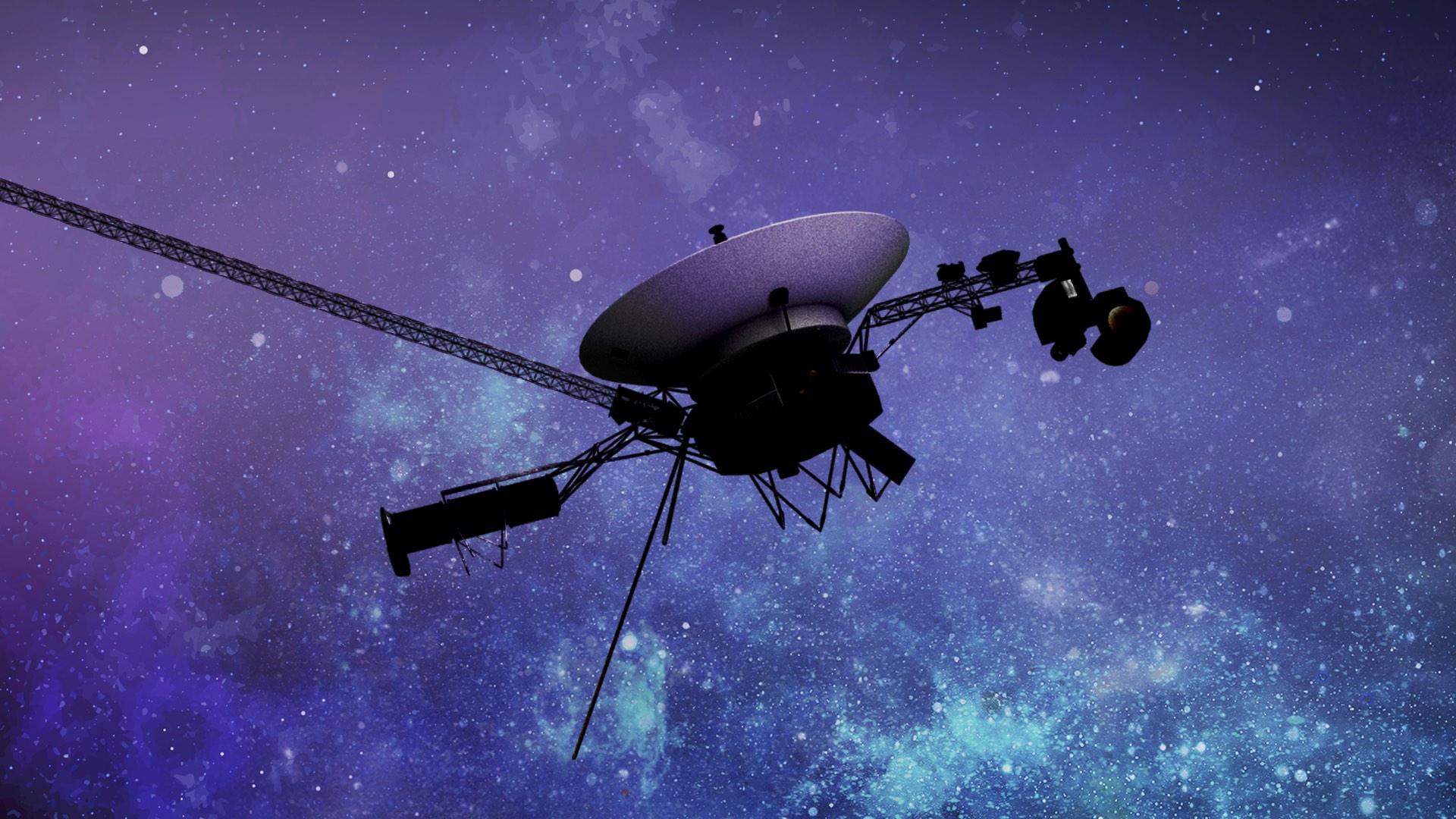
Finally, engineers have a clue that could help them save Voyager 1
It’s been four months since NASA’s Voyager 1 spacecraft sent an intelligible signal back to Earth, and the problem has puzzled engineers tasked with supervising the probe exploring interstellar space. But there’s a renewed optimism among the Voyager ground team based at NASA’s Jet Propulsion Laboratory in California. On March 1, engineers sent a command…
-
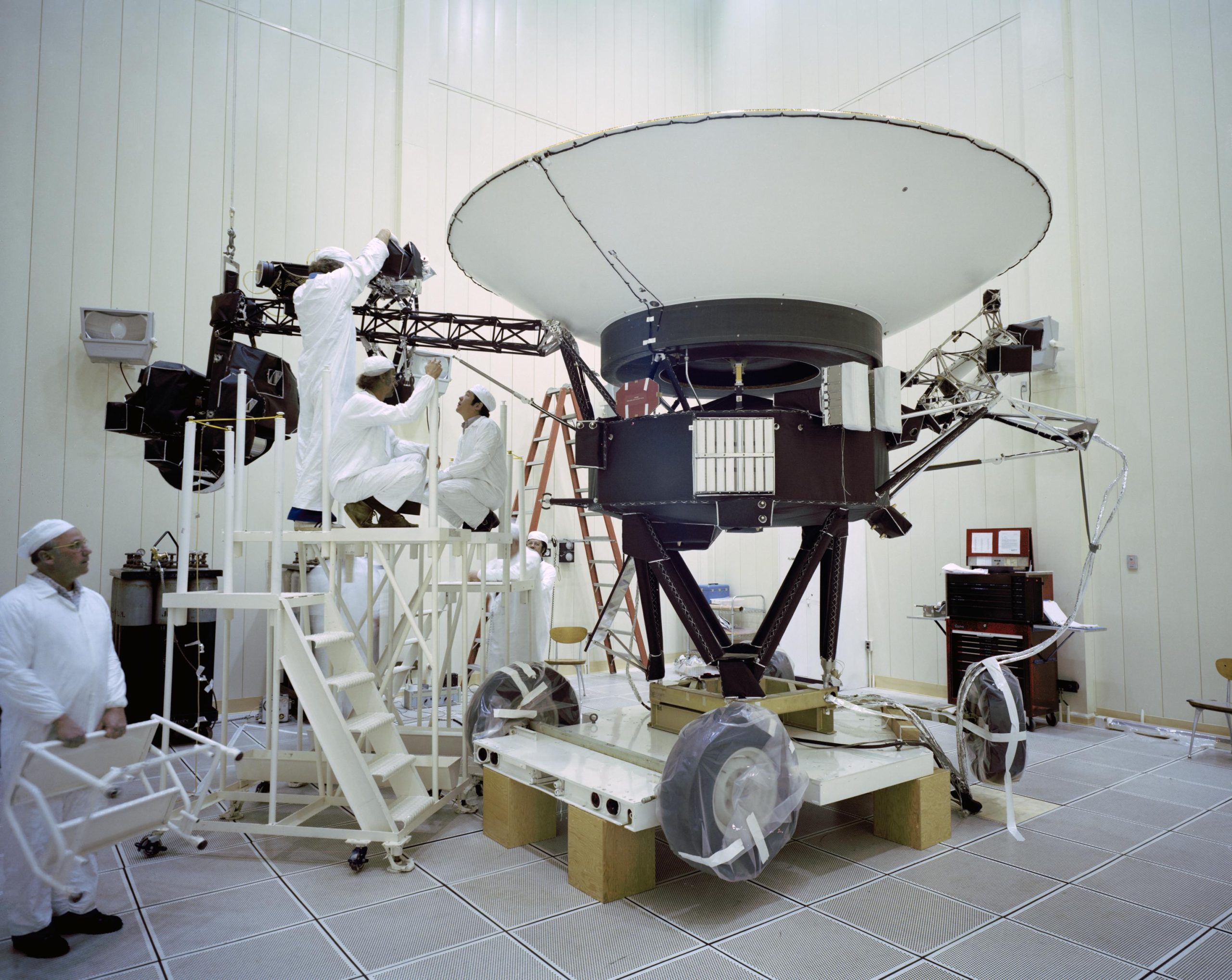
NASA wants the Voyagers to age gracefully, so it’s time for a software patch
Forty-six years in deep space have taken their toll on NASA’s twin Voyager spacecraft. Their antiquated computers sometimes do puzzling things, their thrusters are wearing out, and their fuel lines are becoming clogged. Around half of their science instruments no longer return data, and their power levels are declining. Still, the lean team of engineers…
-

Weather delays launch of NASA’s billion-dollar Psyche mission to Friday
Update 6:35 p.m. EDT: NASA delays launch to Friday due to weather. The eighth Falcon Heavy to fly was raised to launch configuration overnight on Wednesday as it prepares to send the Psyche spacecraft off to the asteroid of the same name as early as Thursday, Oct. 12, 2023. Image: Adam Bernstein Original story: With…