
Tag: Launch
-
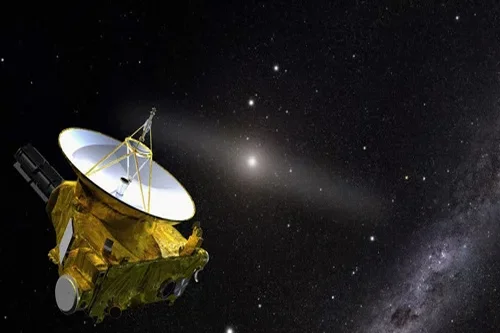
Planet Awarded a Contract by International Government Agency for SkySat Satellite Data
Planet Labs PBC, one of the leading providers of daily data and insights about Earth, announced that it has signed a seven-figure contract expansion with a US-allied International Government Agency for SkySat high resolution satellite data. Planet’s SkySat fleet offers multiple revisits per day of anyplace on the globe with up to 50 centimeter resolution…
-
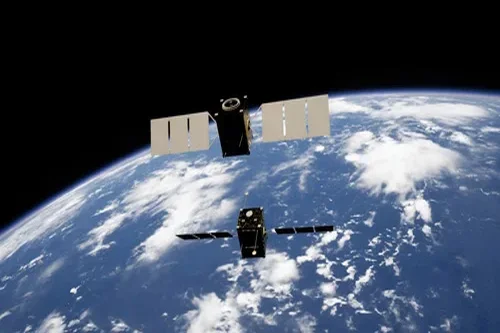
Orbit Fab Secures £1.3 Million UK Space Agency Grant to Develop High-Pressure RAFTI Refueling Port
The UK Space Agency has awarded Orbit Fab a £1.3 million Major Project grant under their National Space Innovation Program. This grant will fund the design of a high-pressure variant of the RAFTI (Rapidly Attachable Fuel Transfer Interface) refuelling port, set to be available in 2025. This new variant will enable refuelling with pressurised fuels…
-

Astroscale UK Receives $15 Million Contract for Final Phase of ELSA-M In-Orbit Demonstration
Astroscale, the UK subsidiary of Astroscale Holdings, the market leader in satellite servicing and long-term orbital sustainability, has secured EUR 13.95 million (approximately USD 15 million or GBP 11.78 million) from the UK Space Agency and the European Space Agency to support the final phase of the End-of-Life by Astroscale-Multiple (ELSA-M) in-orbit demonstration. The funding…
-
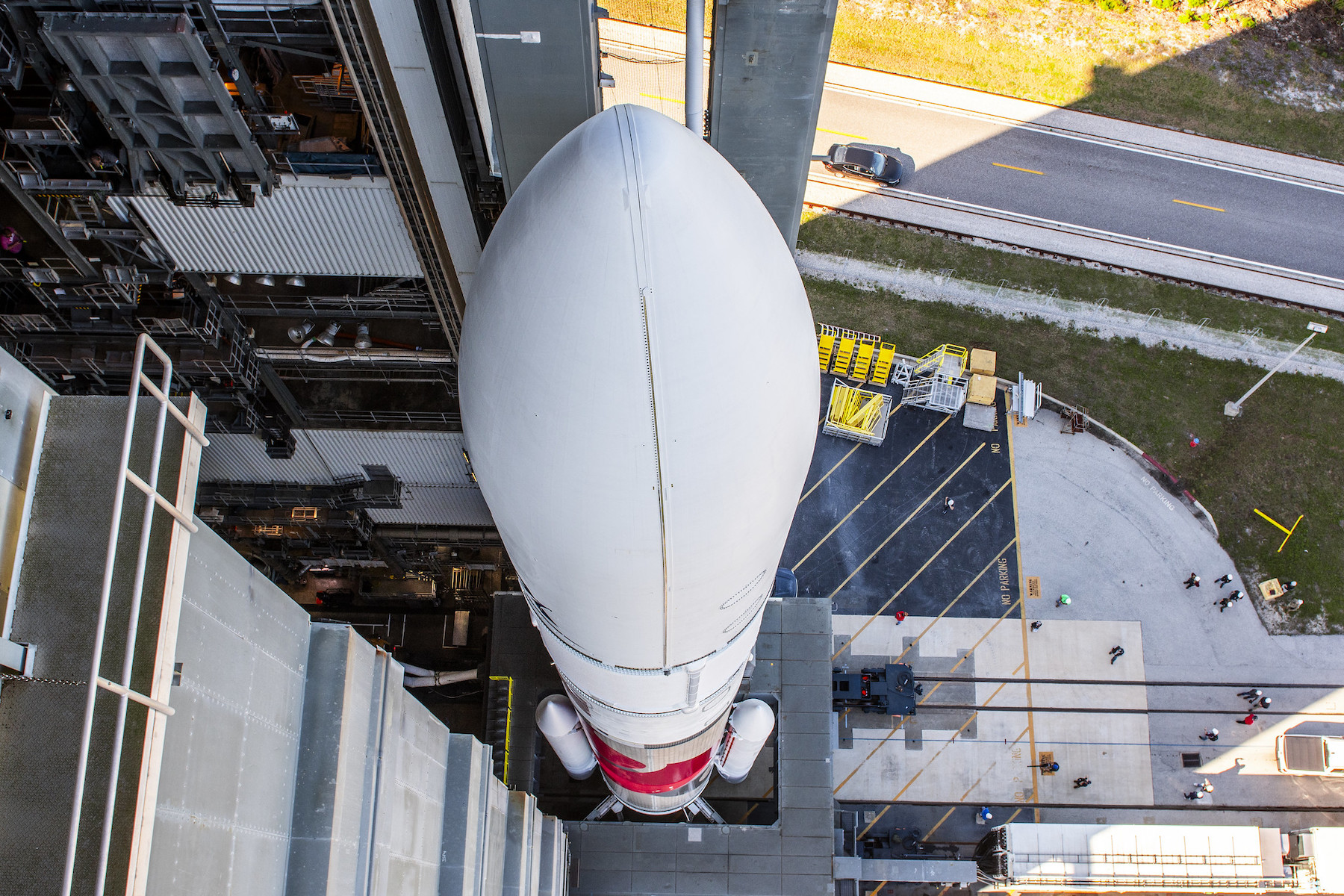
A mid-September test flight of Vulcan could permit a military launch this year
United Launch Alliance is targeting September 16 for the second test flight of the new Vulcan rocket, and a flawless mission could finally set the stage for the first Vulcan launch for the US military by the end of the year. The US Space Force has contracted ULA’s Vulcan rocket to launch the majority of…
-
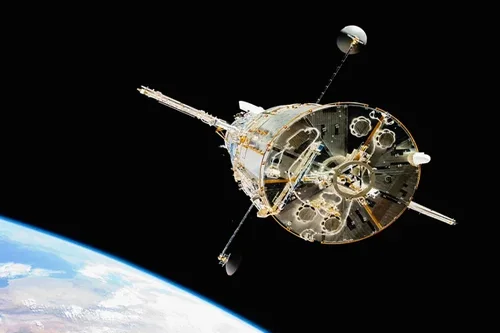
Thales Alenia Space Receives Funding from French Government for Carb-Chaser Project
Thales Alenia Space, a global space manufacturer, has been awarded French government funding to develop the Carb-Chaser project as part of the France 2030 stimulus plan. The funding was allocated following a call for projects to support the investments needed to develop and produce new components, systems and subsystems for satellite constellations and their enabling…
-

Astrobotic’s Vertical Solar Array Enters Thermal Vacuum Testing
Astrobotic’s Vertical Solar Array Technology (VSAT) is a key technology that will be used to harness solar energy for our commercial lunar power grid is being prepped to enter thermal vacuum (TVAC) testing in Chamber A at NASA’s Johnson Space Center. This follows recent testing of our rover for VOLT, or VSAT Optimized for Lunar…
-
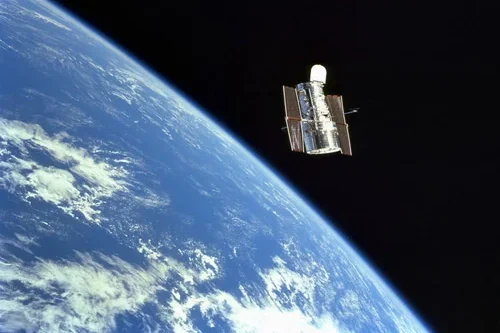
ESA’s Next Planetary Defence Mission to Explore Asteroid Apophis
30 years ago, on 16 July 1994, astronomers watched in awe as the first of many pieces of the Shoemaker-Levy 9 comet slammed into Jupiter with incredible force. The event sparked intense interest in the field of planetary defence as people asked: “Could we do anything to prevent this happening to Earth?” ESA’s Space Safety…
-
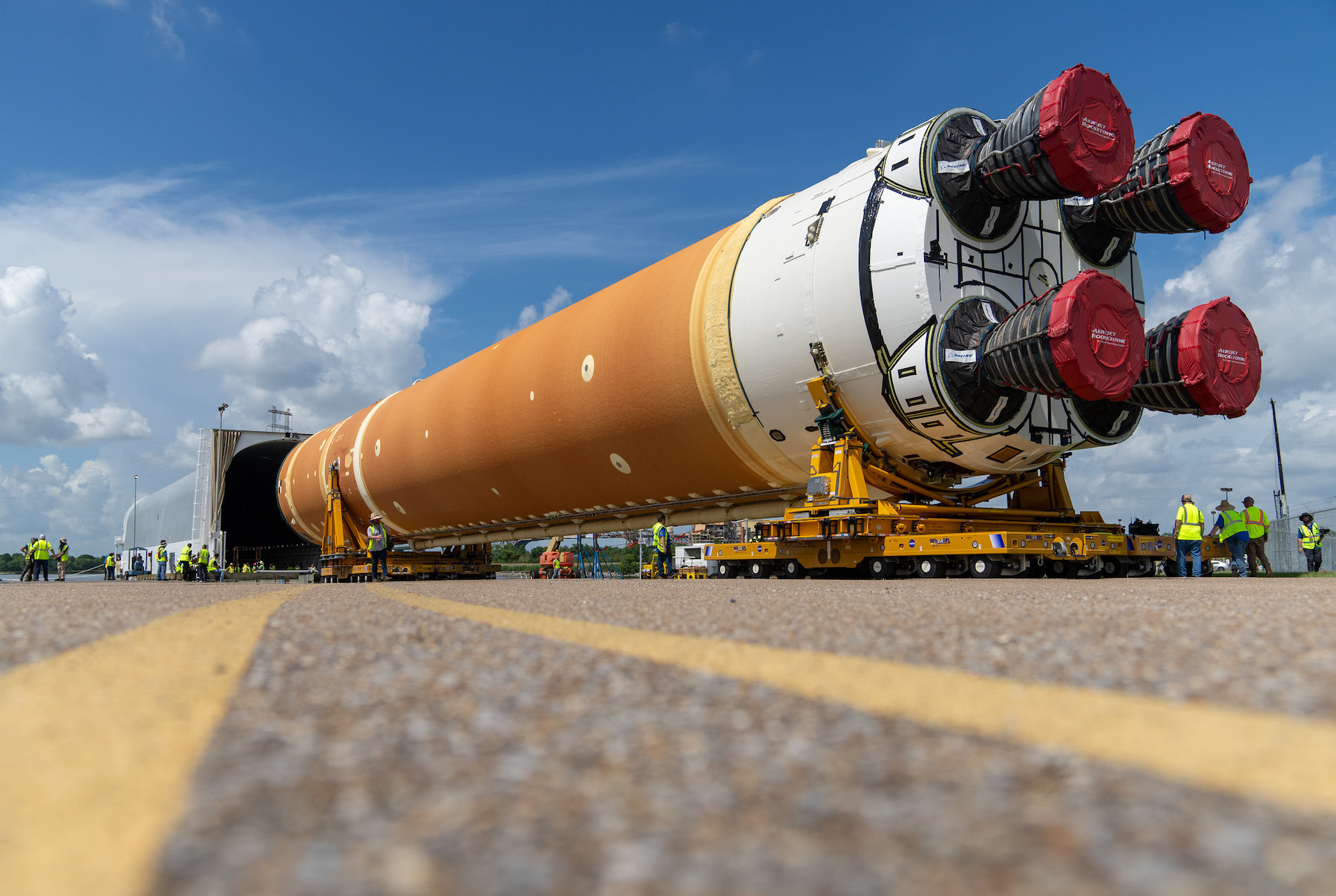
Rocket Report: Firefly’s CEO steps down; Artemis II core stage leaves factory
Welcome to Edition 7.03 of the Rocket Report! One week ago, SpaceX suffered a rare failure of its workhorse Falcon 9 rocket. In fact, it was the first time the latest version of the Falcon 9, known as the Block 5, has ever failed on its prime mission after nearly 300 launches. The world’s launch…
-

Maxar Intelligence Reveals the First Images from its WorldView Legion Satellites
Maxar Intelligence, a provider of secure, precise geospatial intelligence, released the first images from its next-generation WorldView Legion satellites, the first two of which were launched from Vandenberg Space Force Base, California, on May 2, 2024. The high-resolution, 30 cm-class images were collected on July 16, 2024, by one of Maxar’s WorldView Legion satellites on…
-

NASA Discontinues VIPER Moon Exploration Project Citing Cost Increases and Launch Delays
Following a comprehensive internal review, NASA announced its intent to discontinue development of its VIPER (Volatiles Investigating Polar Exploration Rover) project. NASA stated cost increases, delays to the launch date, and the risks of future cost growth as the reasons to stand down on the mission. The rover was originally planned to launch in late…