
Tag: LC-39A
-
NASA, SpaceX launch historic Europa Clipper mission to Jupiter
NASA and SpaceX have launched NASA’s Europa Clipper mission to Jupiter’s icy moon Europa atop a SpaceX Falcon Heavy rocket. Falcon Heavy launched during an instantaneous launch window on Monday, Oct. 14, at 12:05 PM EDT (16:05 UTC) from Launch Complex 39A (LC-39A) at the Kennedy Space Center in Cape Canaveral, Florida. If Monday’s attempt…
-
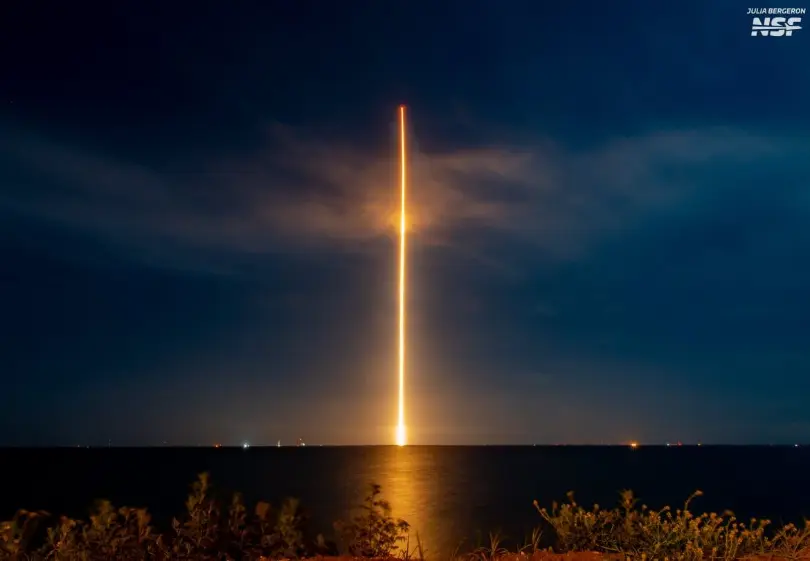
Launch Roundup: Europa Clipper launches, Starlink launches return
The Federal Aviation Administration’s (FAA) recent decision to clear SpaceX’s Falcon 9 for a return to all flights paved the way for a busy week of launches. Before Falcon 9 returned to flying regular Starlink missions, though, a Falcon Heavy launch with NASA’s Europa Clipper mission started the week off. Following Europa Clipper’s launch, SpaceX…
-
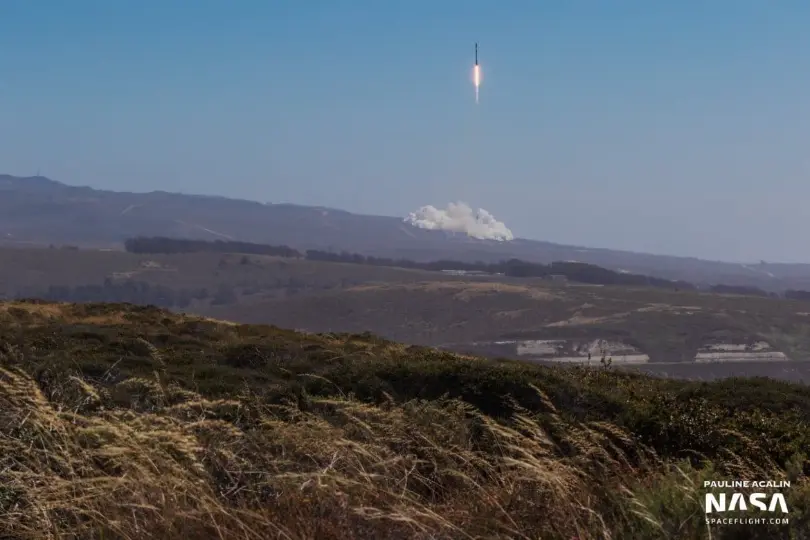
Launch Roundup: NASA Crew-9 flies half-empty, Starlink and Chinese launches continue
NASA and SpaceX’s launch of the Crew-9 mission took center stage this week. The launch of two new International Space Station crew members took place on Saturday from the recently crew-certified Space Launch Complex 40 (SLC-40) at the Cape Canaveral Space Force Station (CCSFS). Meanwhile, in California, another Falcon 9 lifted the only scheduled Starlink…
-

Launch Roundup: Polaris Dawn, ISS crewed launch headline busy week
This week’s manifest features four Falcon 9 launches, including the highly anticipated Polaris Dawn crewed mission, a mission carrying AST SpaceMobile’s first five cellphone-compatible broadband satellites, and the delayed launch of two more satellites for Europe’s mid-Earth orbit Galileo constellation. Additionally, Roscosmos has launched the Soyuz MS-26 crewed mission to the International Space Station (ISS).…
-
SpaceX launches historic Polaris Dawn mission
SpaceX has launched a mission that will not only see humans travel the farthest away from Earth since Apollo 17 in 1972 but also conduct the first-ever commercial spacewalk. This is in addition to nearly 40 different science experiments and an attempt to transmit data from space through the Starlink network. The Polaris Dawn mission,…
-
Launch Roundup: Vega retired after final launch; Polaris Dawn lift off
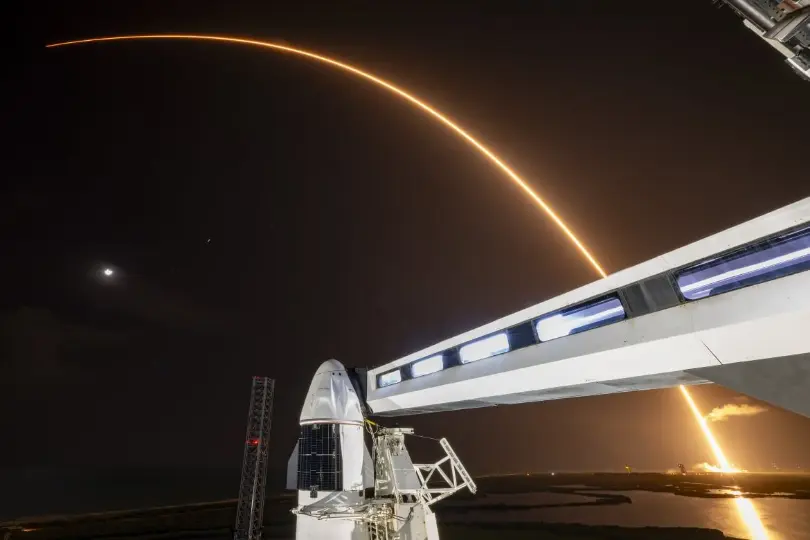
This week, rockets will launch from all over the globe. China’s CASC sent a Chang Zheng 4B on its 50th successful mission to start the week. The final launch of Arianespace’s Vega rocket went off without a hitch. Polaris Dawn launched four private astronauts to low-Earth orbit, during which the world’s first private EVA out…
-
Polaris Dawn on hold; SpaceX booster fails on landing
Another busy week of spaceflight activities contained a landing failure of a Falcon 9 booster for the first time in over three years. Looking forward, Falcon 9 could launch up to three times this week, including three Starlink flights. Polaris Dawn’s launch date has been delayed due to an unacceptable weather forecast at the time…
-
Launch Roundup: Starlink constellation continues to expand while China begins building G60 constellation
Following a busy last two weeks, the pace of the worldwide launch schedule slowed down this week. The first launch of the week saw China launch the initial batch of its G60 internet satellite constellation. If the plans for this expansive constellation are fulfilled, we can expect to see many more of these launches shortly.…
-
Launch Roundup: Falcon 9 returns to flight, China launches Earth observation satellites
The launch schedule in the past few weeks had been notably quieter than usual. Last week, a Chang Zheng 4B launched the latest set of Gaofen-11 high-resolution Earth observation satellites in the early hours of Friday, July 19 — the only launch of the week of July 14 through July 20. Following a Falcon 9…
-

NASA, NOAA launch GOES-U aboard SpaceX Falcon Heavy
The final satellite of the GOES-R series of satellites, GOES-U, was launched on June 25 aboard a SpaceX Falcon Heavy, defying an initial unfavorable weather forecast that became 70 percent favorable as weather cleared. The two-hour window opened at 5:16 PM EDT (21:16 UTC), but the vehicle took off from LC-39A at the Kennedy Space…