
Tag: Mars
-
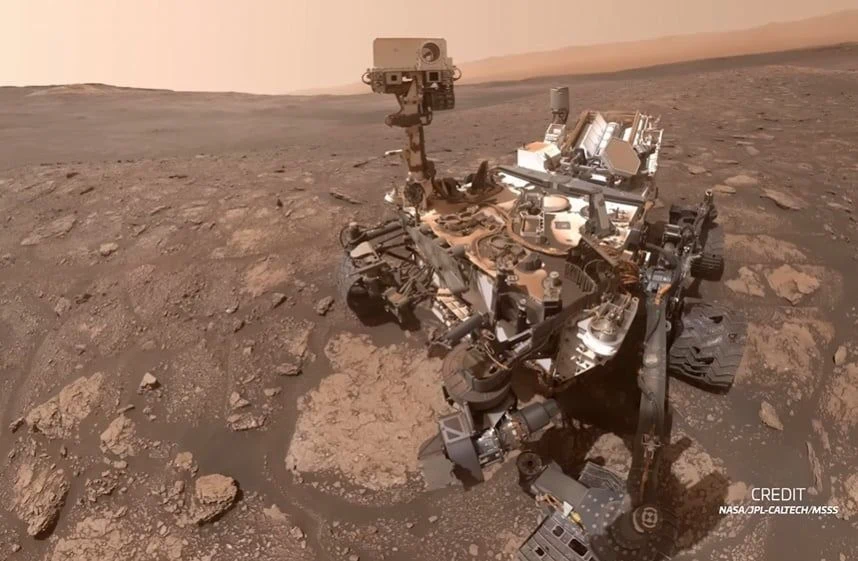
Curiosity Rover uncovers fresh organic clues on Ancient Mars
In a significant step forward for the search for signs of ancient life beyond Earth, NASA’s long-lived Curiosity rover has detected a suite of organic molecules in a Martian rock sample — including several never before identified on the Red Planet. The findings, verified years after the sample was collected, add compelling evidence that Mars…
-
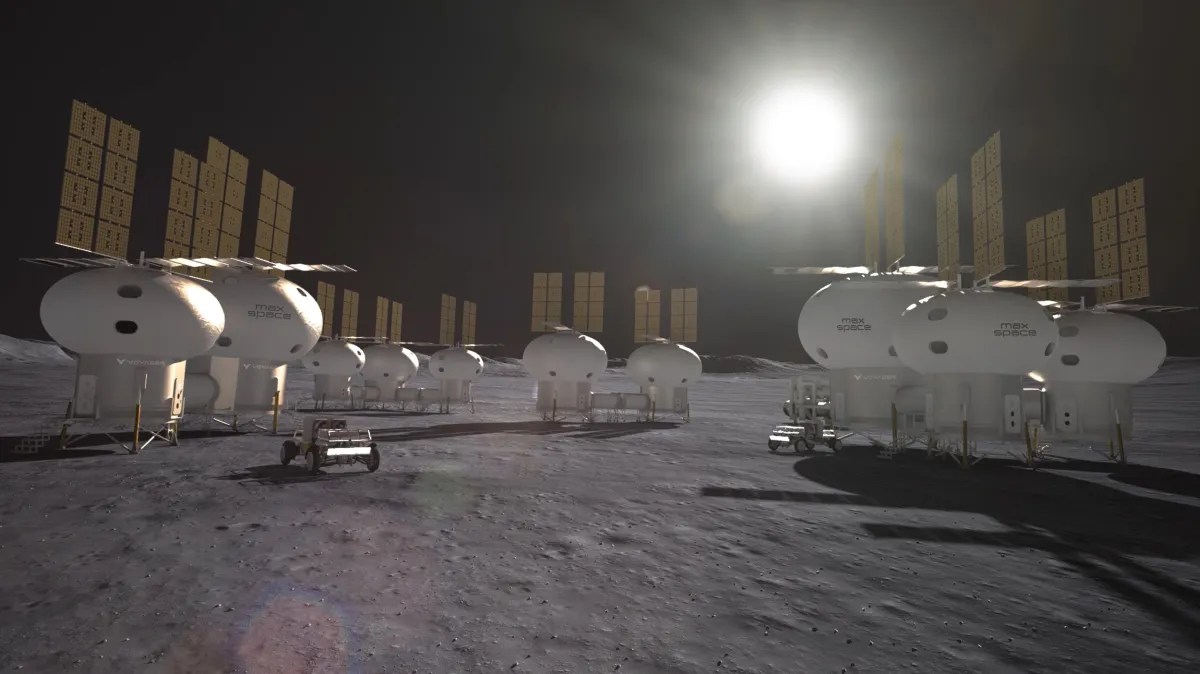
Voyager Technologies and Max Space Partner on Expandable Space Habitats
Voyager Technologies and Max Space have agreed to collaborate on expandable space structures that could be used for habitation, storage and other infrastructure beyond Earth orbit. The companies said the technology is designed to launch in a compact configuration and expand once deployed in space, enabling large pressurized volumes without requiring multiple launches or complex…
-

Why would Elon Musk pivot from Mars to the Moon all of a sudden?
As more than 120 million people tuned in to the Super Bowl for kickoff on Sunday evening, SpaceX founder Elon Musk turned instead to his social network. There, he tapped out an extended message in which he revealed that SpaceX is pivoting from the settlement of Mars to building a “self-growing” city on the Moon.…
-

Space Science in 2026: New lunar explorers, Mars missions, and space telescopes
With many missions on the manifest, the new year promises to be packed with space science. Two interplanetary spacecraft will arrive at their destinations as another Mars window opens in late 2026. Meanwhile, multiple space telescopes have their launch dates set for this year, and the schedule promises an increased cadence for lunar missions. The…
-
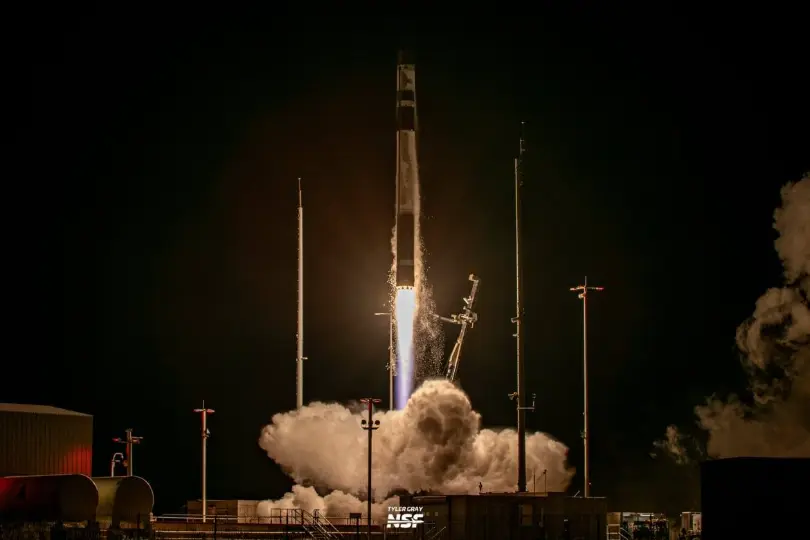
After record-breaking 2025, Rocket Lab prepares for Neutron’s debut in 2026
Rocket Lab had its most successful year to date in 2025, with its Electron rocket completing 21 successful flights and the company racking up several new industry contracts. One such contract is with the Space Development Agency, valued at up to $816 million, for Rocket Lab to develop 18 missile-warning satellites — the company’s largest…
-
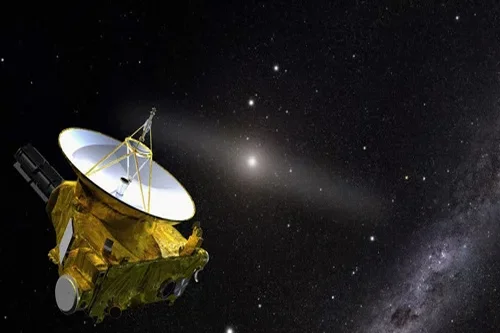
NASA loses contact with MAVEN, Perseverance continues roving around Jezero
In early December, NASA lost contact with its MAVEN spacecraft, which has been orbiting Mars since 2014. MAVEN was supposed to reestablish communications with NASA’s Deep Space Network on Dec. 6 after emerging from behind Mars during a routine blackout period when the spacecraft’s orbit takes it behind the red planet, blocking all communications to…
-

Blue Origin unveils new spacecraft and New Glenn upgrades
Fresh off its highly successful NG-2 flight, which launched the ESCAPADE Mars probes and featured a successful booster landing, Blue Origin unveiled the Blue Moon Mk1 robotic lander due to fly in 2026, possibly on New Glenn’s next flight. In addition, the company announced its future New Glenn 9×4 rocket while giving the current New…
-

Blue Origin’s New Glenn rocket launches twin probes on trip to Mars — and scores a booster touchdown
Blue Origin’s New Glenn rocket rises from its Florida launch pad. (Blue Origin Photo via Dave Limp / X) Jeff Bezos’ Blue Origin space venture sent twin orbiters on the first leg of their journey to Mars today, marking a successful sequel to January’s first liftoff of the company’s heavy-lift New Glenn launch vehicle. The…
-
Blue Origin’s New Glenn Completes Second Flight, Deploys NASA Mars-Bound Satellites
Blue Origin’s New Glenn booster completed its second-ever trip to space on Thursday, successfully launching two NASA satellites on a mission to study the Martian atmosphere. The unmanned rocket lifted off shortly after 4 p.m. EST from Cape Canaveral Space Force Station’s Launch Complex 36, carrying the twin ESCAPADE probes. After stage separation, the reusable…
-

Blue Origin launches ESCAPADE on New Glenn, successfully lands first stage booster
Following a successful first flight in January, Blue Origin successfully launched its heavy-lift New Glenn rocket from Florida once again, this time with a payload bound for Mars. The second New Glenn mission, named “NG-2” by Blue Origin, lifted off on Thursday, Nov. 13, at 3:55 PM EST (20:55 UTC) from Launch Complex 36 (LC-36)…