
Tag: Mobile Launcher
-
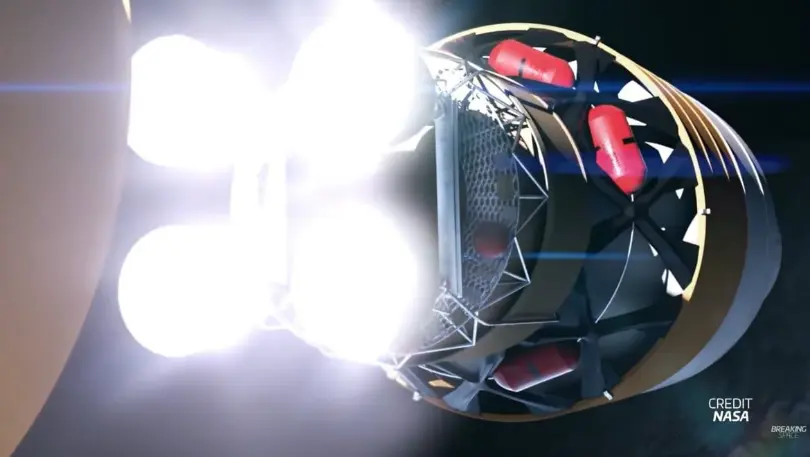
Blue Origin, Relativity Space, Stoke Space, and more all completing major upgrades at Cape Canaveral
Numerous upgrades have been observed during NSF’s recent flyover, as efforts continue to bring upgraded systems online for commercial launchers, including SpaceX, Blue Origin, Relativity Space, Stoke Space, and ULA, as well as NASA’s SLS. Renovations of old launch facilities, new land leases, and other developments have also been seen from the sky, providing a…
-
Final ML-2 tower module added as Artemis and SLS Block 1B receive a funding reprieve
Mobile Launcher 2 (ML-2), the launch tower and platform to be used by the Block 1B variant of the Space Launch System (SLS), recently had its tenth and final tower module stacked on July 2. Module 10 will support the Orion crew access arm and related systems, and its installation brings the ML-2 tower’s height…
-
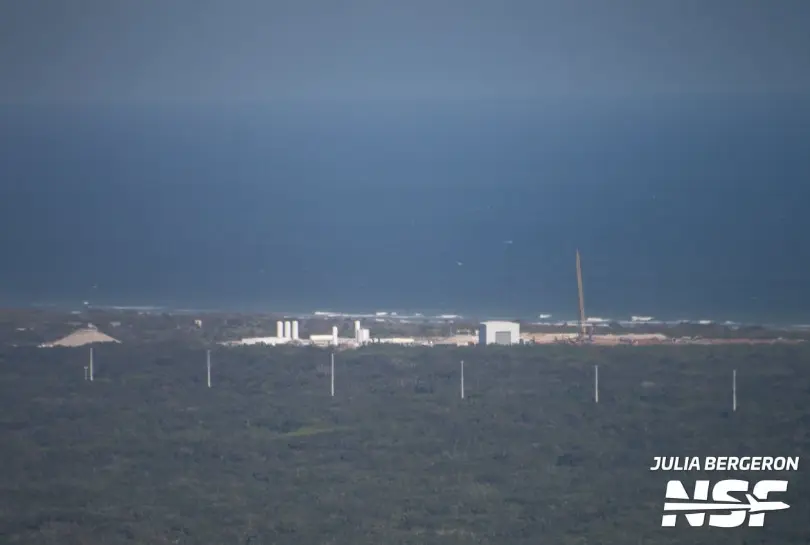
Relativity, Amazon, and NASA continue work on Cape infrastructure
In addition to SpaceX’s work, Cape Canaveral has been busy with Relativity Space focusing on its reusable Terran R rocket, which is being developed at Space Launch Complex-16. Upgrades to this site, including new infrastructure, were documented during a recent NSF flyover. NSF also documented advancements at Amazon’s Kuiper facility, now nearing completion to support…
-

NASA modifies ML-1 for Artemis II, ML-2 under construction for SLS Block IB
As construction begins to assemble the Mobile Launcher-2 (ML-2) for Artemis IV, Mobile Launcher-1 (ML-1) secured its position once again back on top of Launch Complex 39B for pad validation and testing. This comes after ML-1 spent the better part of this year undergoing repairs and upgrades outside of the VAB at the West Park…
-
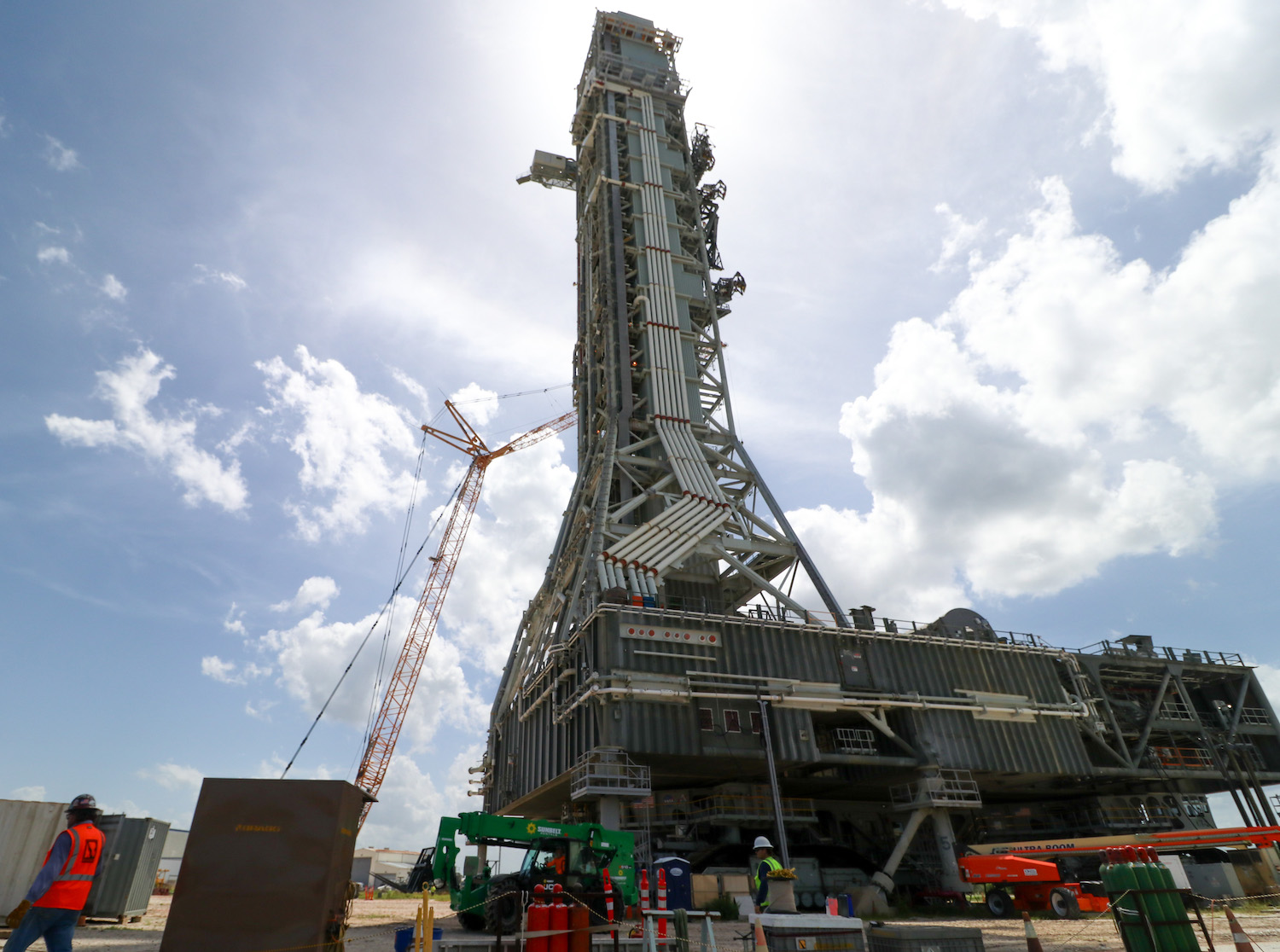
With NASA’s mobile launcher on the move, here’s a road map to Artemis II
NASA’s repaired and upgraded mobile launch platform moved back to its launch pad at the Kennedy Space Center this week. This marks a transition from refurbishment after the launch of the Artemis I mission last year into preparations for Artemis II—the Moon program’s first flight with astronauts. The giant structure sustained more damage than expected…
-

NASA’s moon program mobile launcher rolls back to the launch pad for testing
NASA’s Mobile Launcher begins its journey from the park site near the Vehicle Assembly Building to launch pad 39B. Image: NASA. The launch tower supporting the first three Artemis moon missions was back on the move for the first time Wednesday after more than half a year of repairs and upgrades. NASA’s 380-foot-tall mobile launcher…
-

NASA talks Mobile Launcher refurbishment, modifications needed for Artemis II crew debut of SLS
Mobile Launcher 1 (ML1, or ML) is on its way back to the Vehicle Assembly Building (VAB) at the Kennedy Space Center after successfully launching the SLS rocket and Orion/European Service Module duo on the Artemis I mission from Launch Complex 39B (LC-39B) on Nov. 16, 2022. The ML now needs to be repaired from…
-
Stacking complete for SLS boosters
The twin solid rocket boosters for the Artemis 1 mission are stacked on the SLS Mobile Launcher inside High Bay 3 of the Vehicle Assembly Building. Credit: NASA/Isaac Watson The twin 177-foot-tall (54-meter) solid-fueled boosters for the first flight of NASA’s Space Launch System have been stacked inside the Vehicle Assembly Building at the Kennedy…
-
NASA’s ML-1 Completes Testing at LC-39B ahead of SLS Stacking
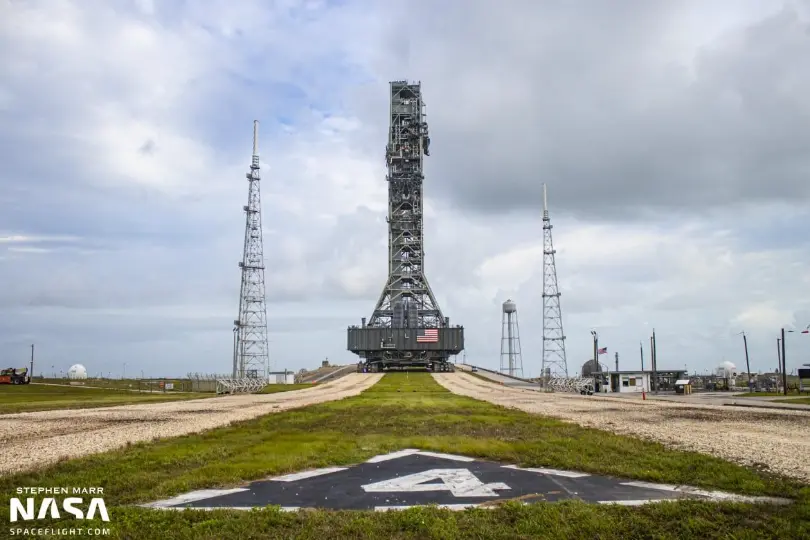
NASA’s Mobile Launcher-1, or ML-1, has rolled back to the Vehicle Assembly Building after completing a series of tests at Launch Complex-39B (LC-39B). This marks the last trip to the launch pad for ML-1 until the first fully stacked Space Launch System rocket rolls out for the Artemis I mission. (Lead photo via Stephen Marr…
-
SLS launch platform returns to pad 39B
EDITOR’S NOTE: Updated Sept. 11 with pad arrival. The Space Launch System’s mobile tower emerged from the Vehicle Assembly Building at NASA’s Kennedy Space Center on Tuesday morning to begin the 4.2-mile trip back to pad 39B. Credit: Spaceflight Now The towering mobile platform for NASA’s Space Launch System emerged from the Vehicle Assembly Building at…