
Tag: NASA
-

NASA says Boeing Starliner craft will land empty, with its crew returning months later
Boeing’s Starliner capsule is shown docked to the International Space Station with a turning Earth in the background. (NASA Photo) NASA has decided it’s too risky to have Boeing’s Starliner spacecraft return to Earth from the International Space Station with its two crew members, and so those astronauts will extend their stay by several months…
-
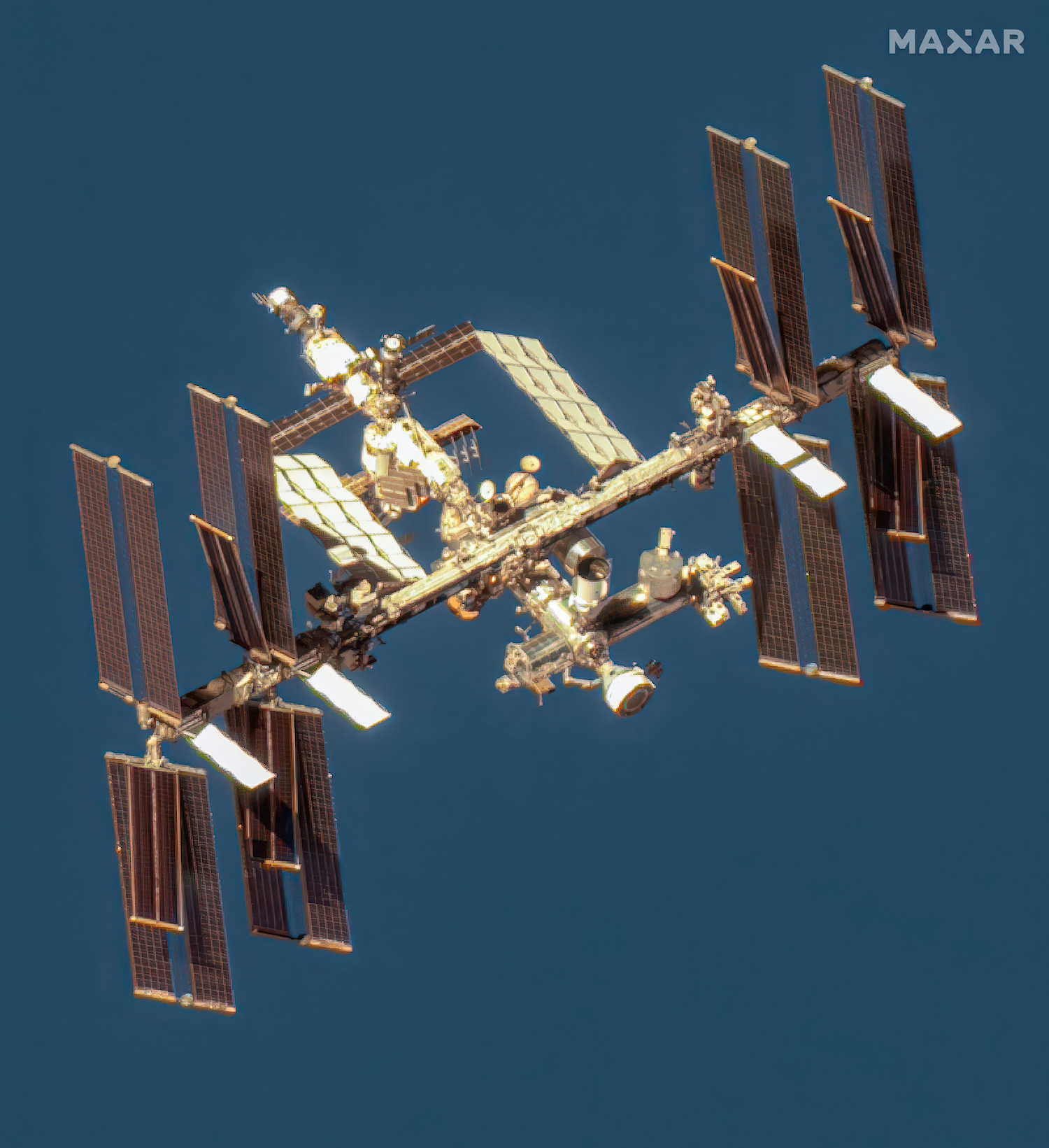
After months of mulling, NASA will decide on Starliner return this weekend
Senior NASA leaders, including the agency’s administrator, Bill Nelson, will meet Saturday in Houston to decide whether Boeing’s Starliner spacecraft is safe enough to ferry astronauts Butch Wilmore and Suni Williams back to Earth from the International Space Station. The Flight Readiness Review (FRR) is expected to conclude with NASA’s most consequential safety decision in…
-
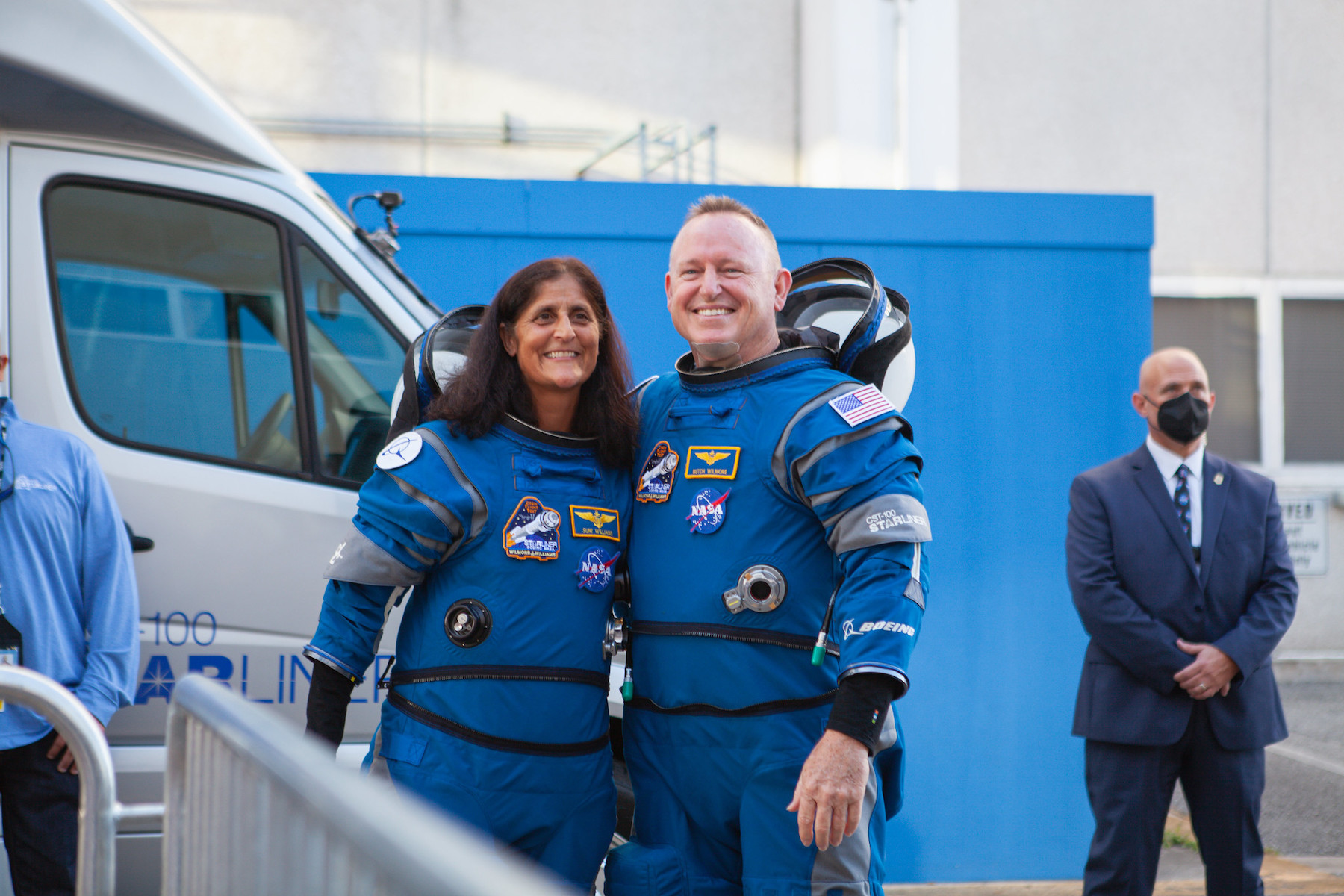
Cards on the table: Are Butch and Suni coming home on Starliner or Crew Dragon?
After months of consideration, NASA said Thursday that it will finally decide the fate of two astronauts on board the International Space Station, Butch Wilmore and Suni Williams, by this weekend. As soon as Saturday, the two crew members will learn whether they’ll return on a Starliner spacecraft in early September or a Crew Dragon…
-
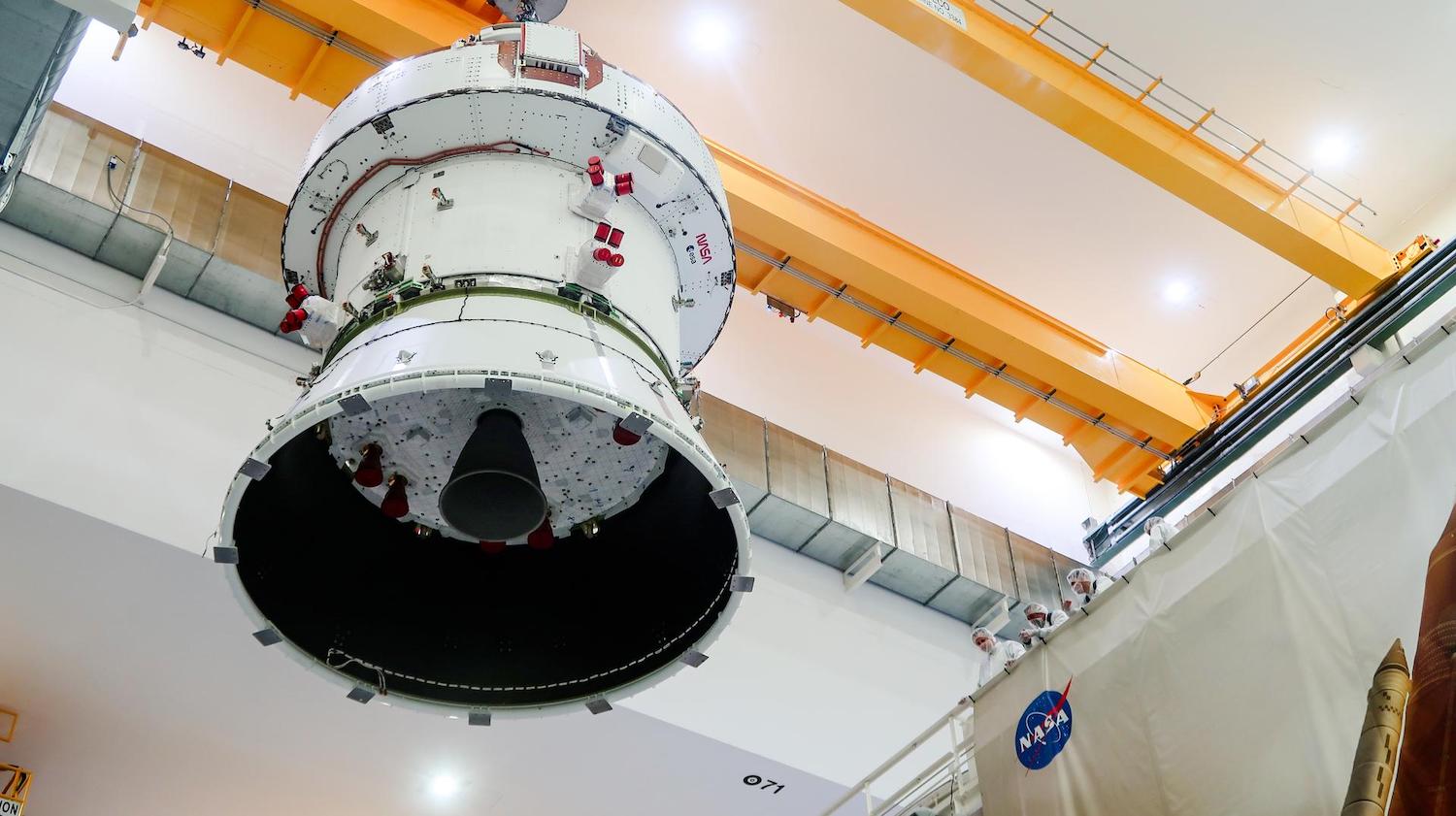
NASA wants clarity on Orion heat shield issue before stacking Artemis II rocket
NASA would like to start stacking the Space Launch System rocket for the Artemis II mission—the first human flight around the Moon since 1972—sometime next month, but the agency’s exploration chief says the milestone could be delayed as engineers continue studying the readiness of the Orion spacecraft’s heat shield. The heat shield, already installed at…
-
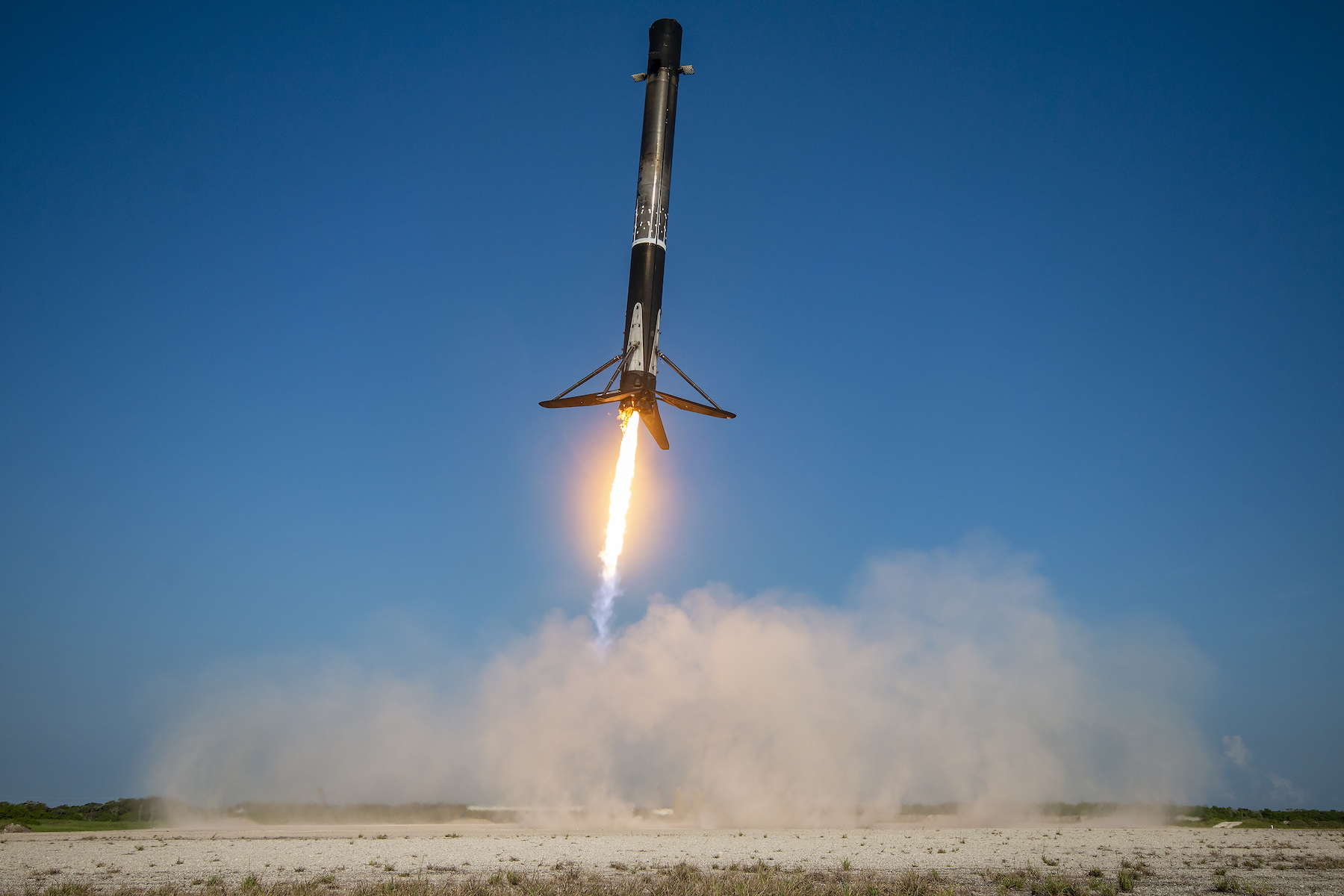
Rocket Report: ULA is losing engineers; SpaceX is launching every two days
Welcome to Edition 7.07 of the Rocket Report! SpaceX has not missed a beat since the Federal Aviation Administration gave the company a green light to resume Falcon 9 launches after a failure last month. In 19 days, SpaceX has launched 10 flights of the Falcon 9 rocket, taking advantage of all three of its…
-
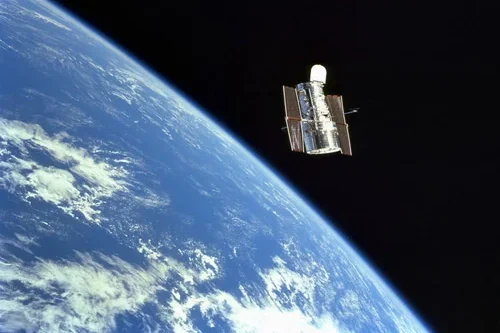
Rocket Lab’s Mars-bound twin satellites – Blue and Gold – hit the road ahead of Blue Origin launch
The fully integrated EscaPADE satellites sit inside a clean room at Rocket Lab’s Space Systems Group facility in Long Beach, California. Image: Rocket Lab Rocket Lab is gearing up for its first mission to another planet. In the fall, two of its spacecraft will hitch a ride onboard a Blue Origin New Glenn rocket to…
-
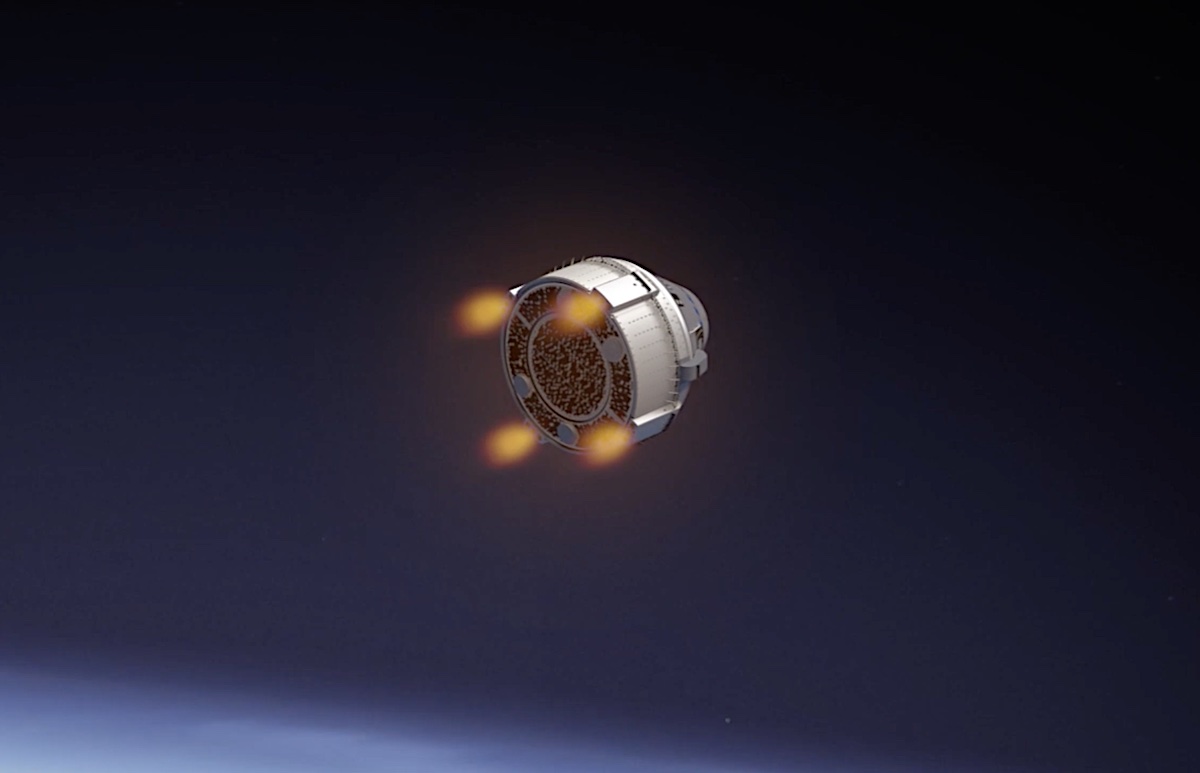
NASA acknowledges it cannot quantify risk of Starliner propulsion issues
With no consensus on the safety of the Starliner crew capsule, NASA officials said Wednesday they need another week or two before deciding whether to bring two astronauts back to Earth on Boeing’s spacecraft or extend their stay on the International Space Station until next year. Boeing’s Starliner spacecraft, stricken by suspect thrusters and helium…
-
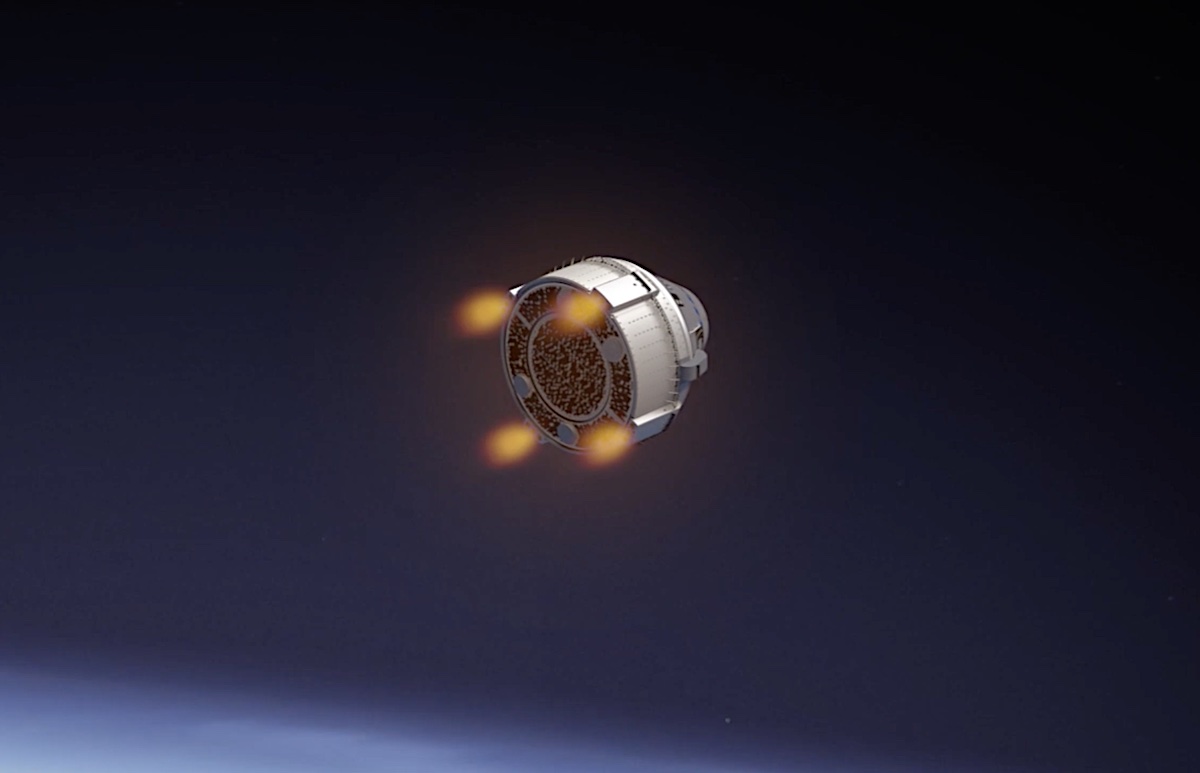
NASA acknowledges it cannot quantify risk of Starliner propulsion issues
With no consensus on the safety of the Starliner crew capsule, NASA officials said Wednesday they need another week or two before deciding whether to bring two astronauts back to Earth on Boeing’s spacecraft or extend their stay on the International Space Station until next year. Boeing’s Starliner spacecraft, stricken by suspect thrusters and helium…
-
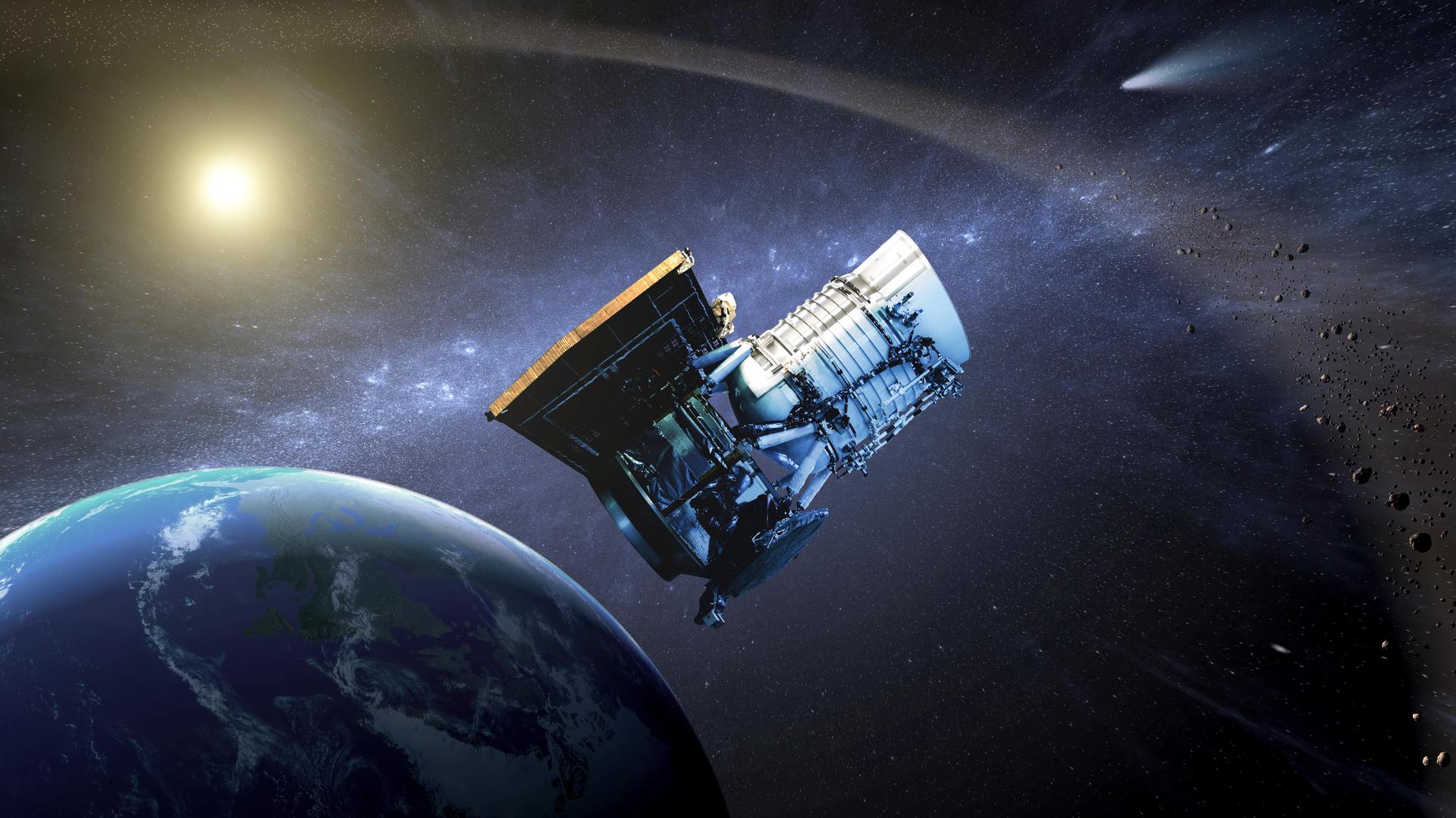
NASA shuts down asteroid-hunting telescope, but a better one is on the way
Last week, NASA decommissioned a nearly 15-year-old spacecraft that discovered 400 near-Earth asteroids and comets, closing an important chapter in the agency’s planetary defense program. From its position in low-Earth orbit, the spacecraft’s infrared telescope scanned the entire sky 23 times and captured millions of images, initially searching for infrared emissions from galaxies, stars, and…
-
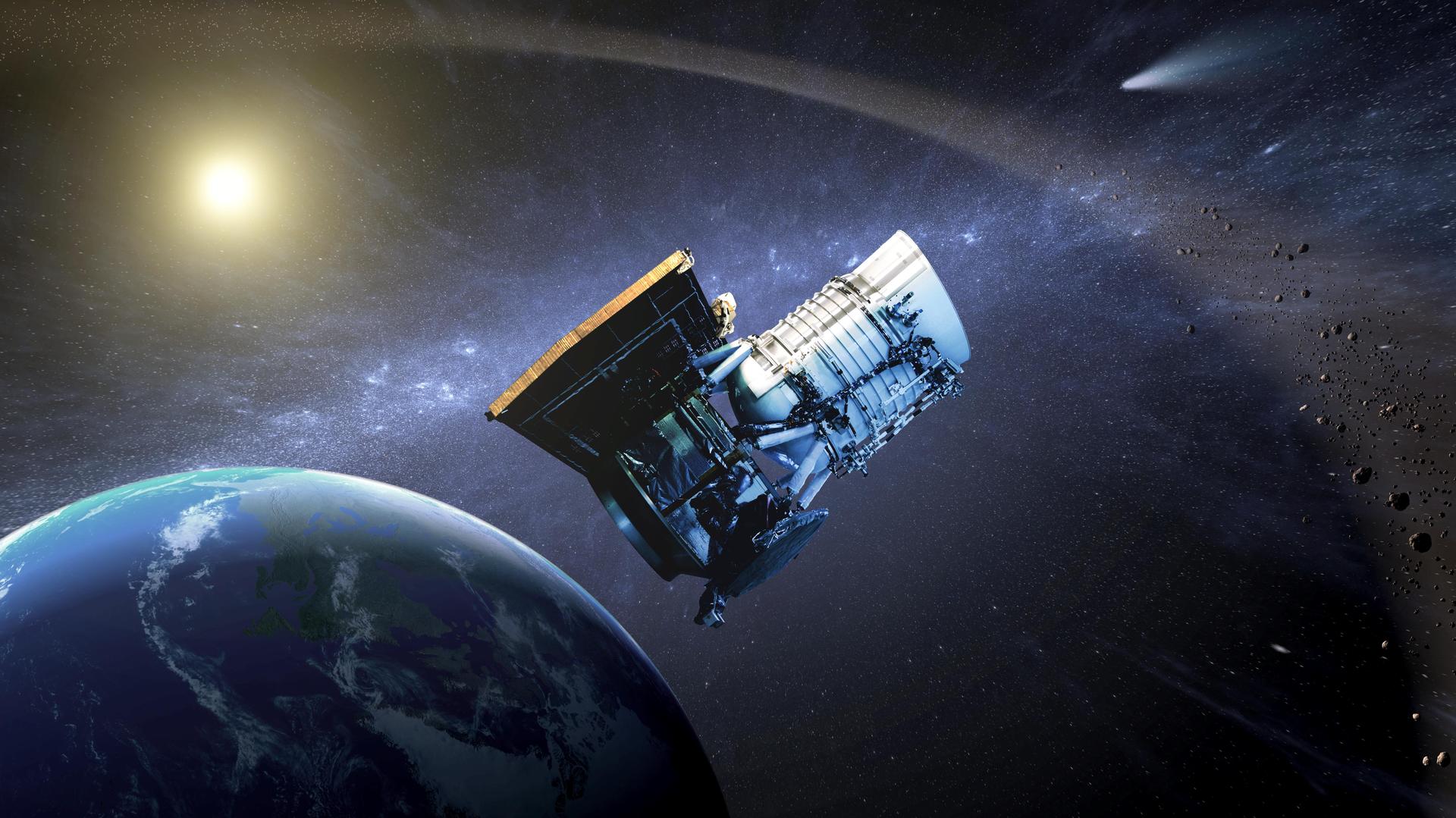
NASA shuts down asteroid-hunting telescope, but a better one is on the way
Last week, NASA decommissioned a nearly 15-year-old spacecraft that discovered 400 near-Earth asteroids and comets, closing an important chapter in the agency’s planetary defense program. From its position in low-Earth orbit, the spacecraft’s infrared telescope scanned the entire sky 23 times and captured millions of images, initially searching for infrared emissions from galaxies, stars, and…