
Tag: NASA
-
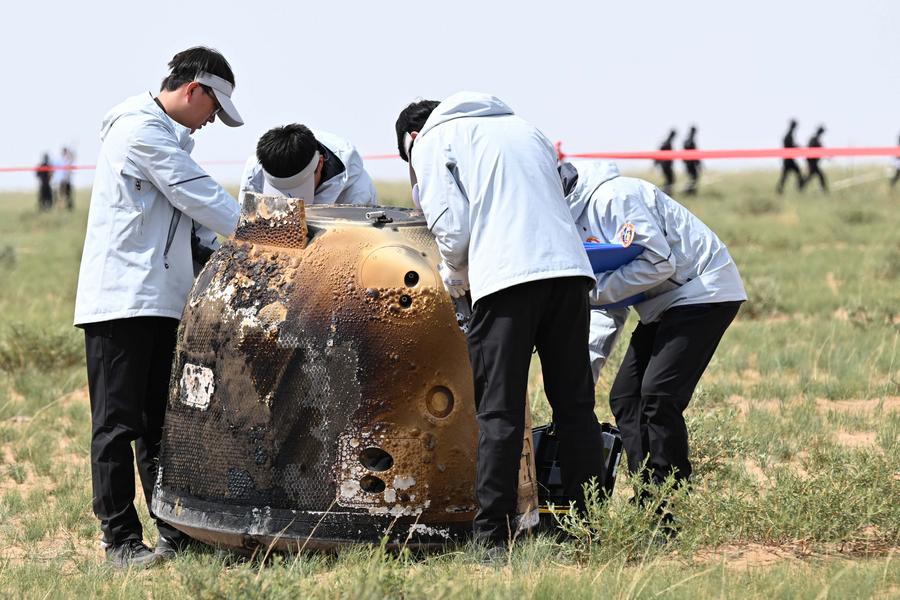
Rocks from the far side of the Moon landed on Earth Tuesday
A small spacecraft landed in Inner Mongolia on Tuesday, bringing samples from the far side of the Moon back to Earth. This was not China’s first robotic mission to return a few pounds of dust and pebbles from the lunar surface—that came with the Chang’e 5 mission in December 2020. However, this was the first…
-

NASA, NOAA launch GOES-U aboard SpaceX Falcon Heavy
The final satellite of the GOES-R series of satellites, GOES-U, was launched on June 25 aboard a SpaceX Falcon Heavy, defying an initial unfavorable weather forecast that became 70 percent favorable as weather cleared. The two-hour window opened at 5:16 PM EDT (21:16 UTC), but the vehicle took off from LC-39A at the Kennedy Space…
-

SpaceX launches final NOAA GOES weather satellite on Falcon Heavy rocket
For a tenth time in program history, a SpaceX Falcon Heavy rocket roared off the launchpad at historic Launch Complex 39A. This was the beginning of the journey for Geostationary Operational Environmental Satellites-U (GOES-U) satellite on behalf of NOAA. Image: Adam Bernstein/Spaceflight Now Update 10:10 p.m. EDT: SpaceX’s Falcon Heavy second stage completed its third…
-
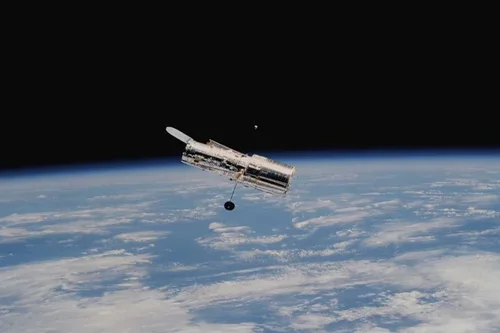
Launch Roundup: Falcon Heavy returns with GOES-U, Firefly Alpha launch attempt
Following a week in which Tropical Storm Alberto brought high seas, wind, and rain-related delays to the launch schedule in Florida, SpaceX managed to get back on track this week with launches from all three of the active Falcon launch pads, including a Falcon Heavy. Toward the end of the week, the Japanese Aerospace and…
-

NASA again delays Starliner undocking, return to Earth
The Starliner spacecraft on NASA’s Boeing Crew Flight Test is pictured docked to the Harmony module’s forward port as the International Space Station orbited 263 miles above the Mediterranean Sea. Image: NASA. NASA and Boeing managers have again decided to extend the Starliner crew capsule’s stay at the International Space Station, passing up a June…
-
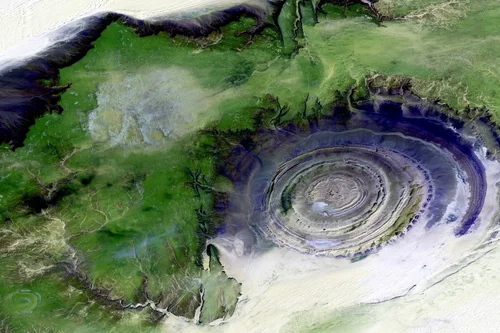
NASA moves Starliner landing to June 26 to collect more test flight data
Boeing’s Starliner spacecraft photographed through the window of SpaceX’s Crew Dragon capsule while both were docked to the International Space Station. Image: NASA Boeing’s leak-prone Starliner capsule will remain docked to the International Space Station an additional four days, NASA announced Tuesday, returning to Earth with a pre-dawn landing at White Sands, New Mexico, on…
-
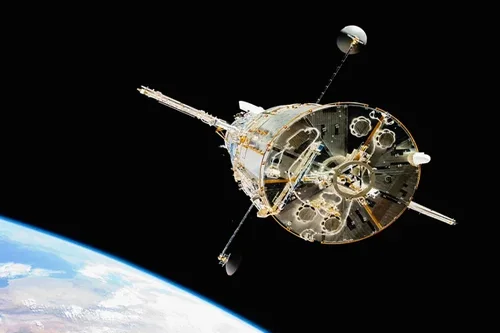
Webb identifies surprising carbon-rich ingredients around young star
Using the joint NASA, European Space Agency (ESA), and Canadian Space Agency (CSA) James Webb Space Telescope, a team of international scientists studied a disk of cosmic material surrounding an extremely low-mass star. The results from the investigation show the richest hydrocarbon chemistry ever observed within a protoplanetary disk, which is a disk of gas,…
-
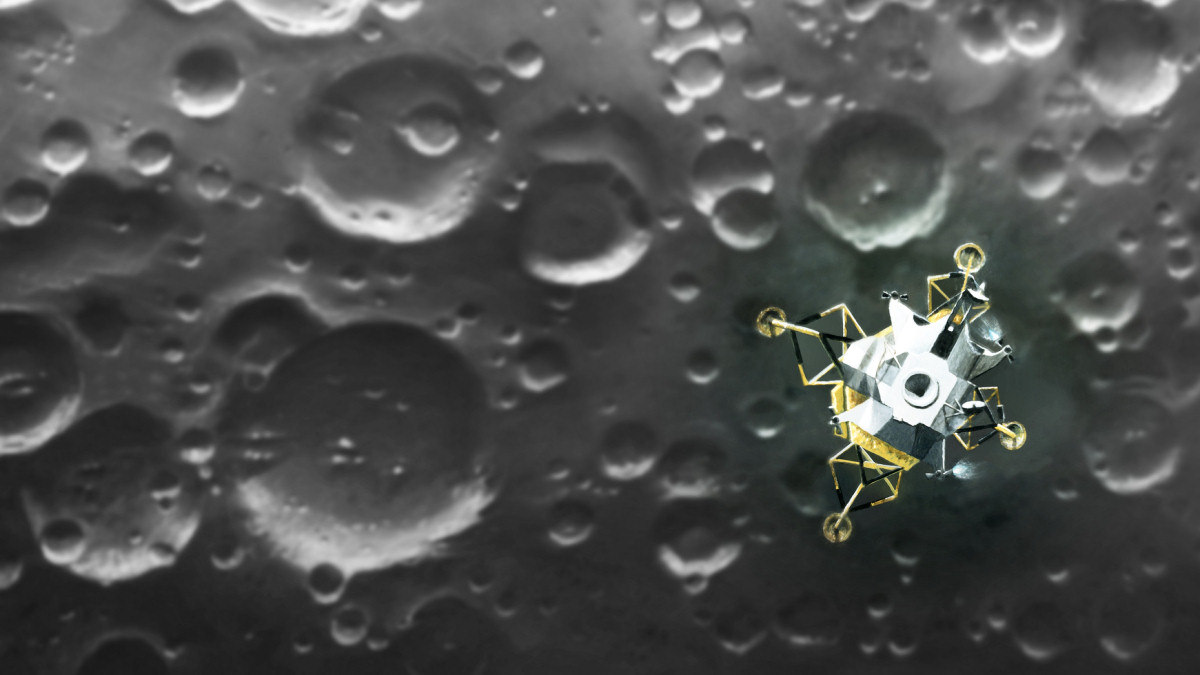
Retired engineer discovers 55-year-old bug in Lunar Lander computer game code
On Friday, a retired software engineer named Martin C. Martin announced that he recently discovered a bug in the original Lunar Lander computer game’s physics code while tinkering with the software. Created by a 17-year-old high school student named Jim Storer in 1969, this primordial game rendered the action only as text status updates on…
-
Retired engineer discovers 55-year-old bug in Lunar Lander computer game code
On Friday, a retired software engineer named Martin C. Martin announced that he recently discovered a bug in the original Lunar Lander computer game’s physics code while tinkering with the software. Created by a 17-year-old high school student named Jim Storer in 1969, this primordial game rendered the action only as text status updates on…
-

NASA, Boeing set new undocking, landing date for Starliner spacecraft
This view from a window on the cupola overlooks a portion of the International Space and shows the partially obscured Starliner spacecraft from Boeing docked to the Harmony module’s forward port. Image: NASA NASA and Boeing teams pushed back the target undocking and landing date for the Starliner spacecraft from the International Space Station by…