
Tag: Neil Gehrels Swift Observatory
-
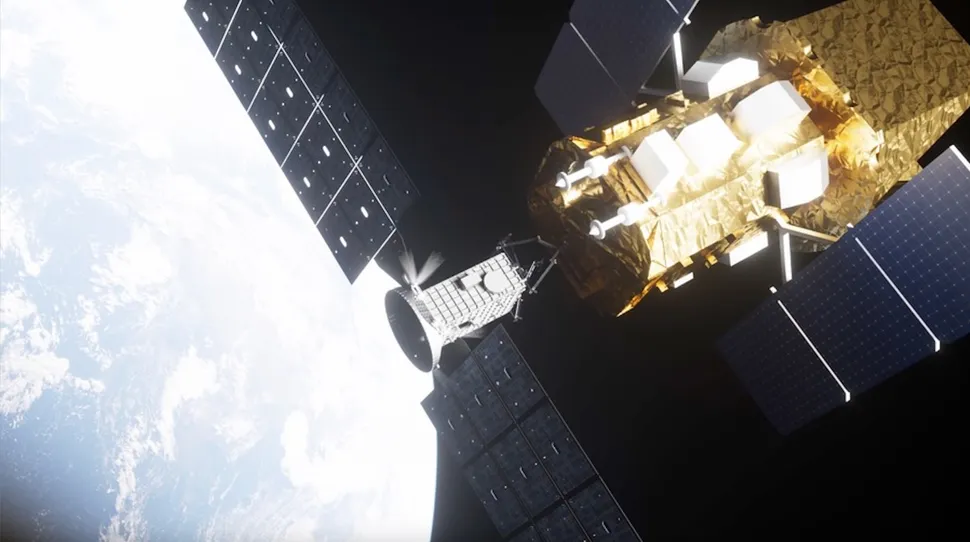
NASA Ends Swift Telescope Rescue After Private Servicer Loses Attitude Control
NASA has called off the effort to save the Neil Gehrels Swift Observatory after the private spacecraft sent to raise the aging telescope’s orbit failed to overcome persistent attitude-control problems. The Swift Boost mission was intended to demonstrate a new model for satellite servicing: instead of replacing an aging spacecraft, a relatively small commercial vehicle…
-

Pegasus XL set to air launch Swift Boost Mission to save NASA space telescope
In its first mission since 2021, a Northrop Grumman Pegasus XL rocket is scheduled to be air-launched from the Lockheed L-1011 TriStar Stargazer. Riding aboard Pegasus XL is NASA’s Swift Boost Mission, a mission utilizing a robotic servicing spacecraft from Katalyst Space Technologies to raise, or “boost,” the orbital altitude of NASA’s Neil Gehrels Swift Observatory.…
-
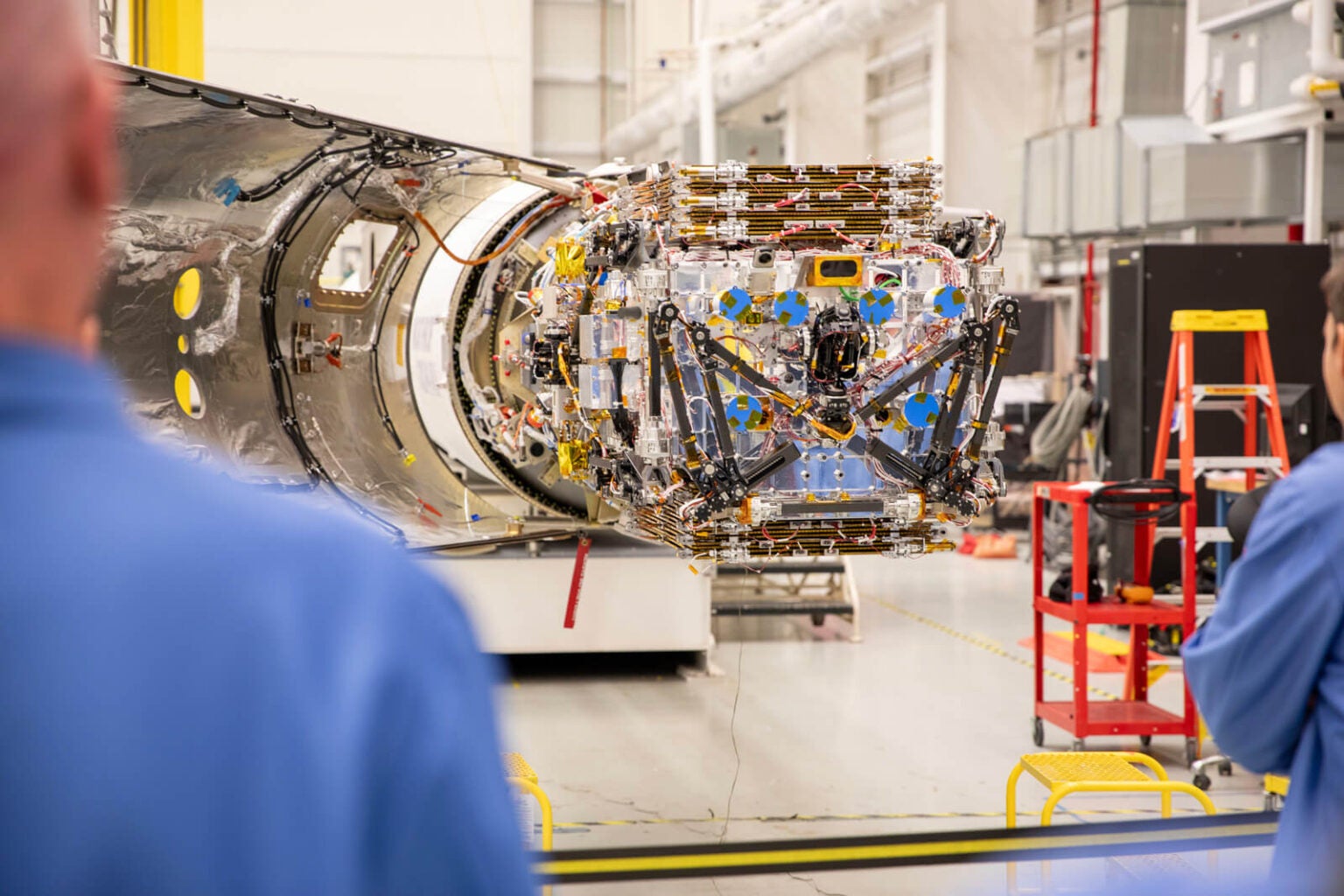
Pegasus Rocket to Launch Mission to Extend NASA Swift Observatory’s Orbit
A Northrop Grumman Pegasus XL rocket is scheduled to launch a robotic servicing spacecraft this weekend on a mission to extend the operational life of NASA’s Neil Gehrels Swift Observatory by boosting it into a higher orbit. The mission will carry Katalyst Space’s LINK servicing spacecraft, which is designed to rendezvous with the Swift Observatory…
-
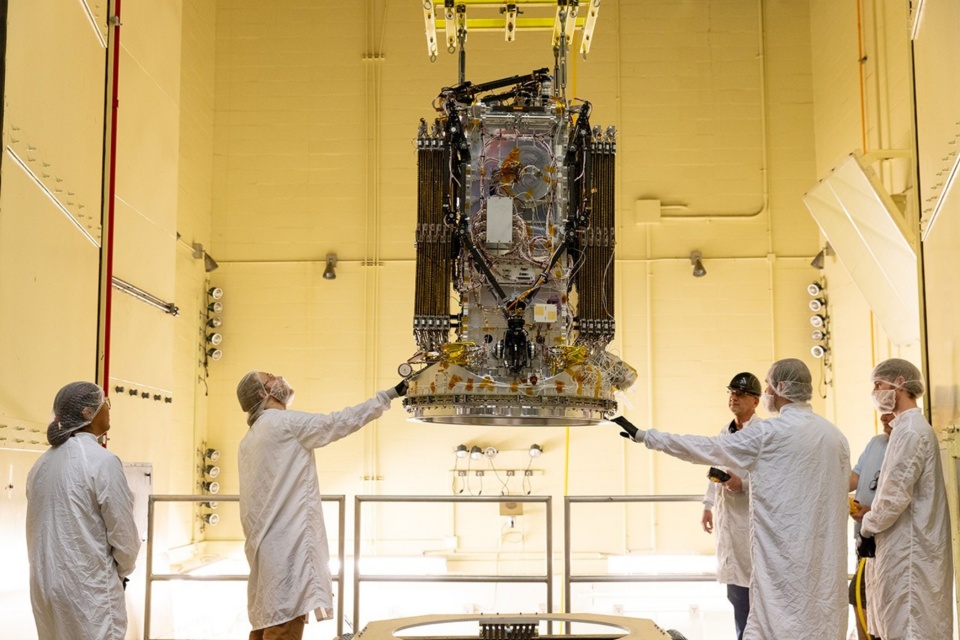
Katalyst Space Raises $12 Million to Advance GEO Satellite Servicing Vehicle
Katalyst Space has secured $12 million in new funding to support the development of its first geostationary orbit (GEO)-capable robotic servicing spacecraft, NEXUS, which is scheduled to launch aboard an Arianespace Ariane 6 rocket in 2027. The funding round was led by Geodesic Capital, with participation from Fortitude Ventures and several undisclosed investors. The capital…
-
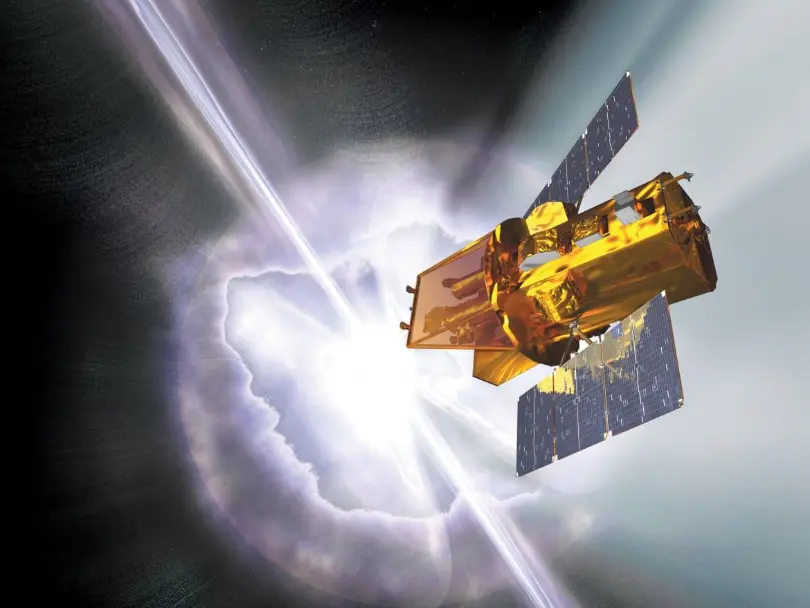
Using new data analysis tool on Swift, scientists discover black hole snacking on a star
Scientists, using NASA’s Neil Gehrels Swift Observatory, have discovered a black hole that is continuously snacking on a star that is similar to our Sun. Located in a galaxy around 500 million light-years away from Earth, the black hole’s constant nibbling on the star, a phenomenon known as a tidal disruption event, creates a bright…