
Tag: Orion
-

NASA’s Orion capsule circles the moon, capturing views that’ll make you feel giddy
A view captured by a camera on one of Orion’s solar array wings shows Earth setting beneath the moon’s horizon. A portion of the Orion capsule is in the foreground at left. (NASA Photo) NASA’s Orion capsule rounded the moon today, marking a crucial milestone in a weeks-long Artemis 1 mission that’s preparing the way…
-
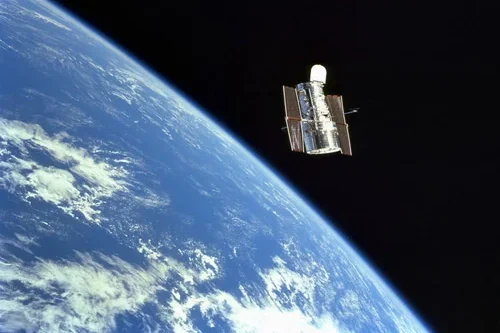
SLS makes successful debut flight, sending Artemis I to the Moon
NASA and the SLS teams have successfully launched the agency’s super heavy lift rocket which will facilitate humanity’s return to the Moon: this time to establish a permanent presence on our closest celestial neighbor. The launch of Artemis I occurred on Wednesday, Nov. 16 at 1:47 AM EST (06:47 UTC). Should teams have required additional…
-
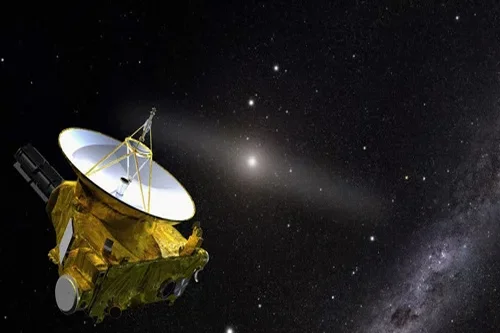
Third time’s the charm: NASA launches SLS mega rocket on Artemis 1 moon trip
NASA’s Space Launch System rises from its Kennedy Space Center launch pad. (NASA Photo / Joel Kowsky) NASA succeeded spectacularly in the third attempt to launch its Space Launch System rocket on an uncrewed round-the-moon mission that’s meant to blaze a trail for future Artemis lunar landings. Artemis 1’s liftoff from Launch Complex 39B at…
-
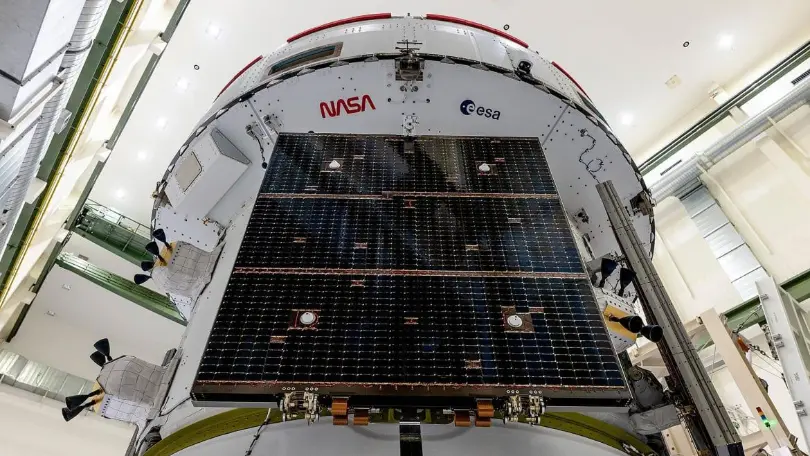
Airbus talks ESM delivery process for upcoming Artemis flights
The European Space Agency (ESA) is providing the European Service Module (ESM), the provider of propulsion and life support for the Orion crew capsule. The ESM sits on top of the Interim Cryogenic Propulsion Stage (ICPS) on the Space Launch System (SLS), which is being prepared for its third launch attempt on the Artemis I…
-
NASA scrubs second try to launch moon rocket due to persistent hydrogen leak
An overhead view shows the Orion spacecraft atop the Space Launch System rocket. (NASA via YouTube) NASA called off today’s attempt to launch its Space Launch System rocket due to a hydrogen leak encountered during the process of fueling up the core stage. Mission managers said they’d have to pass up the current opportunity for…
-
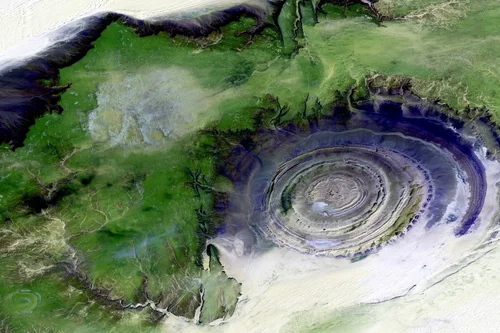
SLS teams scrub second launch attempt for Artemis I as hydrogen leaks persist
NASA has scrubbed the second launch attempt of the Artemis I mission from the Kennedy Space Center in Florida after a liquid hydrogen (LH2) leak was detected at the vehicle-to-ground interface on the LH2 Tail Service Mast Umbilical (TSMU). This was the fourth time teams loaded liquid hydrogen on the vehicle, and the fourth time…
-
Airbus discusses technical aspects of the European Service Module
The European Service Module (ESM) is part of the necessary hardware to bring people back to the moon. It will not only be used to power Orion on the Artemis I mission, but on the missions to come as well. In the first interview, NASASpaceflight had the opportunity to talk with Kai Bergemann, Deputy Programme…
-
NASA reschedules moon rocket’s launch for Saturday as it checks data from first try
A launch-pad screenshot shows the bottom of NASA’s Space Launch System rocket, including the four RS-25 main engines on its core stage. (NASA via YouTube) One day after the first launch of NASA’s heavy-lift Space Launch System rocket had to be scrubbed due to an engine cool-down issue, mission managers announced that they’d try again…
-
Problem with rocket engine forces NASA to reschedule first launch of moon rocket
NASA’s Space Launch System rocket stands on its Florida launch pad. (NASA via YouTube) A plumbing issue on a rocket engine has forced a postponement in the first launch of NASA’s most powerful rocket on a history-making round-the-moon flight. NASA’s Space Launch System rocket went far into the fueling process for today’s start of the…
-
Find out how to watch NASA’s mammoth moon rocket lift off, and why it’s a big deal
NASA’s Space Launch System rocket stands on its Florida launch pad. (Photo via Boeing Space / Twitter) Update: NASA scrubbed the initial launch attempt for Artemis 1 due to a problem with an engine on the Space Launch System rocket. Get the details. Previously: More than 100,000 people are expected to overwhelm Florida’s Space Coast…