
Tag: Satellite Servicing
-
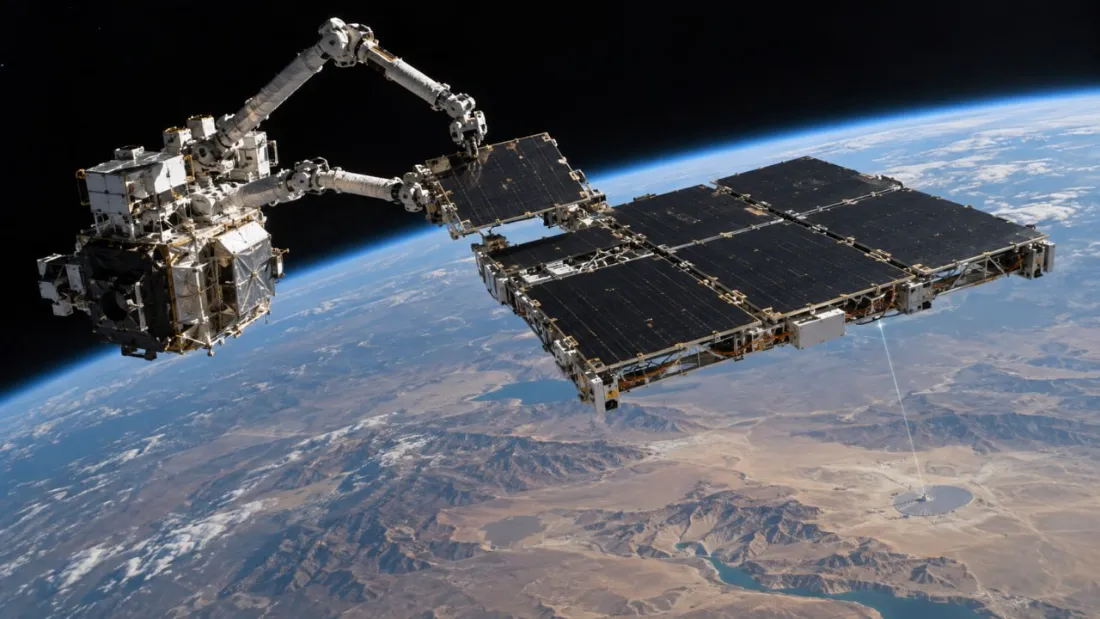
Katalyst Selected to Build and Launch Orbital Power-Beaming Demonstrator for Pentagon
Katalyst Space has been selected by the Pentagon’s Operational Energy Capability Improvement Fund to develop and launch a robotic spacecraft that will assemble a large-format solar power-beaming system in low Earth orbit and transmit energy to Earth. Announced on September 21, the Advanced Scalable Growth Architecture for Robotic Deployment program will pair Katalyst’s NEXUS spacecraft…
-

Impulse Space Miras Approach Within 200 Meters in Orbital Rendezvous Demonstration
Two Impulse Space Mira orbital transfer vehicles approached within approximately 200 meters of each other in low Earth orbit during a July 2026 rendezvous and proximity operations demonstration, the California-based company announced September 8. The maneuver involved spacecraft launched on the LEO Express 2 and LEO Express 3 missions and demonstrated controlled orbit matching, close…
-

LINK Spacecraft Approaches Within 15 Kilometers of Swift but Cannot Complete Orbital Rescue
Katalyst Space’s LINK servicing spacecraft approached within 12 to 15 kilometers of NASA’s Neil Gehrels Swift Observatory after aligning its orbit with the aging telescope, but an attitude-control problem prevented the vehicle from attempting the capture and orbital boost originally planned to extend Swift’s mission. NASA said on September 4 that LINK would make no…
-
When a Satellite Fails, Will Insurers Pay the Claim or Fund a Repair Mission?
In 1984, two communications satellites, Westar 6 and Palapa B2, were placed into incorrect orbits due to an upper-stage malfunction. Their insurers were already facing a massive loss, but instead of simply paying out the claims, they signed an agreement with NASA to have the Space Shuttle retrieve the two satellites from space and return…
-
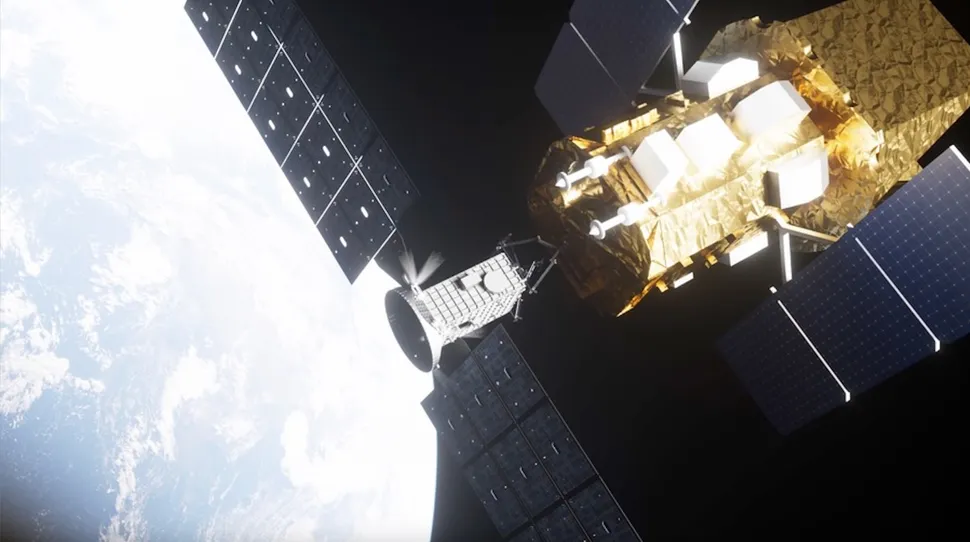
NASA Ends Swift Telescope Rescue After Private Servicer Loses Attitude Control
NASA has called off the effort to save the Neil Gehrels Swift Observatory after the private spacecraft sent to raise the aging telescope’s orbit failed to overcome persistent attitude-control problems. The Swift Boost mission was intended to demonstrate a new model for satellite servicing: instead of replacing an aging spacecraft, a relatively small commercial vehicle…
-
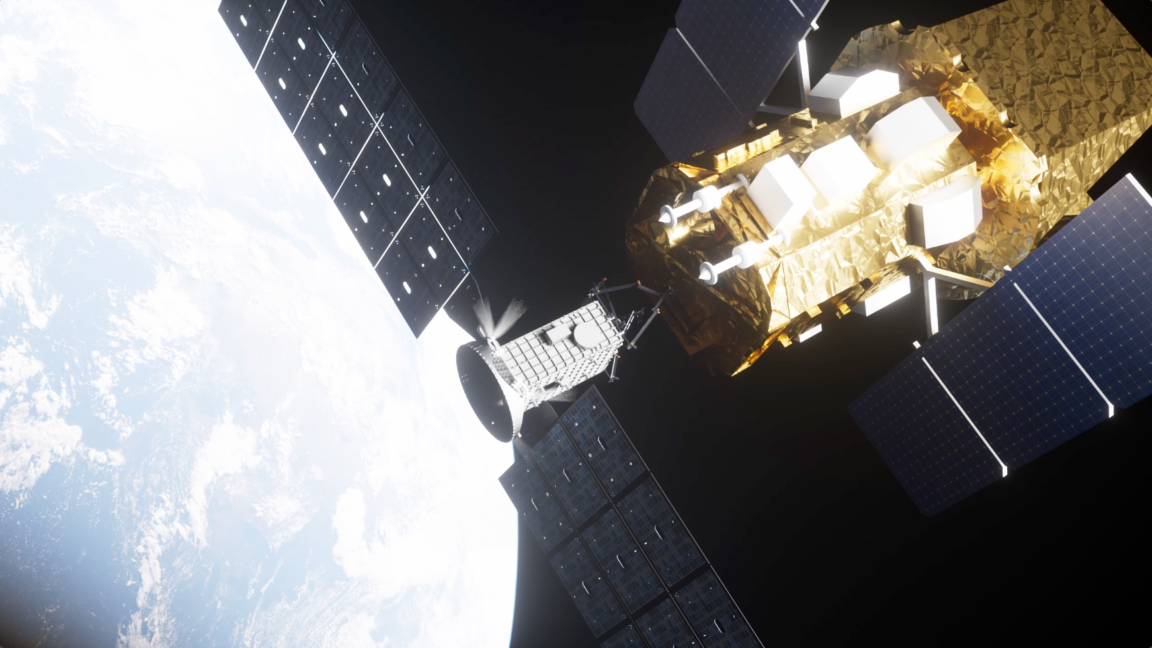
Here’s how engineers plan to save the satellite sent to save NASA’s Swift mission
One week ago, more than 200 miles above the Earth, a refrigerator-size satellite making its way toward an attempted rescue of NASA’s $500 million Swift gamma-ray observatory suddenly spun out of control. It didn’t look good. The spacecraft, named Link, was rotating on multiple axes, rendering it unable to maintain a reliable communications link with…
-
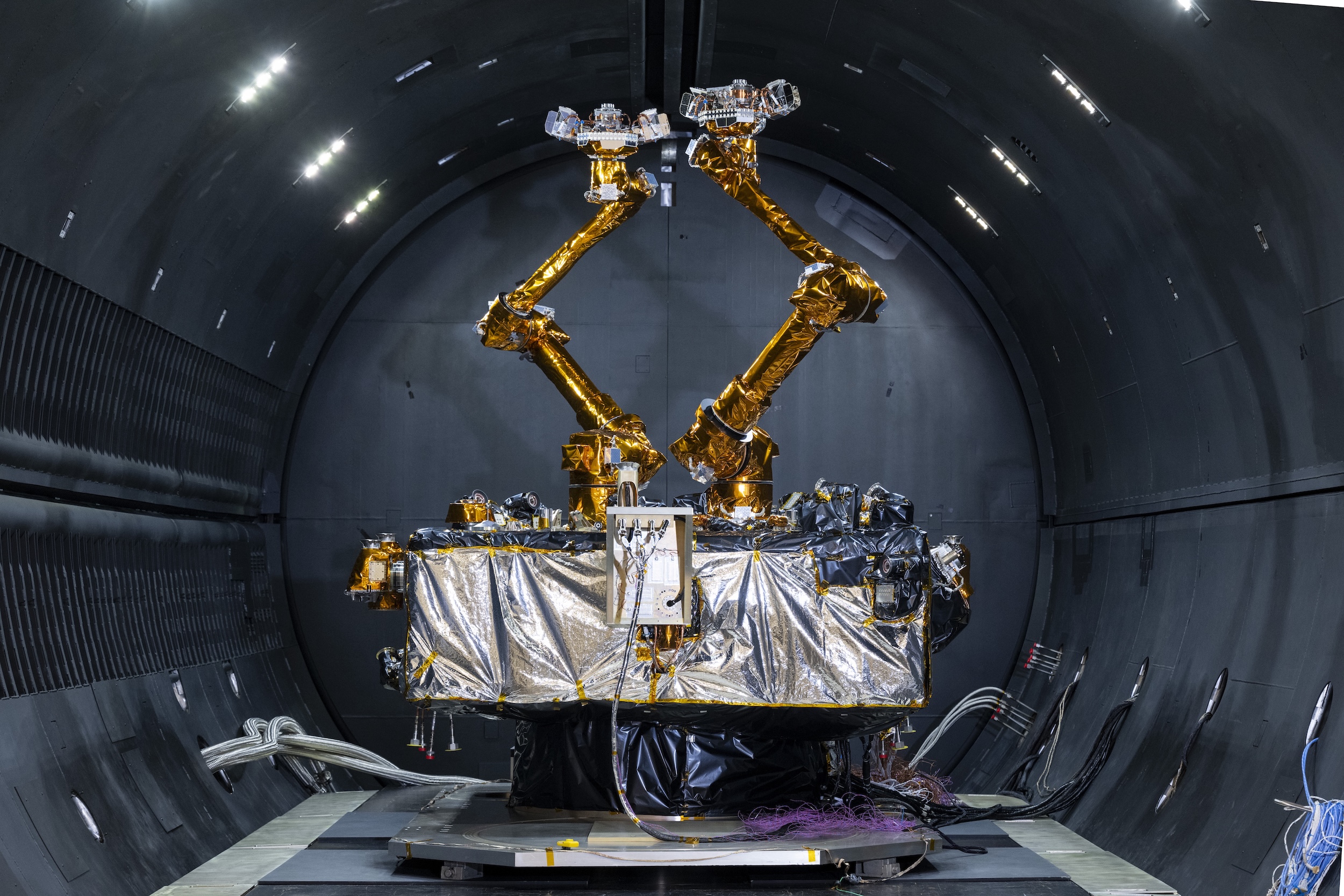
This is the world’s most advanced robotic servicing satellite—that we know about
A spacecraft fitted with two flexible robotic arms is on the way to geosynchronous orbit after launching earlier this week on a SpaceX Falcon 9 rocket, kicking off a planned decade-long mission to open new frontiers in satellite servicing. The Mission Robotic Vehicle, owned and built by Northrop Grumman, rocketed into orbit from Cape Canaveral…
-

UK Space Agency Delays £75.6 Million Active Debris Removal Contract Award
The UK Space Agency (UKSA) has delayed awarding a contract for the next phase of the United Kingdom’s first active orbital debris removal mission, missing its original deadline for the £75.6 million program. Astronomy The contract for Phase 3 of the Active Debris Removal (ADR) mission was initially scheduled to be awarded by March 30,…
-
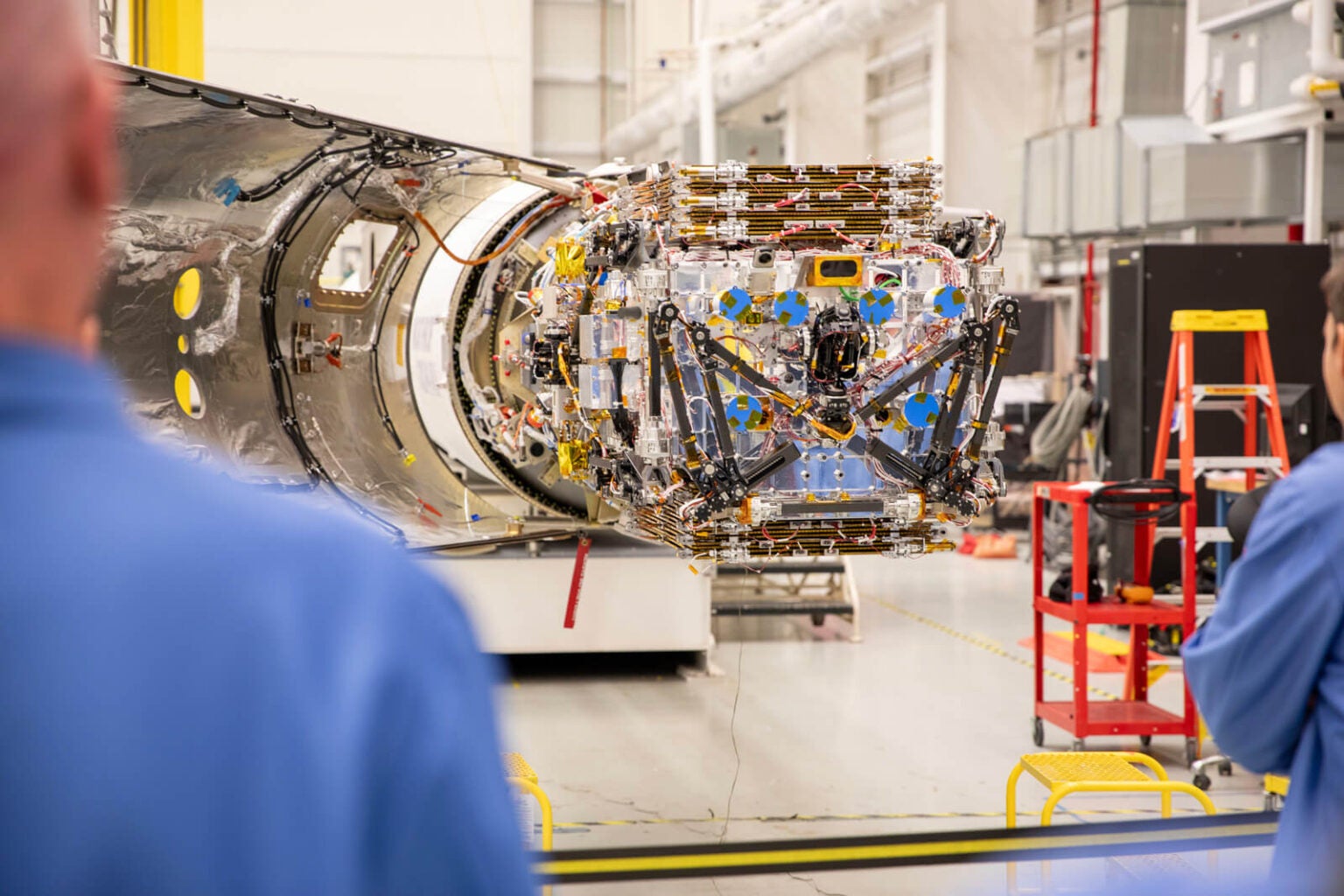
Pegasus Rocket to Launch Mission to Extend NASA Swift Observatory’s Orbit
A Northrop Grumman Pegasus XL rocket is scheduled to launch a robotic servicing spacecraft this weekend on a mission to extend the operational life of NASA’s Neil Gehrels Swift Observatory by boosting it into a higher orbit. The mission will carry Katalyst Space’s LINK servicing spacecraft, which is designed to rendezvous with the Swift Observatory…
-
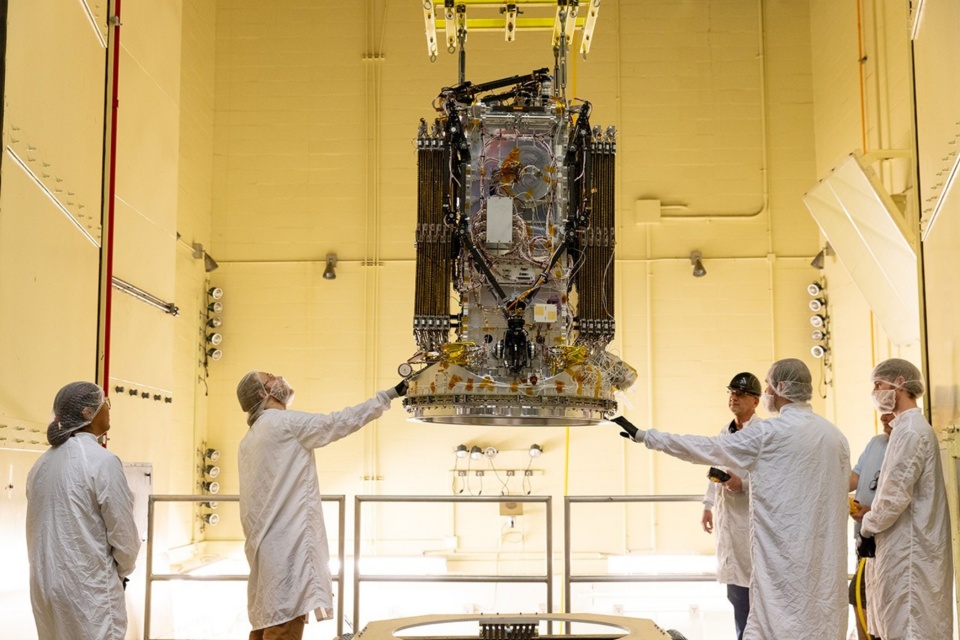
Katalyst Space Raises $12 Million to Advance GEO Satellite Servicing Vehicle
Katalyst Space has secured $12 million in new funding to support the development of its first geostationary orbit (GEO)-capable robotic servicing spacecraft, NEXUS, which is scheduled to launch aboard an Arianespace Ariane 6 rocket in 2027. The funding round was led by Geodesic Capital, with participation from Fortitude Ventures and several undisclosed investors. The capital…