
Tag: SLS
-
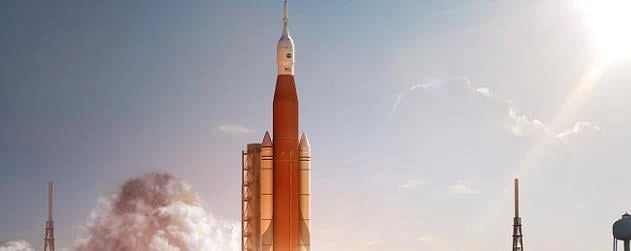
NASA makes great strides as SLS milestones converge for debut flight
NASA’s Space Launch System (SLS) rocket is progressing through several critical construction milestones in the final part of 2015. As various aspects of the SLS Program converge, the massive Heavily Lift Rocket is making impressive strides toward a debut flight in November 2018. Status of SLS build operations: Around the country, numerous elements of the SLS Program…
-
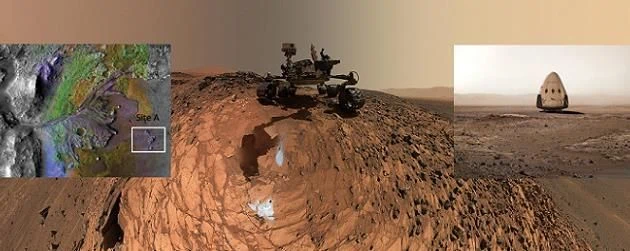
Robotic missions aid in-situ resource identification for human Mars missions
The draw of mounting a human mission to Mars has held the public’s attention since telescopic observations of the red planet began centuries ago. With the recent discovery of current-day saltwater flows on Mars, the notion of usable, in-situ resources for Martian human missions now places greater emphasis on robotic precursor missions in the next decade.…
-
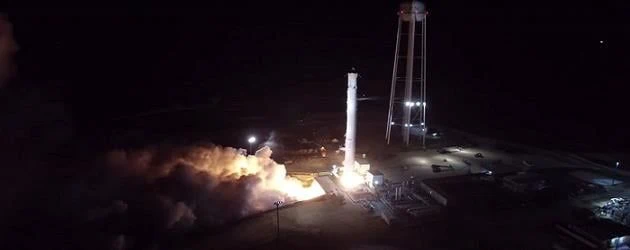
Orbital ATK prepares for QM-2 test of SLS Solid Rocket Booster in spring 2016
As work progresses around the country toward the debut of NASA’s SLS rocket in 2018, Orbital ATK is preparing for the final qualification test of the five segment Solid Rocket Booster motor that will power the SLS through first stage flight. That second qualification test, known as QM-2, is targeted for late spring 2016 at the…
-

Canaveral and KSC pads: New designs for space access
For the past several years, the historic launch pads at the Kennedy Space Center, Florida, have undergone sweeping changes as the conclusion of the Space Shuttle program brought a new vision to the spaceport. Those changes have now spread across the lagoon to the Cape Canaveral Air Force Station, where pad modifications are underway for…
-
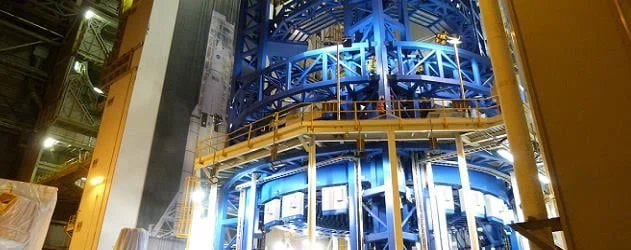
EM-1: MAF gearing up for SLS Core Stage production
NASA and Boeing are ramping up their preparations to begin full-scale production of the first Space Launch System (SLS) Core Stage assembly. The schedule calls for the completion of the Exploration Mission -1 (EM-1) Core Stage in time to be shipped to the Stennis Space Center for a full stage test firing in 2017. SLS…
-

NASA considers SLS launch sequence for human Mars missions in the 2030s
As NASA continues to develop their plans for delivering humans to the Martian system in the 2030s, a Technical Interchange Meeting has outlined two potential hardware launch sequence options for NASA’s upcoming heavy lift rocket, SLS, that would enable the space agency to utilize SLS’s capabilities while realizing human exploration of Mars. Evaluating hardware launch options: *Click…
-

SLS manifest options aim for Phobos prior to 2039 Mars landing
As NASA continues to mature a mission and support architecture path toward its much heralded endeavor of landing humans on Mars, the agency’s under-development heavy lift SLS rocket now stands to take on a primary space transportation role via a rapidly increasing flight rate designed to support human missions to Phobos by 2033 and to the surface of Mars by 2039. Evolving…
-
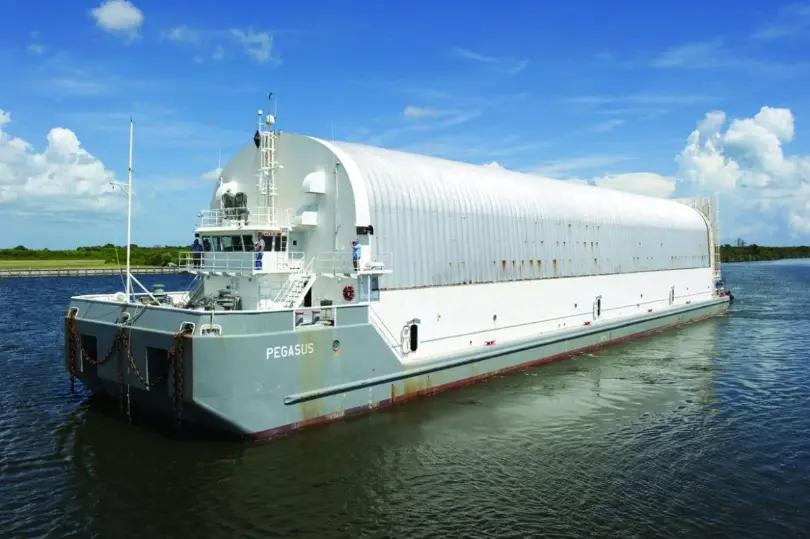
Pegasus barge completes refits for SLS transportation role
NASA’s veteran Pegasus barge – used to transport Space Shuttle External Tanks from Louisiana to Florida – has completed refit operations in Louisiana for its critical role in transporting the massive core stage of the new SLS rocket from its production facility in Louisiana to various NASA locations throughout the southern United States. Shuttle operations:…
-
ASAP evaluates status on SLS and Orion red risks
NASA’s Space Launch System (SLS) is continuing to make relatively good progress during its development path, according to the Agency’s key Aerospace Safety Advisory Panel (ASAP). The latest status update on the top issues – ranging from crew safety items of interest to overall schedule – overviewed the main challenges known as “Red Risks”. The ASAP…
-

Shuttle-era rocket engine primed for test firing
NASA plans to fire up a space shuttle-era rocket engine in Mississippi on Thursday for nearly nine minutes to validate upgrades to the powerplant for the Space Launch System, a new mega-rocket under development to boost astronauts on missions to deep space. The test set to begin at 5 p.m. EDT (2100 GMT) will last…