
Tag: Solar System
-

Aalyria Secures ESA Contract for Deep Space Networking Infrastructure Software
Aalyria, an advanced aerospace communications company whose products are critical to the next generation of space-based communications systems, has been awarded a contract by the European Space Agency to develop and deliver a new Delay/Disruption-Tolerant Networking (DTN) Network Operations Centre, offering standards-based DTN transit and management services to ground station operators so they can provide…
-
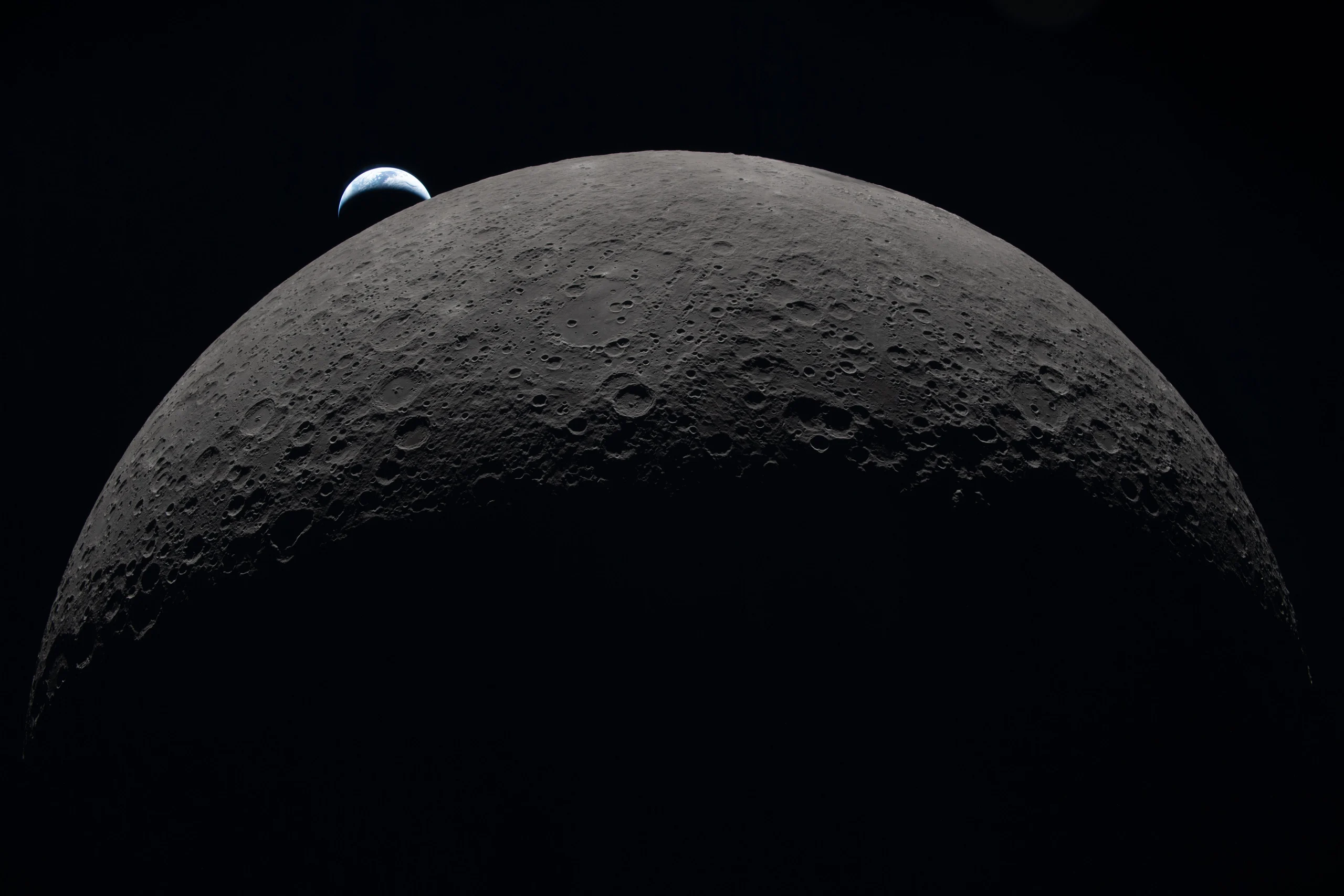
The Moon is already on Google Maps—did Artemis II really tell us anything new?
The data pipeline from NASA’s Artemis II mission opened to full blast a few hours after looping behind the far side of the Moon on Monday night, when the Orion spacecraft established a laser communications link with a receiving station back on Earth. A cache of high-resolution images began streaming down through this connection. NASA…
-
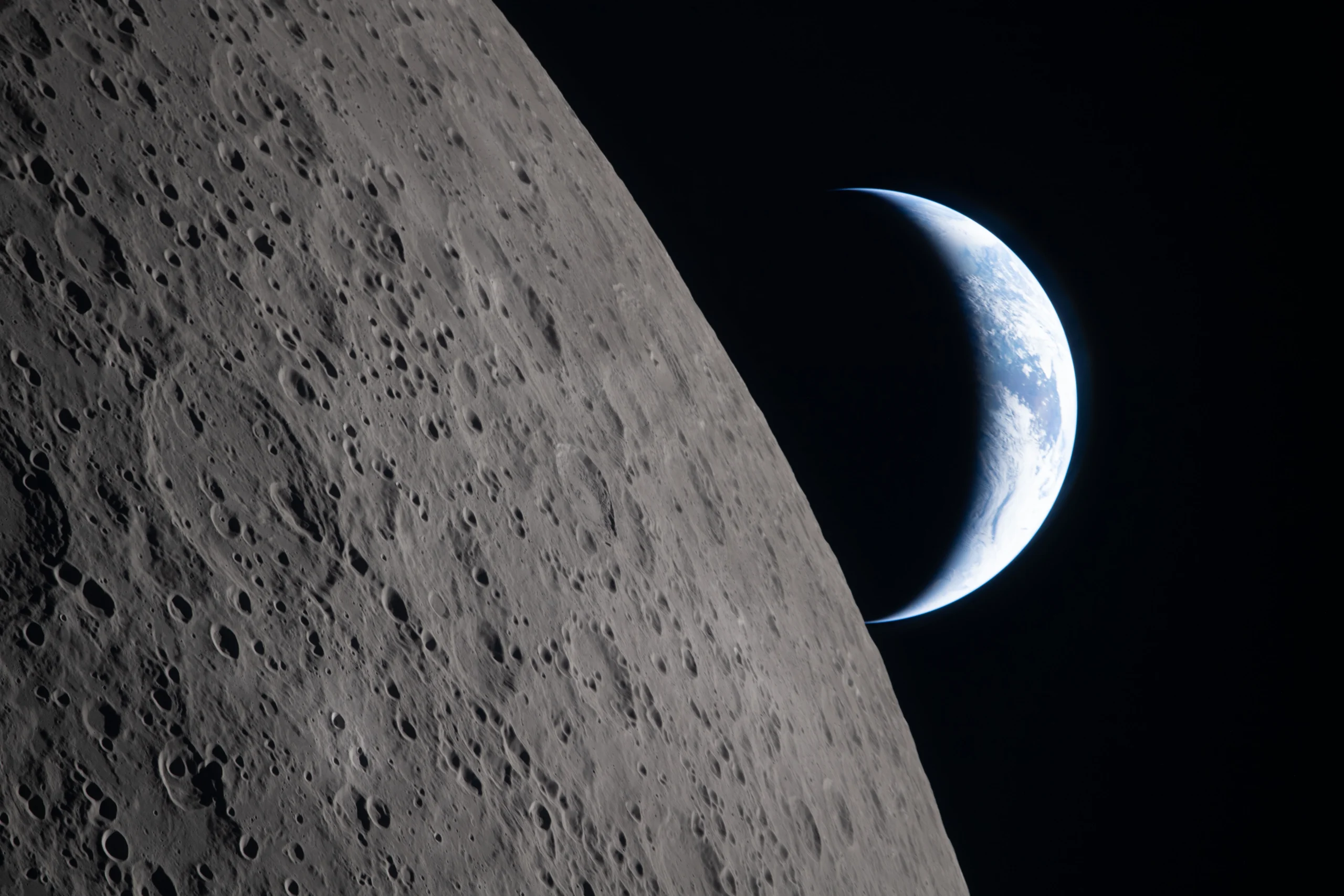
Astronauts set distance record, revealing the Moon as a place to be explored
After staring at the Moon for almost eight hours Monday, the commander of NASA’s Artemis II mission finally ran out of ways to describe what he was seeing. “No matter how long we look at this, our brains are not processing this image in front of us. It is absolutely spectacular, surreal,” said Reid Wiseman,…
-
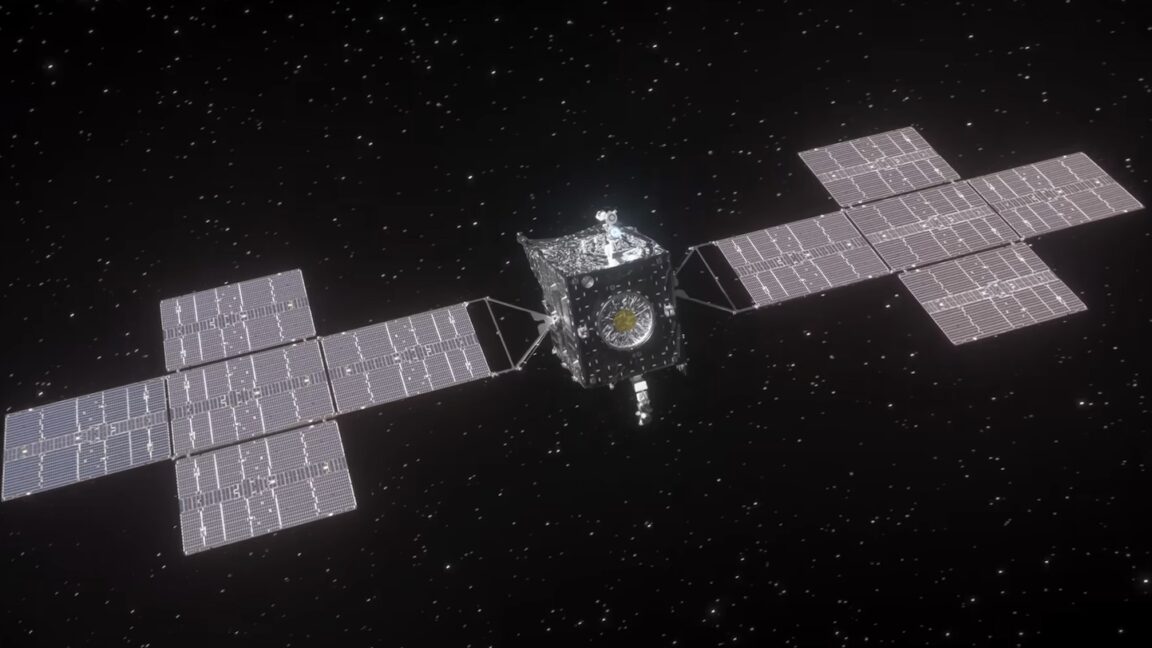
Psyche keeps its date with an asteroid, but now it’s running in backup mode
A NASA spacecraft bound for an unexplored metal-rich asteroid has reignited its plasma thrusters, continuing its cruise deeper into the Solar System after switching to a backup fuel line. The $1.4 billion Psyche mission, built to explore an asteroid with the same name, has four electric thrusters fueled by xenon gas. Psyche’s solar-electric propulsion system…
-

5 things in Trump’s budget that won’t make NASA great again
If signed into law as written, the White House’s proposal to slash nearly 25 percent from NASA’s budget would have some dire consequences. It would cut the agency’s budget from $24.8 billion to $18.8 billion. Adjusted for inflation, this would be the smallest NASA budget since 1961, when the first American launched into space. The proposed funding plan…
-
Software suggests Rubin Observatory will discover millions of solar system objects
A new type of computer simulation predicts that the Vera C. Rubin Observatory in Chile will discover millions of previously undetected objects in the solar system over the course of the coming decade. The discovery campaign, which is due to begin in earnest later this year, should expand the known small-body populations in the solar…
-
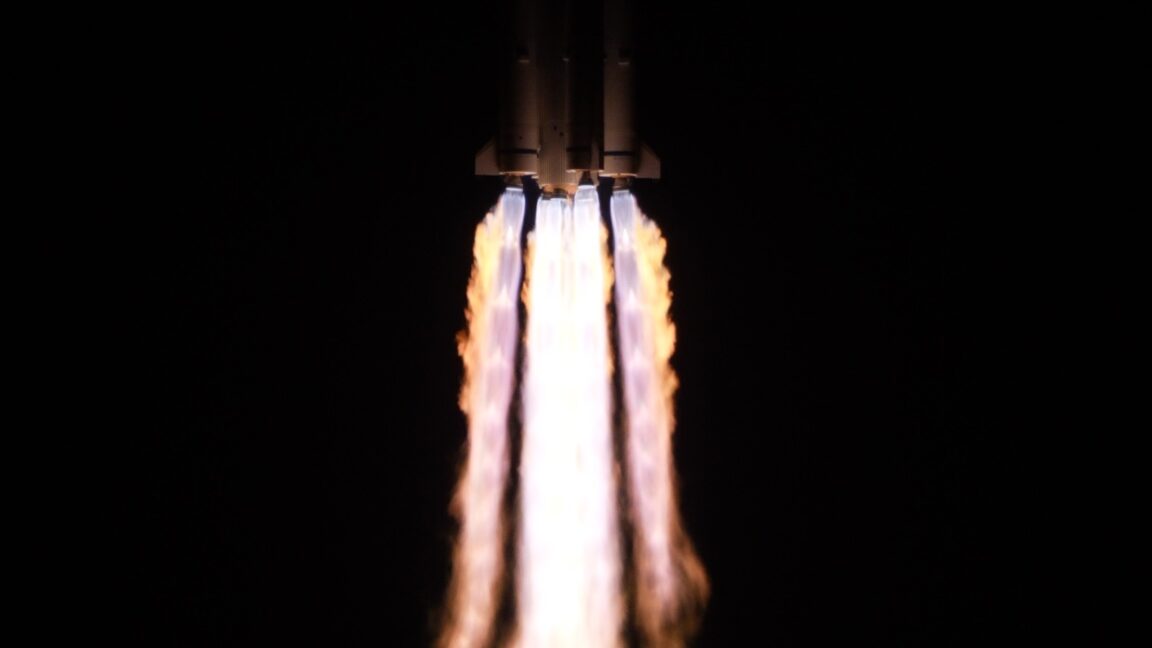
China extends its reach into the Solar System with launch of asteroid mission
A Chinese spacecraft built to collect specimens from an unexplored asteroid and return them to Earth successfully launched Wednesday from a military-run spaceport in the country’s mountainous interior. Liftoff aboard a Long March 3B rocket at 1:31 pm EDT (17:31 UTC) from the Xichang launch base kicked off the second mission in a series of…
-
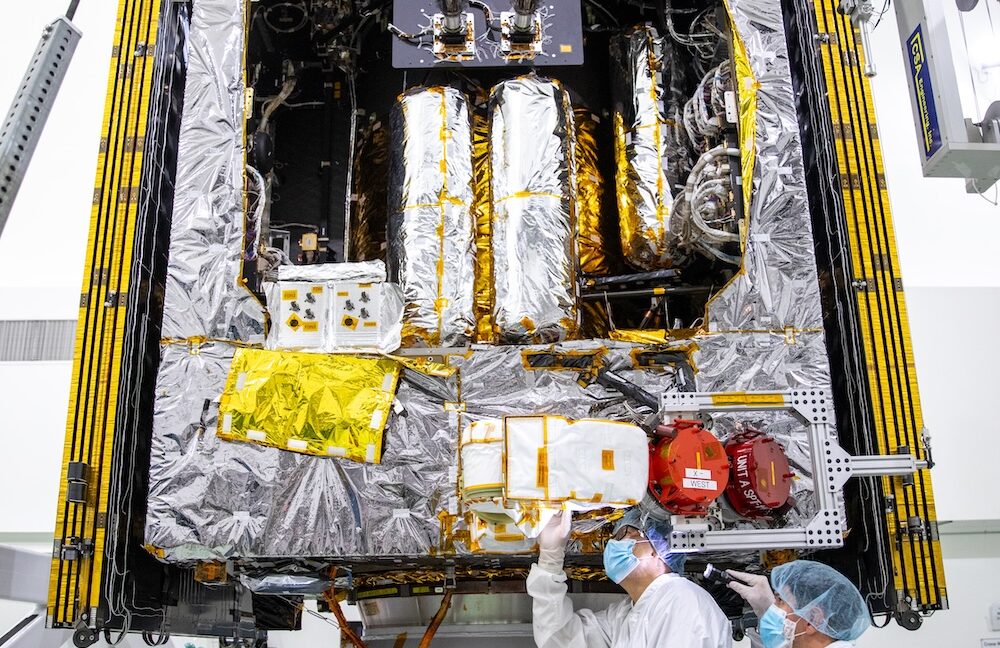
NASA’s Psyche spacecraft hits a speed bump on the way to a metal asteroid
NASA’s Psyche spacecraft, located nearly 150 million miles from Earth on the way to an unexplored metal asteroid, has stopped firing its engines after detecting a problem in its propulsion system. NASA published an update Tuesday revealing that the robotic spacecraft shut off its plasma thrusters earlier this month. The news wasn’t widely shared until…
-

Juno reveals Io’s inner structure and volcanic activity; investigates north pole cyclones
New data from NASA’s Juno mission, which has been orbiting Jupiter since 2016, has provided scientists with insight into the extreme winds and cyclones present within the gas giant’s atmosphere. The data allowed scientists to develop a model that better represents the fast jet stream circling Jupiter’s north pole, which is cluttered with many cyclones.…
-
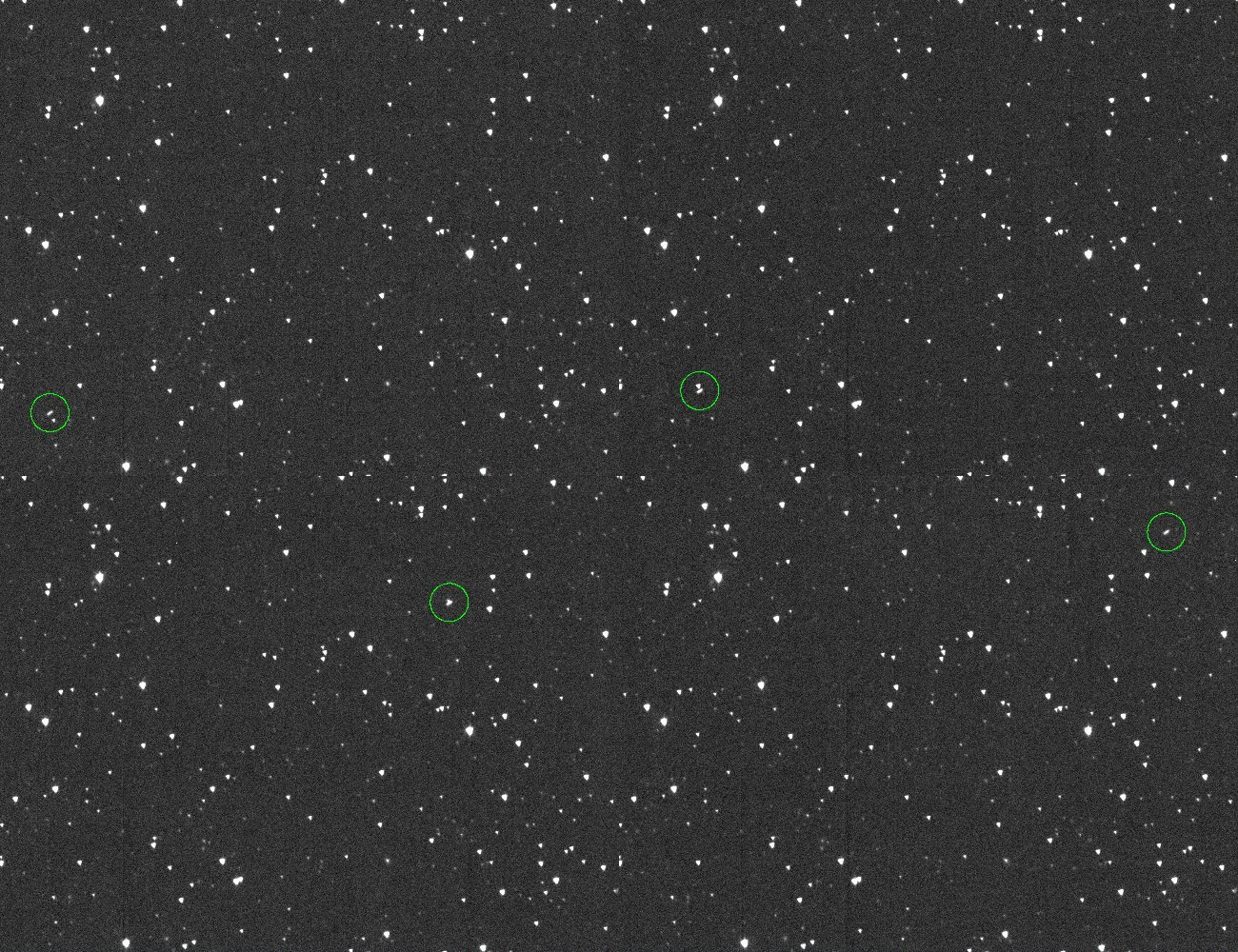
Don’t panic, but an asteroid has a 1.9% chance of hitting Earth in 2032
Something in the sky captured the attention of astronomers in the final days of 2024. A telescope in Chile scanning the night sky detected a faint point of light, and it didn’t correspond to any of the thousands of known stars, comets, and asteroids in astronomers’ all-sky catalog. The detection on December 27 came from…