
Tag: Space Technology
-
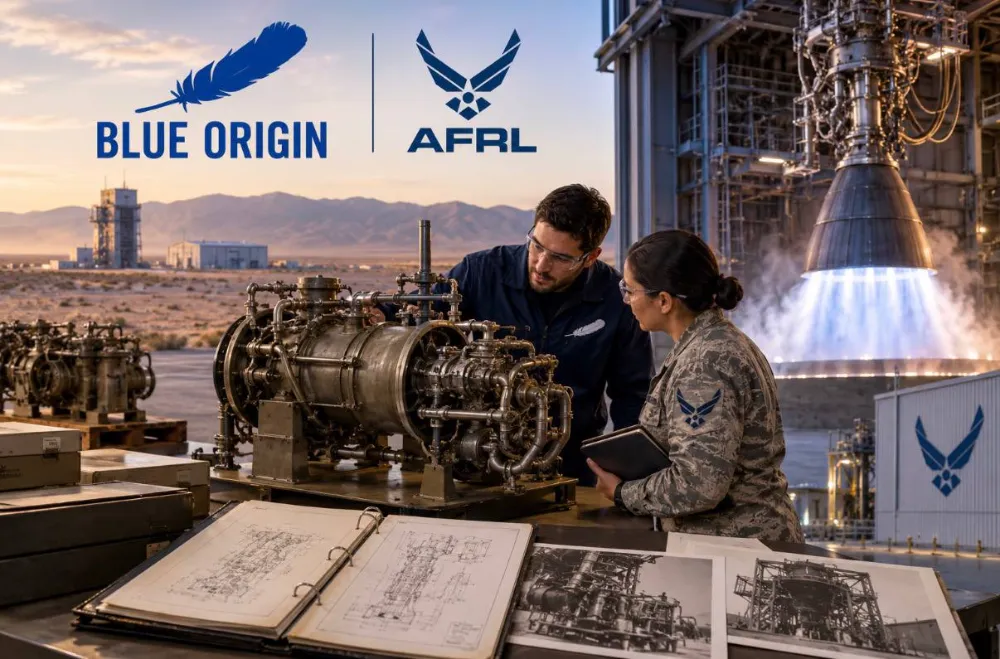
Blue Origin to Study Historic AFRL Rocket Engine Hardware Under Expanded CRADA
Blue Origin and the Air Force Research Laboratory’s Rocket and Space Propulsion Division have signed a Cooperative Research and Development Agreement giving the company access to advanced propulsion hardware, engineering data and technical artifacts developed under two historic U.S. Air Force rocket engine programs. The material from the Hydrocarbon Boost and Integrated Powerhead Demonstrator programs…
-
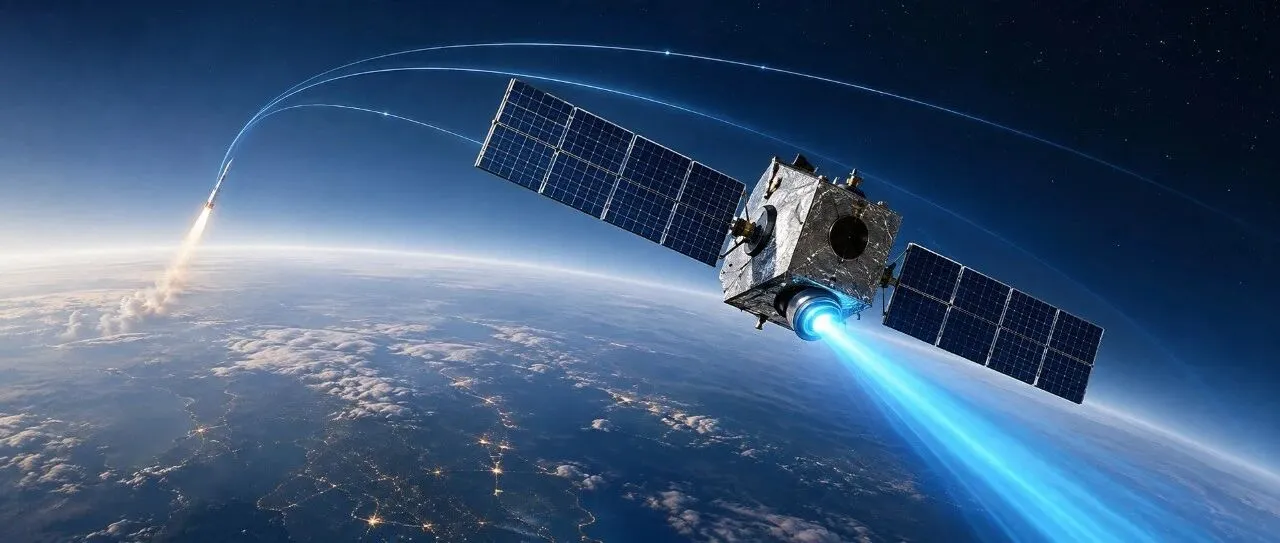
After the Rocket: How Electric Propulsion Moves Satellites
A successful rocket launch is followed by satellite separation. At this point, many people assume the mission is essentially complete: the rocket has delivered the satellite into space, and the satellite only needs to power on and begin operations. However, for many low Earth orbit (LEO) constellation missions, the orbit delivered by the rocket is…
-

From Blueprint to Delivery: The Work Behind a Satellite That Never Appears in Product Photos
On the day of delivery, the people most likely to appear in photos are usually the product, the customer, and the technical leaders. Once testing is completed, the shipping container is sealed, and the handover documents are signed, a product finally moves from the development site to the customer. But outside the camera frame, many…
-
How Low Can Satellites Fly? New Opportunities in VLEO and the Companies Already Moving In
Very low Earth orbit, or VLEO, is not a new type of orbital geometry. It is simply the lower portion of low Earth orbit, where satellites fly closer to Earth and encounter a comparatively denser residual atmosphere. Commercial space companies are paying renewed attention to this regime for a straightforward reason: Earth observation satellites can…
-
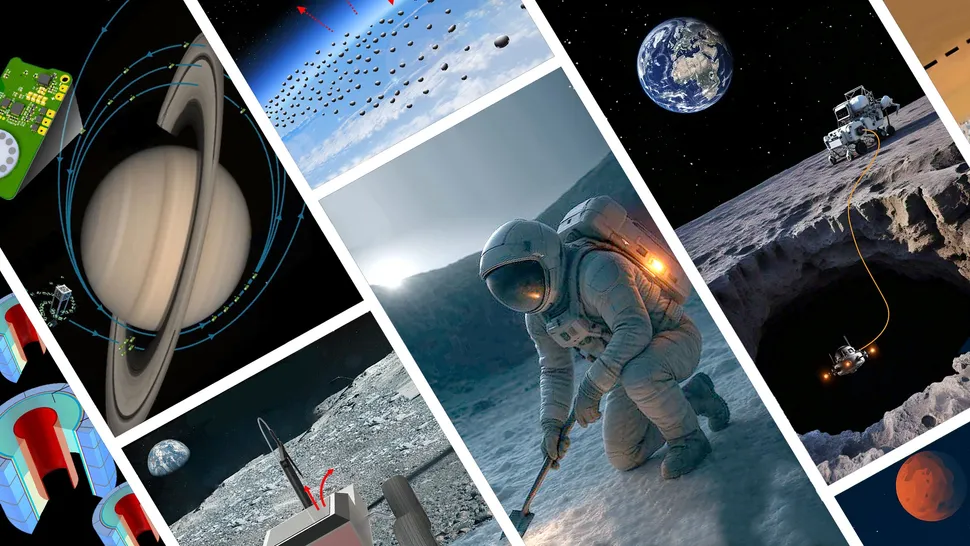
NASA Backs 18 Visionary Space Concepts, Including a Swarm of 10,000 Femtosatellites for Saturn Exploration
NASA has selected 18 early-stage technology concepts for funding under its 2026 NASA Innovative Advanced Concepts (NIAC) program, supporting a diverse portfolio of futuristic ideas ranging from lunar cave exploration and Venus-hardened spacecraft to a proposed fleet of 10,000 miniature satellites designed to probe Saturn’s rings. The agency announced on July 29 that the 18…
-
SpaceWERX Backs 11 Space Startups in $562.5 Million Push Toward Operational Fielding
SpaceWERX, the innovation arm of the U.S. Space Force, has selected 11 companies for a new round of Strategic Funding Increase, or STRATFI, agreements intended to move space technologies beyond prototype development and toward operational military use. The agreements are expected to mobilize a combined $562.5 million from government organizations, private investors and other matching…
-

White House Strategy Elevates Space to Top Tier of U.S. Military Technology Priorities
The White House has elevated space, alongside undersea warfare and artificial intelligence, to the highest tier of U.S. military science and technology priorities, signaling a sharper focus on maintaining technological superiority in orbit and extending that advantage from very low Earth orbit to the cislunar environment. Released this week, the 24-page National Security Science and…
-
Muon Space Raises $250 Million to Scale Satellite Constellation Production
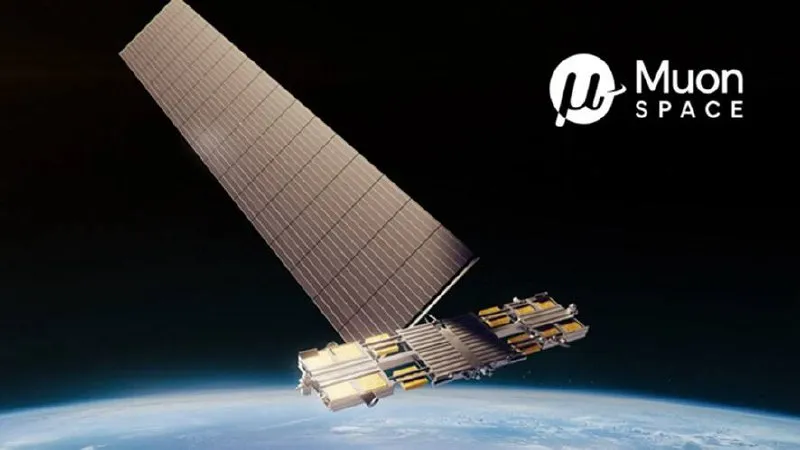
Muon Space has raised $250 million in a Series C financing round as the California satellite developer moves to expand spacecraft production, broaden its dual-use satellite platforms and support a growing pipeline of commercial, government and international sovereign customers. The oversubscribed financing, announced Aug. 20, brings Muon Space’s total equity funding to more than $386…
-

Why Inter-Satellite Laser Communications Have Become a Strategic Battleground for Satellite Internet
In the traditional satellite-to-Earth transmission model, satellites serve only as relay nodes: they forward information but do not process it directly, while ground gateways and terrestrial networks perform the core functions. With inter-satellite links, by contrast, satellites can transmit and exchange information directly without routing every connection through a ground station. Each spacecraft acts as…
-

Network Rail Tests Satellite Analytics To Predict Flooding And Vegetation Risks
Network Rail, the owner and operator of Britain’s railway infrastructure, has partnered with Earth observation analytics company CATALYST, part of PCI Geomatics, on a 12-week pilot exploring how satellite data could help identify weather-related risks to railway infrastructure across the Wessex Route before disruption occurs. The pilot brought together Network Rail’s Wessex Route Operations and…