
Tag: Space
-
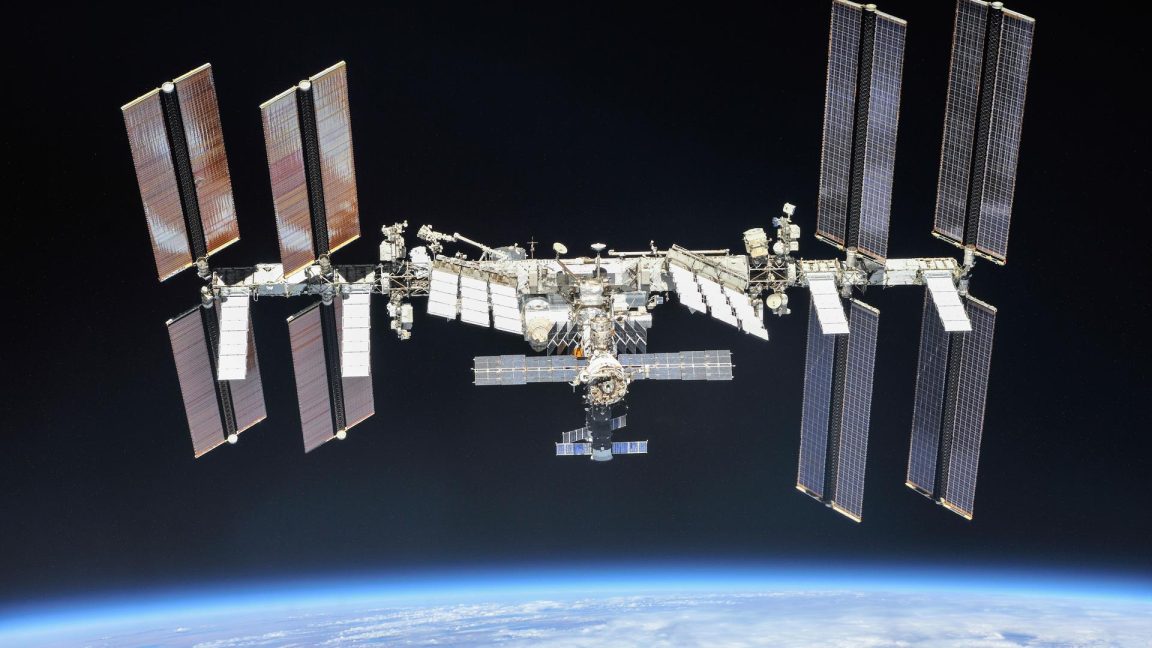
Elon Musk recommends that the International Space Station be deorbited ASAP
In a remarkable statement Thursday, SpaceX founder Elon Musk said the International Space Station should be deorbited “as soon as possible.” This comment from Musk will surely set off a landmine in the global space community, with broad implications. And it appears to be no idle comment from Musk who, at times, indulges in deliberately…
-
Kuiper Belt Exploration
The Kuiper Belt is a vast, disc-shaped region that lies beyond the orbit of Neptune, spanning distances from approximately 30 to 55 astronomical units (AU) from the Sun. This region serves as a repository of ancient materials, holding countless small icy objects, comets, and dwarf planets such as Pluto, Haumea, and Makemake. This remote and…
-
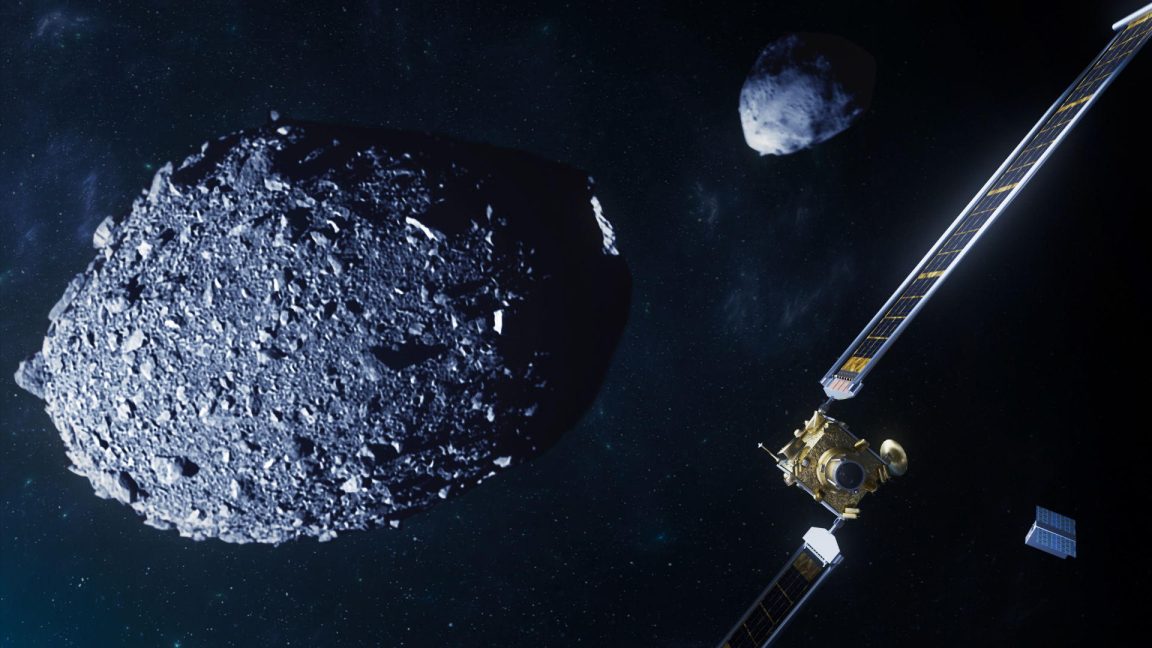
The odds of a city-killer asteroid impact in 2032 keep rising. Should we be worried?
An asteroid discovered late last year is continuing to stir public interest as its odds of striking planet Earth less than eight years from now continue to increase. Two weeks ago, when Ars first wrote about the asteroid, designated 2024 YR4, NASA’s Center for Near Earth Object Studies estimated a 1.9 percent chance of an…
-
In a last-minute decision, White House decides not to terminate NASA employees
Unlike workers at many other federal agencies this week, probationary employees at NASA were not terminated on Tuesday. For much of the day employees at the space agency anticipated a directive from the White House Office of Personnel Management to fire these employees, but it never came. “We were on pins and needles throughout the…
-
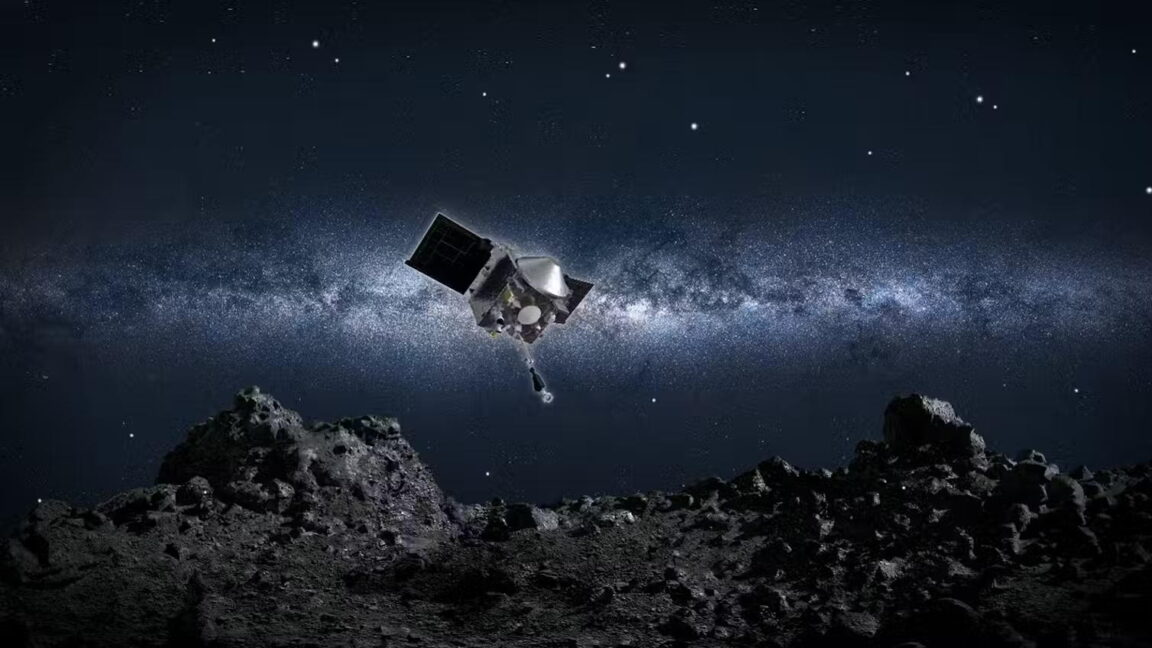
By the end of today, NASA’s workforce will be about 10 percent smaller
Spread across NASA’s headquarters and 10 field centers, which dot the United States from sea to sea, the space agency has had a workforce of nearly 18,000 civil servants. However, by the end of today, that number will have shrunk by about 10 percent since the beginning of the second Trump administration four weeks ago.…
-
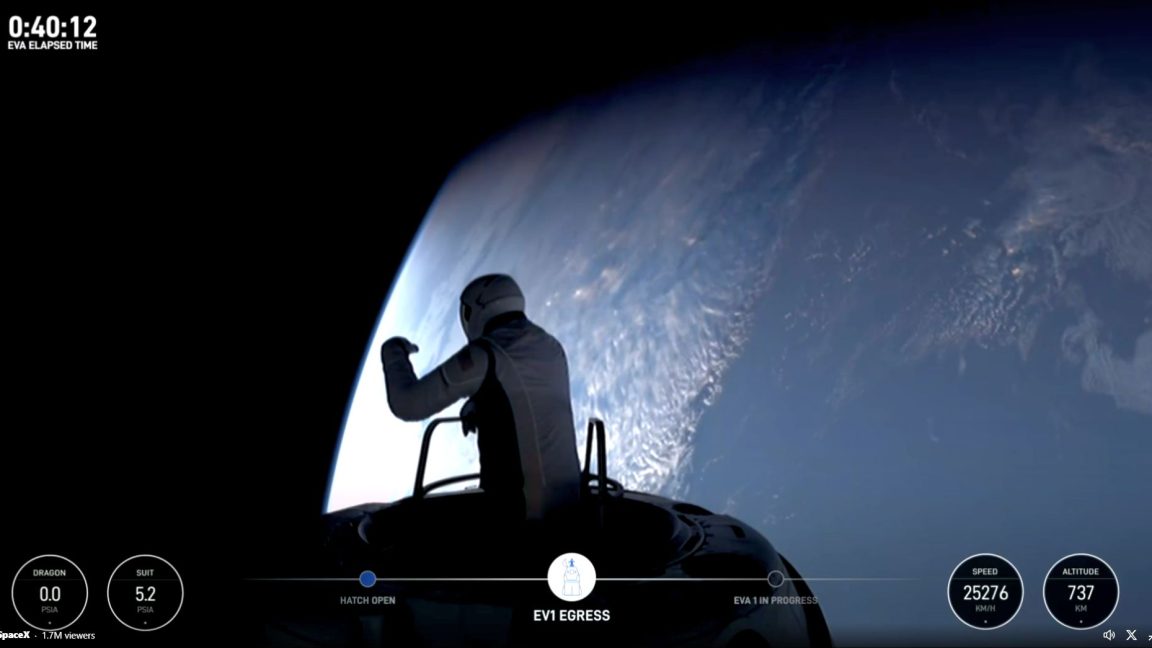
NASA nominee previews his vision for the agency: Mars, hard work, inspiration
The likely next leader of NASA, private astronaut and pilot Jared Isaacman, has kept a low profile since the announcement last year that he was President Donald Trump’s choice to lead the space agency. This is understandable, as Isaacman must still be confirmed by the US Senate. No date has yet been put forward for…
-
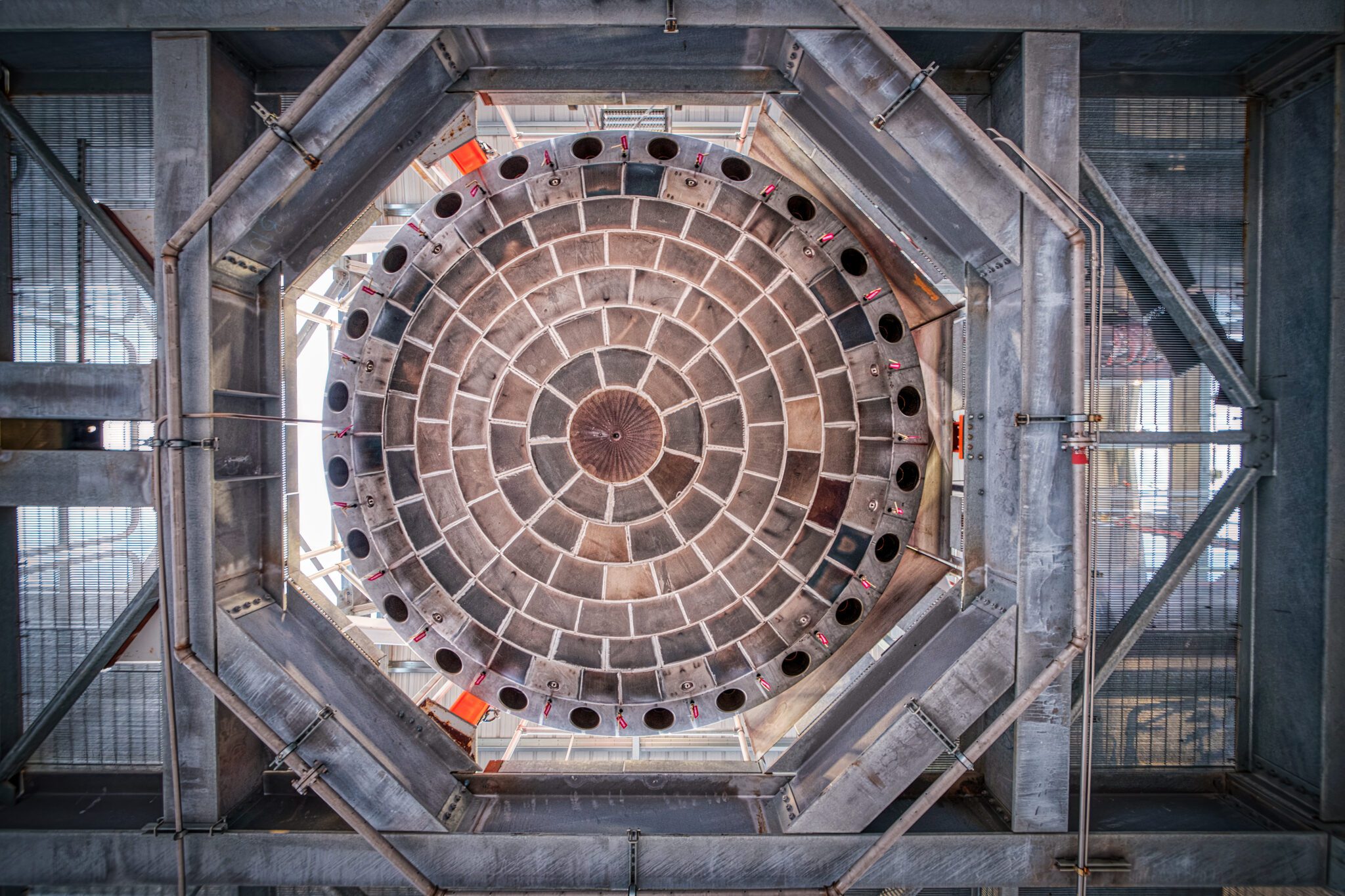
Rocket Report: A blue mood at Blue; Stoke Space fires a shot over the bow
Welcome to Edition 7.31 of the Rocket Report! The unfortunate news this week concerns layoffs. Blue Origin announced a 10 percent cut in its workforce as the company aims to get closer to breaking even. More broadly in the space industry, there is unease about what the Trump administration’s cuts to NASA and other federal…
-
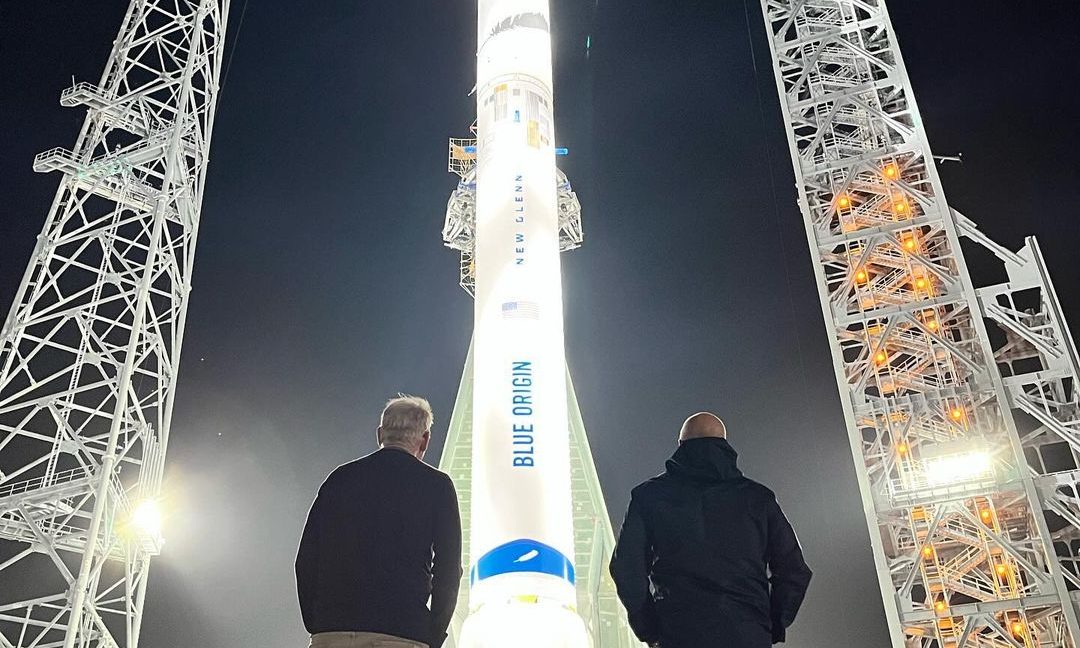
Citing too much “bureaucracy,” Blue Origin to cut 10 percent of its workforce
A little less than a month after the successful debut of its New Glenn rocket, Blue Origin’s workforce will be trimmed by 10 percent. The cuts were announced during an all-hands meeting on Thursday morning led by the rocket company’s chief executive, Dave Limp. During the gathering, Limp cited “business strategy” as the rationale for…
-

What is International Space Station (ISS)?
The International Space Station (ISS) is a space station that was assembled in low earth orbit (LEO) by the United States and Russia, with assistance and components from a multinational consortium. It is a collaborative effort between multiple space agencies, including Canadian Space Agency (CSA), Federal Space Agency of Russia (Roscosmos), Japan Aerospace Exploration Agency…
-

What is NASA-STD-5001 Standard?
NASA-STD-5001 Standard was developed by NASA to establish a set of requirements for Structural Design and Test Factors of Safety for Spaceflight Hardware. Key Components of NASA-STD-5001 Standard Factors of Safety (FOS): Factors of Safety (FOS) are critical in aerospace engineering to ensure that structures can withstand the loads and conditions they will encounter during their…