
Tag: Thermal Control
-
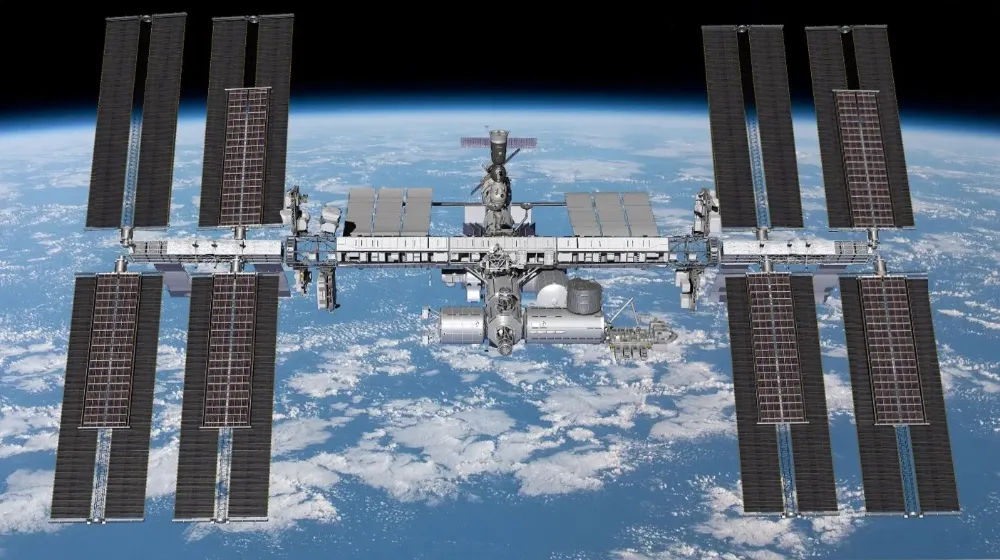
Powering Orbital Computing: From Watts to Megawatts
If chips are the bricks and data centers are the buildings, power is one of the essential utilities that makes them work. Computing ultimately comes down to watts: keeping a 700-watt GPU running in orbit requires an entire engineering system, from solar-array orientation and battery chemistry to bus voltage. Moving from watts to megawatts means…
-
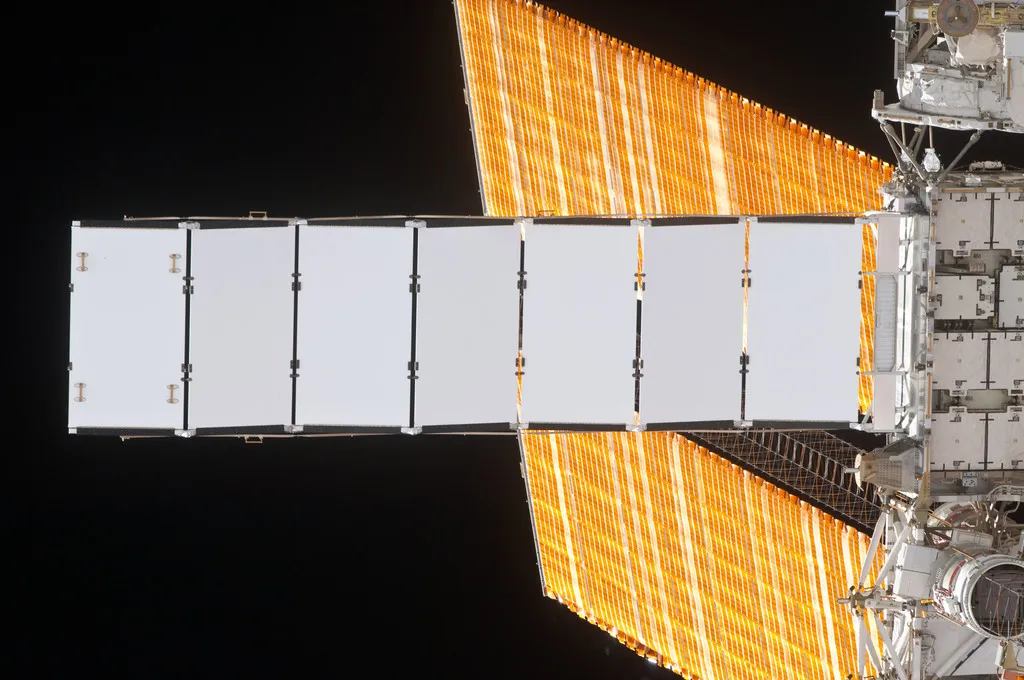
New Computing Satellites Reach Orbit. Is Thermal Control the Next Major Opportunity—and Challenge?
From chip hotspots to continuous heat rejection, how computing workloads are changing satellite thermal requirements. On October 14, 2026, a Zhuque-2E Y4 launch vehicle placed 10 satellites into their intended orbits. Eight belong to Group 02 of Adaspace’s Xingsuan space-computing program.[1][2] According to company information reported by People’s Daily Online, the satellites will test computing…
-
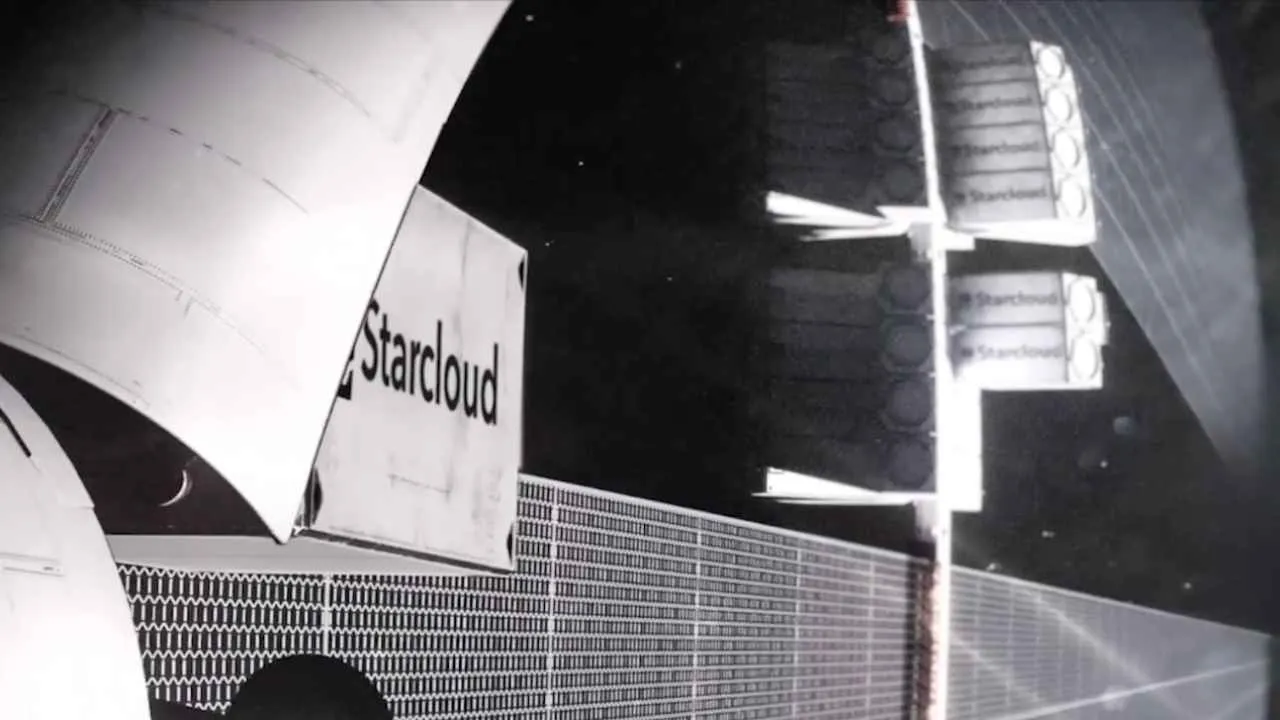
From Server Racks to Constellation-Scale Computing Networks
Launch costs and heat rejection are two of the biggest expenses facing orbital data centers. At the engineering level, the challenge comes down to four interconnected questions: how to power an orbital server rack, remove its waste heat, keep it operating through faults, and schedule workloads when that rack becomes a network of 100 or…
-
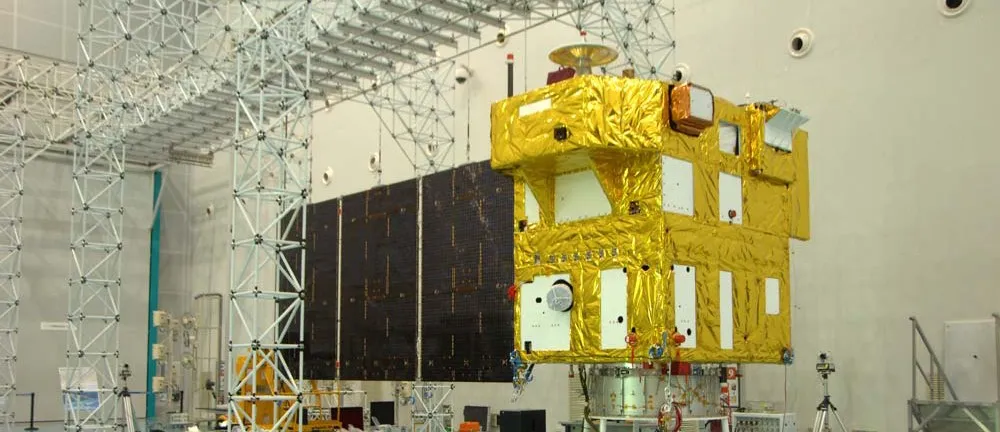
How to Assess a Satellite Thermal Control Company’s Competitive Edge and Growth Potential
Satellite thermal control may sound like a niche business, but it is critical to a spacecraft’s survival. Yet not every company in the field is equally capable. Some quietly deliver hardware that flies; others excel at telling a compelling story. Assessing a satellite thermal control company requires a closer look at several factors. Technical Capabilities…
-
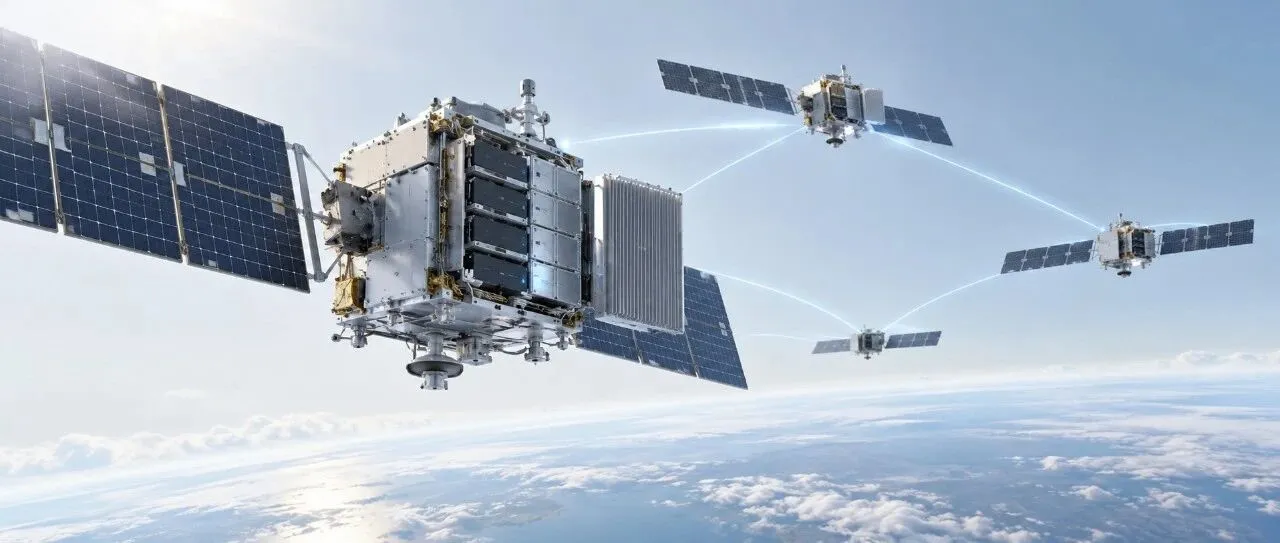
In the Age of Space Computing, Why Is Energy Both the First Opportunity and the First Barrier?
On the ground, when computing capacity falls short, more servers can be added, the grid can supply more electricity, and additional cooling towers can be built. In orbit, however, there are no power outlets and no air to carry heat away. Every model inference, image-processing operation and inter-satellite data exchange ultimately becomes two things: electricity…