
Tag: United Launch Alliance
-
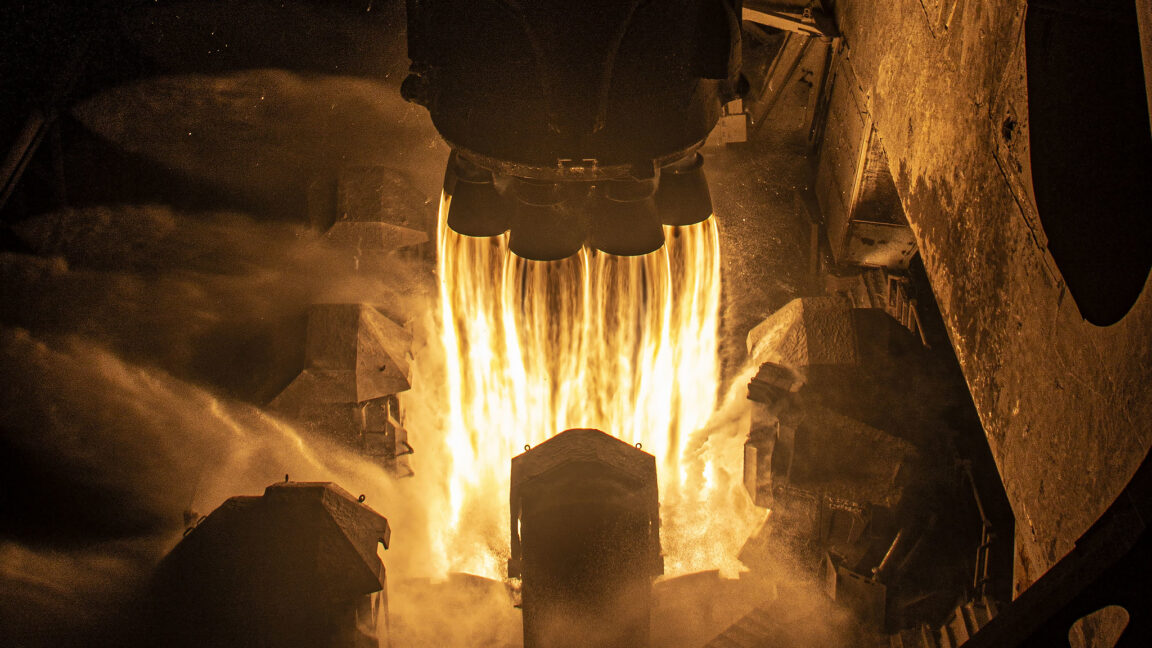
Reusable rockets are here, so why is NASA paying more to launch stuff to space?
In an era of reusable rockets and near-daily access to space, NASA is still paying more than it did 30 years ago to launch missions into orbit, according to a study soon to be published in the scientific journal Acta Astronautica. Launch is becoming more routine. Every few days, SpaceX is sending another batch of…
-
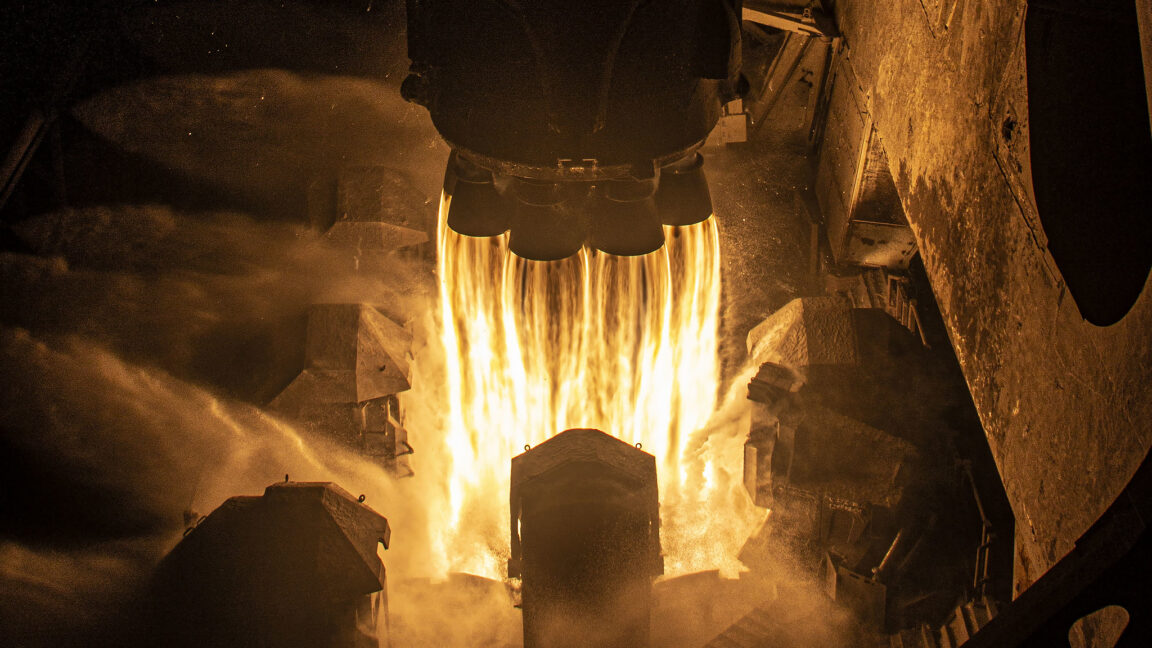
Reusable rockets are here, so why is NASA paying more to launch stuff to space?
In an era of reusable rockets and near-daily access to space, NASA is still paying more than it did 30 years ago to launch missions into orbit, according to a study soon to be published in the scientific journal Acta Astronautica. Launch is becoming more routine. Every few days, SpaceX is sending another batch of…
-
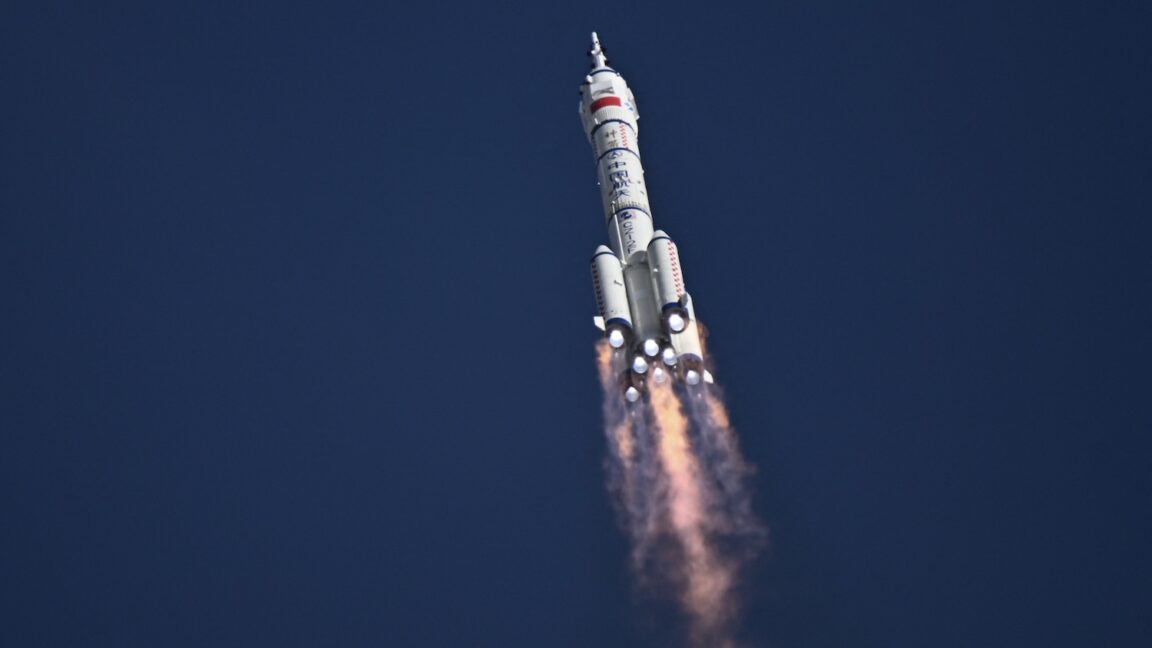
Rocket Report: The pitfalls of rideshare; China launches next Tiangong crew
Welcome to Edition 7.41 of the Rocket Report! NASA and its contractors at Kennedy Space Center in Florida continue building a new mobile launch tower for the Space Launch System Block 1B rocket, a taller, upgraded version of the SLS rocket being used for the agency’s initial Artemis lunar missions. Workers stacked another segment of…
-
Rocket Report: The pitfalls of rideshare; China launches next Tiangong crew
Welcome to Edition 7.41 of the Rocket Report! NASA and its contractors at Kennedy Space Center in Florida continue building a new mobile launch tower for the Space Launch System Block 1B rocket, a taller, upgraded version of the SLS rocket being used for the agency’s initial Artemis lunar missions. Workers stacked another segment of…
-

Launch Roundup: China launches crew, Falcon 9 launches Bandwagon rideshare and 250th Starlink mission
This week, China has launched three taikonauts to the Tiangong space station. SpaceX’s Falcon 9 had four flights scheduled, with its third Bandwagon rideshare mission followed by three more Starlink missions, including its 250th dedicated Starlink flight. United Launch Alliance successfully launched its first batch of operational Kuiper satellites aboard an Atlas V 551 rocket.…
-
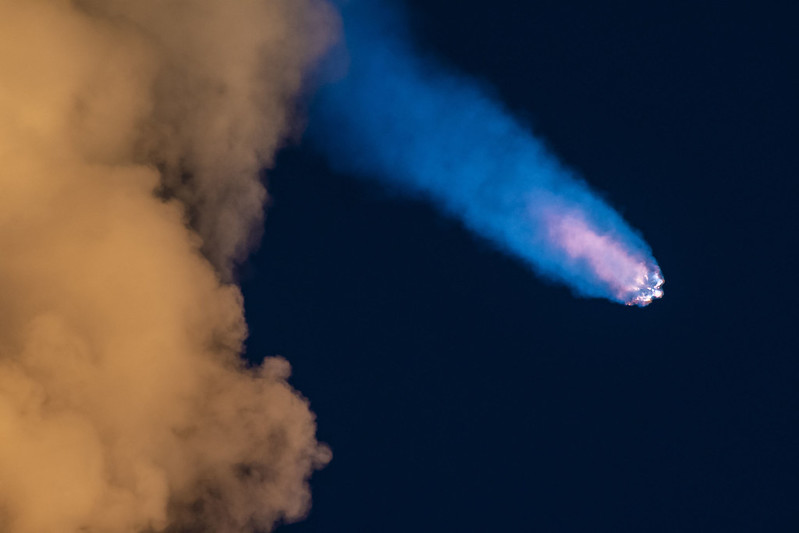
There’s a secret reason the Space Force is delaying the next Atlas V launch
Pushed by trackmobile railcar movers, the Atlas V rocket rolled to the launch pad last week with a full load of 27 satellites for Amazon’s Kuiper Internet megaconstellation. Credit: United Launch Alliance Last week, the first operational satellites for Amazon’s Project Kuiper broadband network were minutes from launch at Cape Canaveral Space Force Station, Florida.…
-
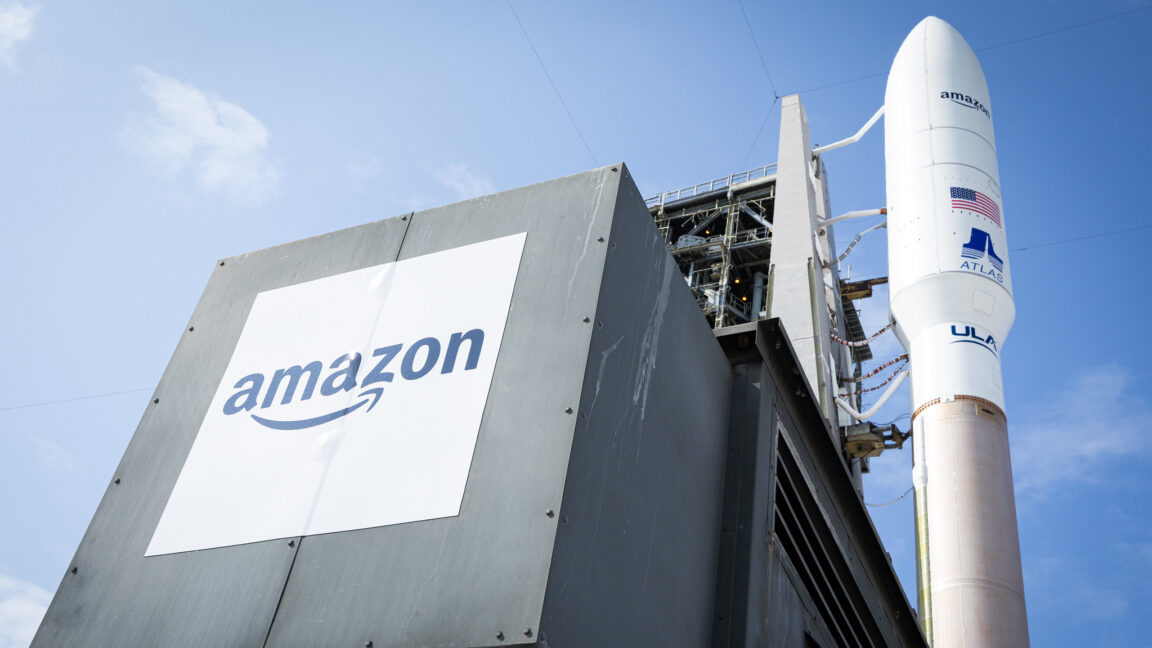
Rocket Report: “No man’s land” in rocket wars; Isaacman lukewarm on SLS
Welcome to Edition 7.39 of the Rocket Report! Not getting your launch fix? Buckle up. We’re on the cusp of a boom in rocket launches as three new megaconstellations have either just begun or will soon begin deploying thousands of satellites to enable broadband connectivity from space. If the megaconstellations come to fruition, this will…
-

Here are the reasons SpaceX won nearly all recent military launch contracts
In the last week, the US Space Force awarded SpaceX a $5.9 billion deal to make Elon Musk’s space company the Pentagon’s leading launch provider, and then it assigned the vast majority of this year’s most lucrative launch contracts to SpaceX. On top of these actions, the Space Force reassigned the launch of a GPS…
-

Launch Roundup: Falcon 9 launches three missions; New Shepard completes NS-31
During this active week of launches, SpaceX launched Falcon 9 three times, and New Shepard carried the first all-woman crew above the Kármán line. On April 10, China successfully launched a Cheng Zhang 3B/E rocket into geostationary transfer orbit. SpaceX launched NROL-192 and Starlink Group 12-17 on April 12, followed by an expected launch of…
-
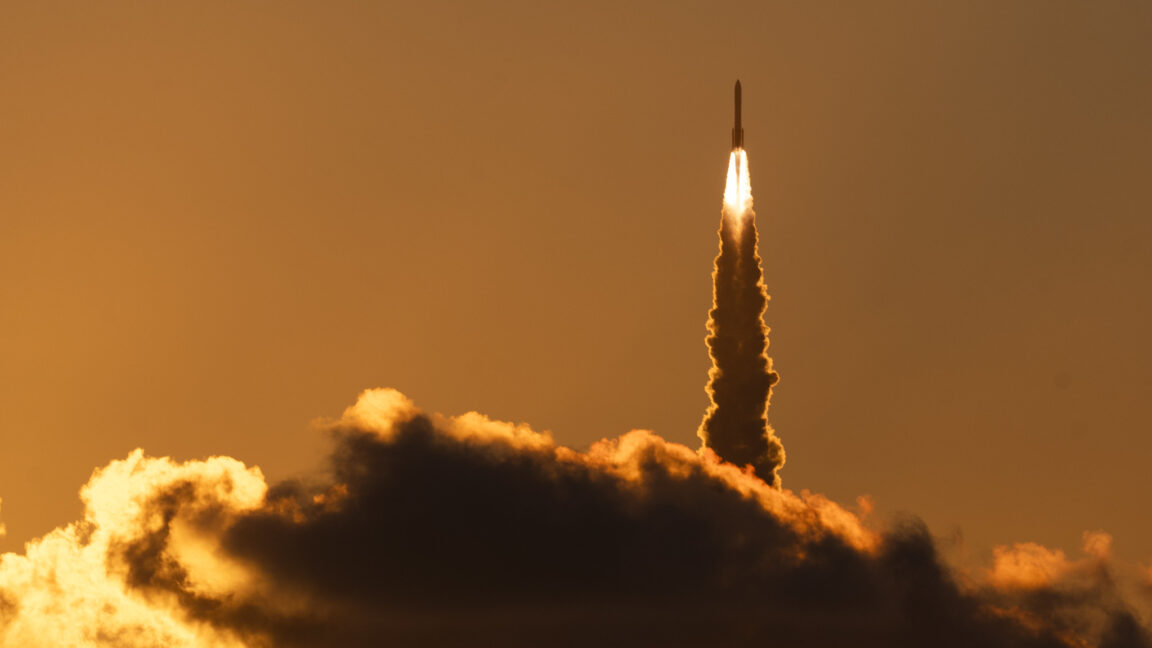
A military satellite waiting to launch with ULA will now fly with SpaceX
For the second time in six months, SpaceX will deploy a US military satellite that was sitting in storage, waiting for a slot on United Launch Alliance’s launch schedule. Space Systems Command, which oversees the military’s launch program, announced Monday that it is reassigning the launch of a Global Positioning System satellite from ULA’s Vulcan…