
Tag: Voyager
-
NASA Extends Voyager 2 Science by a Year With “Big Bang” Power Maneuver
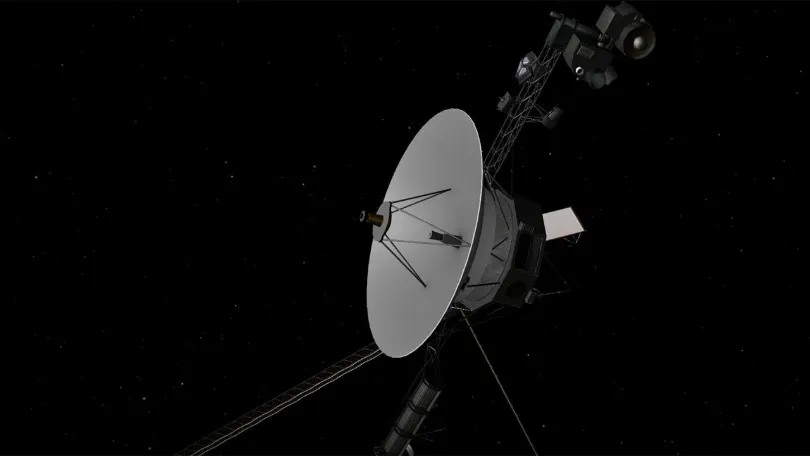
Voyager 2 and its twin, Voyager 1, draw electricity from radioisotope thermoelectric generators, which convert heat from decaying plutonium into power. As that plutonium supply diminishes, each spacecraft loses about 4 watts of available power every year. After nearly half a century in space, the Voyagers have very little power to spare, forcing mission controllers…
-
No one is happy with NASA’s new idea for private space stations
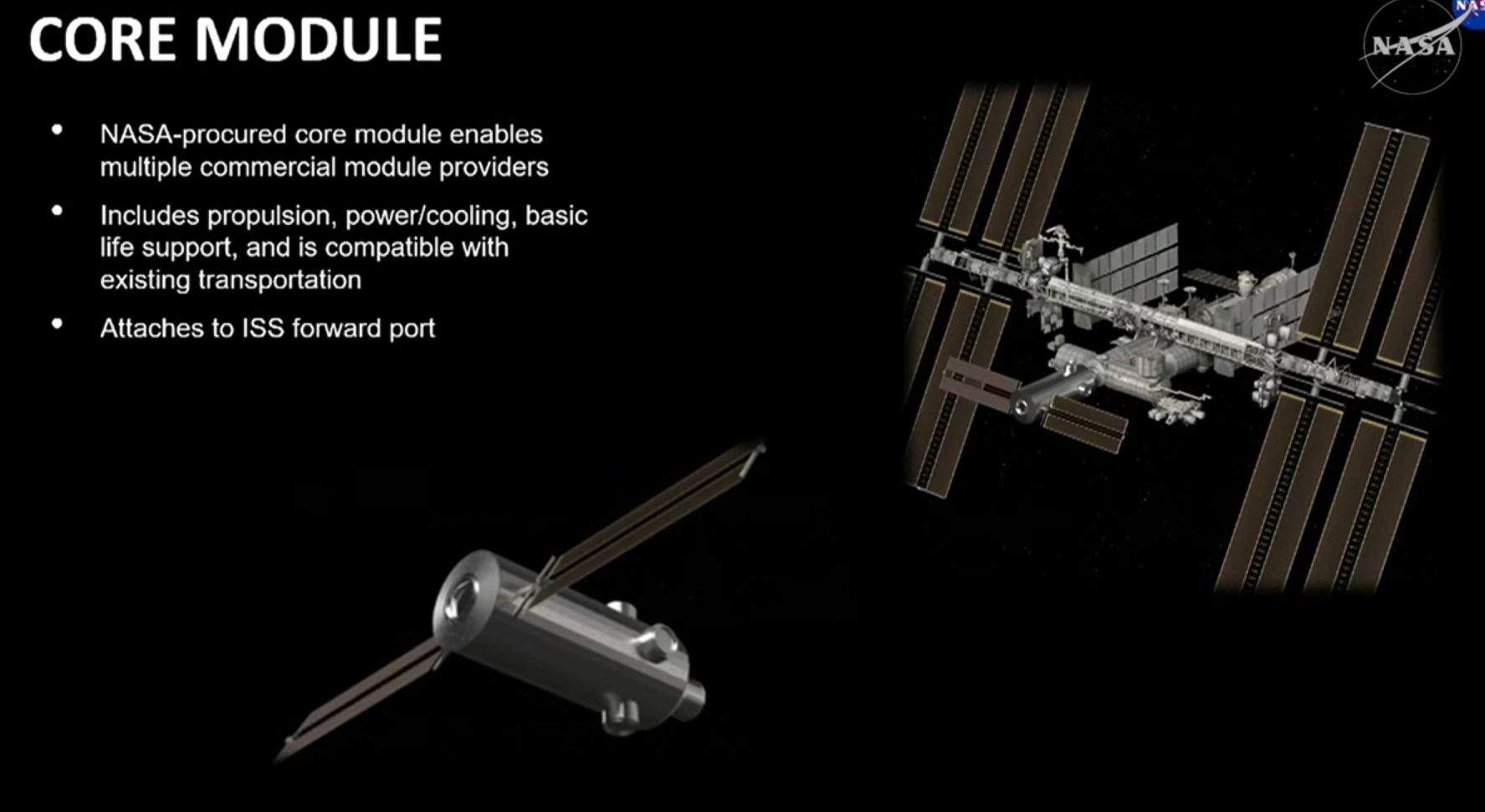
Most elements of a major NASA event this week that laid out spaceflight plans for the coming decade were well received: a Moon base, a focus on less talk and more action, and working with industry to streamline regulations so increased innovation can propel the United States further into space. However, one aspect of this…
-

AI in space: Karpathy suggests AI chatbots as interstellar messengers to alien civilizations
On Thursday, renowned AI researcher Andrej Karpathy, formerly of OpenAI and Tesla, tweeted a lighthearted proposal that large language models (LLMs) like the one that runs ChatGPT could one day be modified to operate in or be transmitted to space, potentially to communicate with extraterrestrial life. He said the idea was “just for fun,” but…
-
Recoding Voyager 1—NASA’s interstellar explorer is finally making sense again
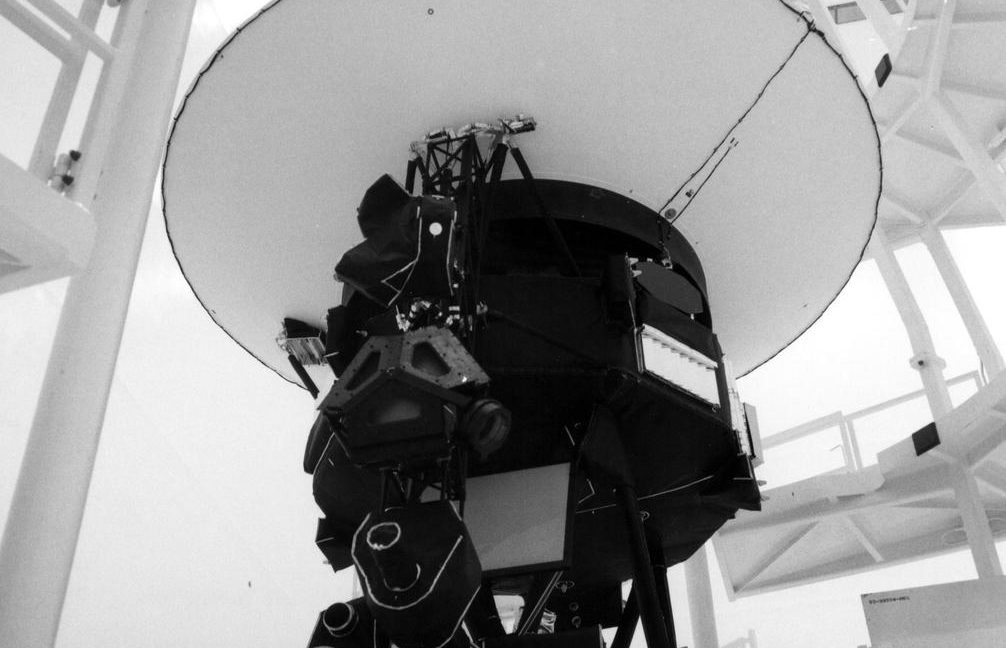
Engineers have partially restored a 1970s-era computer on NASA’s Voyager 1 spacecraft after five months of long-distance troubleshooting, building confidence that humanity’s first interstellar probe can eventually resume normal operations. Several dozen scientists and engineers gathered Saturday in a conference room at NASA’s Jet Propulsion Laboratory, or connected virtually, to wait for a new signal…
-
NASA knows what knocked Voyager 1 offline, but it will take a while to fix
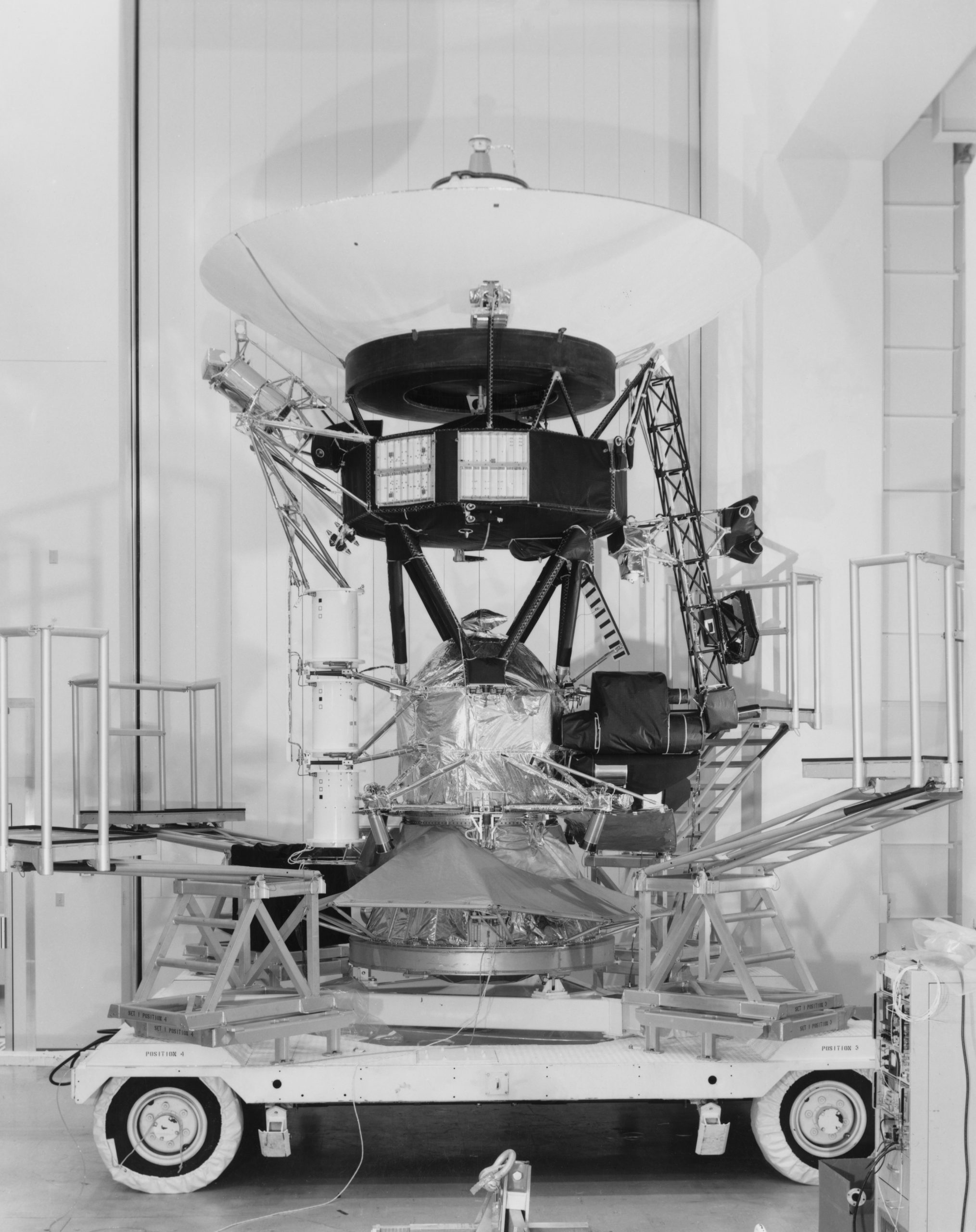
Engineers have determined why NASA’s Voyager 1 probe has been transmitting gibberish for nearly five months, raising hopes of recovering humanity’s most distant spacecraft. Voyager 1, traveling outbound some 15 billion miles (24 billion km) from Earth, started beaming unreadable data down to ground controllers on November 14. For nearly four months, NASA knew Voyager…
-
Finally, engineers have a clue that could help them save Voyager 1
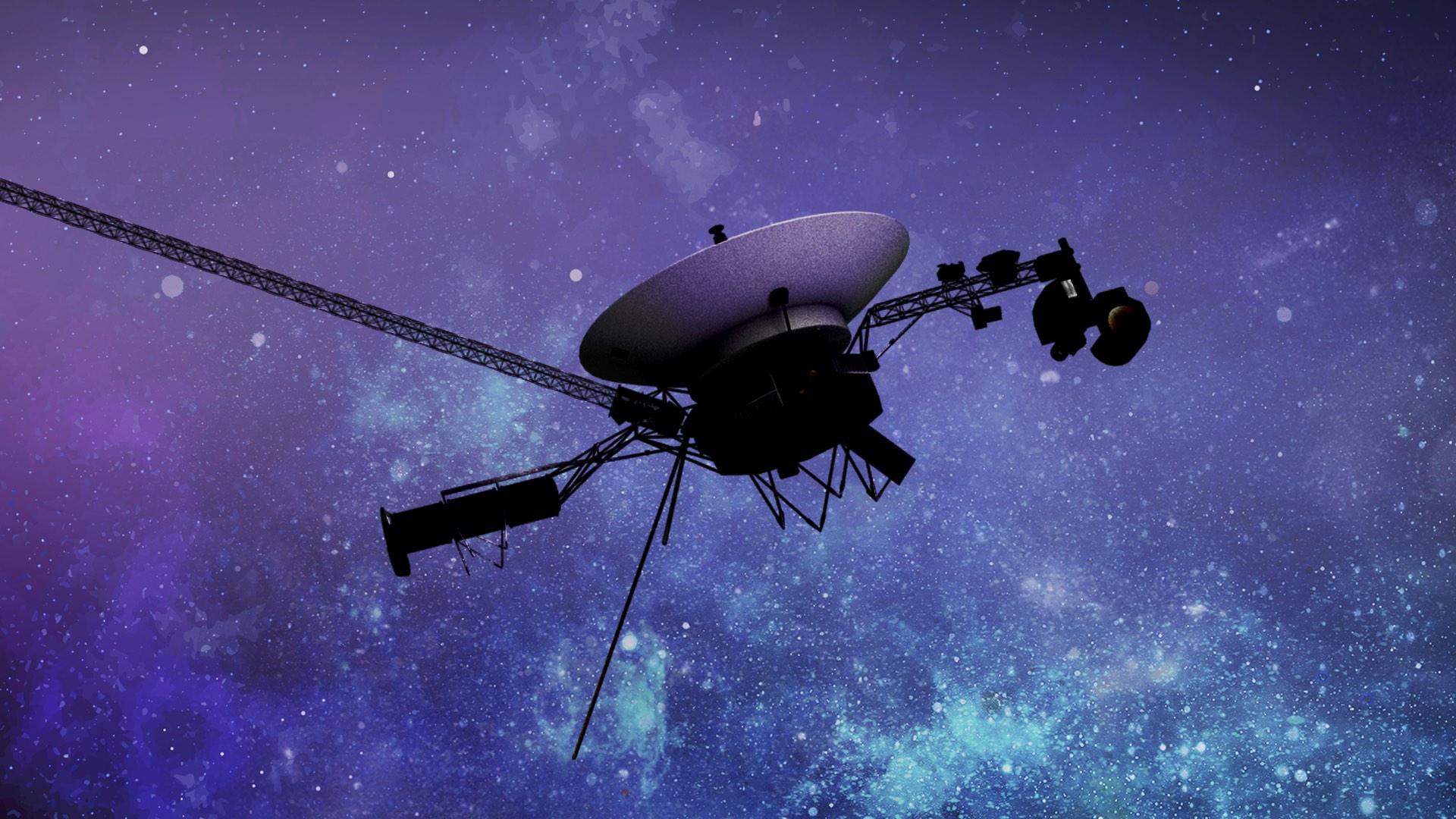
It’s been four months since NASA’s Voyager 1 spacecraft sent an intelligible signal back to Earth, and the problem has puzzled engineers tasked with supervising the probe exploring interstellar space. But there’s a renewed optimism among the Voyager ground team based at NASA’s Jet Propulsion Laboratory in California. On March 1, engineers sent a command…
-
Humanity’s most distant space probe jeopardized by computer glitch
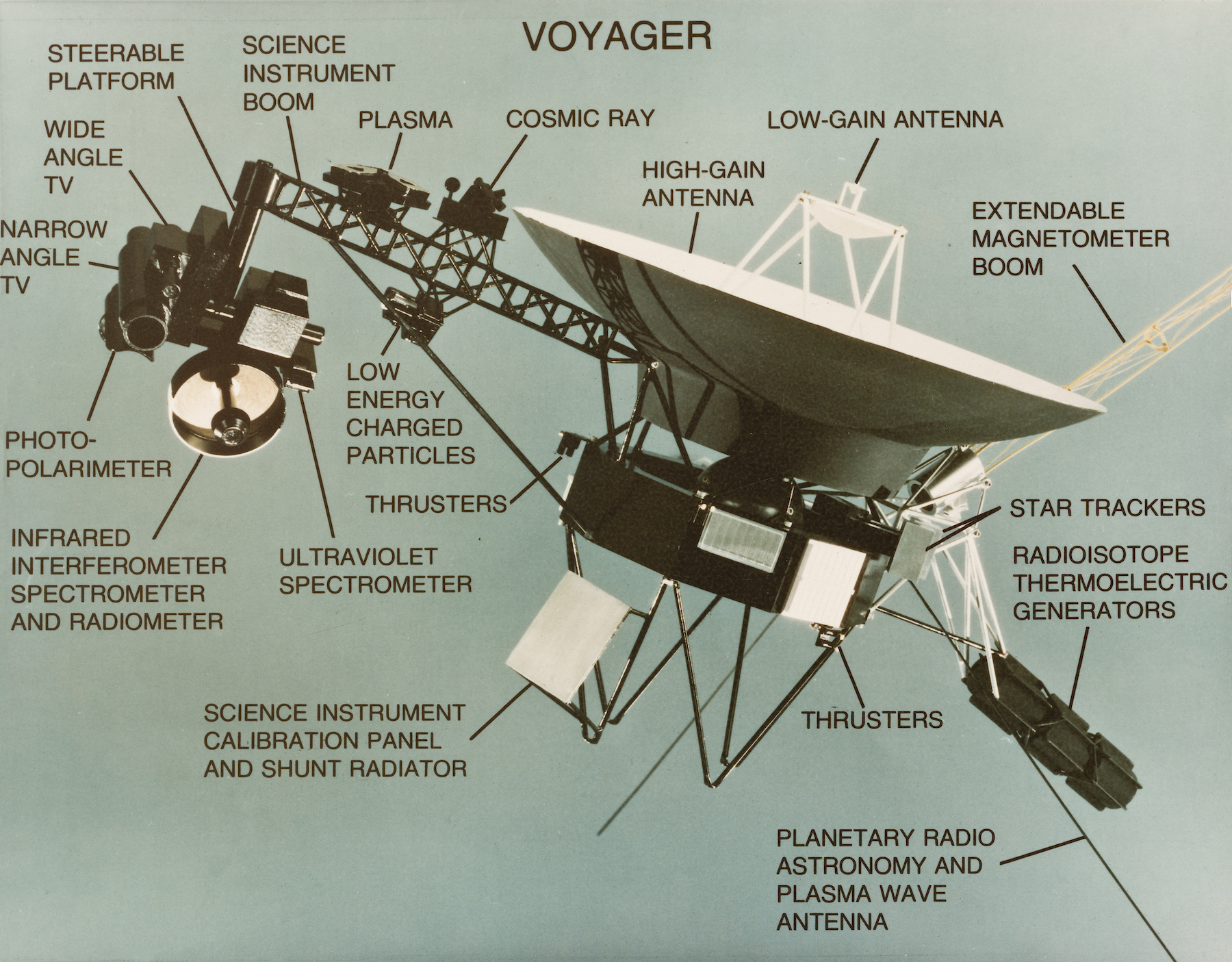
Voyager 1 is still alive out there, barreling into the cosmos more than 15 billion miles away. However, a computer problem has kept the mission’s loyal support team in Southern California from knowing much more about the status of one of NASA’s longest-lived spacecraft. The computer glitch cropped up on November 14, and it affected…
-
NASA wants the Voyagers to age gracefully, so it’s time for a software patch
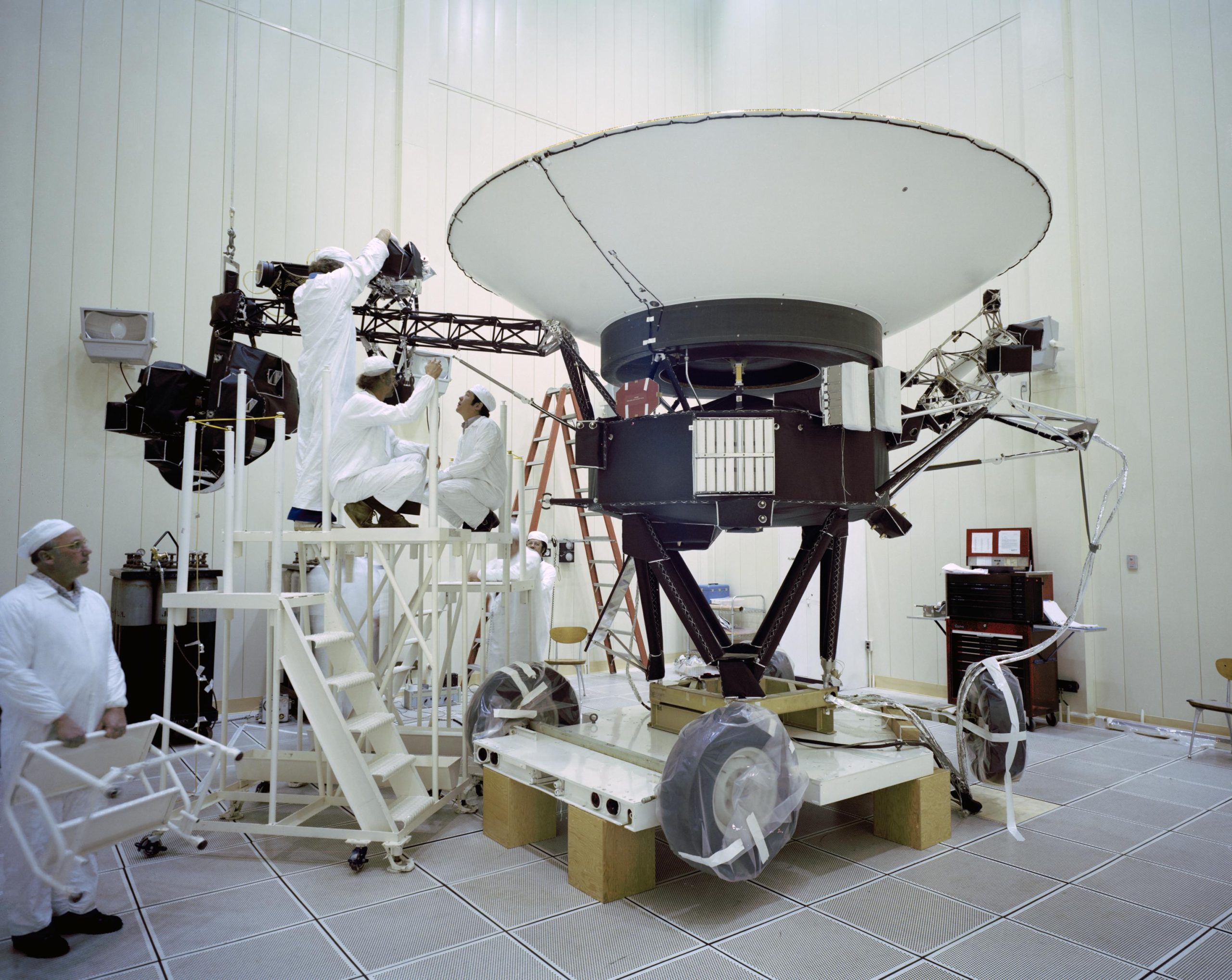
Forty-six years in deep space have taken their toll on NASA’s twin Voyager spacecraft. Their antiquated computers sometimes do puzzling things, their thrusters are wearing out, and their fuel lines are becoming clogged. Around half of their science instruments no longer return data, and their power levels are declining. Still, the lean team of engineers…
-
Space Perspective prepares to introduce new recovery ship as providers compete for land at Port Canaveral
First announced in November 2022, Florida-based Space Perspective has purchased an 89-meter-long (292 feet) vessel named Voyager for conversion into what it describes as the first marine spaceport for human spaceflight. The space tourism company was founded in 2019, selling yet-to-happen high-altitude balloon flights. Named in honor of the Voyager 1 space probe, the vessel…
-

NASA says its Voyager 2 probe has entered interstellar space, six years after Voyager 1
This illustration shows the positions of NASA’s Voyager 1 and Voyager 2 probes, outside of the heliosphere, a protective bubble created by the Sun that extends well past the orbit of Pluto. Sizes and distances are not shown to scale. Click on the image for a larger version. (NASA / JPL-Caltech Illustration) NASA says its…