
Tag: weather
-
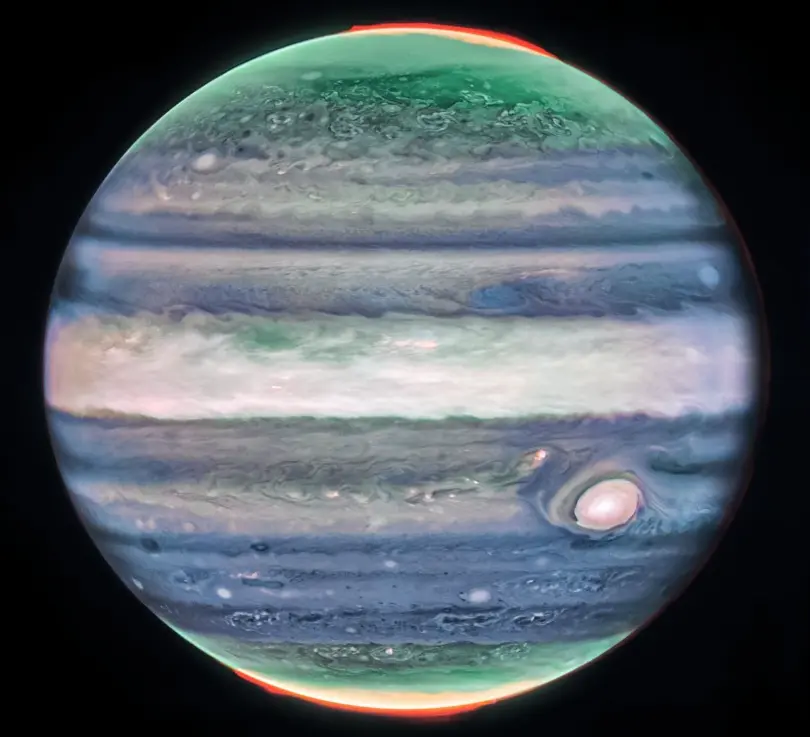
Using Webb, scientists measure high-speed jet stream in Jupiter’s atmosphere
Scientists recently discovered a high-speed jet stream at Jupiter’s equator using the joint NASA/European Space Agency/Canadian Space Agency James Webb Space Telescope. Webb’s images helped the team of scientists track fine details through the planet’s atmosphere, allowing them to measure these winds for the first time. The newly discovered jet stream will provide scientists with…
-
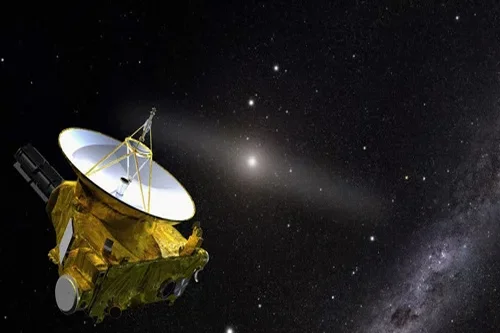
Arianespace launches three spacecraft, Intelsat talks satellite refresh efforts
Arianespace has successfully lifted three satellites into geostationary transfer orbit (GTO) on Tuesday from the Guiana Space Centre in Kourou, French Guiana using the veteran Ariane 5 launcher. Liftoff occurred at the opening of a 106-minute long window that extends from 20:30-22:16 UTC. The mission delivered an advanced European meteorological satellite and two Galaxy telecommunications…
-

NOAA, NASA’s GOES-T weather satellite launches on ULA Atlas V
United Launch Alliance (ULA) has launched the Geostationary Operational Environmental Satellite (GOES)-T advanced weather satellite for the US National Oceanic and Atmospheric Administration (NOAA). GOES-T launched on an Atlas V 541 from Space Launch Complex (SLC)-41 from Cape Canaveral Space Force Station (CCSFS). The launch took place on March 1, 2022, at 4:38 PM EST…
-
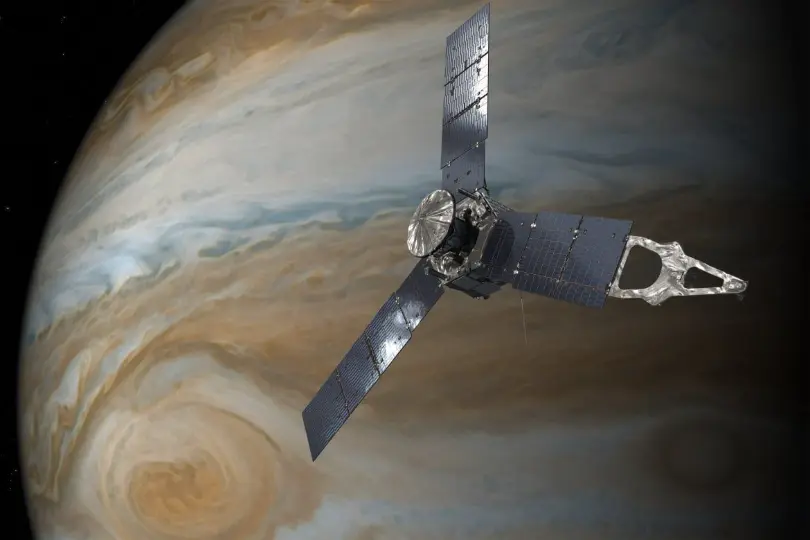
New science from Juno provides insight into atmospheric processes on Jupiter
In a series of newly released papers from a science team on NASA’s Juno mission, new data is helping researchers discover how Jupiter’s atmosphere functions underneath the planet’s thick upper cloud layer. The papers were published in the journals of Geophysical Research: Planets as well as Geophysical Research Letters and shine light on the gas…
-
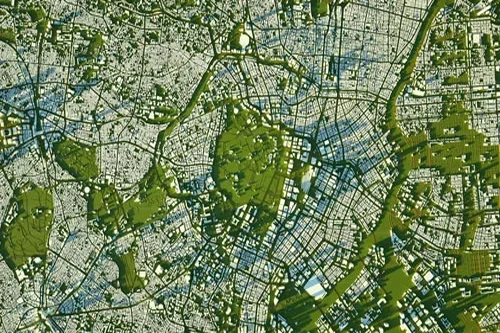
How forecasters use GOES weather satellite data for hurricane tracking and forecasting
Since the dawn of the satellite era, weather satellites have been an instrumental and mainstay feature of space exploration. Numerous countries and agencies around the world have launched their own sets of sentinels that keep an ever-watchful eye over our continents and oceans. To say that weather satellites have had a positive impact on weather…
-
NOAA recovers from latest GOES-17 weather satellite issue, plans to replace it next year
The National Oceanic and Atmospheric Administration’s (NOAA’s) Geostationary Operational Environmental Satellite (GOES)-East/17 has suffered another major issue while in orbit, as NOAA aims to replace the problematic satellite with GOES-T. GOES-17 is the second satellite in NOAA’s GOES-R program, a replacement to the aging GOES-N satellites. The GOES satellite constellation is NASA, NOAA’s weather constellation…
-
China lofts Fengyun 3E polar weather satellite
China has successfully launched a new polar weather satellite, Fengyun 3E. Liftoff of the mission took place at 23:28 UTC on 4 July 2021 from launch site SLS-2 at the Jiuquan Satellite Launch Center using a Chang Zheng 4C rocket. The launch was the second in as many days for China and successfully placed Fengyun…
-
Ingenuity enters operations demonstration phase as Perseverance team marks initial science returns
Nearly three months after landing on Mars, NASA’s Perseverance mission is marking its initial science returns from the Martian surface as the Ingenuity helicopter enters its new phase of operational demonstration flights on the Red Planet. Ingenuity’s flight will gather information on the surrounding Martian terrain for the mission’s teams to identify science targets for…
-
Mars Express and the case of the large, mysterious Martian volcano cloud
Throughout the southern Martian hemisphere’s spring and summer seasons, a large, expansive cloud emerges daily from the volcano Arsia Mons. Why this cloud only forms at this location on Mars, what kind of cloud it is, and other puzzles to this phenomenon have plagued researchers for years — as observing Martian weather usually only happens…
-
Astronauts send home views of ‘nightmare’ Hurricane Florence
A crew member on the International Space Station took this image of Hurricane Florence in the Atlantic Ocean on the morning of Sept. 12. At that time, the storm packed maximum sustained winds of 130 mph. Credit: NASA Astronauts have captured views of Hurricane Florence raging in the Atlantic Ocean and heading toward a likely…