Weil first crossed paths with Stoke chief executive Andy Lapsa when Lapsa co-founded the company in 2020 and joined Y Combinator’s winter batch. Weil, an early investor in Stoke through Scribble Ventures, the fund he runs with his wife Elizabeth, helped Lapsa navigate fundraising and Silicon Valley early on. The two continued talking as Lapsa raised $1.34 billion for the company, including a $510 million Series D round in 2025.
Weil’s background centers on digital products and platforms rather than hardware. He was most recently head of OpenAI’s effort to accelerate scientific research, leaving the company in April after that program’s work was distributed more widely. He previously served as OpenAI’s chief product officer from June 2024 until October 2025. His resume also includes three years as president of Planet Labs, the satellite earth observation company, which went public in 2021. Weil was one of four technology figures who joined the U.S. Army Reserve in a bid to improve cooperation between the Army and industry.
Stoke declined to make Weil available for an interview, and he did not respond to outreach. Lapsa declined to comment on reporting that OpenAI’s Sam Altman had considered investing in Stoke last year, dismissing “gossip and rumors” and saying Weil’s role was to focus on the company itself. “It’s real simple for me,” Lapsa said of the original meeting. “I came out of engineering, started a company, had no idea how to fundraise. Kevin comes with all of that background.”
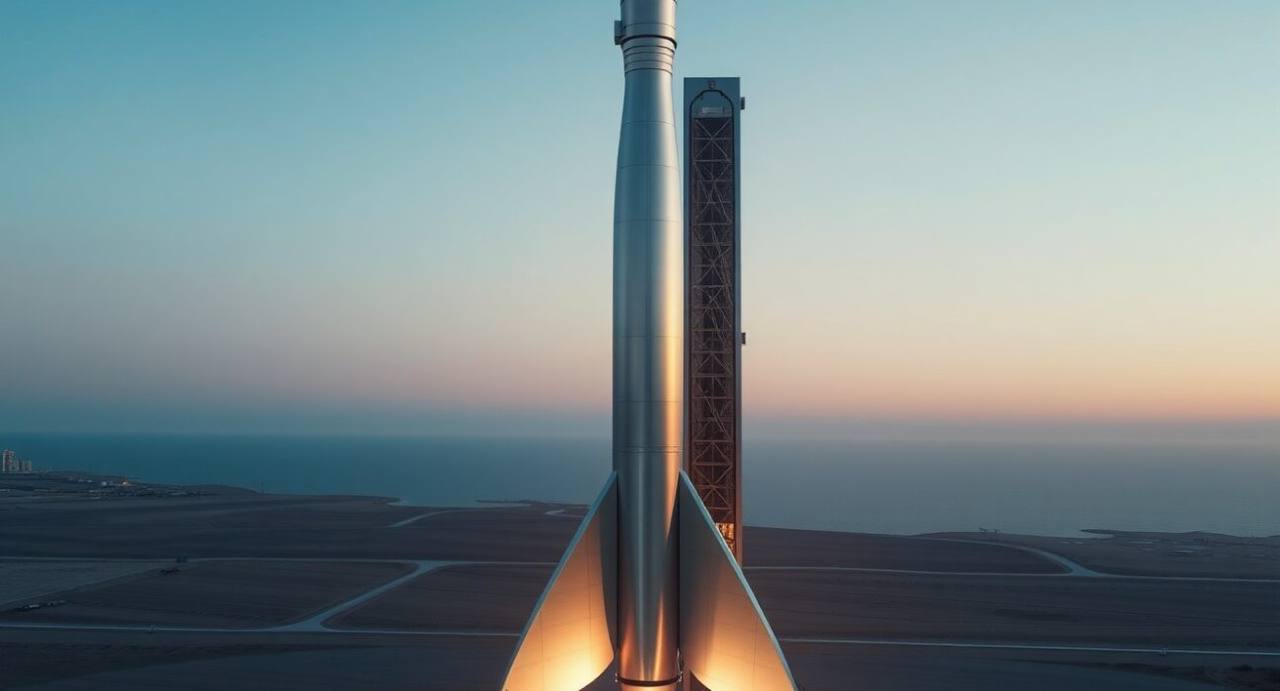
Stoke is building Nova, a rocket intended to be completely reusable and flown repeatedly. No company has achieved that, with SpaceX coming closest through Starship. Lapsa argued the market has shifted in the company’s favor. “The world is realizing that launch is still not solved,” he said. “The idea of full, rapid reuse was a little bit out there at that time. That’s now been rather normalized, and people see the inevitable now.” He added that emerging concepts such as distributed data centers in space “really only make sense with full rapid reuse,” which he framed as a potential differentiator for Stoke once Nova begins flying.
Lapsa said military contracts will also be central to the company’s success, and pointed to Weil’s experience bridging Silicon Valley and the Department of Defense. Still, he emphasized that execution remains the deciding factor. “We’ve got a good chunk of the risk behind us, we’ve got more to go,” he said. “We’ll work as hard as we can, and we’ll go when it’s ready.”
The board appointment comes as Stoke works toward delivering an operational launch vehicle it has aimed to fly this year. Attention now turns to whether the company can complete that milestone, and to how Weil’s product and defense experience factors into its scaling strategy.