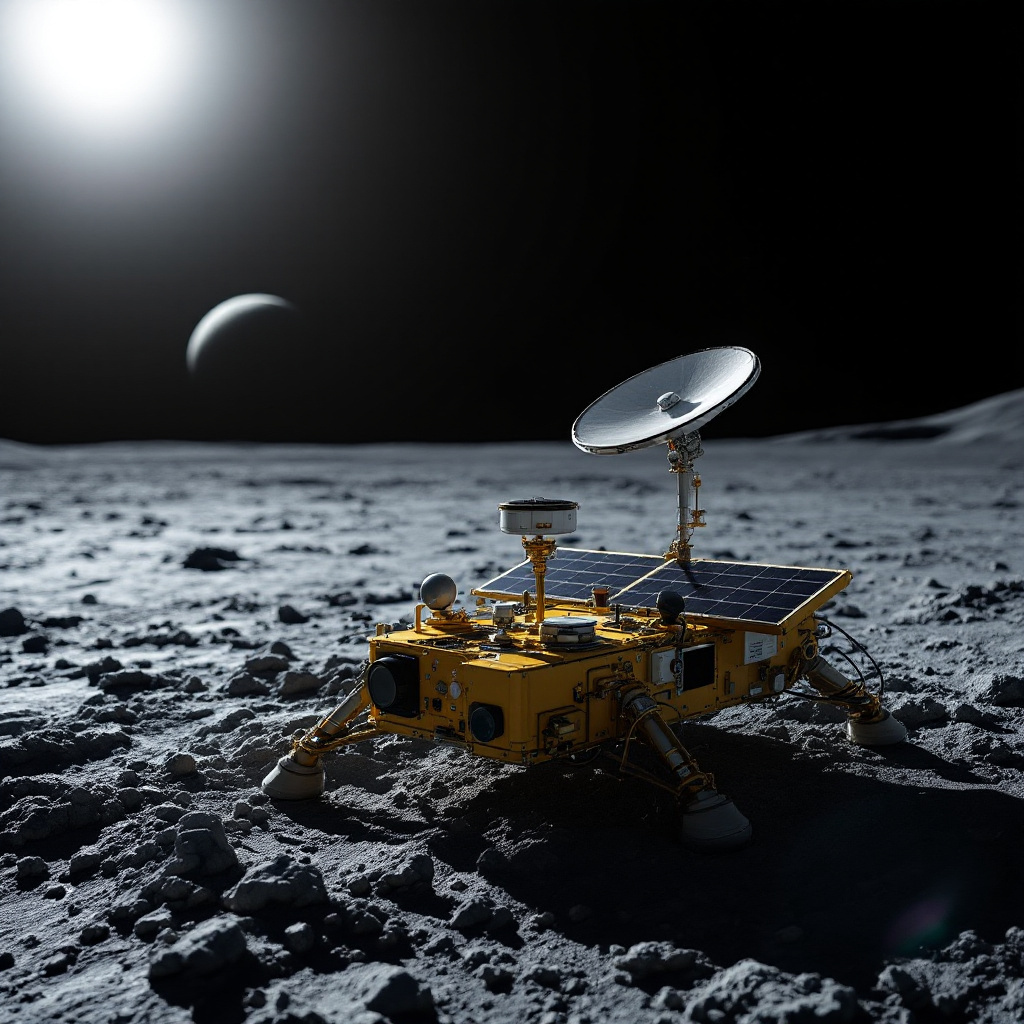
The selection ties together two priorities. Water ice at the lunar south pole is central to establishing a sustained human presence, and LEMS-SP is built to search for that ice while also monitoring environmental hazards. By carrying that work out at the south pole, the station places both objectives in the area NASA has identified for crewed landings.
LEMS-SP is an autonomous instrument package. It is designed to search for water ice in the lunar south pole region and to monitor hazards to astronauts, including micrometeorites and moonquakes. The moonquake monitoring builds on seismic observations first gathered during the Apollo era, extending that line of science to the polar region.
The University of Maryland proposal was chosen on September 30. The combination of resource prospecting and hazard monitoring allows a single station to address water ice detection and astronaut safety in the same location.
The relevance of the selection comes from where the work will be done. Extending Apollo-era moonquake science to the exact area NASA intends to use for crewed landings gives the station added weight, and a station that doubles as a hazard monitor addresses resource and safety priorities at once.
The data LEMS-SP returns could help determine where, and whether, NASA’s crews can safely settle at the lunar south pole.