The Pentagon said it will invest $1 billion in the missile business of L3Harris Technologies as part of a plan to spin the unit off into a separate publicly traded company, a move intended to accelerate weapons production for future conflicts.
L3Harris said on Tuesday the missile segment would be separated into a stand-alone company, with the U.S. Department of Defense taking a minority stake through preferred stock that would convert to common equity after an initial public offering. L3Harris will retain a controlling interest in the business following the spinoff, which is expected to take place in the second half of this year.
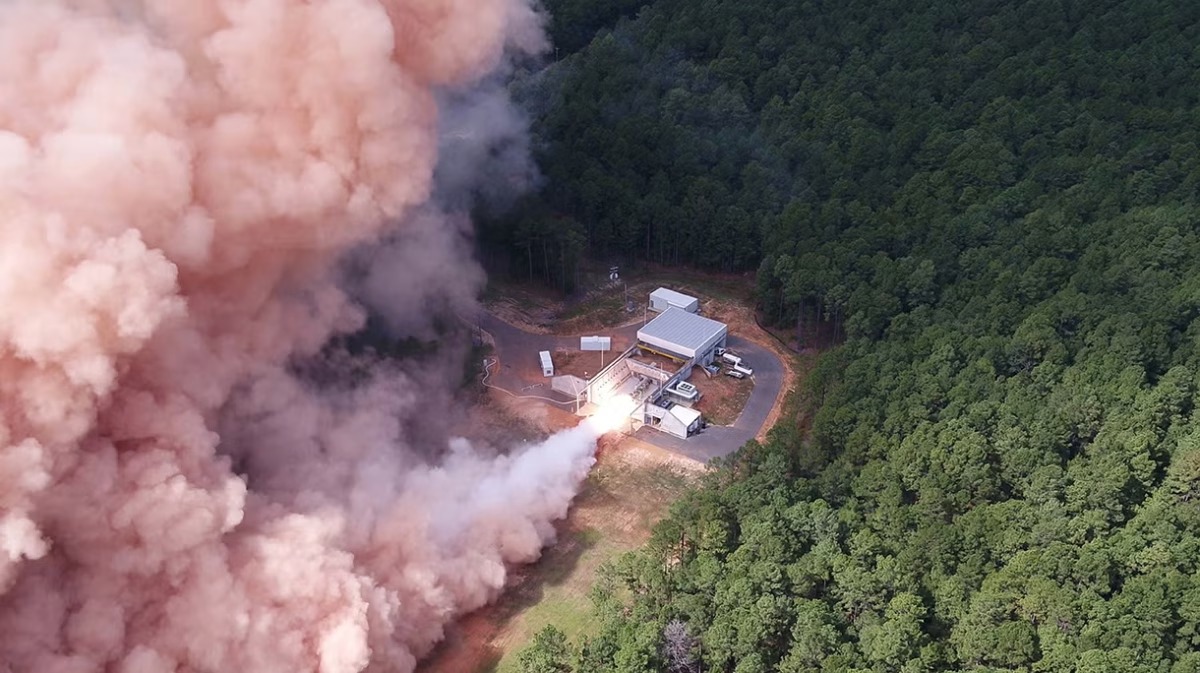
The new company would focus on producing rocket motors and related components for U.S. and allied weapons systems, including Patriot, THAAD and Tomahawk missiles. Chief Executive Christopher Kubasik said the Pentagon’s investment represents an effort to introduce more competition and capacity into a defense industrial base that has consolidated sharply since the end of the Cold War.
“The industry can go faster and be more agile and more competitive when there’s more people involved,” Kubasik said in an interview. “This is the first step of potentially deconsolidating the defense industry.”
Kubasik said L3Harris expects to receive the $1 billion cash investment this quarter, though he declined to provide a valuation for the spun-off business. The missile unit generates more than $3 billion in annual revenue, and executives have projected sales growth in the midteens percentage range in coming years.
The move comes as Pentagon officials press weapons manufacturers to raise missile production rates amid concerns about U.S. stockpiles and the demands of a potential future conflict with China. Some companies have expanded capacity, but industry executives have said large investments depend on multiyear government commitments.
Michael Duffey, the Pentagon’s acquisitions chief, said the agreement is structured to ensure production goals are met before taxpayers see returns. “I can’t emphasize enough the requirement for speed,” Duffey said, adding that the Pentagon “is done writing checks to industry for capacity expansion with no promise of the return.”
L3Harris has reshaped its propulsion and missile portfolio in recent years, including its nearly $5 billion acquisition of Aerojet Rocketdyne in 2023. The company last week agreed to sell a majority stake in some space-propulsion lines to private equity firm AE Industrial Partners.
The announcement follows other Pentagon-backed efforts to expand missile output, including a recent agreement with Lockheed Martin to more than triple annual production of Patriot interceptors in exchange for long-term orders.
President Donald Trump has called for a $1.5 trillion military budget for the next fiscal year, though congressional support remains uncertain. Senate defense appropriators have warned that significantly higher spending will be required to meet munitions and other military needs.
Reuters