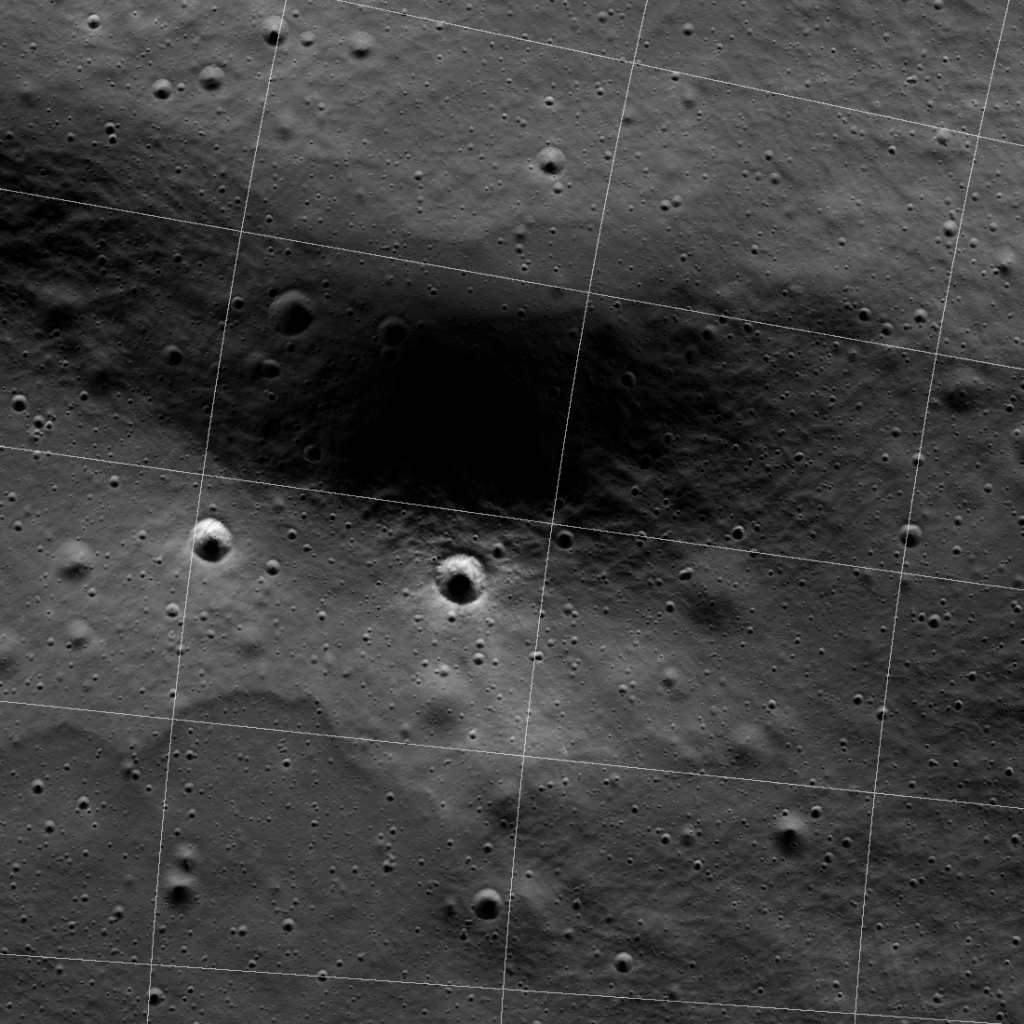
Eunhyeuk Kim, the principal researcher of the Danuri spacecraft at the Korean Aerospace Research Institute, emphasized the significance of this milestone. “This is the first time…we are seeing what it looks like inside, whether they are different from the other normal craters.”
Permanently shadowed regions, among the coldest places in the solar system, boast temperatures as low as minus 400 degrees Fahrenheit. These regions, found at both the lunar north and south poles, are believed to contain valuable deposits of volatiles. Volatiles are ices of water and other compounds, such as carbon dioxide, which would transform into gas in warmer conditions.
As NASA planetary geologist Jacob Bleacher notes, these ancient deposits could reveal the history of water in the solar system.
Join our Discord Server: Join the community with forums and chatrooms about space!
ShadowCam’s high-resolution images are guiding NASA’s plans for future surface exploration. The brightness of materials in the shadowed craters helps estimate the quantity of ice they contain, according to a summary filed by NASA and others close to the project.
Mark Robinson, a planetary scientist at Arizona State University and ShadowCam’s principal investigator, said that by tracking frost coverage throughout the year, scientists hope to understand how volatiles move on the Moon.
To delve deeper into the mysteries of these shadows, NASA is gearing up to send a new rover to the lunar south pole. The Volatiles Investigating Polar Exploration Rover, or VIPER, is scheduled to land on the lunar surface in late 2024.
VIPER will be equipped to navigate the frigid lunar landscape and unlock the secrets hidden within the Moon’s perpetual darkness.
The Moon’s south pole, with its perpetual shadows and hidden treasures of volatiles, is a captivating frontier for exploration, according to NASA. As the agency prepares for the historic Artemis 3 mission in 2025 or 2026, breakthroughs from ShadowCam and the upcoming VIPER rover are shedding light on this mysterious region.
With the potential for valuable resources and vital insights into the solar system’s history, the Moon’s south pole holds the promise of propelling humanity into a new era of space exploration and discovery.