Interstellar Technologies said it has completed 20.1 billion yen ($129.7 million) in Series F financing, one of the largest fundraising rounds to date for a privately held space startup in Japan, as the company accelerates development of its orbital launch vehicle and satellite business.
The round was completed through a third-party allotment of new shares and included investments from the SBI Group, Nomura Real Estate Development, B Dash Ventures, SMBC Edge and existing shareholders, Interstellar said in a statement.
The Series F round, led by Woven by Toyota, raised 14.8 billion yen through the issuance of preferred shares in an up-round, bringing Interstellar’s cumulative funding to 44.6 billion yen ($287.7 million). The company also secured 5.3 billion yen in debt financing from financial institutions, including loan facilities with stock acquisition rights from the Japan Finance Corporation.
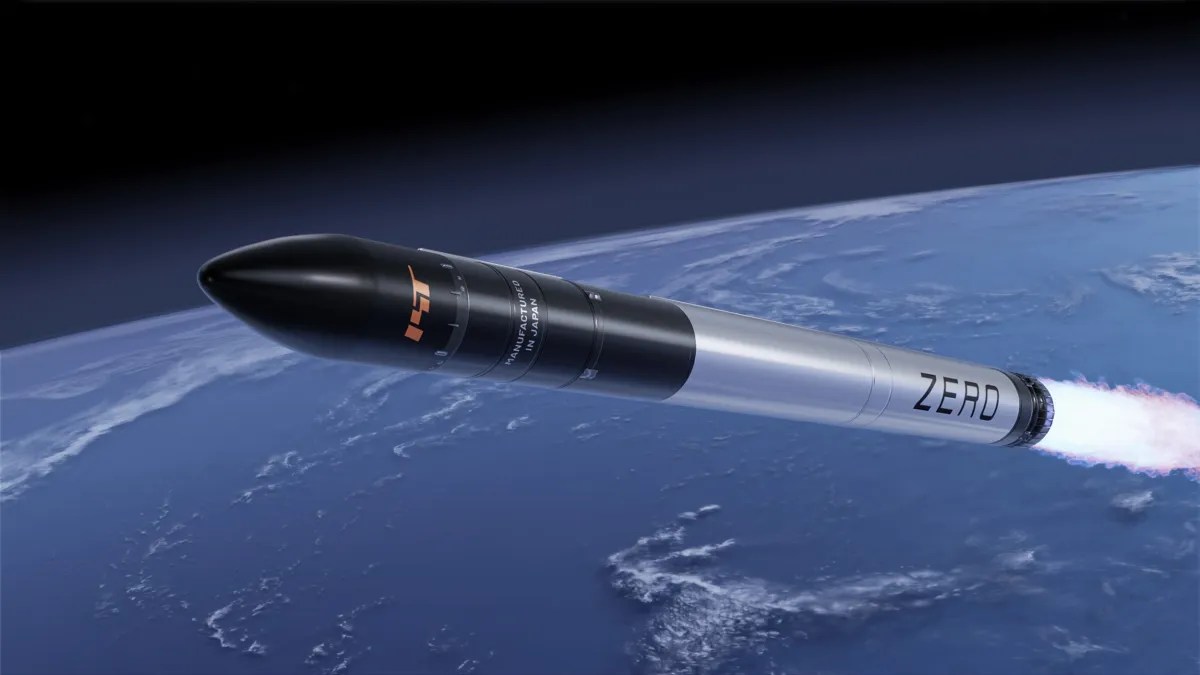
As Japan’s leading private space transportation company, Interstellar is pursuing a vertically integrated model combining launch vehicle services with satellite communications. Its orbital launch vehicle ZERO has been selected for Phase 3 of the Ministry of Education, Culture, Sports, Science and Technology’s Small Business Innovation Research program, making Interstellar one of only three companies to pass the latest stage-gate review.
For ZERO’s first orbital launch, the company has already signed contracts with eight customers, including domestic and international companies, universities and research organisations, Interstellar said. In parallel, it has formed a manufacturing-focused alliance with Toyota Motor Corporation to strengthen production capabilities, an area long viewed as a bottleneck for Japan’s relatively small private space sector.
“Space transportation represents a critical infrastructure underpinning the rapidly expanding global space market,” said Hiroyuki Ono, general manager at SBI Investment. “Interstellar Technologies has established itself as a leading domestic player with strong technological capabilities and execution.”
On the satellite side, Interstellar is focusing on communications satellites that require frequent launches, an area where the company sees competitive advantages in using its own launch vehicles. Research and development is being supported through commissioned projects from Japan’s Ministry of Internal Affairs and Communications and programs run by the Japan Aerospace Exploration Agency.
The proceeds from the Series F round will be used primarily to fund the first launch of ZERO, expand manufacturing systems toward commercial operations and advance satellite development, the company said.
“We are pleased to announce the successful completion of the Series F fundraising round,” said Takahiro Inagawa, chief executive officer of Interstellar Technologies. “Building on this support, we will further advance our vertically integrated launch vehicle and communications satellite businesses in Japan and globally.”