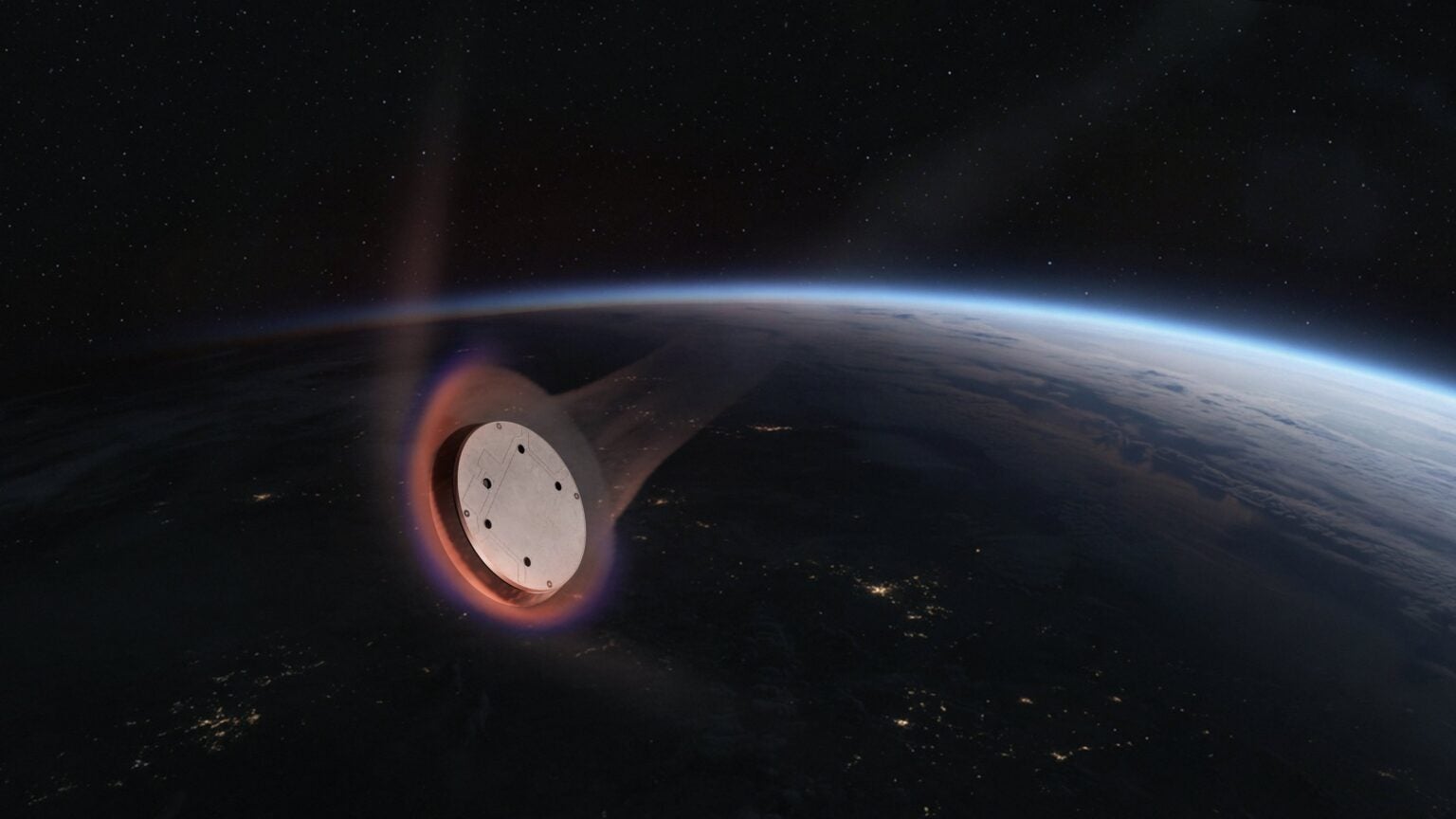
SpaceX has conducted the first demonstration flight of Starfall, a new reentry spacecraft designed to support microgravity research, in-space manufacturing, and the return of payloads from orbit.
The Starfall demonstration mission launched aboard a Falcon 9 rocket from Cape Canaveral Space Force Station in Florida on Tuesday, marking the first public flight of the vehicle.
According to SpaceX, the mission was intended to demonstrate Starfall’s controlled flight capabilities before completing a planned splashdown in the Pacific Ocean.
Designed for Microgravity Applications
SpaceX described Starfall as a platform intended to provide researchers, manufacturers, and commercial customers with access to the microgravity environment of space.
The company said the vehicle is designed to support scientific experiments and manufacturing processes that can benefit from conditions not available on Earth.
Interest in microgravity production has grown in recent years as companies explore applications ranging from pharmaceuticals and advanced materials to semiconductor and biotechnology research.
Return Capability for Orbital Payloads
Regulatory documents filed with the U.S. Federal Aviation Administration indicate that Starfall is a reusable capsule designed to transport cargo to and from orbit.
The vehicle is approximately 2.5 feet tall and 10.2 feet wide, with a launch mass of about 4,600 pounds and a payload capacity of roughly 2,200 pounds.
SpaceX noted that the spacecraft is intended for cargo and commercial payload transportation rather than human spaceflight.
Expanding Commercial Space Infrastructure
The launch places SpaceX among a growing group of companies developing returnable spacecraft for commercial manufacturing and research missions.
Several firms are pursuing orbital manufacturing concepts that rely on the ability to process materials in microgravity and return finished products or experimental results to Earth.
These efforts are increasingly viewed as an emerging segment of the commercial space economy, with demand expected to grow as launch costs decline and orbital infrastructure expands.
Building a Microgravity Ecosystem
SpaceX said Starfall is designed to provide a dedicated platform for organizations seeking regular access to space-based research and production capabilities.
The company has not disclosed detailed technical specifications for the vehicle or its future deployment schedule, but the successful demonstration represents an early step toward establishing a new commercial service focused on microgravity operations.
As interest in orbital manufacturing continues to increase, spacecraft capable of returning cargo from space are expected to play a critical role in enabling future commercial applications beyond traditional satellite missions.