
Tag: Low Earth Orbit
-
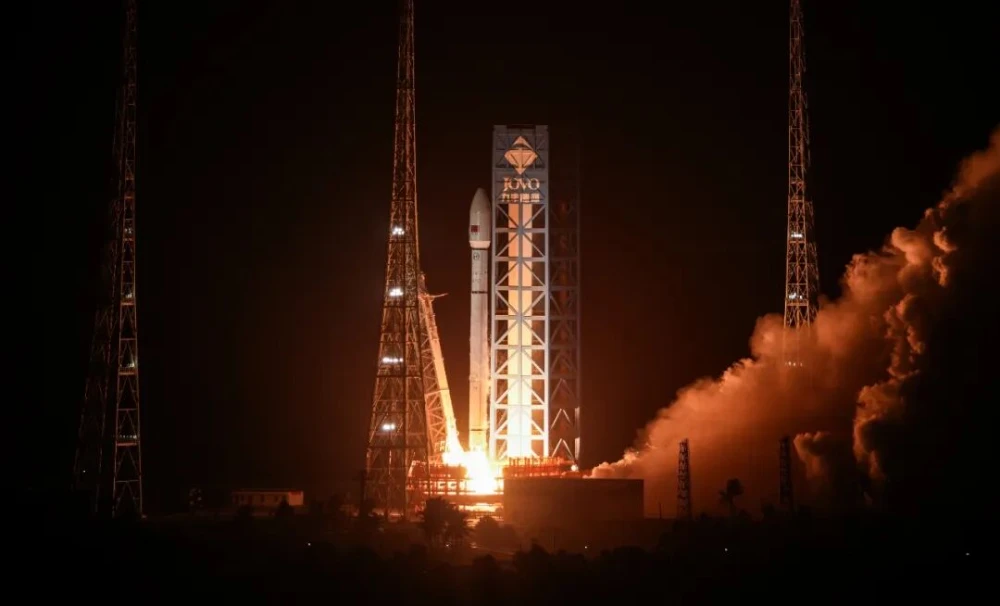
China Launches Satellite Internet Low-Orbit Group 29 on Long March 12 (Video)
China launched Satellite Internet Low-Orbit Group 29 aboard a Long March 12 rocket at 4:24 a.m. Beijing time on November 9, or 20:24 UTC on November 8, from the Hainan Commercial Space Launch Site near Wenchang. The satellites entered their planned orbit, continuing the rapid deployment of the country’s low-Earth-orbit communications infrastructure. “Group 29” is…
-
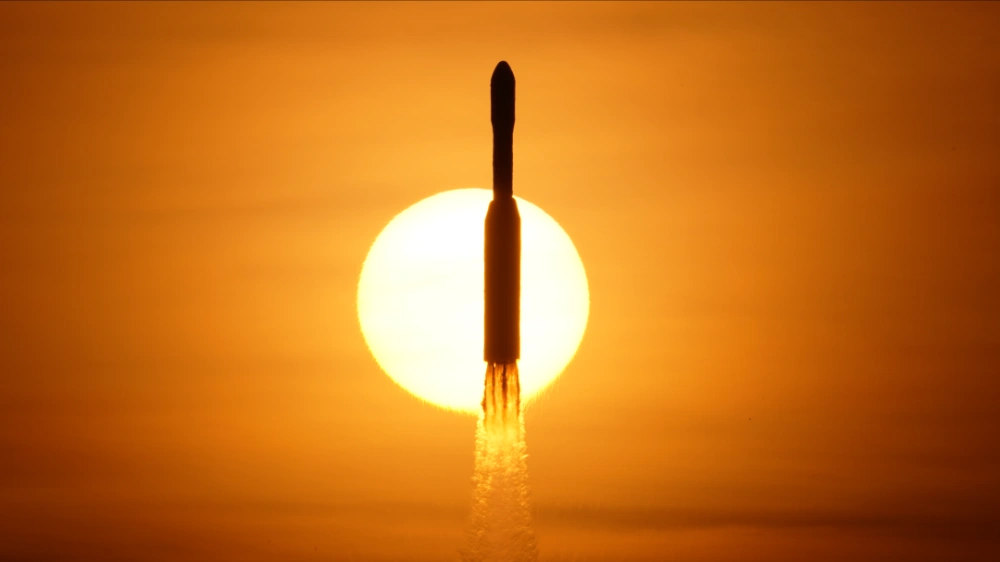
China’s Lijian-2 Launches 18 Qianfan Satellites on Second Flight (Video)
China launched the Lijian-2 Y2 carrier rocket at 8:15 a.m. Beijing Time on November 3, 2026, from the Dongfeng Commercial Aerospace Innovation Testing Area. The liquid-fueled rocket placed 18 Qianfan Polar Group 21 satellites into their planned orbit, completing the vehicle’s second flight and its first large-scale satellite internet deployment mission. The mission added another…
-
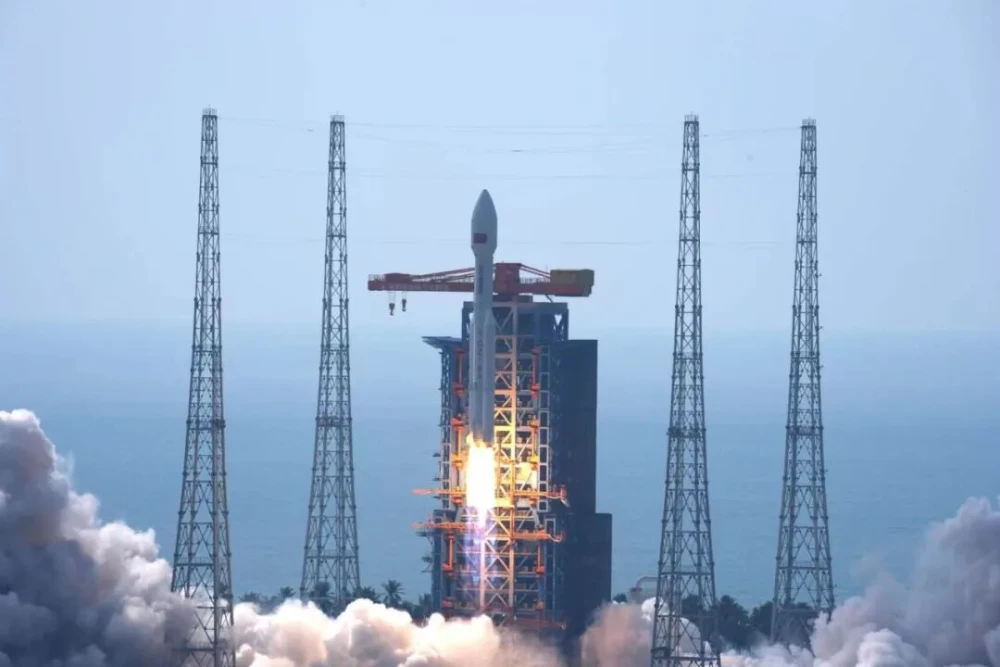
Long March 8A Launches 28th Group of Low-Earth-Orbit Internet Satellites (Video)
A Long March 8A carrier rocket lifted off from the Hainan Commercial Space Launch Site at 10:03 a.m. Beijing Time on Oct. 25, 2026, placing China’s 28th group of low-Earth-orbit internet satellites into their designated orbit. The mission continued the country’s accelerated satellite-internet deployment campaign. The spacecraft were developed by the China Academy of Space…
-
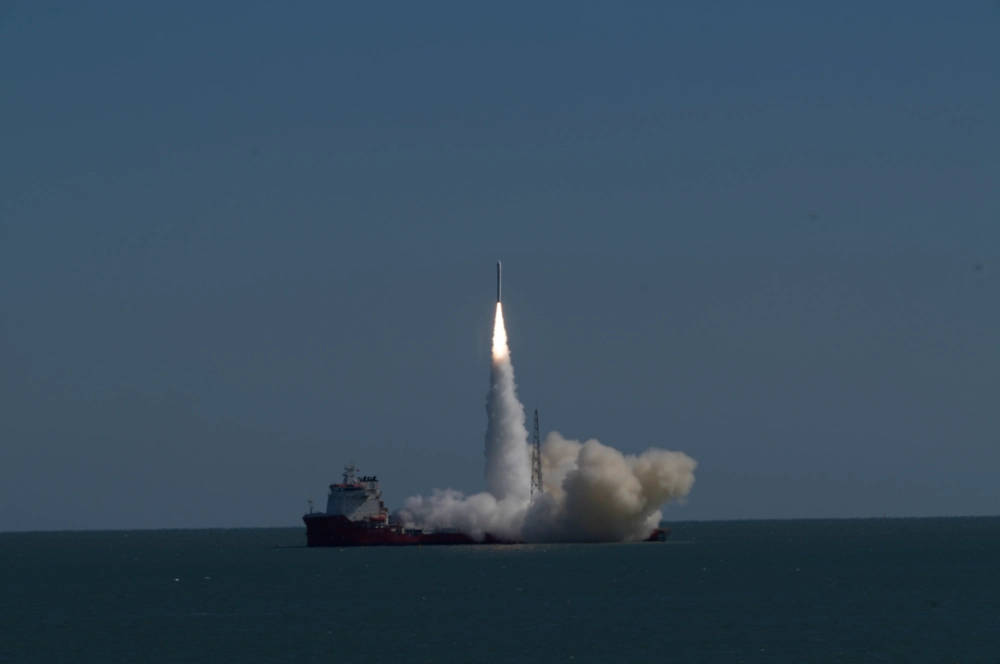
China’s Ceres-1S Launches First Wuyang Constellation Satellite From Sea (Video)
China launched the first satellite of its domestically developed Wuyang low-inclination remote-sensing constellation at 11:39 a.m. Beijing time on Oct. 21, 2026. The spacecraft, Xiguang-4 01, lifted off aboard a Ceres-1S Y8 rocket from a mobile platform in the Yellow Sea off Rizhao, Shandong province, and entered a 541-kilometer low Earth orbit. The mission marks…
-
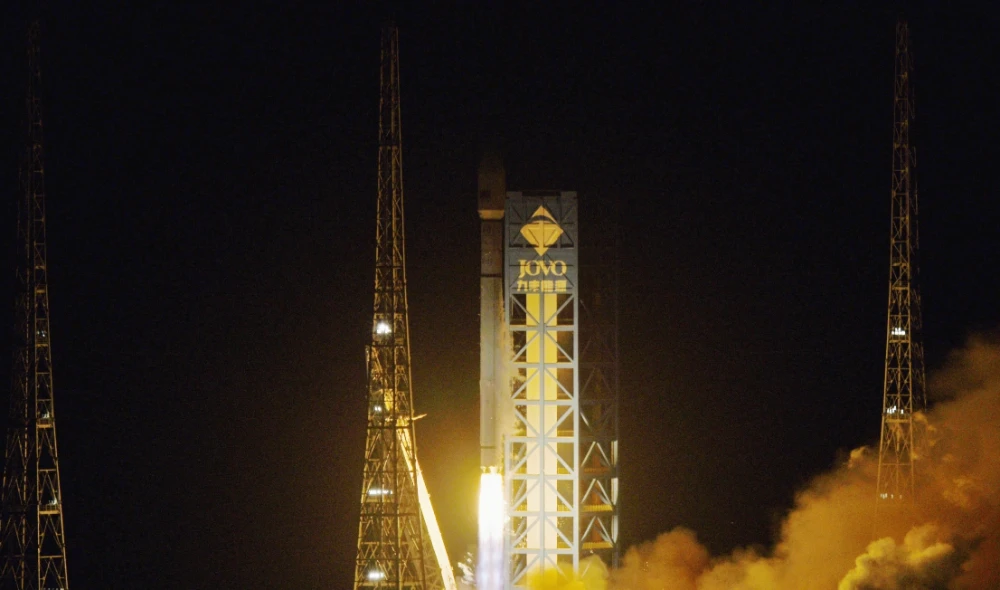
Long March 12 Launches China’s 27th LEO Internet Satellite Group
At 3:27 a.m. on October 10, 2026, China successfully launched the 27th group of low-Earth orbit internet satellites aboard a Long March 12 carrier rocket from the Hainan Commercial Space Launch Site. The satellites entered their designated orbit, continuing the phased deployment of China’s satellite internet system and marking the 671st mission of the Long…
-

China’s Satellite Internet System Enables First Arctic-to-Antarctic Video Call
China used its domestically developed GW satellite internet system to complete its first real-time video call spanning the Arctic and Antarctica on September 25 during the country’s 16th Arctic Ocean scientific expedition. The call connected the research vessels Xuelong, Jidi and Tansuo-3 with China’s Qinling Station in Antarctica, with reported video delay of no more…
-

China Sets 2030 Targets for Next-Generation Communications and Low-Earth-Orbit Satellite Internet
China will accelerate construction of low-Earth-orbit satellite internet systems and integrate satellite networks more closely with terrestrial communications infrastructure under its 15th Five-Year Plan, including the development of direct-to-device satellite services and satellite Internet of Things applications. The space-based network will form part of a wider program to establish a high-performance national communications system by…
-
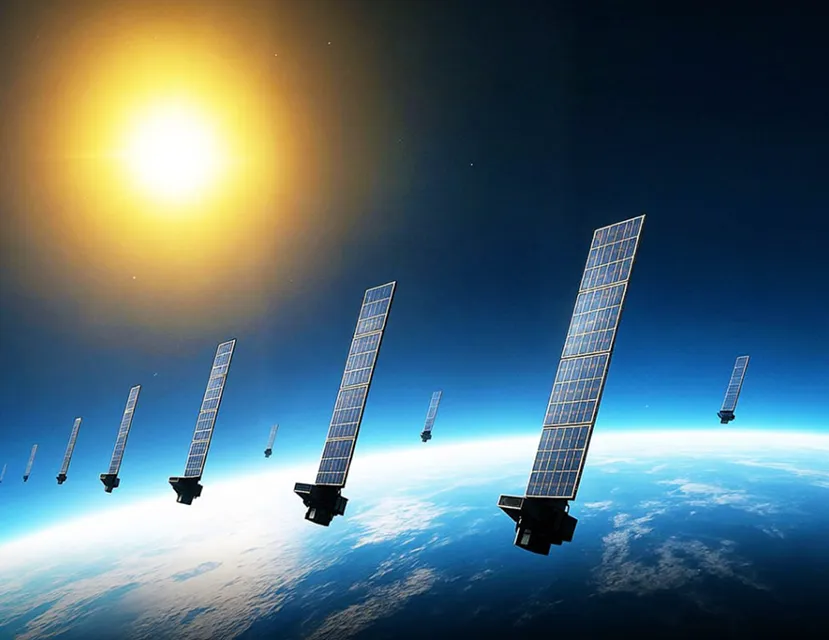
Elon Musk Says Starlink Could Carry Most Global Internet Traffic Within a Decade
SpaceX Chief Executive Elon Musk said on September 23, 2026, that Starlink could carry the majority of global internet traffic within ten years, an ambitious forecast tied to the deployment of higher-capacity Starlink V3 satellites and proposed Starmind spacecraft combining broadband connectivity with orbital computing. The projection would represent a fundamental change in internet infrastructure.…
-
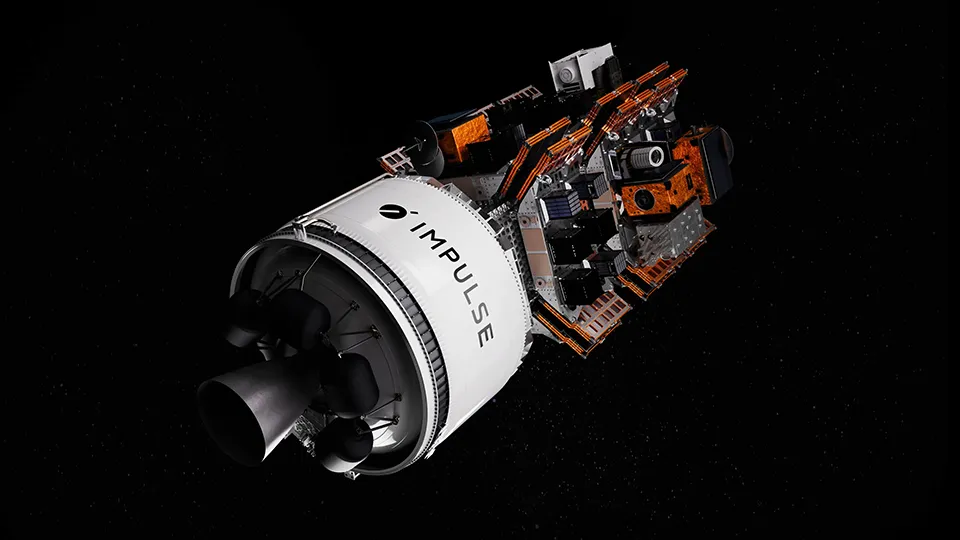
Impulse Space Wins $28 Million Space Force Contract for LEO-Based GEO Surveillance Mission
Impulse Space has received a $28 million U.S. Space Force contract to provide a maneuverable Mira spacecraft for a space domain awareness mission scheduled to launch no earlier than 2029. The spacecraft will operate in low Earth orbit while carrying an optical sensor designed to track and characterize objects in geostationary orbit. A government-provided launch…
-
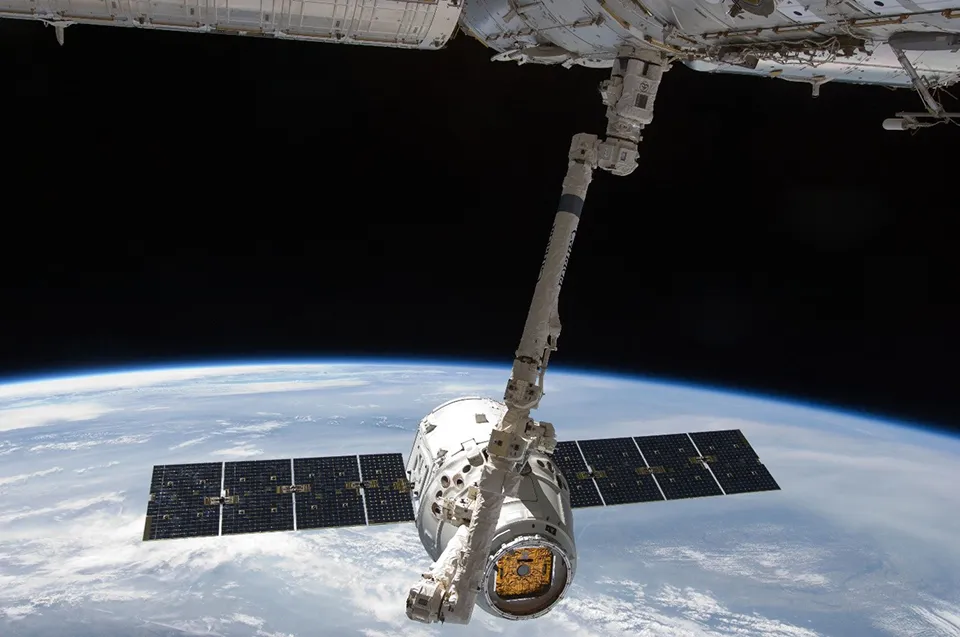
DMU41 IMU Recovers From Proton Strikes and Withstands 30 kRad Radiation Test
Silicon Sensing said on September 23 that eight DMU41 inertial measurement units returned to normal operation after single-event effects testing with protons at energies from 50 to 200 MeV, while separate total ionizing dose trials exposed the units to as much as 30 kRad(Si). Post-test acceptance procedures found no significant performance drift, providing satellite developers…