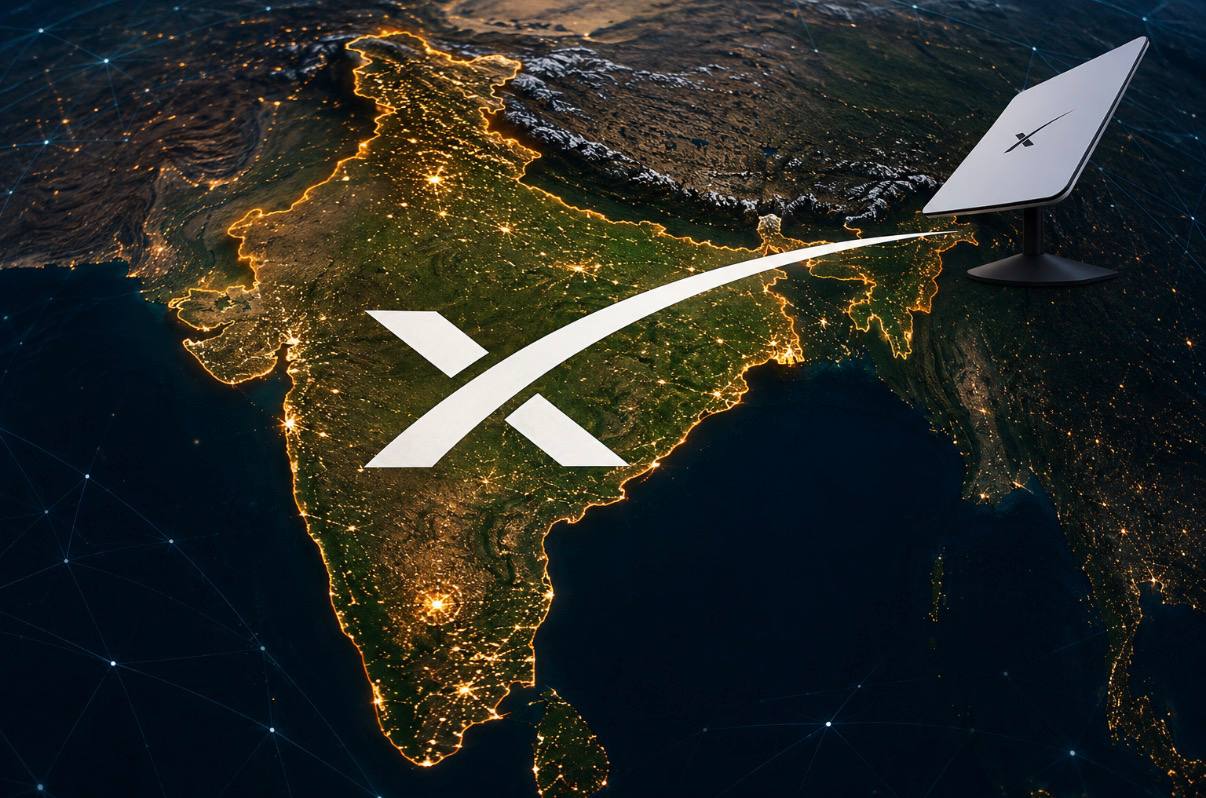
India’s government has expressed concern that Starlink’s ground terminals lack adequate controls to prevent misuse by combatants in ongoing conflicts, particularly their deployment in the Iran war. These terminals are portable, difficult to track, and have proven valuable for real-time communications by various actors operating outside traditional military command structures. Indian officials worry that allowing commercial Starlink service could create similar vulnerabilities within Indian territory or enable surveillance and coordination capabilities that hostile actors could exploit.
The approval freeze represents a significant setback for Starlink’s international strategy. India has more than 800 million people living in rural and underserved areas without reliable broadband access, making it among the most valuable untapped markets for satellite internet globally. SpaceX has positioned Starlink as a tool for bridging the digital divide in developing nations, and India’s size and growth trajectory have made it central to the company’s long-term revenue projections. The regulatory uncertainty adds another layer of complexity to SpaceX’s IPO timing, which analysts have tied to demonstrating sustainable global growth potential.
The hold reflects a broader shift in how governments view satellite internet infrastructure. As Starlink terminals proliferated during conflicts in Ukraine and the Middle East, national security officials worldwide have begun questioning whether distributed satellite networks can be adequately controlled once deployed. Unlike traditional telecommunications infrastructure, which governments can regulate through centralized network operators, satellite internet service providers offer point-to-point connectivity that bypasses conventional oversight mechanisms. India’s decision signals that countries are no longer willing to treat satellite internet as a purely commercial matter separate from national defense considerations.
SpaceX has not publicly disclosed details about India’s approval status, but sources familiar with government discussions confirm the freeze remains in place. The company has been working with Indian partners to establish ground infrastructure and obtain necessary licenses, but those efforts have stalled at the final commercial authorization stage. Indian officials have indicated the freeze could be lifted if SpaceX implements stronger terminal registration and tracking systems, though no formal requirements have been published.
The implications extend beyond India. If major markets begin conditioning Starlink access on security measures that the company finds operationally or economically impractical, the global satellite internet network could fragment into regional systems with different technical standards and regulatory frameworks. This outcome would undermine the fundamental business case for Starlink, which depends on operating as a seamless worldwide service.
Watch for whether SpaceX offers India formal proposals on terminal control measures in coming months. India’s government has indicated willingness to reconsider if the company presents credible security solutions, making this the first test case for how satellite operators might adapt their global infrastructure to national security demands.