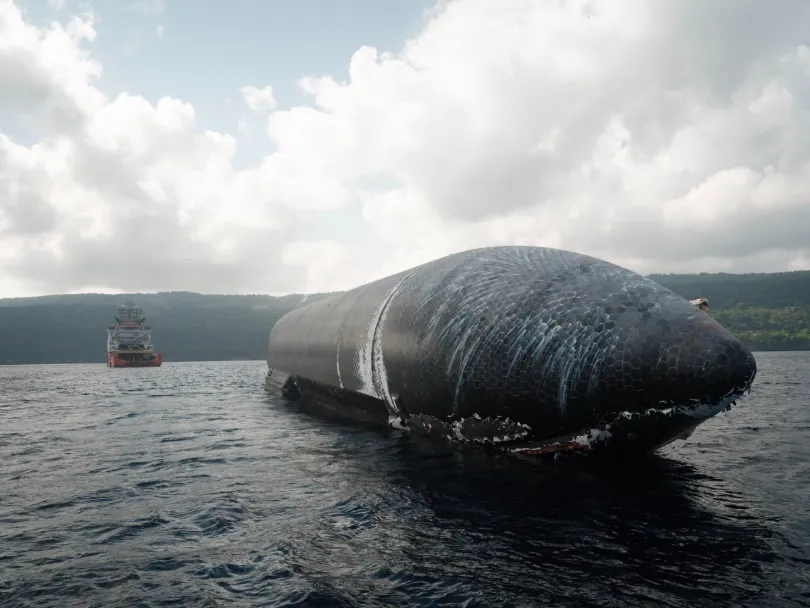
The recovery was not originally part of the plan. Ship 40 outperformed expectations as it re-entered the atmosphere and splashed down in the Indian Ocean. On July 29, Elon Musk announced on X that a ship had been dispatched to retrieve the vehicle, and space enthusiasts have tracked its progress ever since.
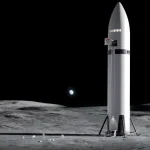
Ship 40 is a prototype of the reusable rockets SpaceX is developing. Earlier this month, the company said its team was still working to recover the vehicle from the ocean. “They’ve been overcoming challenging conditions and increasingly rough seas as they attempt to guide the 52m-long spacecraft to port,” SpaceX said on X.
With the rocket now at Christmas Island, a 500 metre exclusion zone has been established around it and the support vessels. It remains unclear where the rocket will go next and how it will get there. The recovery vessels have been towing it at one knot, a speed at which reaching the United States would take more than a year.
The arrival has become the focus of attention in the small island community. David Watchorn, owner of a local dive store, took his boat out to photograph the spacecraft bobbing about a kilometre from shore. “It’s been pretty exciting, everyone’s headed down to the cliff edge to take photos,” he said. Watchorn, who also chairs the Christmas Island Tourism Association, said the rocket bobbed roughly a kilometre offshore as residents gathered along the cliff edge to watch.
Watchorn said he hopes the rocket’s arrival will raise the international profile of the remote island and give it a place in the history of space travel. “It’s definitely a different kind of arrival, it’s a great one and probably puts us on a world stage,” he said. “This rocket will be in a museum in 100 years time and everyone will look at it, this is the test flight of something quite revolutionary.”
It is not yet clear where Ship 40 will be taken next or how it will be moved there given the slow tow speed recorded so far.