
Tag: SpaceX
-
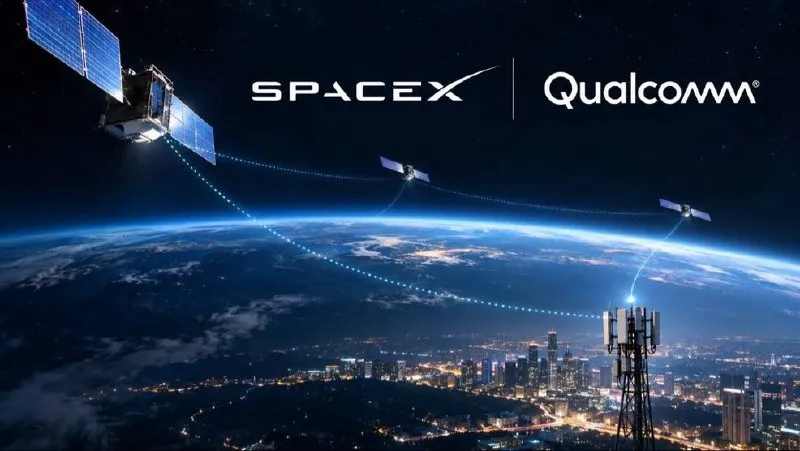
SpaceX and Qualcomm Partner to Build Nationwide Starlink Mobile 5G Network
The partnership is part of SpaceX’s push to make Starlink Mobile a major carrier in the US, competing directly with T-Mobile, AT&T, and Verizon. The company has already acquired a swath of spectrum, and recent reports suggested SpaceX was exploring an acquisition of Boost Mobile. SpaceX plans to use Qualcomm’s Dragonwing Cellular Infrastructure, a platform…
-
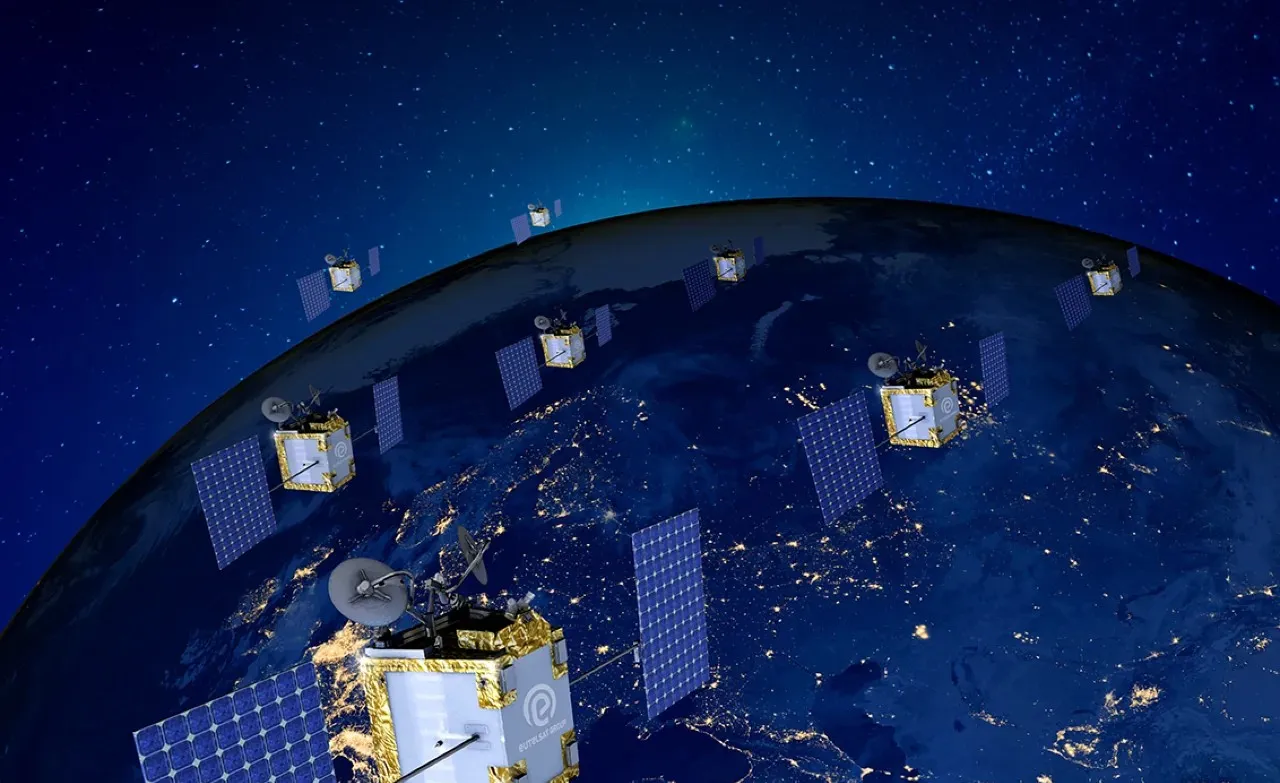
The Satellite Spectrum Race: Why Filing First Matters
Behind the ambitions for computing in space lies a less visible contest: access to radio frequencies and the regulatory standing needed to use them. A central record in that contest is the Master International Frequency Register (MIFR). Yet the satellite systems described in regulatory filings can be far larger than the constellations actually operating overhead.…
-
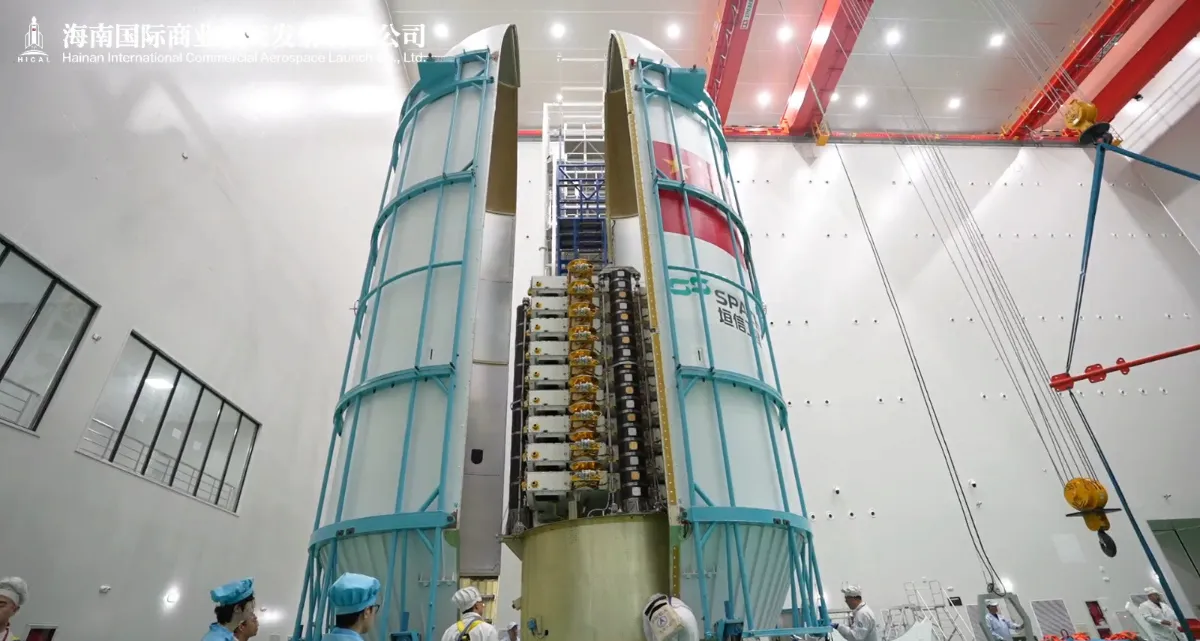
Shanghai Targets 3,000 Satellites by 2030 as SpaceX Pursues Million-Satellite AI Network
Shanghai is putting space-based computing on its industrial policy agenda, targeting more than 3,000 satellites in orbit and a satellite internet core industry worth over RMB 80 billion by 2030. Separately, the Xingshu project has outlined plans for a 1,000-satellite computing network by 2032. A Roadmap for Satellite Internet and Space-Based Computing The 2026 Satellite…
-
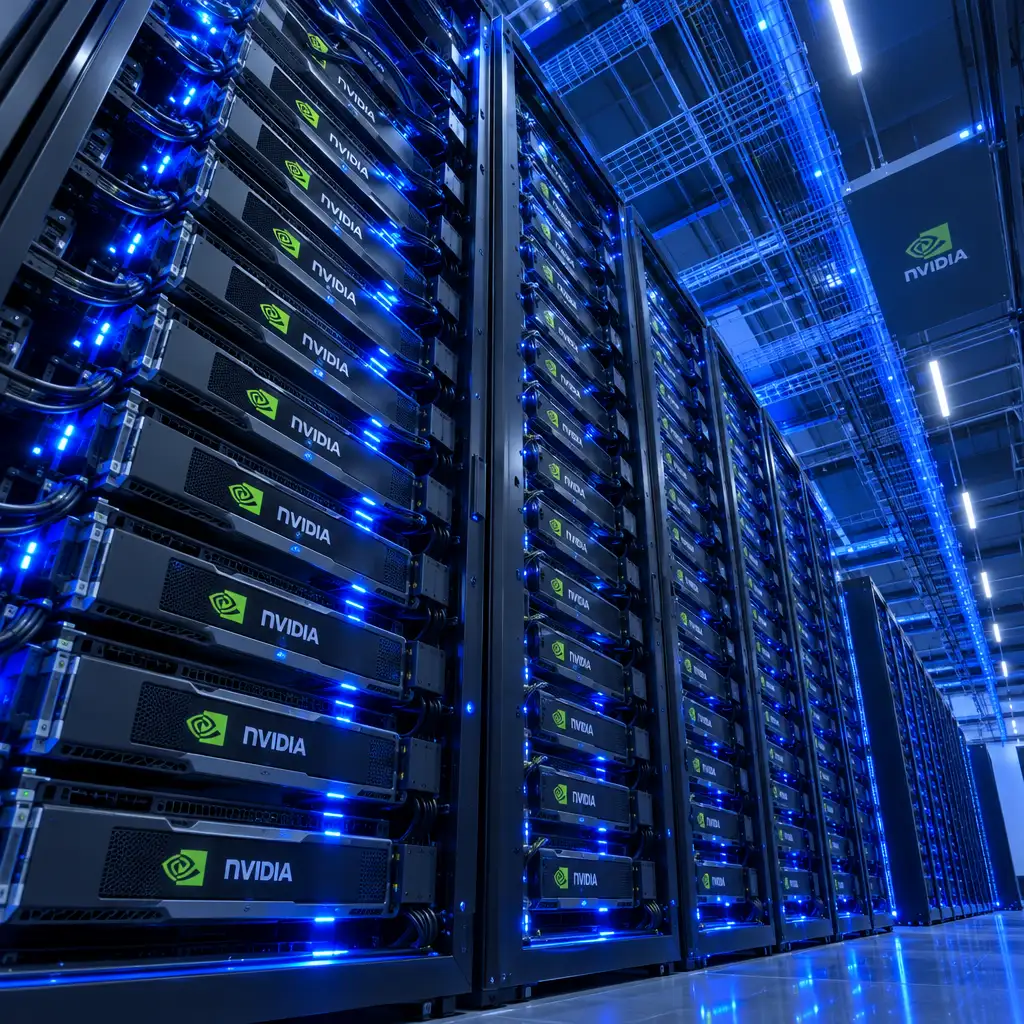
SpaceX Closes $40 Billion Debt Deal to Buy AI Chips
Musk said SpaceX is investment grade and generates revenue from its Starlink satellite internet and rocket launch businesses. In a follow-up post, he said the financing consisted primarily of callable debt for graphics processing units. SpaceX had previously been reported to be seeking $40 billion to buy Nvidia chips, with market turmoil complicating the financing…
-
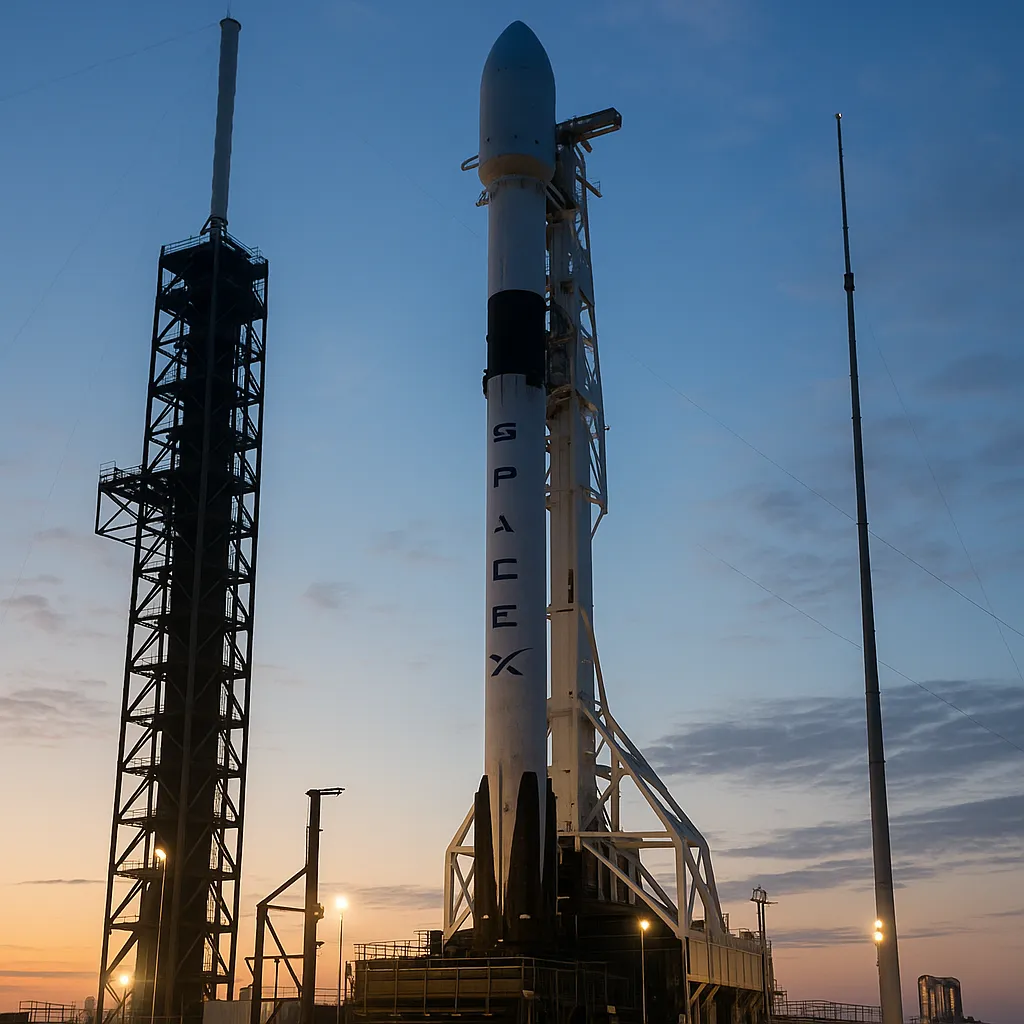
Space Force Shifts Six National Security Launches to SpaceX as Vulcan Stays Grounded
Vulcan has been grounded since February 12, 2026, when a solid rocket booster anomaly occurred during the USSF-87 mission. The rocket reached orbit, but one of its Northrop Grumman GEM 63XL boosters suffered a visible nozzle failure shortly after liftoff, prompting a comprehensive technical review. Because this was the second nozzle-related irregularity in four flights,…
-
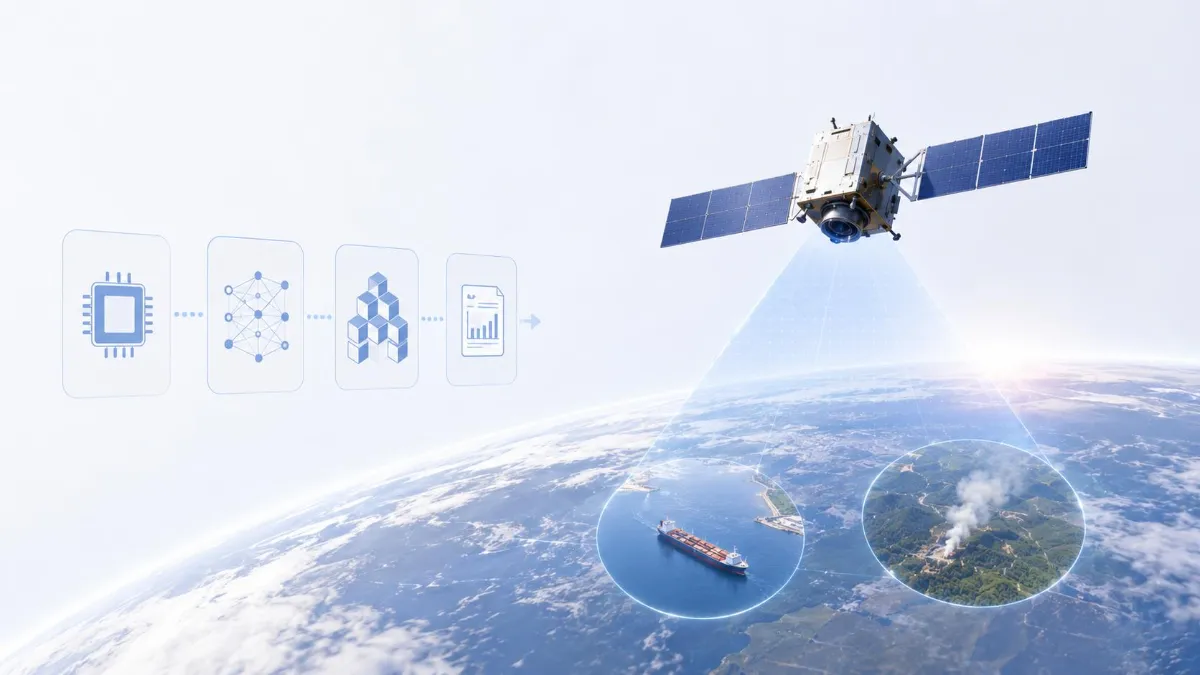
From Sending Data to Delivering Answers: How AI Lets Satellites Process Observations in Orbit
A wildfire breaks out, and a satellite hundreds of kilometers above Earth captures a clear view of the blaze. Under the conventional workflow, the imagery must wait for a ground-station contact window, be downloaded and processed at a data center, and finally reach the incident commander. That process can take days. By then, the fire…
-
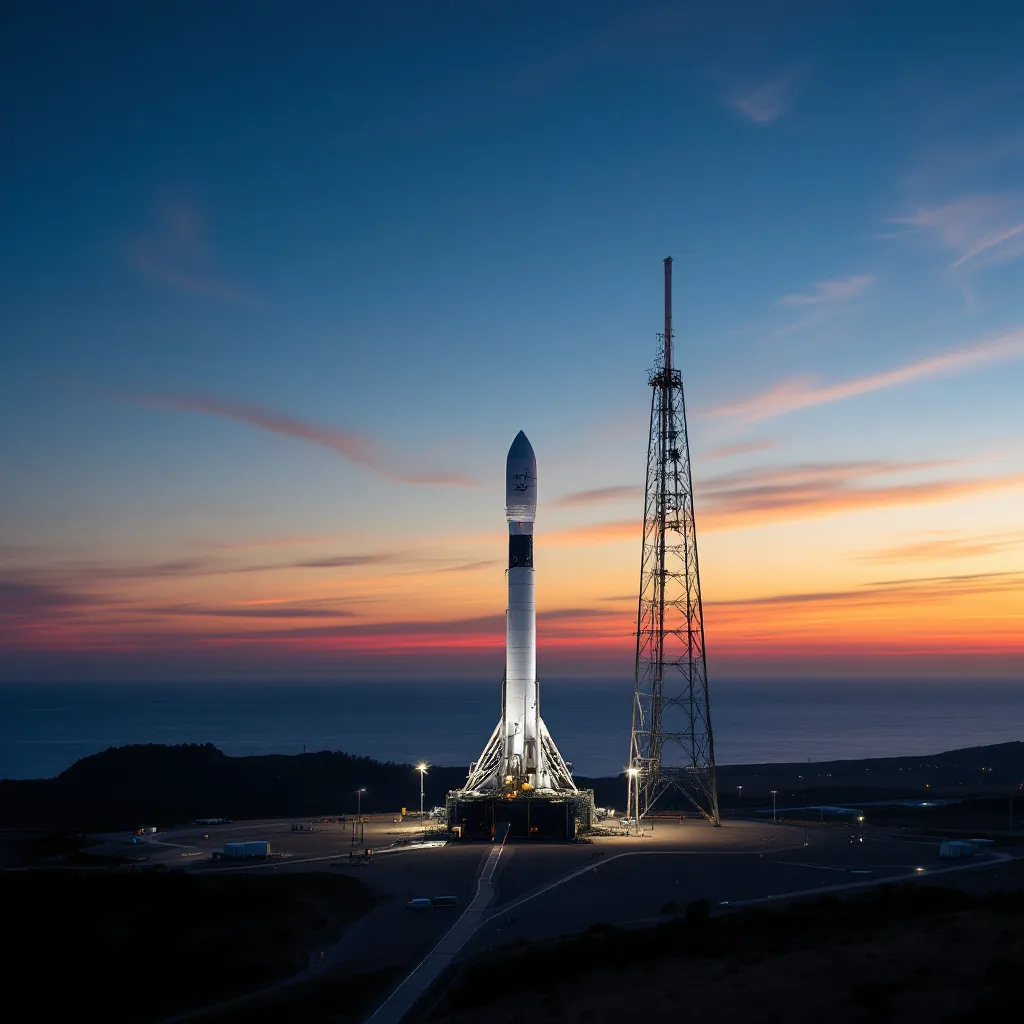
SpaceX Set to Launch Classified USSF-481 Mission From Vandenberg
The mission will deliver undisclosed payloads to an undisclosed location in orbit. SpaceX is not expected to provide additional details during its webcast, which is anticipated to begin about 10 minutes before launch and likely end shortly after the first stage lands. The Falcon 9 is scheduled to lift off during a four-hour window that…
-
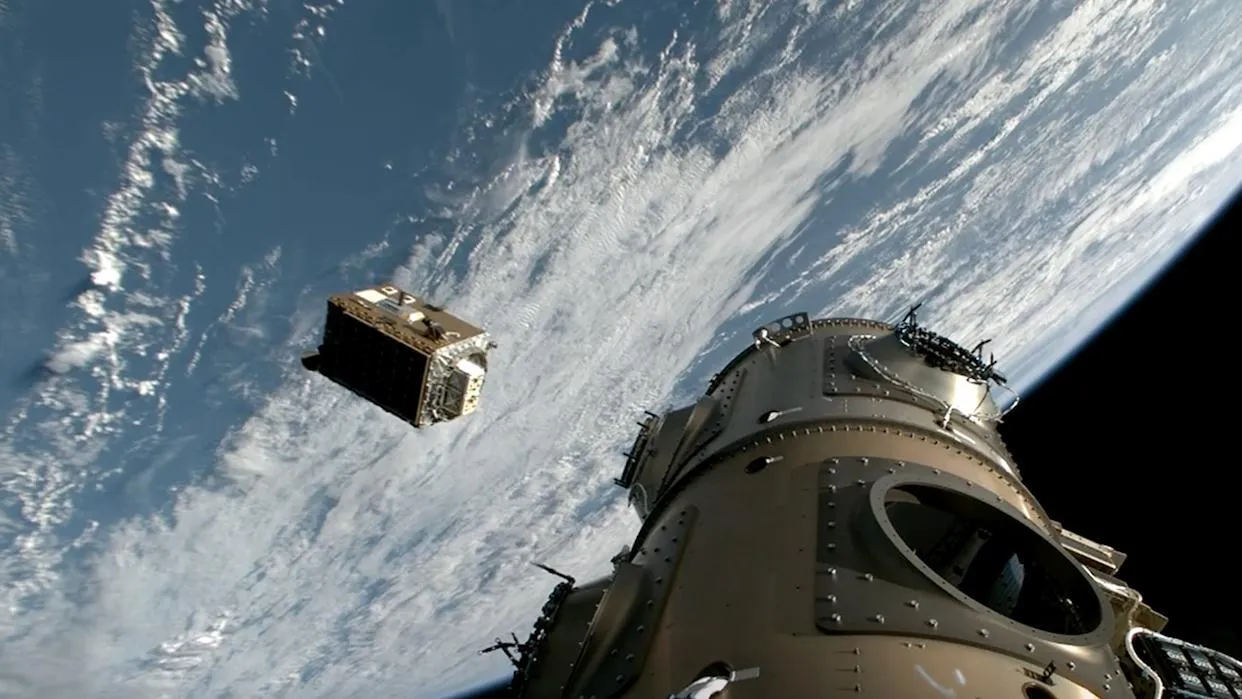
Orbital Data Centers: What’s Proven, What’s Still a Promise
Orbital data centers have attracted sweeping claims, but the flight evidence remains limited. Three programs help separate demonstrated capabilities from future ambitions: Starcloud’s H100 satellite and rapidly rising valuation, SpaceX’s AI1 satellite concept, and HPE’s Spaceborne Computer, which has flown to the International Space Station on three missions. Here is where the evidence stands as…
-
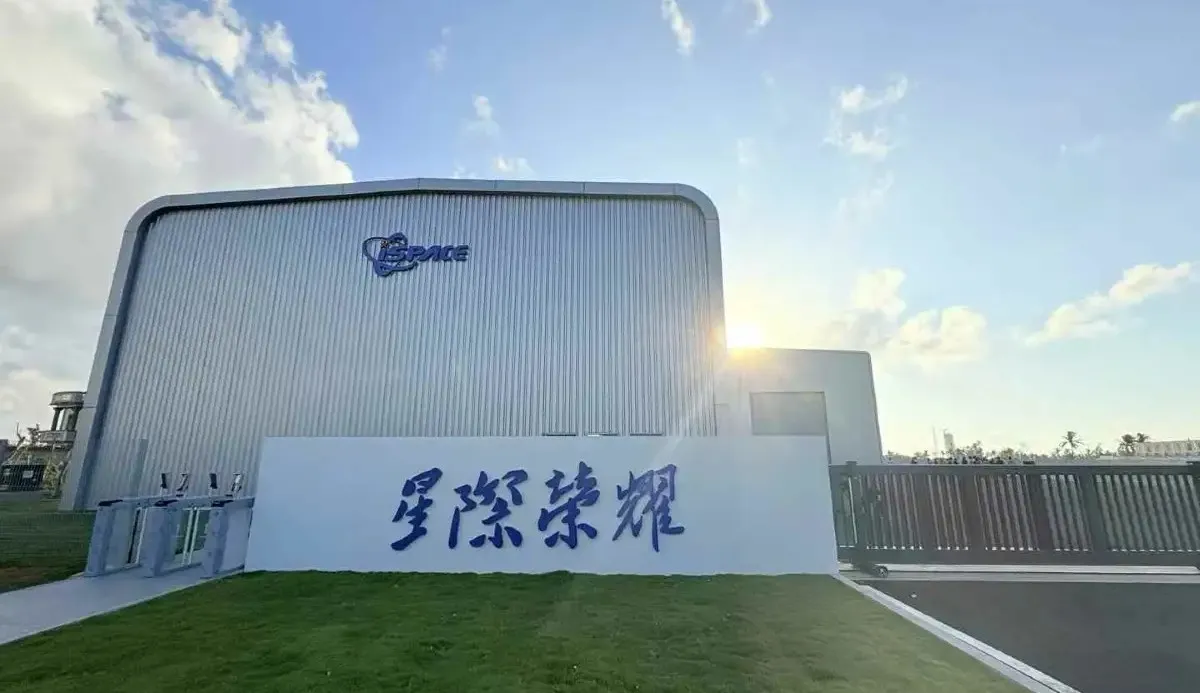
iSpace Begins Preliminary Studies for 100-Tonne-Class Heavy-Lift Rocket
Chinese private launch company iSpace has announced the start of preliminary studies for its Hyperbola-9 (SQX-9) heavy-lift rocket. The proposed vehicle targets a payload capacity in the 100-tonne class to low Earth orbit (LEO), with a first stage powered by 33 liquid oxygen–methane engines, each in the 300-tonne-thrust class. It is intended to support crewed…
-
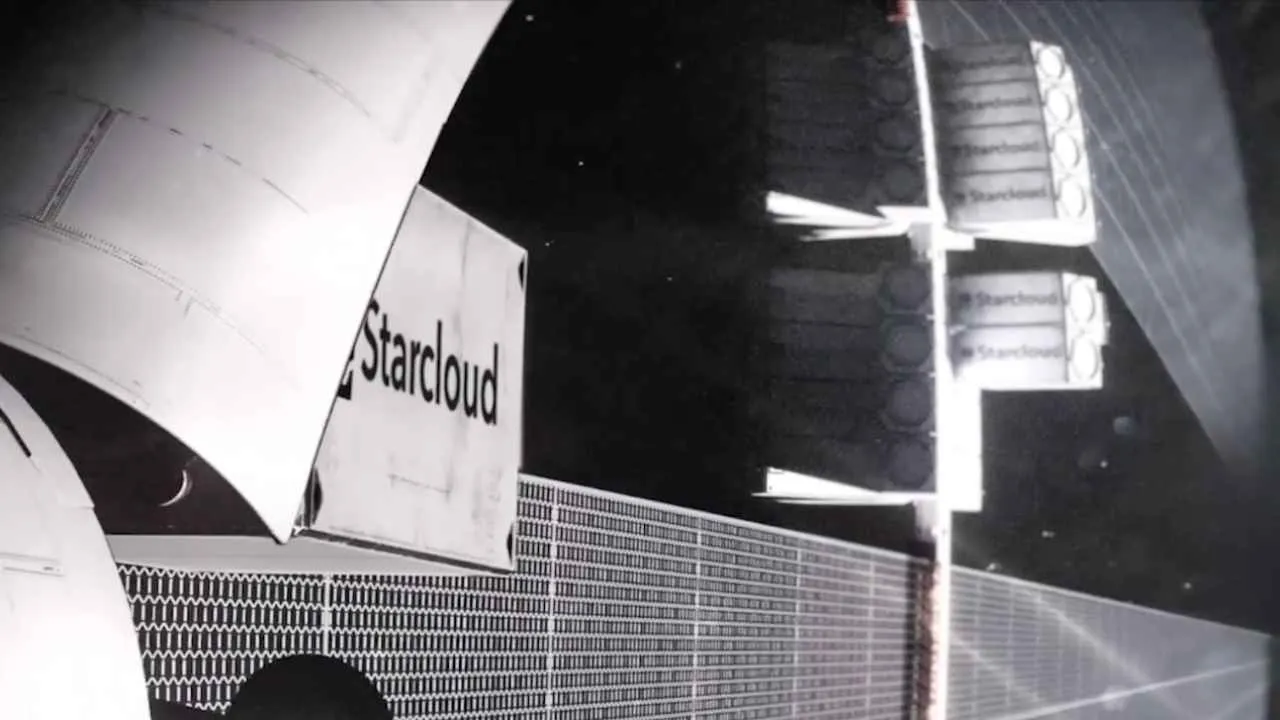
From Server Racks to Constellation-Scale Computing Networks
Launch costs and heat rejection are two of the biggest expenses facing orbital data centers. At the engineering level, the challenge comes down to four interconnected questions: how to power an orbital server rack, remove its waste heat, keep it operating through faults, and schedule workloads when that rack becomes a network of 100 or…