The shift marks a sharp reversal within a single year. “At the beginning of the year there was no talk of cislunar, and basically I was told: ‘Don’t talk about cislunar and stop getting into it.’ At the end of the year here, and we’re not even at the end, I’ve got the secretary of war and the chairman of the Joint Chiefs full on stating in public, ‘This is a warfighting domain’,” said Maj. Gen. Stephen Purdy, Space Force portfolio acquisition executive for advanced programs, speaking Monday.
Senior defense officials increasingly frame cislunar space as a future battleground. Defense Secretary Pete Hegseth told an audience in Dayton, Ohio on Oct. 20 that “whoever controls subsea and cislunar is going to destroy and control the next fight.” Purdy, who reports to Air Force Secretary Troy Meink, told the annual Space Industry Days conference in Los Angeles that the reason for the urgency is simple: “China is moving out in this area. We have traditionally not.”
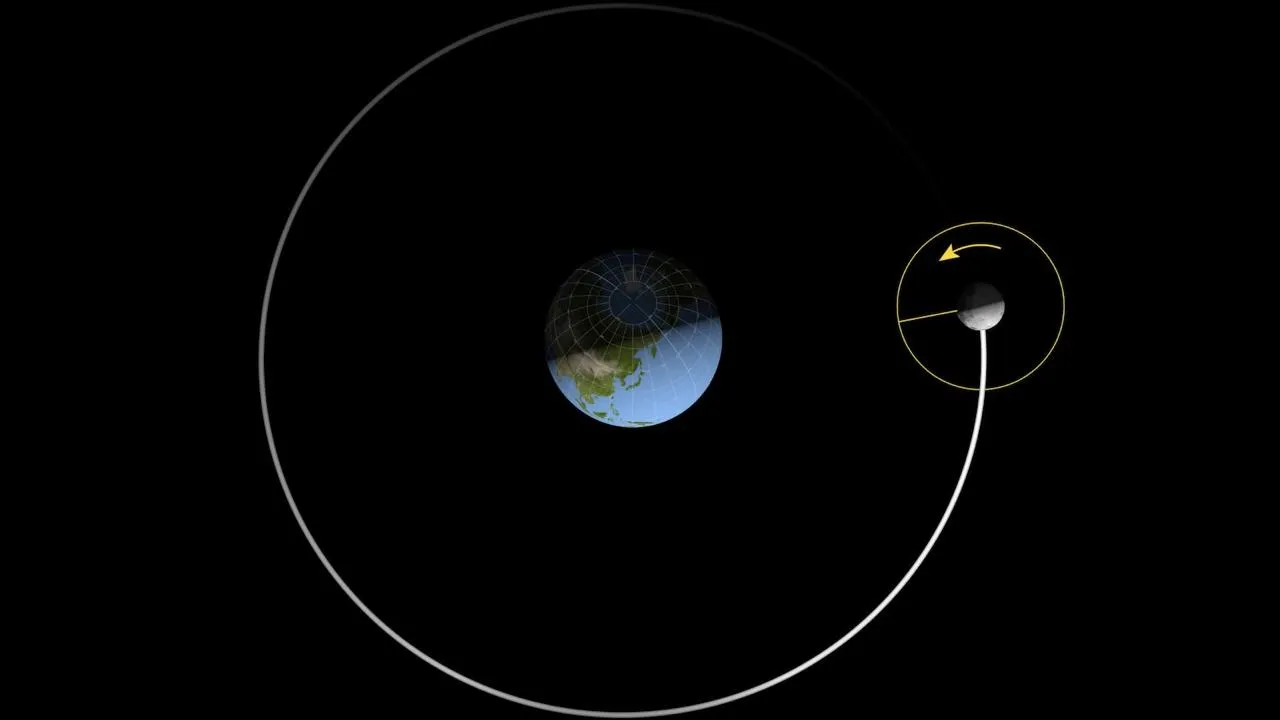
Purdy pointed to China’s recent launch of 30 Cubesats into a highly elliptical orbit near an Earth-Moon Lagrange point and circular lunar orbit, reported in September by the People’s Daily. The first RFI, expected soon, will seek commercial technology ready for use in foundational cislunar missions, including space domain awareness and positioning, navigation and timing. “We want rapid deliverable capability. I’m not going to pay you R&D funds for this stuff,” Purdy said. “We’re looking for existing commercial or near-commercial means, non-development solutions, hardware with actual relative relevant evidence behind it.” The second RFI, expected alongside or shortly after the first, will seek artificial intelligence software that lets spacecraft operate autonomously in the region between Earth and the Moon. “Cislunar is a really painful space,” he explained, noting spacecraft must detect and manage hardware failures, process sensor data and adjust missions as conditions change.
The Office of the Secretary of Defense is launching a series of interagency policy working groups on cislunar issues, and the Space Force is working closely with NASA to coordinate infrastructure plans. “We’re actually attempting to build a unified architecture across the government,” Purdy said. His office’s Cislunar Coordination Office, established in May, is tasked with giving industry a clearer signal of the military’s needs, refining a nascent cislunar roadmap covering lunar time, space domain awareness and communications, and has created a prioritized list of emergency unfunded requirements.
Purdy said the shift gives direction to research organizations including the Air Force Research Laboratory, SpaceWERX and DARPA, which had been experimenting with cislunar technologies in isolation. He described the funding situation as severe, noting that “a couple $100K could solve a lot of problems” for operators on the ground. He did not disclose the total funding needed or detail the specific requirements on the list.
Industry should watch for the two forthcoming RFIs, the output of the new interagency policy working groups, and the Space Force’s fiscal 2029 fielding target for cislunar capabilities.