
Tag: Space Domain Awareness
-

Impulse Space Wins $28 Million Space Force Contract for LEO-Based GEO Surveillance Mission
Impulse Space has received a $28 million U.S. Space Force contract to provide a maneuverable Mira spacecraft for a space domain awareness mission scheduled to launch no earlier than 2029. The spacecraft will operate in low Earth orbit while carrying an optical sensor designed to track and characterize objects in geostationary orbit. A government-provided launch…
-

Space Force Plans Fall Prototype to Fuse Commercial and Military Orbital Tracking Data
The U.S. Space Force plans to launch a prototype software environment later this fall that will automate the integration of commercial and military space-tracking data. Led by Mission Delta 2, the effort is intended to provide faster indications of new satellite deployments, debris clouds and potentially threatening activity without disrupting the service’s high-accuracy collision-avoidance systems.…
-

U.S. Space Force Selects Lake Kickapoo, Texas, for Final DARC Radar Site
The U.S. Space Force selected a remote location near Lake Kickapoo in northern Texas on September 9 as the preferred site for the third Deep-space Advanced Radar Capability installation, completing the planned geographic footprint of a three-nation radar network designed to provide persistent surveillance of objects in geosynchronous orbit. DARC is a next-generation ground-based space…
-

U.S. Space Command Conducts First Multi-Orbit Dynamic Satellite Maneuver Exercise
U.S. Space Command has completed its first exercise dedicated to dynamically maneuvering operational spacecraft across low Earth orbit, medium Earth orbit and geosynchronous orbit, testing how military satellites in multiple orbital regimes could be repositioned as part of a coordinated operation. The exercise used actual spacecraft rather than relying solely on simulations. U.S. Space Command…
-

UK Launches £7.8 Billion Space Strategy Focused on Defence and Resilient Satellite Communications
The UK government launched a new national space strategy on September 8, bringing £7.8 billion in planned investment through 2030 under a single framework covering economic growth, defence and national security. The plan prioritises military space capabilities and calls for a resilient, integrated national satellite communications system to support government and defence operations. The strategy…
-
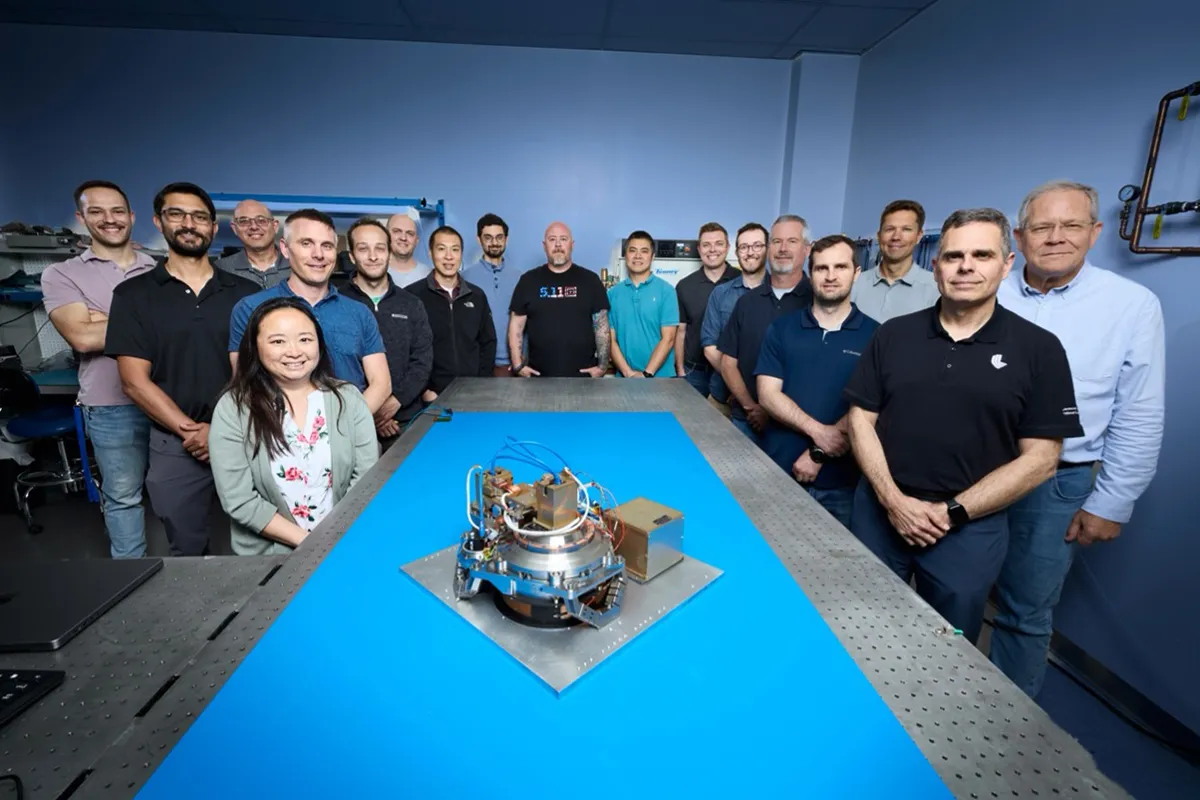
LLNL Telescope Enables Rocket Lab Spacecraft to Track Satellite in Space Force’s Victus Haze Exercise
A Rocket Lab spacecraft used a monolithic telescope and onboard navigation software developed by Lawrence Livermore National Laboratory to acquire and track another satellite during the U.S. Space Force’s Victus Haze exercise, demonstrating how quickly an inspection spacecraft can be launched, commissioned and directed toward an object already in orbit. The exercise tested more than…
-
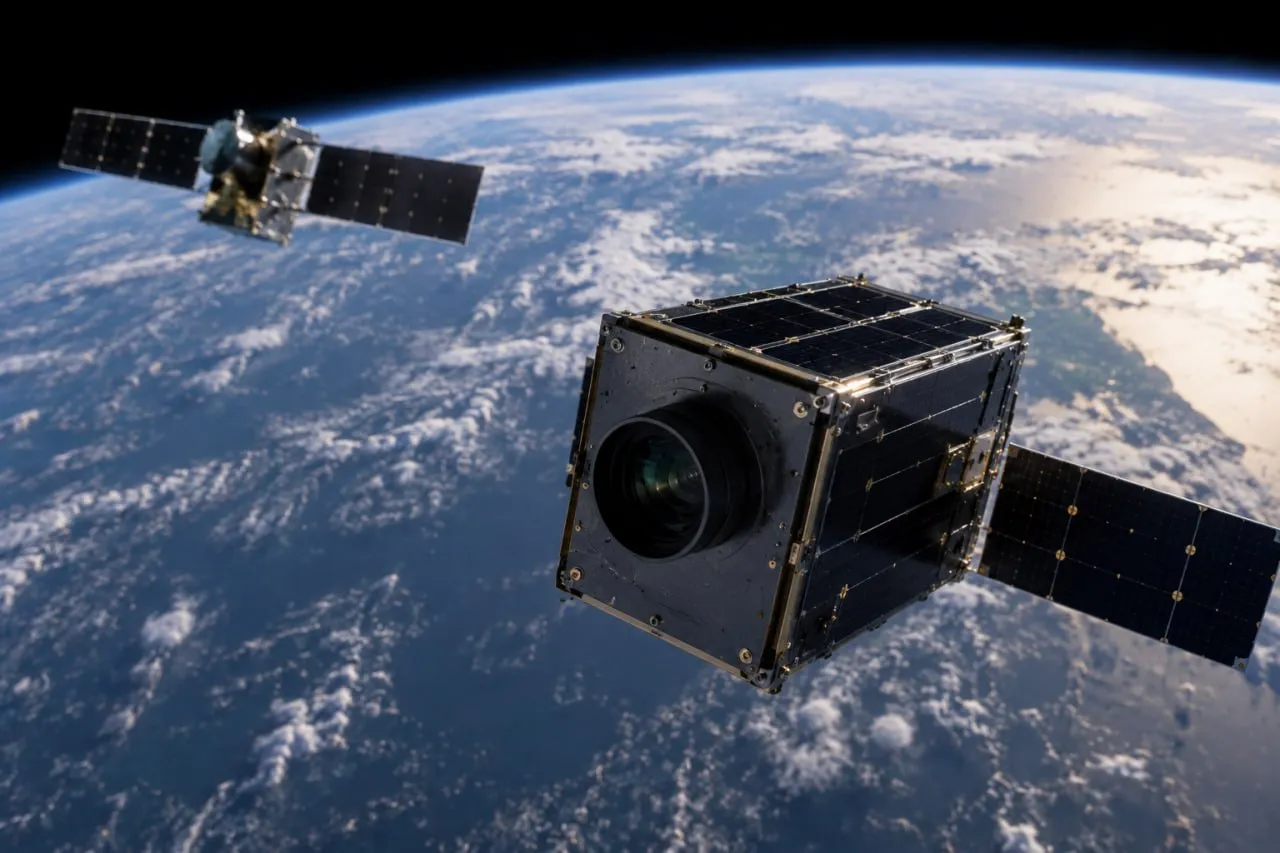
Lockheed Martin Ventures Backs Diffraqtion as Quantum Imaging Startup Tops $10 Million
Diffraqtion has secured strategic investments from Lockheed Martin Ventures and Presidio Ventures, the venture arm of Sumitomo Corporation, bringing the quantum imaging startup’s total funding to more than $10 million. Announced on August 31, 2026, the financing will support development of Diffraqtion’s first fielded camera and a planned hosted-payload mission intended to establish flight heritage.…
-
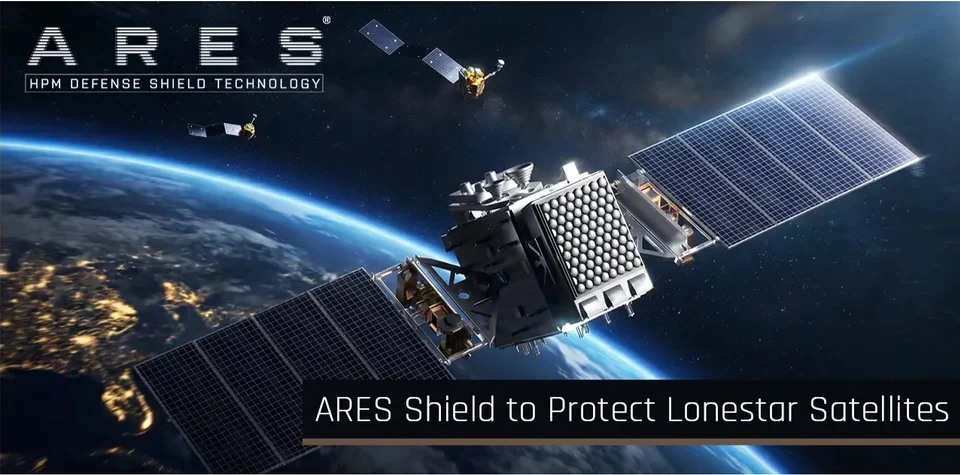
Ares Shield Wins Initial Contract to Protect Lonestar’s Orbital Data Center Satellites
Florida-based Lonestar Data Holdings has selected Polish space security startup Ares Shield to provide protective systems for satellites supporting the company’s emerging orbital data storage infrastructure, marking one of the first publicly disclosed commercial agreements focused specifically on active satellite protection for space-based data centers. Under the agreement, Ares Shield will initially equip three Lonestar…
-

Shijian-31 Sweeps GEO in an Orbit Never Seen Before
Is China’s Shijian-31 the First Satellite Designed to Surveil the Entire GEO Belt? A 50 meters-per-second retrograde burn at perigee is all that separates China’s Shijian-31 from passing directly through geostationary orbit (GEO) — the orbital band hosting the world’s most strategically valuable communications, missile warning, and intelligence satellites. Launched June 16, 2026 on a…
-

Russia Extends ISS Commitment to 2030 in Isaacman Deal
Will Russia Stay on ISS Until 2030? Bakanov Says Yes After Baikonur Talks Russia has formally committed to International Space Station operations through 2030 — closing a two-year gap in partner alignment that had persisted since other ISS partners locked in that date years ago. Roscosmos Director General Dmitry Bakanov made the commitment directly to…