
Author: starpathwp-production
-

Satellite Image Outputs and Their Applications
Colors are just how our eyes interpret light. Light is made of electromagnetic waves. When light shines on an object, some wavelengths are absorbed and others are reflected. The colors we’re able to see are just a small range of reflected wavelengths that can be perceived by our vision. They consist of a tiny visible…
-

James Webb telescope completes optical alignment, ready for final instrument calibration phase of commissioning
The James Webb Space Telescope (JWST) has entered a new phase of its commissioning process as NASA announces that the observatory has completed its mirror alignment and focusing process and is ready to move into the instrument calibration ahead of full science operations later this year. “These remarkable test images from a successfully aligned telescope…
-
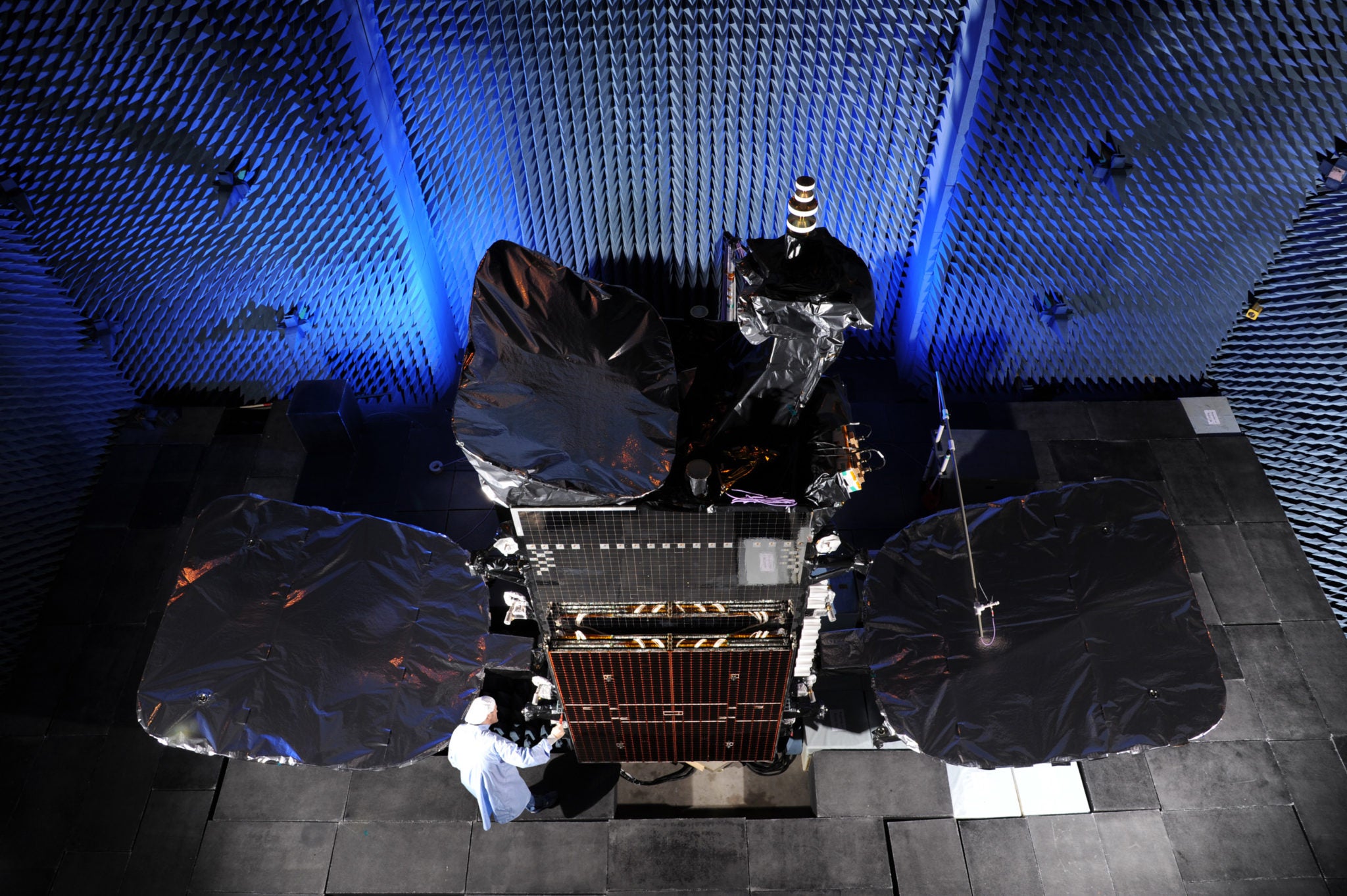
Azercosmos to Use Signalhorn Teleport to Provide Broadband in Africa
Azercosmos has formed a new partnership with teleport operator Signalhorn to boost its position in the African satellite market. The two companies announced April 27 that Azercosmos will provide broadband in Africa through Signalhorn’s Leuk teleport located in Switzerland using its C-band Azerspace-1 satellite. Azercosmos and Signalhorn will use iDirect technology to provide connectivity through…
-

The Quality of Service Challenge for NGSO Constellations
Until recently our industry thought that it could make money by connecting the unconnected. As a result, Non-Geostationary (NGSO) operators and startups have been struggling to find profits and diverted strategic plans from providing rural broadband to supporting government and military applications and connecting businesses and cruise ships. SES’ O3b and OneWeb are perfect examples…
-

What does real-time satellite data really look like?
Real-time satellite data is a trendy concept and a question that our customers sometimes ask. But real-time satellite data is not what you think it is. As with most high-quality feeds, limitations on data refresh come from transfer speeds and processing speeds. In best-case scenarios, it could take only a few minutes between data capture…
-
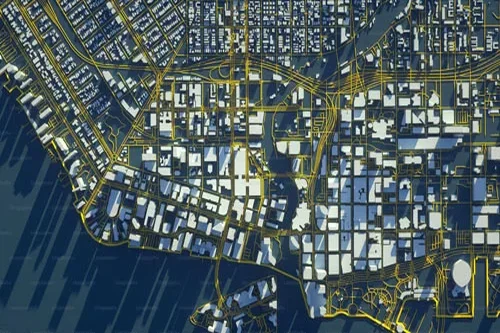
Understanding Orbits
Sun-synchronous low Earth orbits Understanding orbits is simpler than one might think. In the same way as consumer cameras, the closer you are to the object you want to capture, the more details you can see. Satellites in Low Earth Orbit (LEO) can capture images of high resolution because they are closer to the object…
-
Cosmonauts activate European Robotic Arm on 250th space station spacewalk
The European Robotic Arm during activation Thursday. Credit: NASA TV / Spaceflight Now Two Russian cosmonauts unlocked the European Robotic Arm from its launch moorings on a spacewalk Thursday, allowing the manipulator to move around outside the International Space Station for the first time. Wearing Russian Orlan space suits, the cosmonauts opened the hatch to…
-
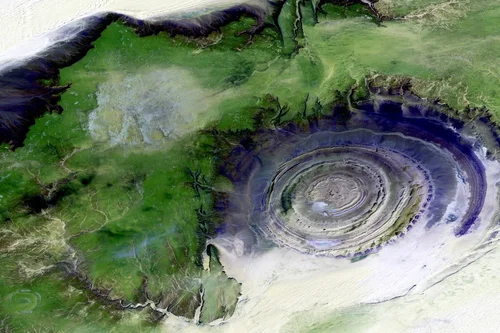
Locating uranium deposits with satellite data
Current methods for locating new sources of uranium are often time-consuming and costly, requiring governments and mining companies to fly aircrafts over large swaths of land in remote areas. But with Earth observation data being more accessible and computers’ improved processing power, utilizing satellites to detect features in faraway places has become a much more…
-
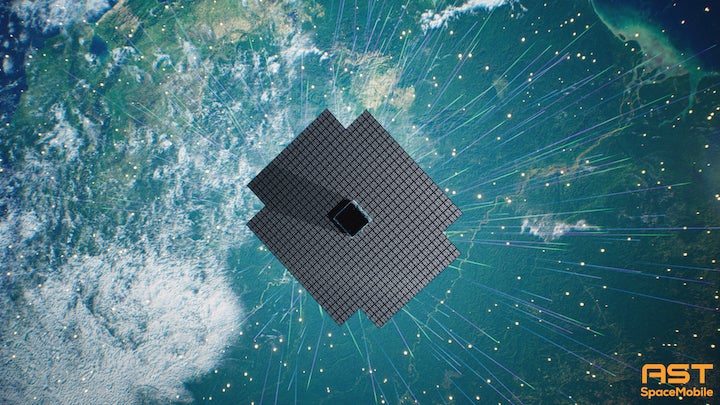
AST SpaceMobile Signs MoU With Globe Telecom in the Philippines
AST SpaceMobile has signed an MoU with Globe Telecom, a mobile network operator in the Philippines. The Thursday announcement did not include specific details, but AST SpaceMobile “would aim to provide Globe with expanded coverage” once its network is launched. As of 2021, Globe had 86.8 million mobile subscribers. AST SpaceMobile is working to build…
-
Understanding data transfers
Let’s break down data transfers. Satellite data collection is extensive, with some of the latest high-resolution optical and radar readings gathering gigabits of information each second. The issue lies in sending this data back to Earth, an act known as a downlink. Unfortunately, current technology has these downlinks occurring on sun-synchronous orbits at limited points…