
Tag: Astronomy
-
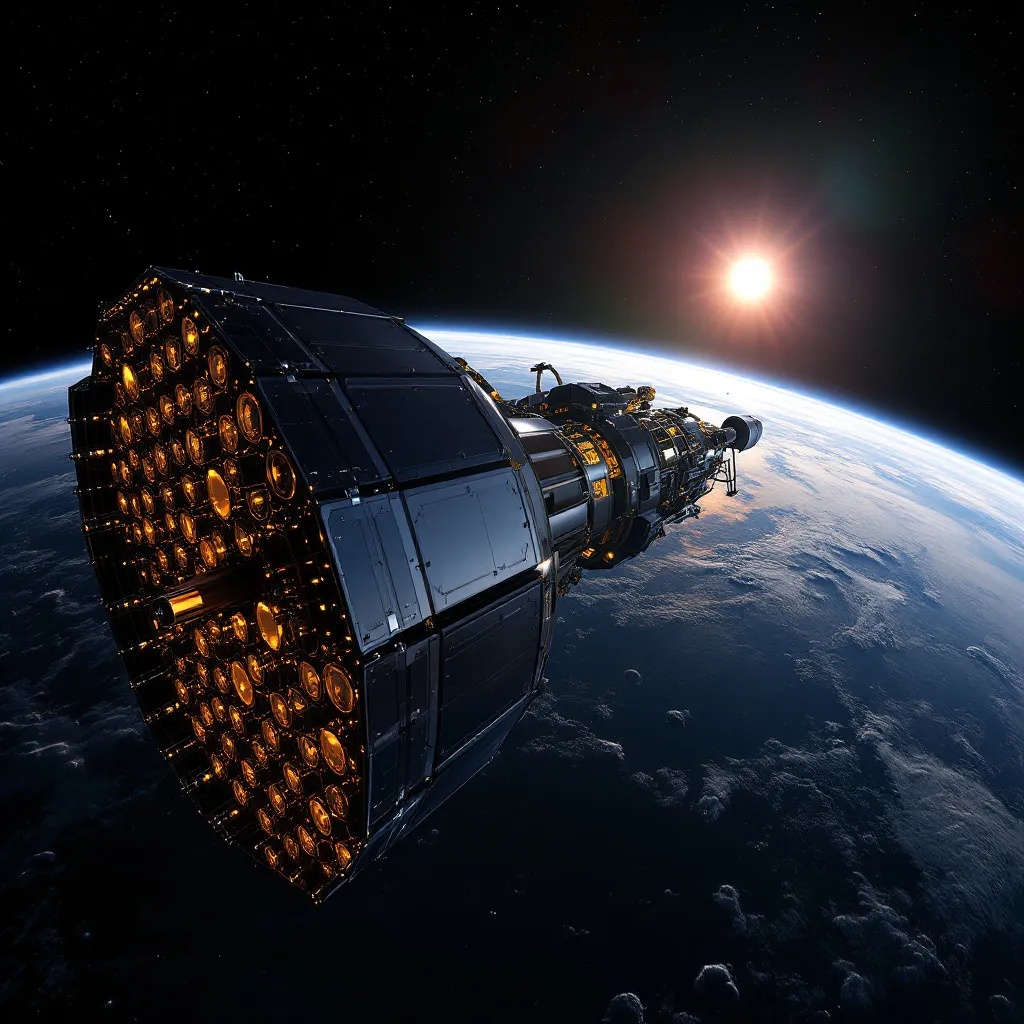
NASA Powers Up Roman’s 300-Megapixel Camera, Checks Coronagraph Systems
NASA has activated the 300-megapixel Wide Field Instrument aboard the Nancy Grace Roman Space Telescope and completed initial checks of its Coronagraph Instrument, confirming that both payloads survived launch and are operating in space. The commissioning milestones, including activation of Roman’s 18 infrared detectors on September 11, keep the observatory on schedule to release its…
-
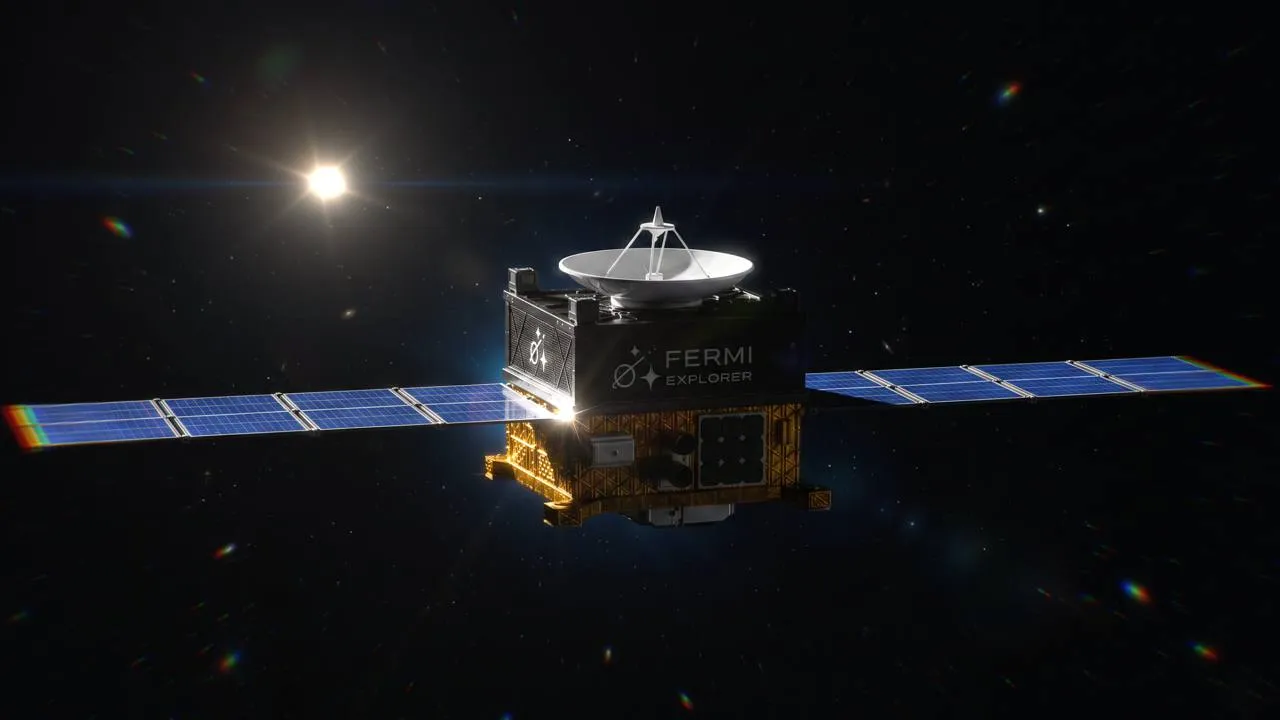
Fermi Explorer Seeks to Launch an Interstellar Probe Toward Alpha Centauri in 2029 on a $15 Million Budget
A Private-Sector Bid to Begin Humanity’s First Interstellar Journey A newly announced private initiative called Fermi Explorer aims to launch a small spacecraft toward the Alpha Centauri star system as early as 2029, pursuing what its organizers describe as a practical and affordable first step into interstellar exploration. Unlike high-profile concepts that rely on breakthrough…
-

A Million Satellites Could Create a Visible Ring Around Earth
Will Orbital Data Centers Create a Permanent Artificial Ring Around Earth? More than a million data center satellites and 50,000 space mirrors, if launched as currently proposed, would concentrate into a single orbital plane visible as a luminous band spanning the entire sky — brighter than any star or planet, and according to researchers, potentially…
-
FCC Greenlights Reflect Orbital’s 18m Sun Mirror Sat
Does the FCC Have Authority to Regulate Space-Based Sunlight Mirrors? The FCC said no — and on July 9, it formally authorized Eärendil-1, Reflect Orbital’s 142-kilogram demonstrator satellite equipped with an 18-meter-per-side thin-film reflector designed to bounce sunlight onto nighttime regions of Earth. The spacecraft is planned for launch later this year into a low…
-

Rubin Observatory kicks off 10-year campaign to capture ‘the greatest cosmic movie ever made’
Stars in the constellation Lupus glitter in an image from the Vera C. Rubin Observatory. The full-resolution version of the image amounts to 1.7 gigapixels. (Credit: NSF–DOE Vera C. Rubin Observatory / NOIRLab / SLAC / AURA) The science team behind the Vera C. Rubin Observatory has officially launched a decade-long survey of the southern…
-
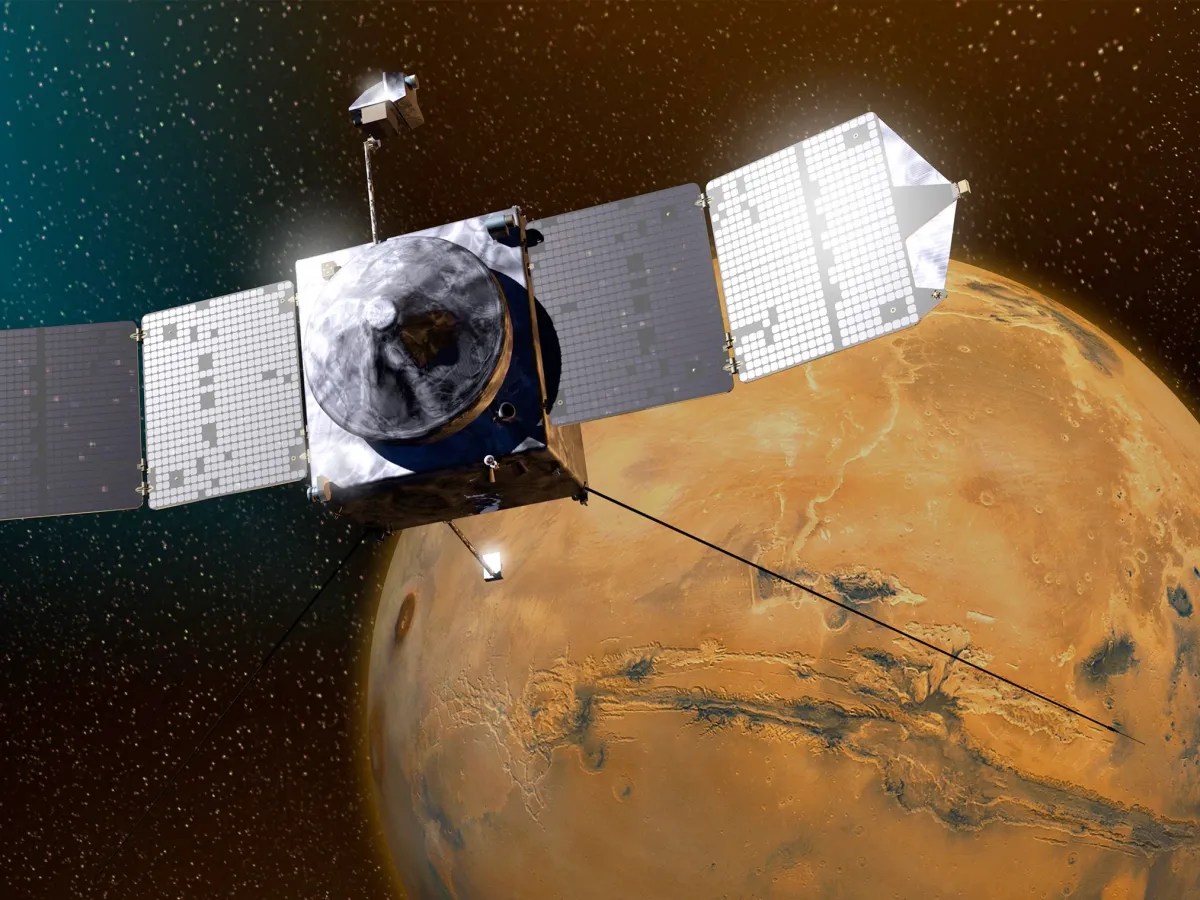
NASA Declares MAVEN Mars Mission Ended After Spacecraft Falls Silent
NASA has officially declared the end of its MAVEN mission after the spacecraft orbiting Mars became unresponsive and could not be recovered following a communications loss that began in December. The agency confirmed the mission’s conclusion on Wednesday, bringing to a close more than a decade of scientific observations of the Red Planet. Contact Lost…
-
Eight months early and under budget, the Roman Telescope is ready to launch
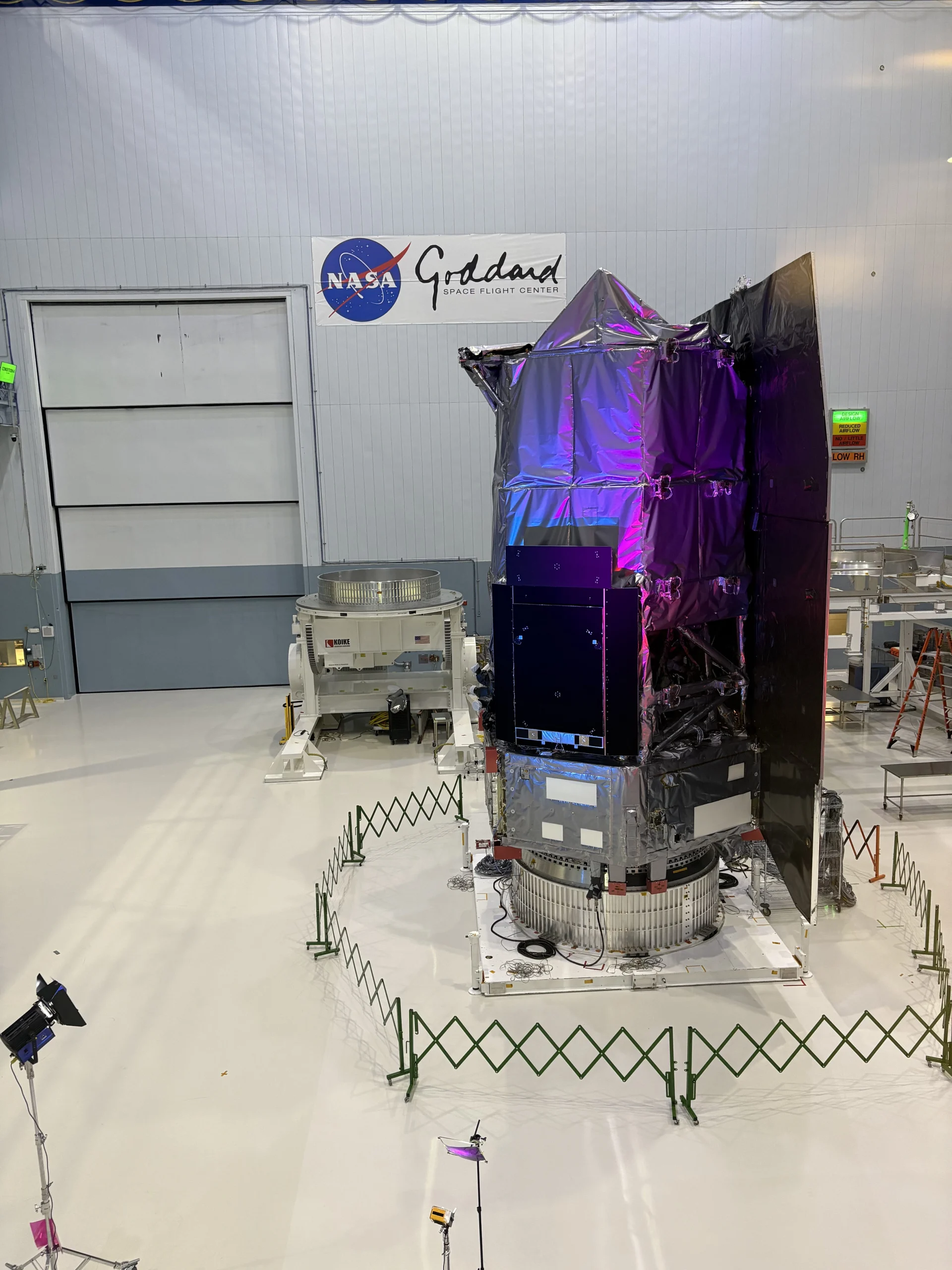
GREENBELT, Md.—On Tuesday, NASA invited the press to look at the fully assembled Nancy Grace Roman Space Telescope, which is now ready to join the ranks of the great observatories in orbit, ahead of its September launch. The Roman Space Telescope (NGRST), named after a key figure in the planning of the Hubble Space Telescope,…
-
Rubin Observatory team discovers 11,000 new asteroids, with help from University of Washington software
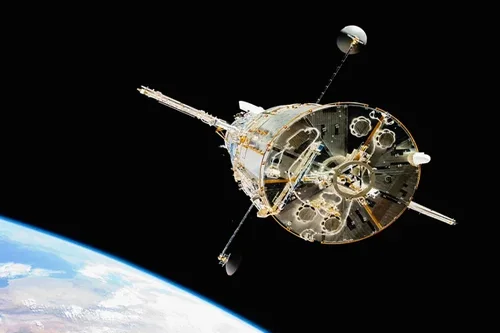
A model of the inner solar system shows asteroids discovered by the Rubin Observatory in light teal. Previously known asteroids are dark blue. The model highlights almost 12,700 asteroids that the Rubin team has discovered over the course of a year and a half. (Photo: NSF–DOE Vera C. Rubin Observatory / NOIRLab / SLAC /…
-
A unique NASA satellite is falling out of orbit—this team is trying to rescue it
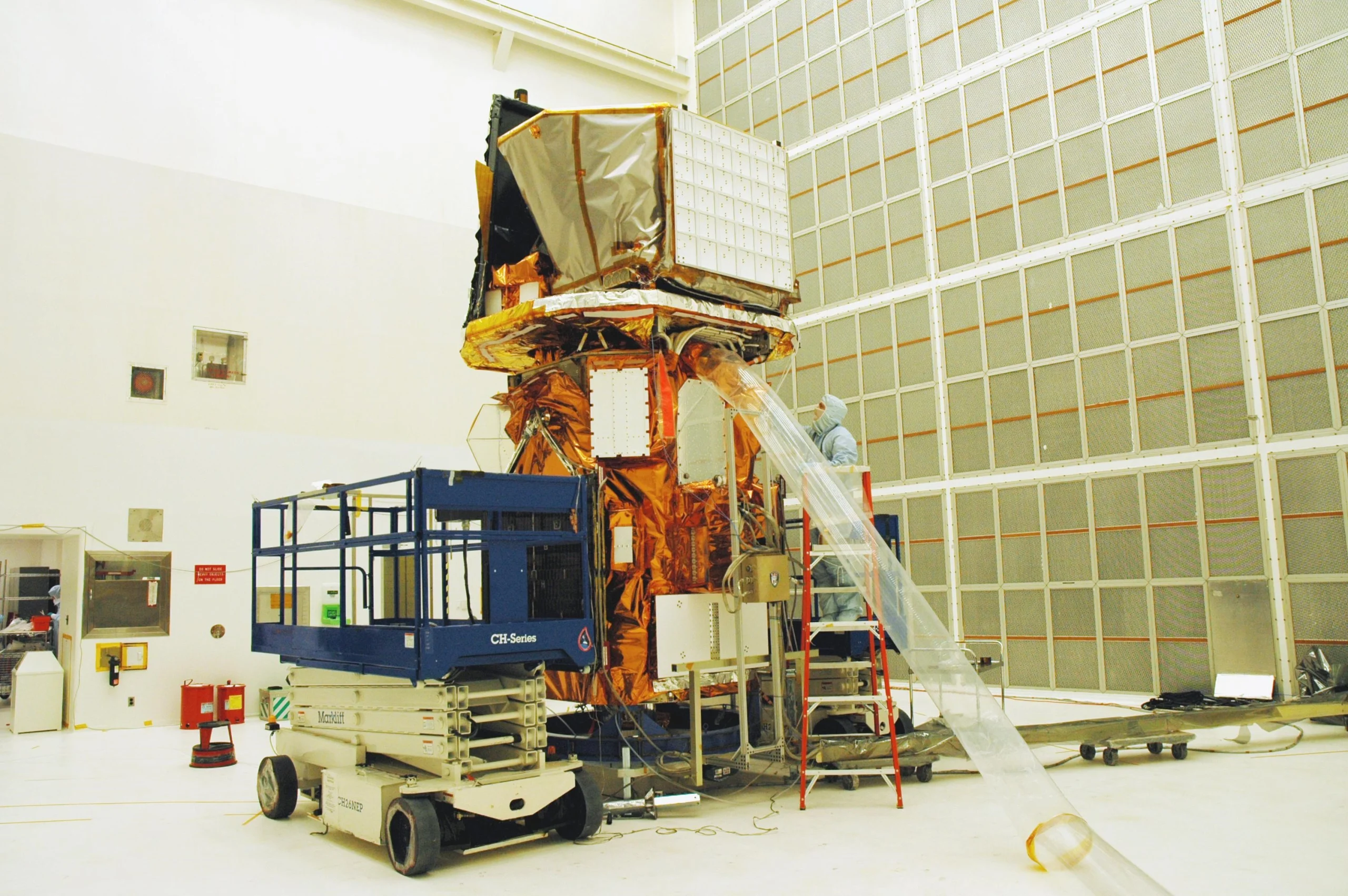
BROOMFIELD, Colorado—One of NASA’s oldest astronomy missions, the Neil Gehrels Swift Observatory, has been out of action for more than a month as scientists await the arrival of a pioneering robotic rescue mission. The 21-year-old spacecraft is falling out of orbit, and NASA officials believe it’s worth saving—for the right price. Swift is not a…
-

Total lunar eclipse will turn the full moon red — but will the skies be clear enough to see it?
A photo sequence shows the total lunar eclipse of March 14, 2025. (Sky & Telescope Photo / Edwin L. Aguirre and Imelda B. Joson). Tonight’s full moon will turn into a red moon during the last total lunar eclipse we’ll be able to see for the next two years — but whether we’ll truly be…