
Tag: Astronomy
-
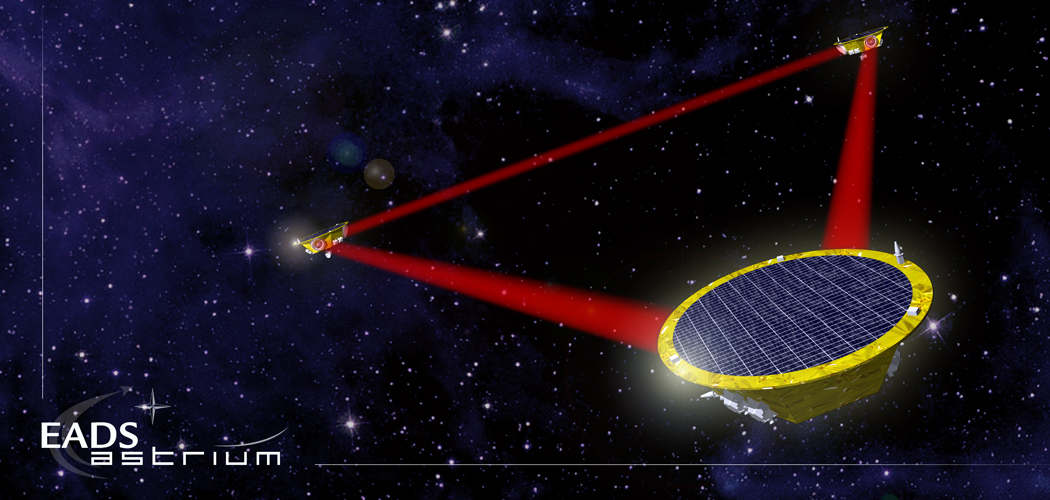
LIGO goes to space: ESA to proceed with LISA gravitational wave detector
On Thursday, the European Space Agency’s Science Programme Committee gave the go-ahead to the Laser Interferometer Space Antenna, or LISA project. This would mean the construction of the mission’s three spacecraft could begin as early as a year from now. While the interferometer would follow the same basic principles as the ground-based LIGO (Laser Interferometer…
-
Amazon’s Project Kuiper satellites add to astronomers’ light-pollution woes
Amazon is set to launch two satellite prototypes for its Project Kuiper network, which will eventually number more than 3,200 orbiters. Project Kuiper could become a rival to SpaceX’s Starlink constellation, which is now nearly 4,800 strong. Amazon’s launch is planned for 2 pm Eastern time today, with a backup launch window tomorrow. This rapid…
-
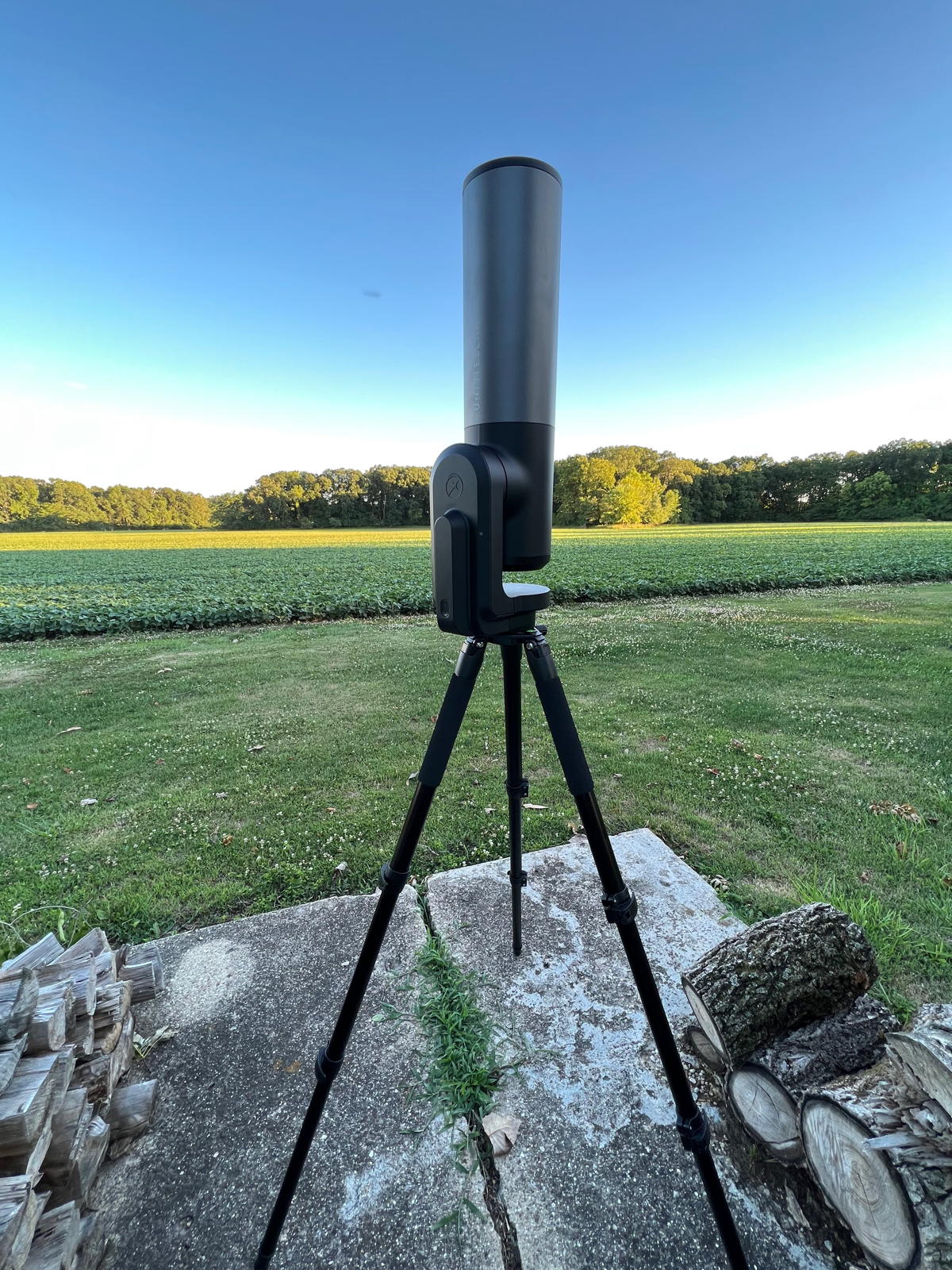
Communal stargazing using your phone: The Unistellar eQuinox 2, reviewed
When we reviewed the Unistellar eVscope a couple of years ago, we came away impressed. It offered a communal stargazing experience that takes our ubiquitous smartphones and turns them into a way to view the heavens. Unistellar’s newest offering is the eQuinox 2, a lower-cost alternative to eVscope 2, taking all of the features from…
-
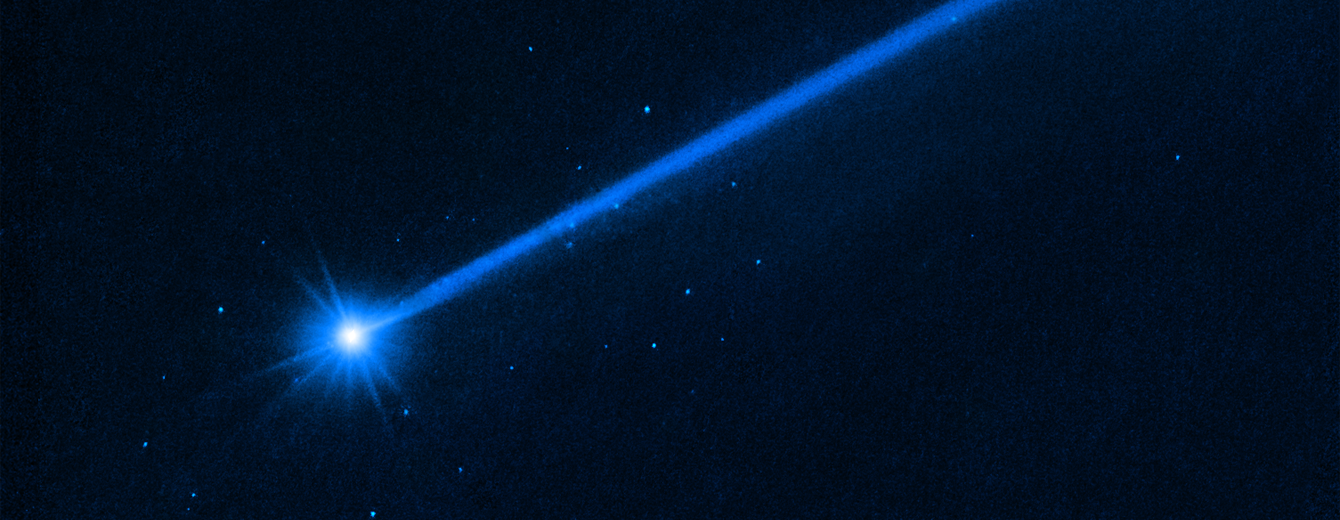
DART asteroid impact created a 10,000-kilometer debris field of boulders
NASA’s Double Asteroid Redirect Test (DART) mission was a success from the perspective of planetary defense, as it successfully shifted the orbit of an asteroid. But the mission had a scientific element to it, and we’re still sifting through the debris of the collision to determine what the impact tells us about the asteroid. That’s…
-
Something in space has been lighting up every 20 minutes since 1988
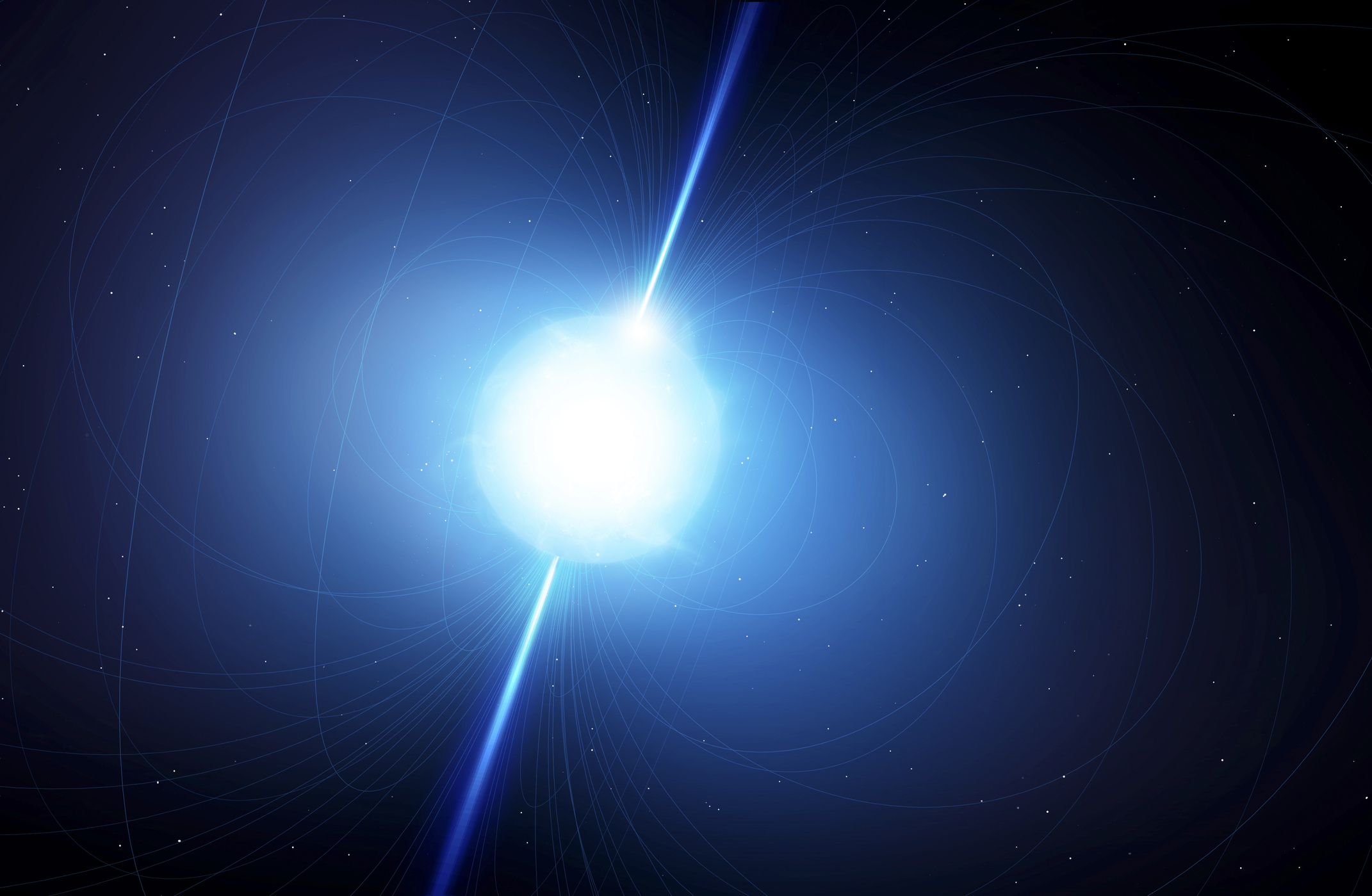
On Wednesday, researchers announced the discovery of a new astronomical enigma. The new object, GPM J1839–10, behaves a bit like a pulsar, sending out regular bursts of radio energy. But the physics that drives pulsars means that they’d stop emitting if they slowed down too much, and almost every pulsar we know of blinks at…
-
Rover sampling finds organic molecules in water-altered rocks on Mars
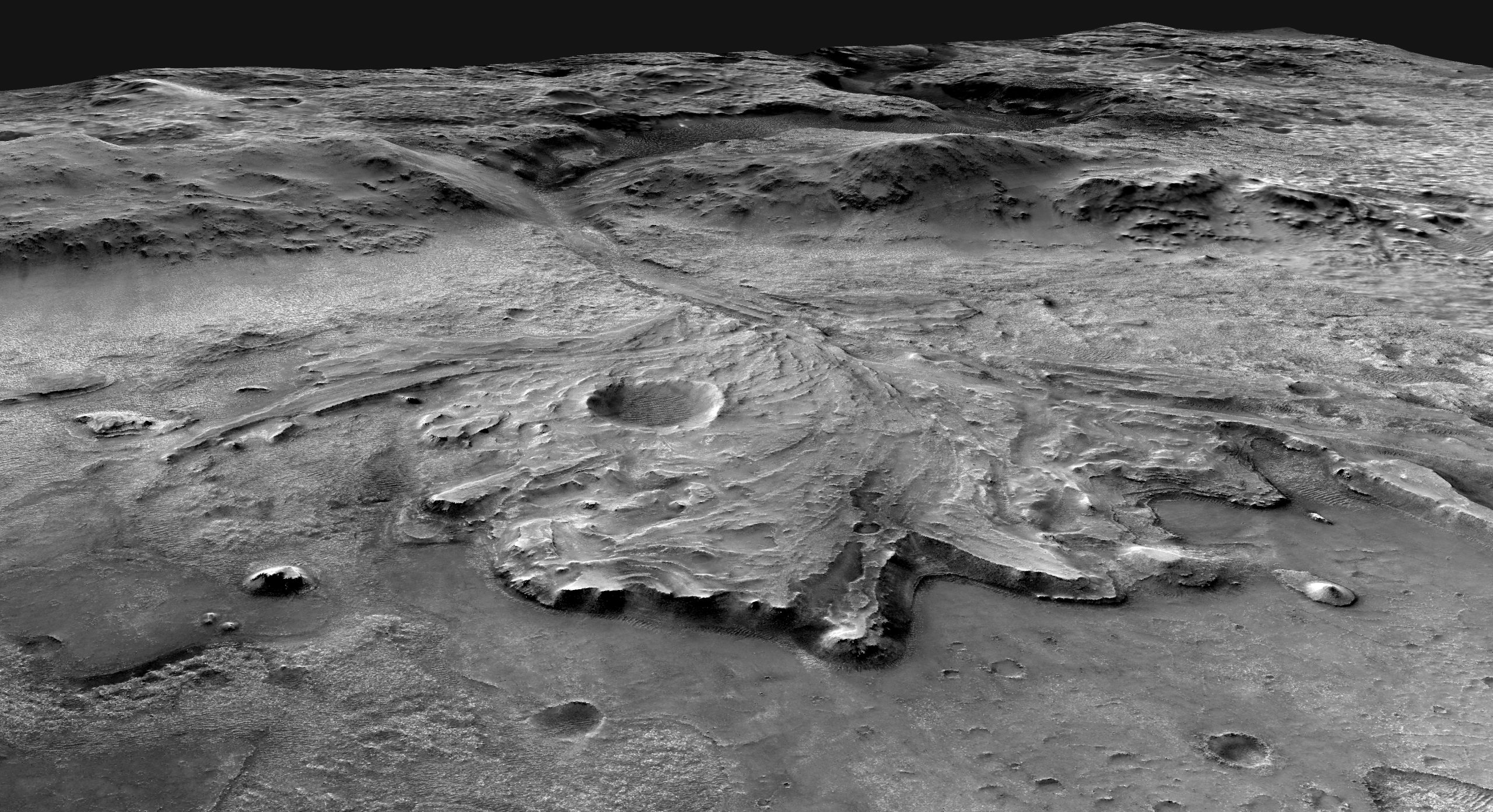
Organic chemicals, primarily composed of carbon and hydrogen, underly all of life. They’re also widespread in the Universe, so they can’t be taken as a clear signature of the presence of life. That creates an annoying situation regarding the search for evidence of life on Mars, which clearly has some organic chemicals despite the harsh…
-
The Webb telescope just offered a revelatory view of humanity’s distant past
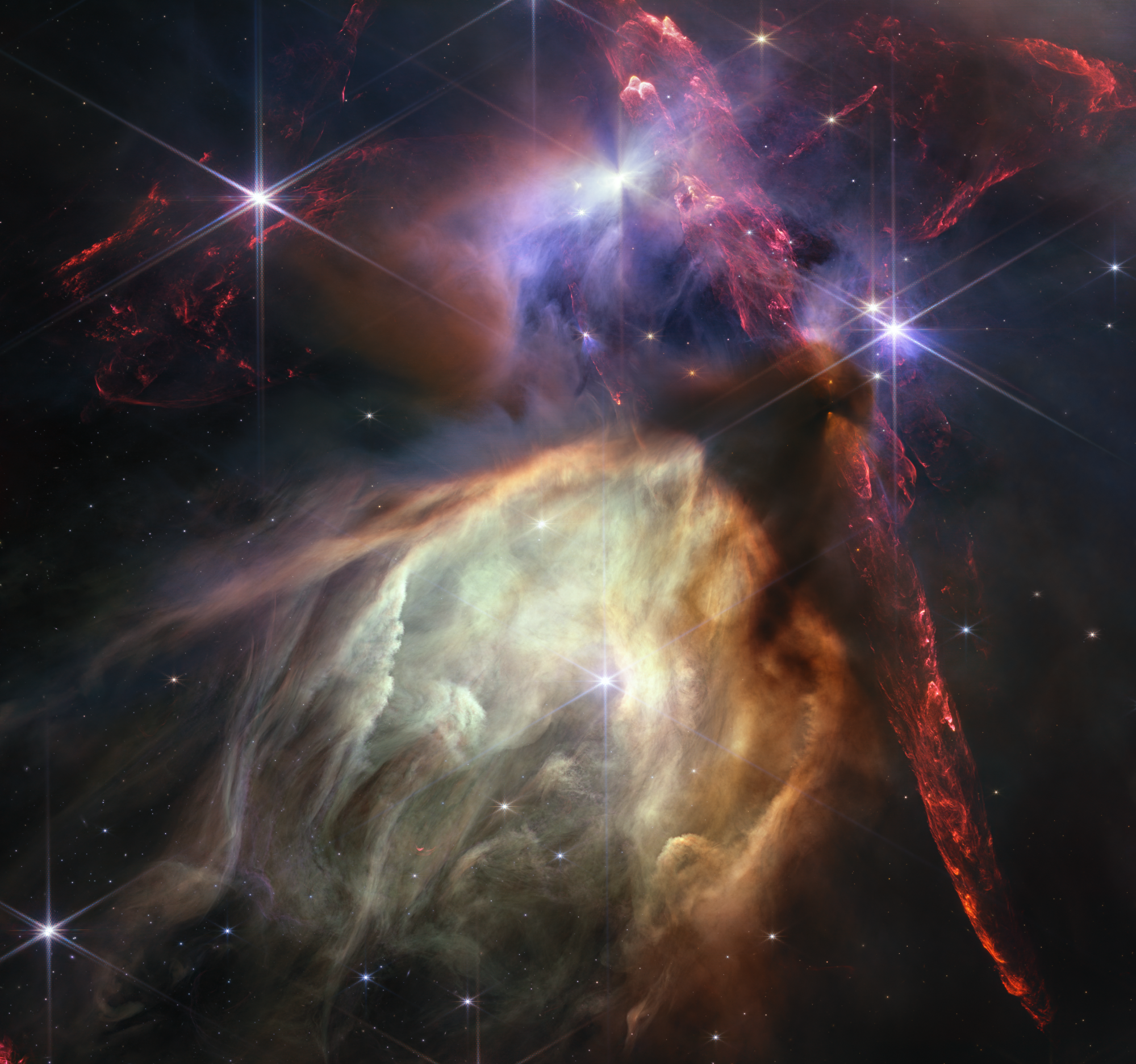
To commemorate the first year of scientific operations by the James Webb Space Telescope, NASA has released a stunning new image of a stellar nursery. The photo is gorgeous. It could easily hang in a museum, as if it were a large canvas painting produced by a collaboration of impressionistic and modern artists. But it…
-
SpaceX launches groundbreaking European dark energy mission
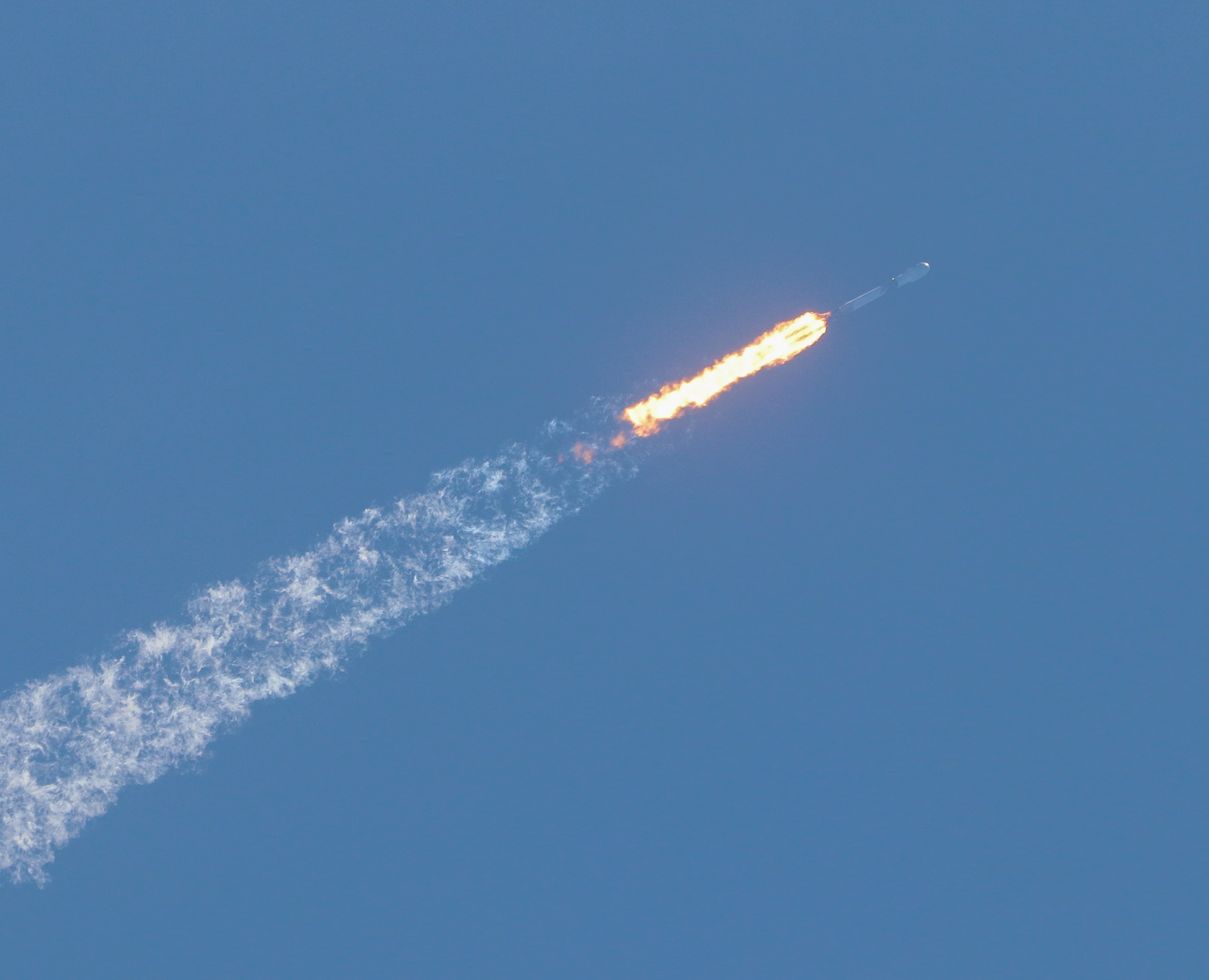
A European Space Agency telescope launched Saturday on top of a SpaceX Falcon 9 rocket from Florida to begin a $1.5 billion mission seeking to answer fundamental questions about the unseen forces driving the expansion of the Universe. The Euclid telescope, named for the ancient Greek mathematician, will observe billions of galaxies during its six-year…
-
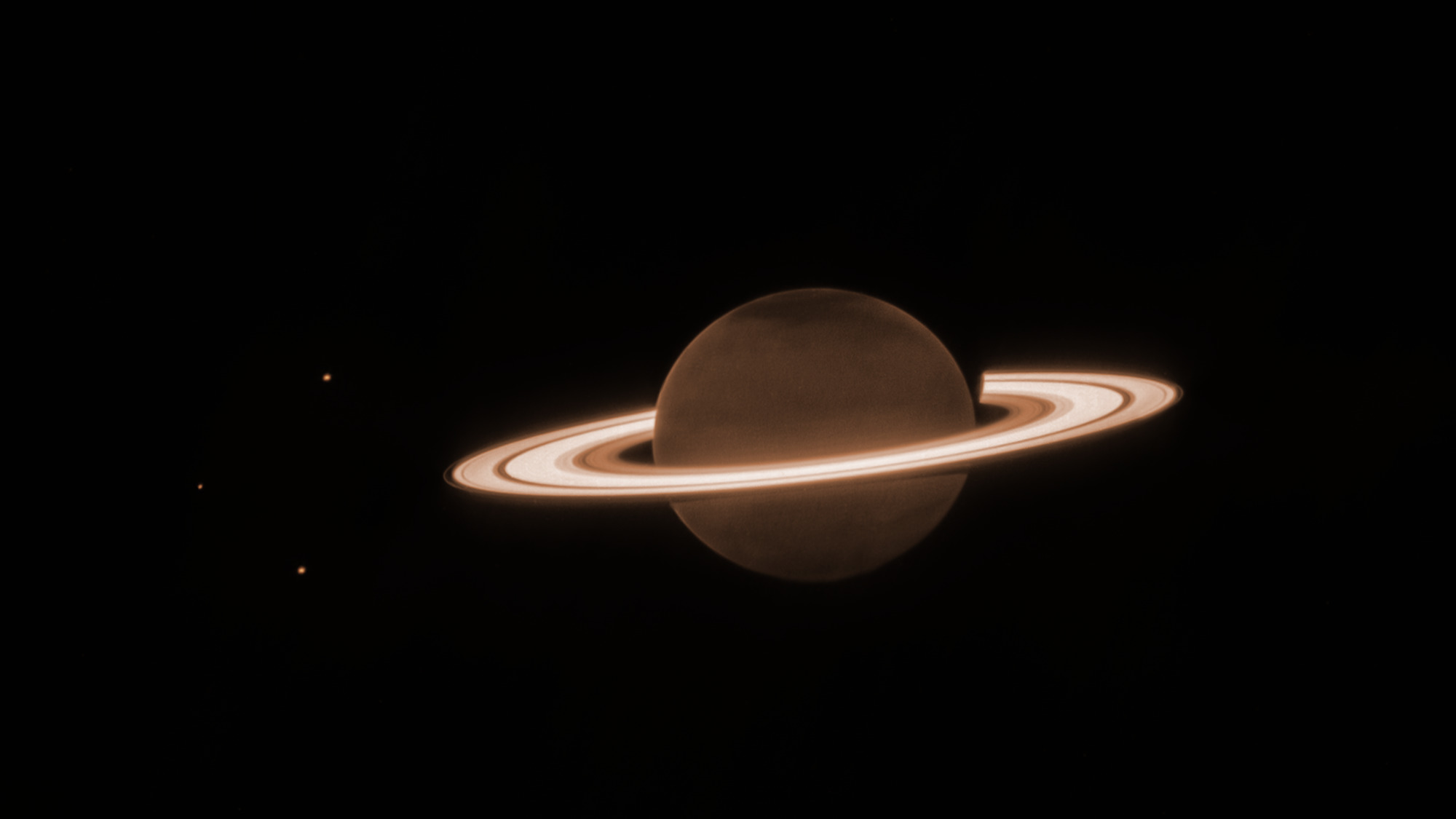
Saturn’s rings steal the show in new image from Webb telescope
The James Webb Space Telescope has observed Saturn for the first time, completing a family portrait of the Solar System’s ringed planets nearly a year after the mission’s first jaw-dropping image release. Webb’s near-infrared camera took the picture of Saturn on June 25. Scientists added orange color to the monochrome picture to produce the image…
-
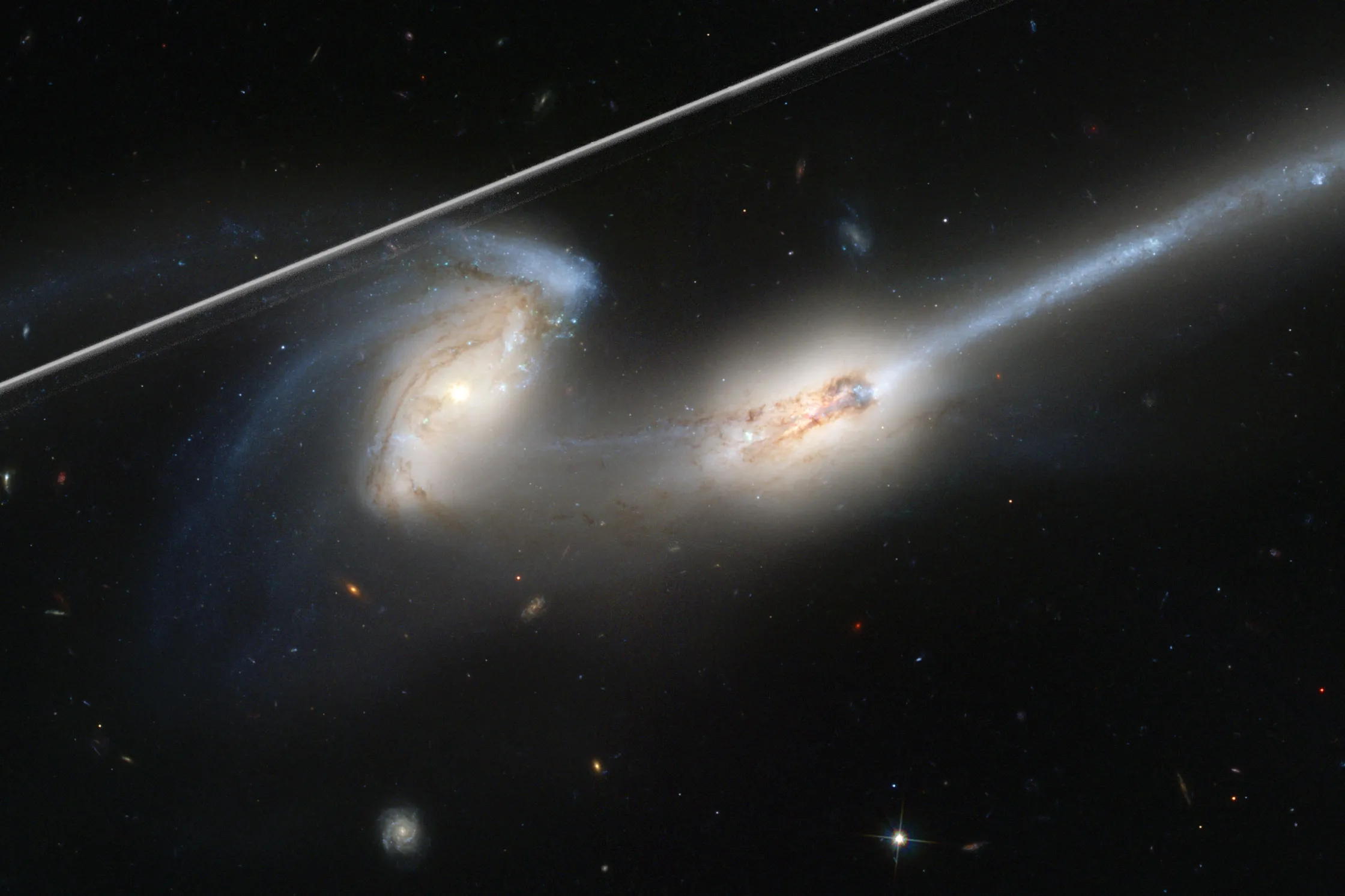
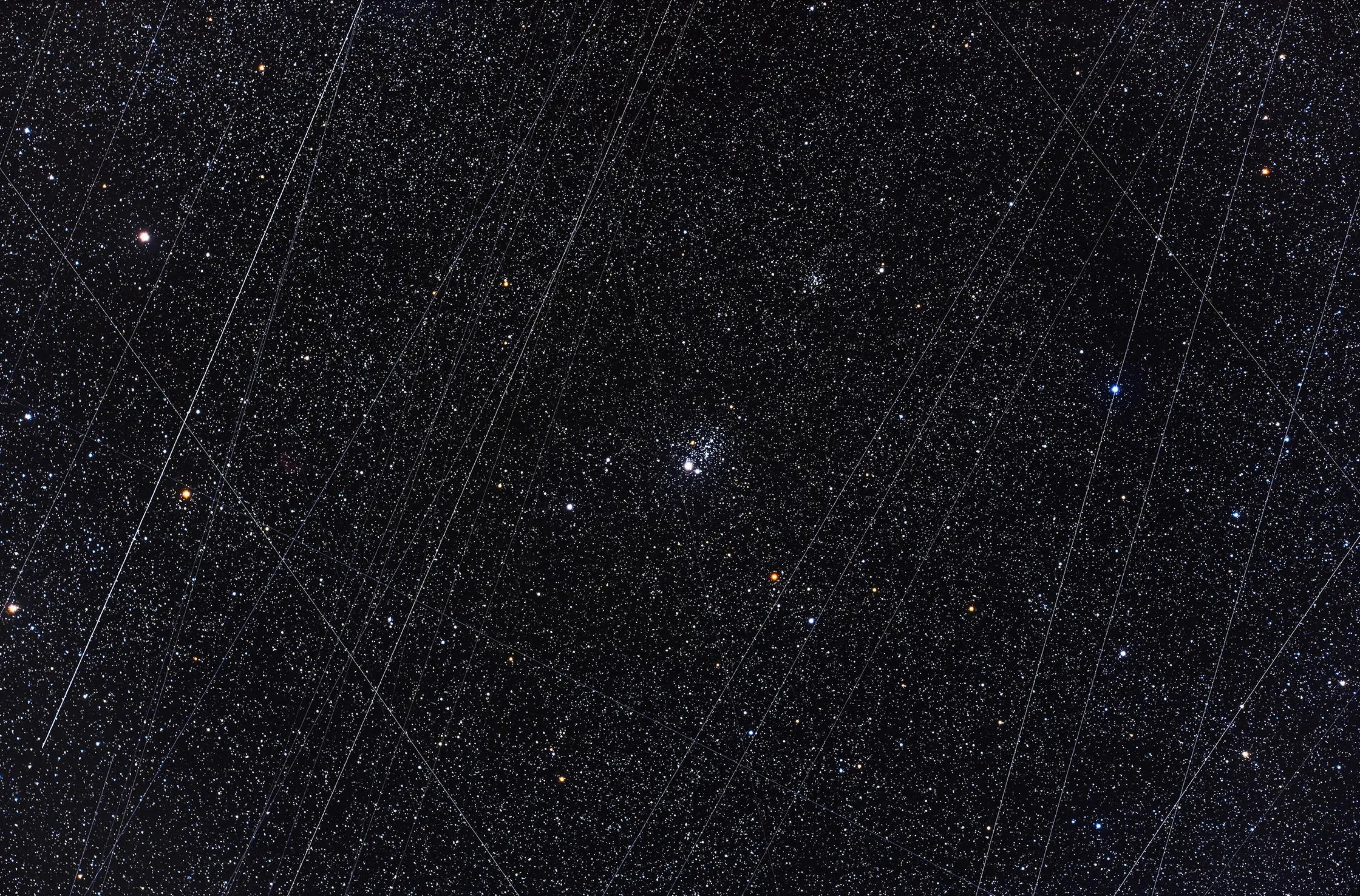
Satellites keep photobombing space images. Astronomers need a fix
Throngs of satellites are streaking across the Hubble Space Telescope’s field of view, leaving what look like scratch marks on space photos and hindering scientists’ work. Teeming swarms of these satellites, which reflect sunlight and mimic astronomical objects, threaten to gradually transform the night sky and affect how astronomy can be done. “We see these…